Are huskydoodles good family dogs?

The allure of the Huskydoodle, that spirited cross between the Siberian Husky and the intelligent Poodle, often captures the attention of prospective dog owners looking for a unique companion. These dogs, sometimes referred to as Siberpoos, bring a captivating mix of looks and personality traits from their parent breeds, making the decision of whether they fit a specific family dynamic one that requires careful consideration. [2][9] They are certainly striking dogs, inheriting the piercing eyes or distinctive markings of the Husky alongside the curly, often low-shedding coat of the Poodle. [2][7] But good family compatibility hinges on much more than looks; it depends on energy levels, grooming commitment, and inherent personality quirks. [1][4]
# Parent Traits
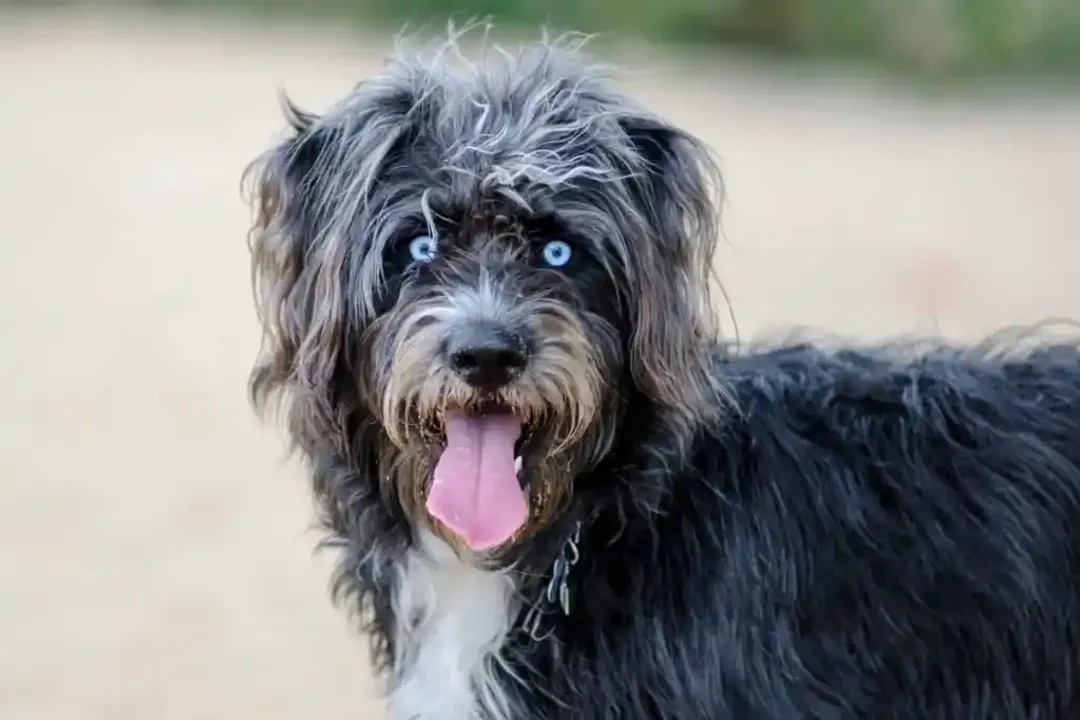
To understand the Huskydoodle, one must first appreciate the distinct legacies they carry. The Siberian Husky is renowned for its stamina, independent streak, and high exercise requirements, bred for pulling sleds over long distances. [7] Poodles, conversely, are celebrated for their exceptional intelligence, trainability, and often, a non-shedding coat. [2] When these two temperaments mix, the result is a dog that is generally affectionate, playful, and loyal, though the exact balance of inherited traits can vary significantly from one puppy to the next. [2][4][7] It is crucial for new owners to recognize that they are dealing with a blend, not a fixed formula; some may lean heavily toward the Poodle's eagerness to please, while others might exhibit the Husky’s stubborn self-determination. [2][7]
# Energy Levels
Huskydoodles are not breeds designed for a sedentary lifestyle. Bred from two highly active parents, these dogs possess substantial energy reserves that demand an outlet. [7] Expect a dog that thrives on activity and engagement. Sources frequently emphasize the necessity of significant daily exercise to keep them happy and well-behaved. [2][7] This usually translates to more than just a quick walk around the block. Think long jogs, active play sessions in a securely fenced yard, or even engaging in dog sports like agility or hiking. [7] A bored Huskydoodle, one whose physical and mental energy is left unchecked, can quickly become a destructive force within the home. [4] Recognizing this energy requirement upfront is key; if a family leads a quiet, indoor-focused life, this crossbreed may prove too demanding to integrate happily. [2]
# Character Profile
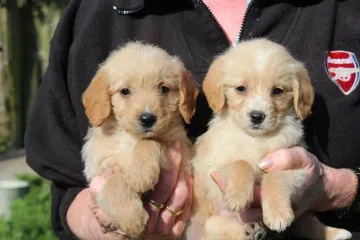
When well-exercised and properly stimulated, the Huskydoodle generally displays a wonderfully engaging personality. They are often described as intelligent and eager to bond with their human family members. [2][4] Their desire for companionship is strong; they thrive when integrated into the daily life of the family. [4] This close bonding, however, is a double-edged sword. They are not a breed designed to spend long hours isolated in a crate or left alone frequently. A lack of companionship can lead to anxiety, which often manifests as undesirable behaviors like excessive barking or chewing. [2][4] They tend to be playful and good-natured, which suits an active household ready to involve them in their routines. [7] They can certainly be wonderful companions, provided the commitment to spending time with them is a priority. [4]
# Grooming Reality
The coat of a Huskydoodle is one of the most unpredictable elements of owning one, directly impacting the required grooming commitment. [1] Because the Poodle parent contributes a typically low-shedding coat and the Husky parent contributes a double coat that sheds seasonally, the resulting hair can vary wildly. [1][7] Some dogs may take on the Poodle-like, curly coat, which is low-shedding but prone to matting, requiring frequent brushing—sometimes daily—and professional clipping every six to eight weeks. [1][2] Others might inherit the thick, dense coat of the Husky, leading to heavy shedding, though they might require less professional clipping. [1][7] This variability means potential owners cannot assume they are getting a hypoallergenic dog; prospective owners must commit to a grooming routine suitable for the coat they do get, not the one they hope for. [1]
# Obedience Learning
The intelligence factor in the Huskydoodle equation is high, thanks to the Poodle genetics, suggesting they can learn quickly. [2] However, the independent and sometimes willful nature inherited from the Husky side can complicate training efforts. [7] This combination requires owners to be exceptionally patient, consistent, and fair. If training is inconsistent, the dog may easily default to the more independent decision-making patterns of the Husky heritage. [2][7] Early and thorough socialization is vital to ensure they grow into well-adjusted adults, especially given their high energy and intelligence that needs direction. A family committed to positive reinforcement methods, rather than harsh corrections, will likely see better results when guiding this bright but sometimes stubborn mix. [2]
An important consideration when assessing the training aptitude of a Huskydoodle is the required level of engagement during training sessions. Due to their intelligence, they can become bored easily if training relies solely on repetitive drills. To maintain their focus, owners should integrate novelty and problem-solving into their routine, treating training less like rote instruction and more like a daily puzzle game tailored to their puzzle-solving capacity. [2]
# Home Suitability
When assessing if a Huskydoodle is a good fit for a family, consider the ages of any children involved. While affectionate, their high energy and moderate to large size—Standard Huskydoodles typically weigh between 40 and 65 pounds—mean that very young children might be accidentally knocked over during enthusiastic play. [7] Supervision is always recommended when introductions are made. [7] For families with older children who can participate in active play and training, the dynamic often works well, fueled by the dog's eagerness to engage. [4] Furthermore, given their strong need for companionship, this breed typically does not suit homes where the dog will be left alone for the majority of the workday. They bond closely and crave interaction, making them best suited for families where someone is frequently home or can arrange for midday activities or doggy daycare. [2][4]
# Health Considerations
Like all mixed breeds, Huskydoodles benefit from hybrid vigor, meaning they may have a broader gene pool reducing the incidence of some hereditary diseases common to purebreds. [2] However, they remain susceptible to conditions that affect either the Siberian Husky or the Poodle. [2][7] Responsible breeders should screen for issues like hip and elbow dysplasia, eye problems (such as progressive retinal atrophy), and thyroid issues. [2][7] Prospective owners should inquire about the health testing completed on the parent dogs, as this is the best indicator of potential future health challenges for the puppy. [7] Knowing the common issues for both parent breeds helps an owner prepare for potential veterinary needs down the line. [2]
When thinking about the long-term commitment, it is helpful to mentally map out a typical week. If your schedule leaves little room for dedicated, high-intensity activity on weekdays, consider integrating a weekly training class or finding a reliable dog-walking service that focuses on actual physical exertion, not just a quick potty break. A 40-pound dog that burns off its energy usually behaves; one that doesn't will quickly test the limits of your patience and your furniture. [2][4]
The Huskydoodle presents an exciting prospect for the right family—one that is active, committed to consistent training, prepared for significant grooming needs regardless of the coat type, and ready to provide abundant companionship. They offer loyalty, intelligence, and a playful spirit, making them excellent family members when their specific needs are met. [4][7]
Related Questions
#Citations
Everything You Need to Know About Huskydoodles - The Doodle Pro
Husky Poodle: Your Complete Guide - Dog Academy
Huskydoodle and Siberpoo Puppies Breed Information
Poodle/Husky mix? How horrible would this be to maintain? - Reddit
Huskydoodle Dog Breed Complete Guide - A-Z Animals
Mini Huskydoodle Puppies for Sale - Florida Fur Babies
Huskydoodle Dog Breed Information & Characteristics - DogTime
Huskydoodle: The Energetic and Intelligent Husky-Poodle Mix
Huskydoodle (Husky & Poodle Mix): Info, Pictures, Care Guide & More