Is a Poogle a good family dog?
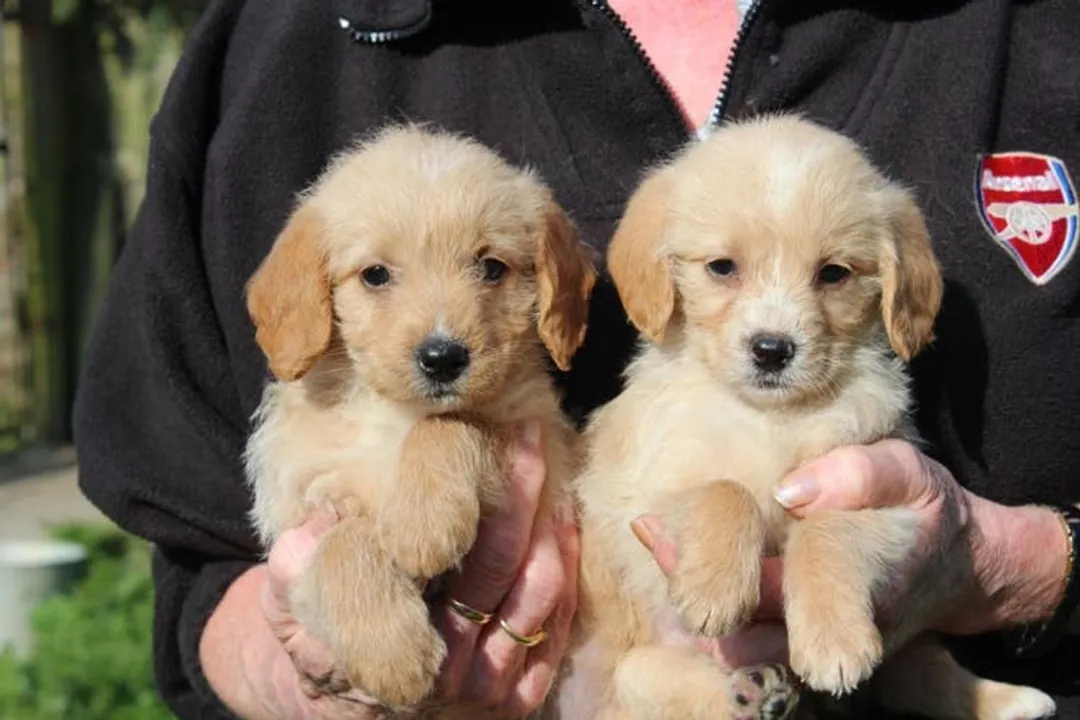
The allure of a designer dog often centers on capturing the best traits of two beloved purebred parents, and the Poogle, a mix between the Poodle and the Beagle, is certainly one of the more intriguing pairings available. [2][4] Deciding if this hybrid dog is the right fit for your household requires looking closely at the potential spectrum of characteristics they can inherit, as they are not a standardized breed but rather a combination of two very distinct personalities. [4] Owners hoping for a family companion need to understand that the result can lean heavily toward the spirited, scent-driven Beagle or the clever, sometimes sensitive Poodle, or land somewhere interestingly in between. [1][2]
# Heritage Blend
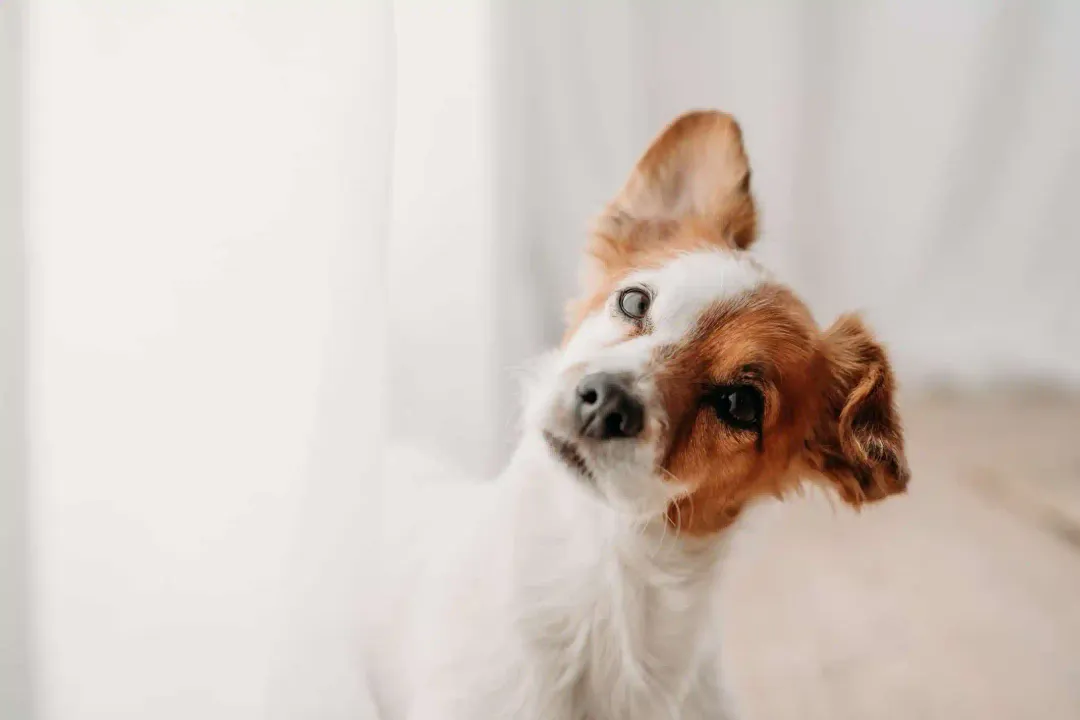
The Poogle is a crossbreed, sometimes also referred to as a Beaglepoo or Pougle, resulting from mixing a purebred Beagle with a purebred Poodle. [4] This mix brings together two very different ancestral backgrounds. The Beagle contributes a history rooted in scent-trailing and a famously friendly, pack-oriented nature. [7] Conversely, the Poodle brings high intelligence, athleticism, and often a lower-shedding coat into the genetic equation. [1][2]
When considering a Poogle, it is essential to realize that you are not adopting a fixed entity. A first-generation cross, or F1, will show significant variation in appearance, size, and temperament compared to a second-generation cross or backcross. [2] This means that while some Poogles might look distinctly like a small Beagle with curlier hair, others might resemble a miniature Poodle with longer, more pendulous ears inherited from the Beagle side. [4] This unpredictability is a defining feature of designer mixes and must be factored into the family suitability assessment. [2]
# Character Overview
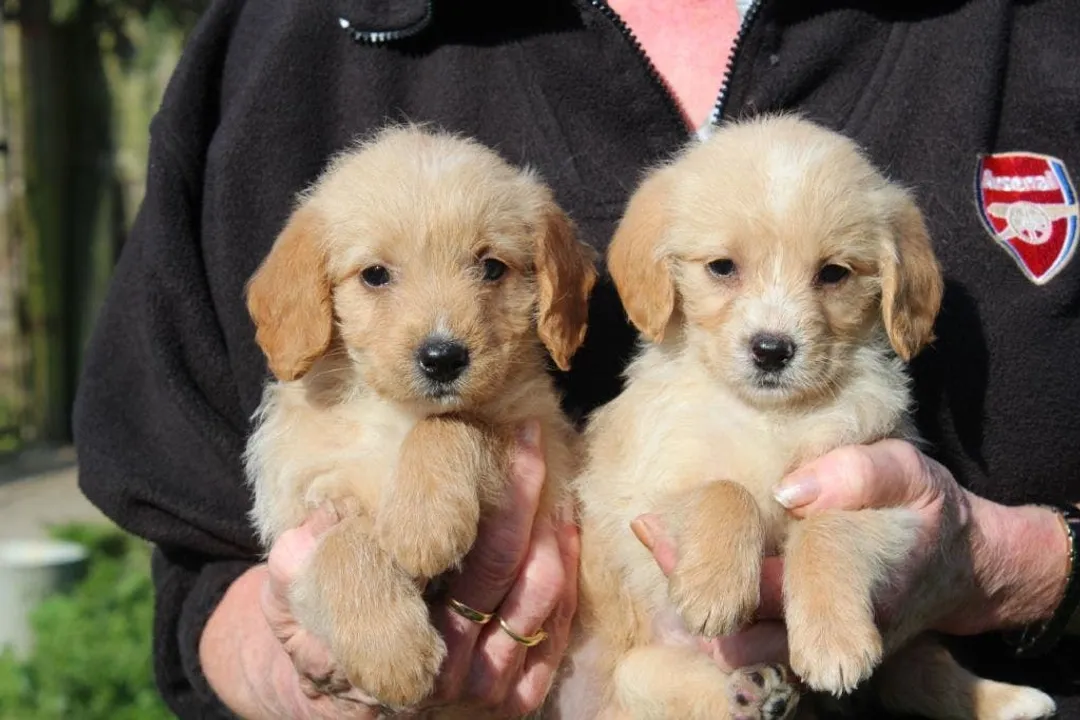
Generally speaking, the consensus among those familiar with the breed mix points toward a dog that is affectionate, playful, and eager to please its people. [1][2] They often possess a merry disposition that makes them enjoyable companions around the house. [2] They typically bond closely with their families and thrive on being included in daily activities rather than being relegated to the backyard. [1]
However, the Beagle's influence is a critical consideration for any potential owner. Beagles are known for their independent streak and deep-seated instinct to follow a scent trail, which can translate into a stubborn streak during training sessions. [1] If the Poogle inherits this trait strongly, they might require more patience and creativity from their owners than a standard Poodle mix might suggest. [2] Furthermore, the vocal nature of the Beagle often carries over; potential owners should be prepared for a dog that might occasionally bark or howl, especially if left alone or if a fascinating smell drifts by. [2][7] Early socialization, exposing the puppy to a wide variety of sights, sounds, and people during those critical early weeks, becomes non-negotiable for ensuring they grow into well-adjusted family members. [1]
# Activity Demand

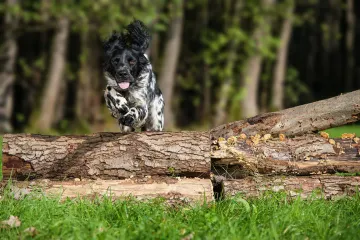
A Poogle is rarely a couch potato. Both parent breeds are active and intelligent, meaning their offspring usually requires a substantial amount of daily physical and mental engagement to remain content. [2] If the Beagle influence is strong, a walk around the block twice a day might not cut it; they possess the stamina for longer excursions. [1] A bored Poogle, regardless of its exact parentage split, is often a destructive Poogle. [2]
This high energy level means that prospective families need to seriously evaluate their lifestyle. Are you an active family that enjoys hiking, daily long walks, or engaging in dog sports? If so, the Poogle will likely thrive. [1] If your lifestyle is very sedentary, you might find yourself struggling to meet their exercise needs. It is worth noting that due to the Beagle's scent drive, incorporating activities that engage their nose—like advanced hide-and-seek games or structured scent work classes—can be far more satisfying for them mentally than simply repeating the same fetch routine in the yard. [1][2] This combination of physical and mental work prevents the development of nuisance behaviors stemming from under-stimulation.
# Coat Variability
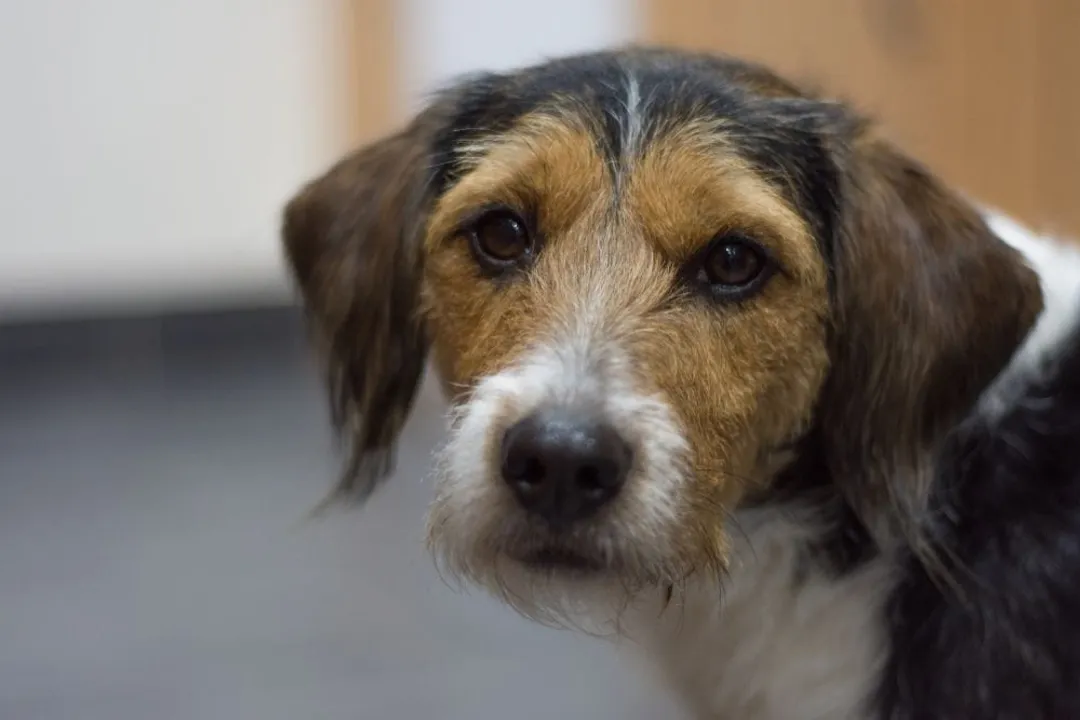
One of the most variable aspects of the Poogle is its coat, and this is where managing expectations becomes key for long-term satisfaction. [7] Because the Poodle parent typically contributes low-shedding genetics, many people seek out Poogles specifically to avoid excessive dog hair around the house. However, the degree to which shedding is reduced depends entirely on which parent's coat genes the individual dog expresses. [7] Some Poogles shed very little and require regular professional clipping, much like a Poodle, while others shed moderately, perhaps inheriting a texture closer to a Beagle's short, dense coat but with a slight wave. [2][7]
This uncertainty means families must prepare for two different grooming realities. If you adopt a Poogle expecting a non-shedder and receive a moderate shedder, frustration can set in quickly. [7] Conversely, if you anticipate regular trips to the groomer and end up with a dog that sheds like a Beagle, you might feel surprised by the vacuuming required. A pragmatic approach involves budgeting for regular brushing regardless of the coat type to prevent matting if it's curly, or to manage seasonal shedding if it's straighter. [7]
# Consistent Training
The intelligence factor inherited from the Poodle side suggests trainability, but the Beagle's independent thinking can complicate things. [1][2] Successfully training a Poogle hinges on consistency and making the process rewarding for the dog. Harsh training methods are generally ineffective and can cause a sensitive Poogle to shut down or become resentful. [1]
Success is often found by leaning into positive reinforcement—using high-value treats, praise, and play to mark desired behaviors. When combined with the intelligence to pick up commands quickly (from the Poodle), this method helps overcome the Beagle's occasional desire to do things their own way. [2] Establishing a firm, fair, and predictable routine early on is more important than any specific command training. If they know the rules from day one, they are far more likely to adhere to them, which is a significant factor when considering their potential for vocalization or wandering if they catch an interesting scent. [1]
# Vitals Scan
As a hybrid, the Poogle often benefits from hybrid vigor, meaning they can sometimes be healthier than their purebred counterparts due to a wider gene pool. [1] This does not, however, make them immune to the genetic conditions common in their parent breeds. [7] Prospective owners should inquire with breeders about the health testing performed on the parent Poodles and Beagles. [1]
Common concerns that may surface include hip and elbow dysplasia, which can affect many medium-sized breeds. [1] Eye conditions, such as Progressive Retinal Atrophy (PRA), can appear in Poodles. [7] From the Beagle side, susceptibility to certain ear infections—due to the floppy nature of the ears—and certain back issues must be monitored. [7] Recognizing the signs of these issues early on, and maintaining a healthy weight to reduce strain on joints and the back, are key components of responsible Poogle ownership. [1] Regular veterinary checkups that specifically screen for these inherited risks are just as important as ensuring they get their daily run.
# Family Fit
So, is the Poogle a good family dog? The answer strongly depends on the type of family and the individual dog's genetic expression. [2] They are wonderful companions for active families with older, respectful children who understand dog body language and can handle a playful, sometimes boisterous dog. [1][2] Their moderate size—often falling into the small to medium range depending on the Poodle used (Toy, Miniature, or Standard)—makes them versatile for various living situations, provided their exercise needs are met. [2][4]
They are generally known to integrate well with other pets, especially if raised alongside them from puppyhood, benefiting from the Beagle's pack mentality. [1] However, the potential for high energy, the tendency toward vocalization, and the need for consistent training mean they might not be the perfect fit for first-time dog owners who cannot commit to structure, or for families living in very quiet, small apartments without easy access to off-leash running areas. [2] The Poogle promises affection and fun, but they require a family willing to meet their specific blend of intelligence, energy, and occasional stubbornness head-on.
Related Questions
#Citations
Poogle | Dog Breed Facts and Information - Wag! Dog Walking
Poogle Dog Breed Information & Characteristics - DogTime
All About the Poogle - PetPlace
Poogle - Beagles Wiki - Fandom
Wife thought our Poogle wasn't 'pure bred' Results : r/DoggyDNA
Poogle Dog Breed: Temperament, Health, and Grooming Facts
Poogle Dog Breed Terripoo Dog Breed Health, Temperament ...
Poogle (Beagle & Poodle Mix): Info, Pictures, Characteristics & Facts
Apparently he's a poogle- any tips - Facebook