What exactly is sultan chicken?
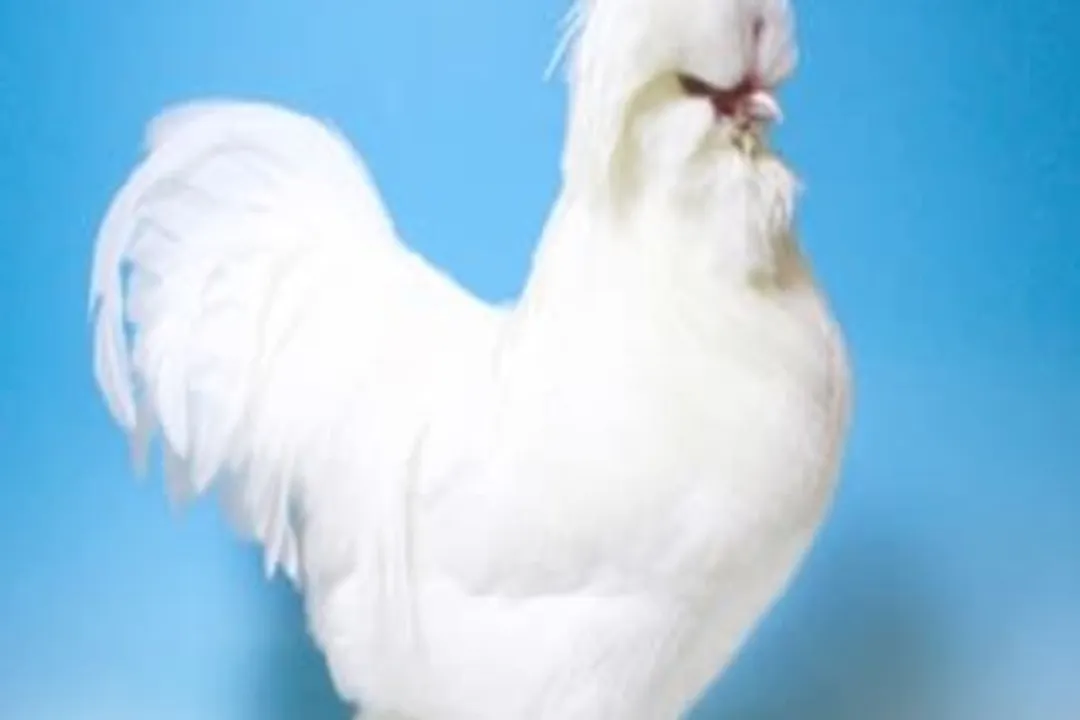
The Sultan chicken is immediately recognizable, a bird that looks less like typical barnyard fowl and more like something conjured from an elaborate fairy tale. These birds are defined by an astounding abundance of plumage, making them one of the most visually unique breeds in the poultry world. With their history rooted deeply in the courts of the Ottoman Empire, they were bred specifically for awe and spectacle, earning them the dignified Turkish name Sarai-Tavuk, which translates to "fowls of the palace".
# Regal History
The Sultan’s story begins centuries ago in what is now Turkey, where they were maintained for centuries within the secluded gardens of the Sultan. This lineage of luxury meant they were never intended for practical farming duties; their purpose was purely ornamental. This exclusive environment meant their appearance was prioritized over productivity in terms of eggs or meat. The birds’ majestic, upright bearing and excessive ornamentation exemplified the exotic prestige that royal courts often sought.
The Sultan made its first documented appearance in the West in 1854 when a Ms. Elizabeth Watts of Hampstead, London, imported a small flock from Constantinople. The arrival was far from grand; the birds were reportedly quite travel-worn, arriving dirty, mud-stained, and with matted feathers. It took time for them to molt and reveal their true, pure white splendor. Soon after, the breed arrived in North America by 1867. Poultry experts of the time quickly noted their placid nature, with George O. Brown, an American enthusiast, describing them as some of the tamest and most contented birds he had ever owned. By 1874, the Sultan was officially accepted into the American Poultry Association’s Standard of Perfection.
However, their history in the West has been precarious. The breed nearly vanished entirely during the tumultuous period of the World Wars in Europe. Because of this near extinction, the surviving lines, particularly those in Britain, may represent a reconstruction of the original type, achieved by integrating blood from other crested breeds like the Polish or Houdan to ensure survival. As a result, many contemporary Sultans might not descend directly from the Sultan's original Turkish stock.
# Distinctive Form
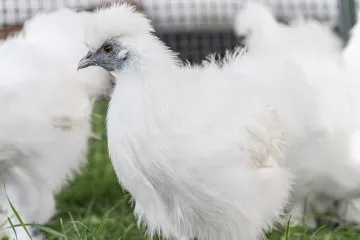
What truly sets the Sultan apart is its collection of highly developed ornamental features—arguably more distinguishing characteristics than any other chicken breed. The entire bird is typically covered in brilliant white feathers, which is the only color officially recognized by the American Poultry Association for standard Sultans.
The head is the focal point:
- Crest: A large, dense, and puffy feather mass sits atop the head.
- Beard and Muffs: Full feathering surrounds the face, forming a beard beneath the beak and distinct muffs on the cheeks.
- Comb: Hidden beneath the crest is a small V-shaped comb, sometimes referred to as a horn comb.
- Nostrils: They possess large, noticeable nostrils, which are unusual among many breeds.
Moving down the body, other unique traits include:
- Stance and Wings: Sultans carry themselves with an erect bearing, and their wings are held low toward the ground, often obscuring the upper thighs and hocks. This posture has led to comparisons with tiny, formal dancers.
- Hocks: They exhibit vulture hocks, meaning the quill feathers growing from the hocks are stiff and project backward.
- Feet: Their legs and feet are heavily feathered, a trait that contributes significantly to their care needs. Most striking is their foot structure: they possess five toes on each foot, a trait known as polydactyly, unlike the standard four toes seen in most chickens. The shanks and toes beneath the plumage are characteristically slate blue.
# Weight Classification
When classified by size, the Sultan often sits in an interesting middle ground. They are categorized as a Large Fowl breed, yet they are simultaneously noted as being the smallest of the large breeds. A standard Sultan rooster weighs approximately 6 pounds, with hens around 4 pounds. A bantam version also exists, with roosters around 26 ounces and hens around 22 ounces.
This position—being large fowl that is small for that category—speaks volumes about their breeding history. They occupy a space defined by aesthetic value, not utility weight. Unlike true utility breeds such as Cochins or Brahmas, which are heavy and bred for meat, the Sultan’s size is secondary to its ornamentation. It is vital to recognize that their lighter frame, combined with the added weight and drag of profuse feathers, means they are not built for rugged farm work or rapid movement.
# Temperament and Companionship
The historical association with royalty seems to have instilled a gentle disposition in the Sultan breed. They are consistently described by keepers as sweet, calm, docile, and friendly. They are reportedly affectionate, enjoying being held and petted, which makes them highly appealing as pets. George O. Brown noted their contented nature upon their arrival in America. They are also known for being quite vocal, described as "chatty" or constantly "talking," though generally not loud. This curiosity and tameness contribute to their suitability for handling by poultry judges in show settings.
However, this docility is a double-edged sword in a mixed flock. Because Sultans do not naturally stand their ground against aggressive behavior, they become prime targets for bullying from more assertive breeds. Even non-aggressive curiosity from other hens—pecking at a shiny crest or beard feather—can lead to injury, bleeding, and worse. If keepers notice the birds seem nervous or jumpy, it is often an indication that their vision is being severely obstructed by their own feathering, suggesting a need for careful trimming. Therefore, a successful owner must pair Sultans only with other gentle breeds, such as Silkies, or house them separately. They are also considered capable fliers, despite their heavy feathering, requiring fencing up to two meters high to prevent escapes from open yards.
# Essential Care
The features that make the Sultan a show bird are precisely what demand the highest level of commitment from their caretakers. Their beauty is inseparable from their fragility, particularly concerning weather and moisture.
# Cold and Wet Weather Risks
The breed tolerates heat relatively well, provided they have shade and fresh water. Their tolerance for cold, however, is very poor, especially when their feathers become wet. The extensive feathering on their legs and feet readily soaks up mud and moisture. If temperatures drop, this moisture can lead to frostbite, a painful condition that can result in the loss of toes or legs. Similarly, the large crest feathers can become wet and freeze, causing frostbite on the comb. A common and heartbreaking anecdote among keepers involves Sultans losing appendages to simple winter conditions.
This vulnerability necessitates strict environmental control. It is crucial to maintain runs that stay extremely clean and dry. Given that they are poor foragers and dislike standing in wet ground, confinement in a covered, dry run is almost always necessary.
One essential piece of management for owners of highly feathered breeds like the Sultan is managing their water source. Because they are so prone to getting water soaked on their faces and crests, relying solely on open water dishes can be hazardous, especially in colder months where wet feathers lead to rapid chilling or freezing. Consider implementing a nipple-based watering system or using elevated dishes; this reduces the chance of a bird dunking its entire head while drinking, which is a common pathway to a frozen crest and subsequent injury. This preventative step goes a long way toward mitigating their most severe environmental risk.
# Foraging and Diet
Sultans are not aggressive foragers, preferring to scratch less than many other breeds. While they will consume insects and seeds, their diet should largely consist of commercial chicken feed, ideally one rich in protein. Owners report that Sultans tend to prefer fruits over vegetables when offered treats. Because they are not vigorous foragers, they adapt well to smaller enclosures, provided those enclosures meet their necessary dryness criteria.
# Rarity Status
Despite their storied past in royal courts, the Sultan remains one of the rarest breeds today. In the United States, The Livestock Conservancy lists the Sultan as Threatened. Globally, some sources place them in the Critically Endangered category, estimating fewer than 1,000 individuals remain worldwide. The UK’s Rare Breeds Survival Trust notes that their entire national flock descends from that singular importation in 1854, maintained through careful stewardship by breed enthusiasts.
For the dedicated keeper, raising Sultans offers a unique opportunity to assist in preserving avian history. They are poor layers, yielding only about 50 small white eggs annually, and hens are notoriously non-sitters, which further complicates flock maintenance without artificial incubation. The demanding care regimen required for these fragile beauties—protection from weather, separation from bullies, and vigilance regarding their sight—means they are best suited for experienced poultry fanciers who value ornamental beauty above all else. They are truly birds for the enthusiast who desires a living piece of Ottoman history under their care.
Related Questions
#Citations
Sultan Chicken - The Livestock Conservancy
Sultan chicken - Wikipedia
Sultan chickens: Beautiful and exotic pets who require royal treatment
Sultan For Sale | Chicken Breeds - Omlet
Sultan Chickens - Breeds of Livestock - Oklahoma State University
Sultan | Rare Breeds Survival Trust
Sultan - My Pet Chicken