What exactly is a sea cockroach?
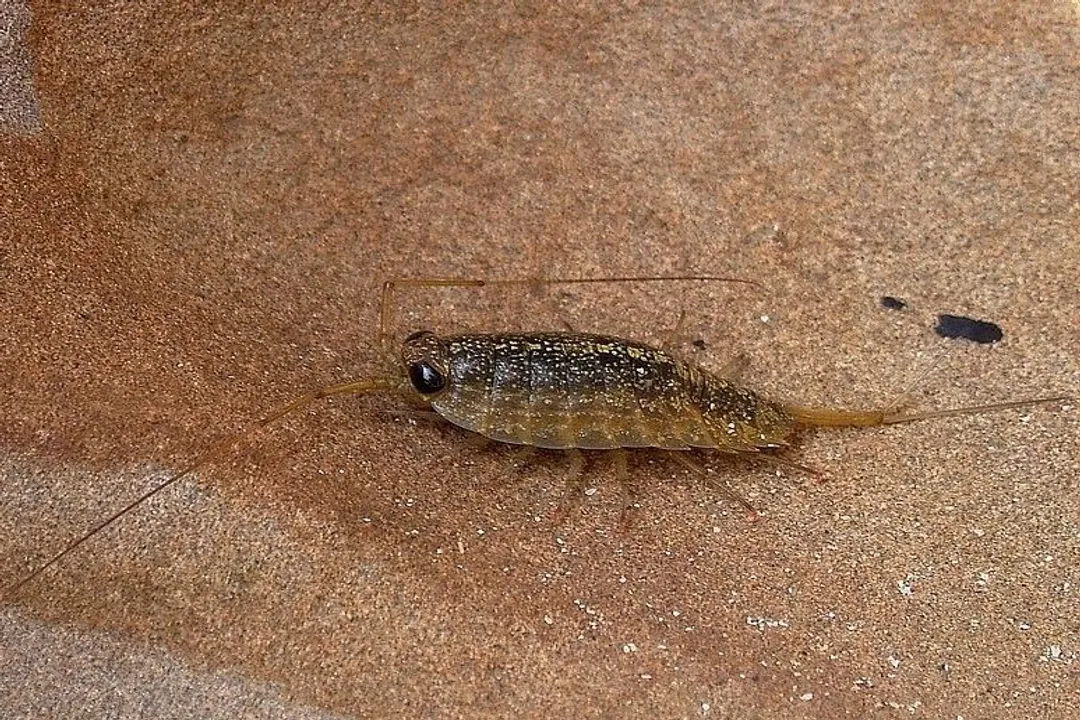
The term "sea cockroach" is one of those phrases in nature that sounds instantly unsettling, conjuring images of giant, scurrying pests inhabiting the ocean depths. However, this common moniker actually refers to more than one type of marine creature, leading to considerable confusion between two very different groups of crustaceans. To clear up the mystery, understanding the sea cockroach requires looking both toward the deep abyssal plains and the tide lines of our coasts.
The confusion stems from the fact that the label can apply to the massive, often deep-sea dwelling Giant Isopods (like Bathynomus giganteus), or the much smaller, shore-hugging crustaceans belonging to the genus Ligia, commonly known as sea slaters or sea roaches. While both are crustaceans, belonging to the order Isopoda, their lifestyles, sizes, and habitats are worlds apart.
# Two Main Groups
The most visually dramatic creature associated with this name is the Giant Isopod. These animals are famous for their imposing size, sometimes reaching lengths of over 30 centimeters. They are deep-sea scavengers, adapted to the crushing pressures and scarce food supplies found far beneath the surface.
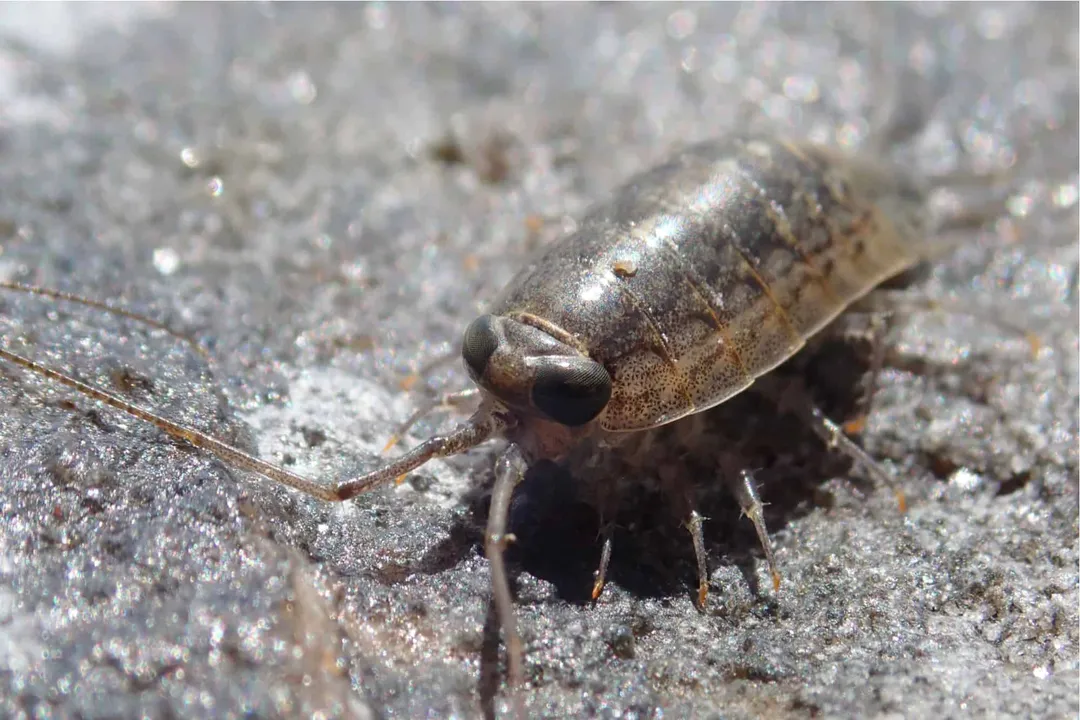
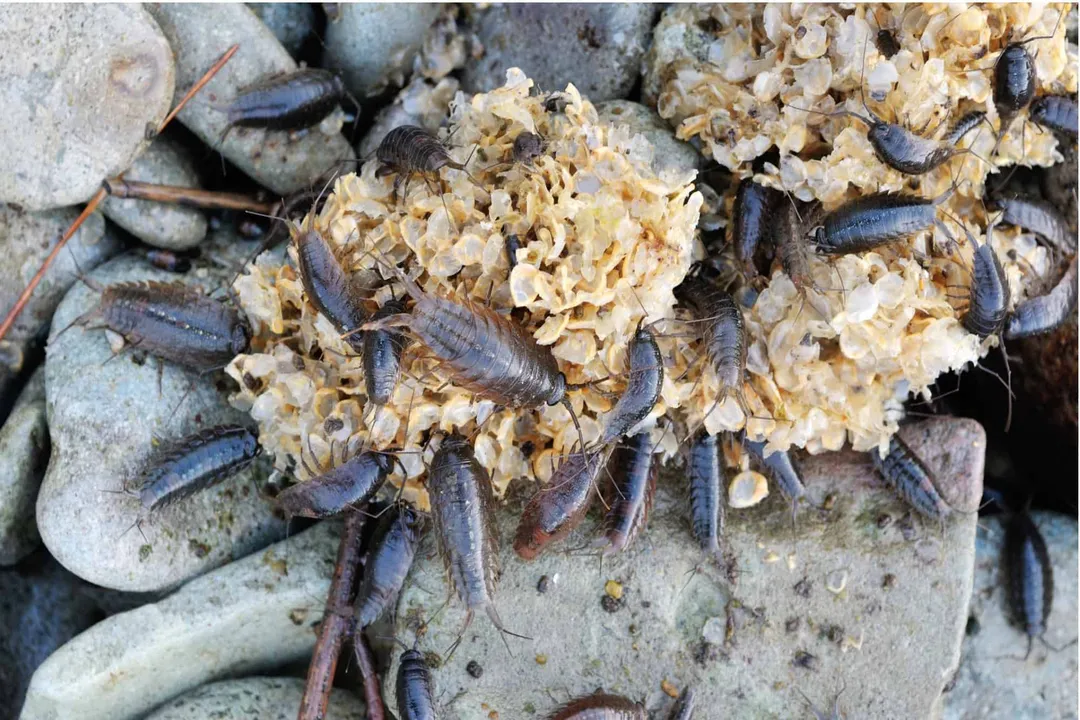
On the flip side, the term "sea cockroach" often refers to the creatures you might actually find while beachcombing near coastal rocks or jetties. These are the sea slaters, members of the genus Ligia. Species like Ligia oceanica are known as sea slaters, and Ligia exotica is another widespread example found in various coastal areas. Unlike their deep-sea cousins, these animals live in the intertidal zone, scavenging on algae and decaying matter along rocky shores, often being seen scurrying away when disturbed.
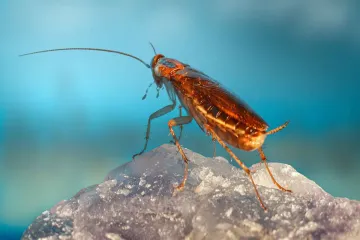
It’s important to note that neither of these creatures is a true cockroach; they are not insects. True cockroaches belong to the insect order Blattodea, whereas sea cockroaches are segmented marine crustaceans. The superficial resemblance—perhaps due to an oval body shape or simply their scavenging habits—is where the common name originates.
# Giant Isopods
The deep-sea Giant Isopods are arguably the most awe-inspiring of the group. They are the largest known members of the order Isopoda, which also includes the common terrestrial pill bug or roly-poly. Their habitat is generally the cold, dark regions of the ocean floor, often at depths reaching thousands of meters.
Their survival strategy in such an extreme environment is characterized by extreme patience. These scavengers wait for large food falls, such as dead whales or fish, to reach the seabed. Because meals are infrequent, they possess incredible physiological adaptations allowing them to survive long periods without eating—sometimes years. They have very slow metabolisms, a key adaptation for life in the food-scarce deep ocean.
When one of these massive isopods is encountered, such as a Bathynomus giganteus, the impression can be striking. Some accounts describe observing them being opened, revealing their inner structure. While they are often described as "creepy" by observers unfamiliar with them, their existence represents a remarkable example of deep-sea gigantism.
# Size Comparison Example
To put their size into perspective, consider this comparison: a common terrestrial isopod, like the common woodlouse, rarely exceeds an inch in length. In contrast, a large Giant Isopod can easily exceed a foot in length. This scaling difference between the coastal Ligia (often only a few centimeters long) and the deep-sea Giant Isopod highlights why the term "sea cockroach" covers such a broad range of perceived strangeness.
# Coastal Sea Slaters
The creatures encountered more frequently by humans are the coastal isopods, the sea slaters. These are swift-moving crustaceans that prefer damp, dark places on the shore, such as under rocks, seaweed, or wooden structures near the water line.
A notable species is Ligia exotica, which has a wide distribution, often found in harbors and near human settlements in tropical and subtropical regions. Another common one is Ligia oceanica, frequently found around the coasts of the UK. Unlike the deep-sea giants that are entirely aquatic, sea slaters are amphibious. They breathe using specialized gills, so they must stay near moisture, but they can survive out of the water for extended periods, even running quickly across dry sand or rocks.
# Locomotion and Habitat
Sea slaters exhibit a distinct behavior when startled: they move incredibly fast to find cover. Video footage of beachcombing often captures this rapid escape as the creatures dart away from the disturbance. Their speed and tendency to hide under debris are why they might resemble terrestrial pests to some observers.
Their diet in the intertidal zone consists mainly of decomposing organic matter, such as washed-up detritus and algae growing on rocks. This role as a clean-up crew is vital for the immediate coastal ecosystem.
| Feature | Giant Isopod | Sea Slater (Ligia spp.) |
|---|---|---|
| Primary Habitat | Deep ocean floor (Abyssal Zone) | Intertidal zone, rocky shores |
| Typical Size | Can exceed 30 cm | Usually a few centimeters |
| Water Dependency | Fully aquatic | Amphibious (needs moisture) |
| Diet Strategy | Infrequent, large scavenger (feast/famine) | Regular scavenger of detritus/algae |
# Visual and Naming Confusion
The initial perception that leads to the "cockroach" label is understandable, especially when observing the larger isopods. The body structure of isopods involves a segmented body plan and protective overlapping plates, which can evoke comparisons to the terrestrial insects we are accustomed to avoiding.
However, the physical differences are profound when examined closely. Isopods possess seven pairs of legs, reflecting their crustacean lineage, whereas insects have only three pairs. Furthermore, isopods possess two pairs of antennae, a feature distinguishing them from most insects. Even the coastal Ligia species, while resembling a bulky, flattened cockroach running across the rocks, is fundamentally structured as a crustacean.
The sheer scale of the deep-sea varieties often leads to sensationalized descriptions online, sometimes focusing on the "creepiest" aspects of their appearance in the context of deep-sea fauna. In contrast, the Ligia species are often the subject of interest for those exploring shorelines, being noted for their surprising speed.
# Human Encounters and Use
Human interaction with sea cockroaches varies drastically depending on which type is being discussed. The large, deep-sea Giant Isopods are rarely encountered by anyone outside of specialized deep-sea research or trawling operations. Their primary relevance to humans is often academic or anecdotal, sometimes appearing in specialized seafood markets or documentaries.
The coastal sea slaters, however, have more direct contact with people. In various parts of Asia, for instance, massive sea cockroaches are sometimes present in large numbers and are reportedly consumed as food, with videos documenting this culinary aspect. This potential for consumption distinguishes them greatly from their deep-sea relatives, which are not widely known for culinary use.
For the amateur naturalist or beachcomber, finding a Ligia species is a common occurrence. They are excellent indicators of a healthy, albeit messy, intertidal zone, as their presence means there is plenty of decaying organic material for them to process. If you are observing them in the wild, remember that they are sensitive to desiccation. A good way to observe them without causing lasting harm is to gently lift a rock or piece of debris, observe their immediate reaction, and then replace the cover quickly to restore their dark, moist microhabitat.
It is worth contrasting the behavior of the two groups when disturbed, as this speaks to their ecological niche. When a Giant Isopod is found, it is likely dead or dying, or perhaps found during a deep-sea sample retrieval, requiring specialized handling. Conversely, disturbing a Ligia simply means it has lost its camouflage and protection from drying out and predators, prompting an immediate, energy-intensive sprint for new cover. This immediate, observable dash is a key experience for anyone exploring the shoreline where they reside.
# Isopoda Diversity Overview
The group that encompasses both the sea cockroach types—the Isopoda—is incredibly diverse, illustrating nature’s tendency to adapt a basic body plan to wildly different environments. This order includes freshwater isopods, terrestrial pill bugs, and parasitic forms, in addition to the marine giant and coastal scavengers.
The specific characteristics of Ligia species, such as L. exotica, show specialized adaptations for coastal life, including larger, more prominent eyes compared to many other isopods, which helps them navigate the brighter, more complex shoreline environment compared to the perpetual darkness of the deep sea. It’s a clear case of convergent evolution giving them that "cockroach" look, but their seven pairs of legs firmly plant them in the larger group of crustaceans. Understanding this fundamental biological classification helps demystify the creatures, moving them from the realm of "giant sea pests" to fascinating examples of marine adaptation.
#Videos
Massive Sea Cockroaches Are Taking Over Asia! The ... - YouTube
Related Questions
#Citations
Cockroaches of the sea - Wikipedia
Opening a Giant Sea Cockroach! - Facebook
Creepiest giant Sea 'Cockroach' in the ocean. These species have ...
Massive Sea Cockroaches Are Taking Over Asia! The ... - YouTube
What are sea roaches? - Quora
Sea slater | The Wildlife Trusts
Sea Roach - Ligia exotica - A-Z Animals