Can you keep a sea toad as a pet?
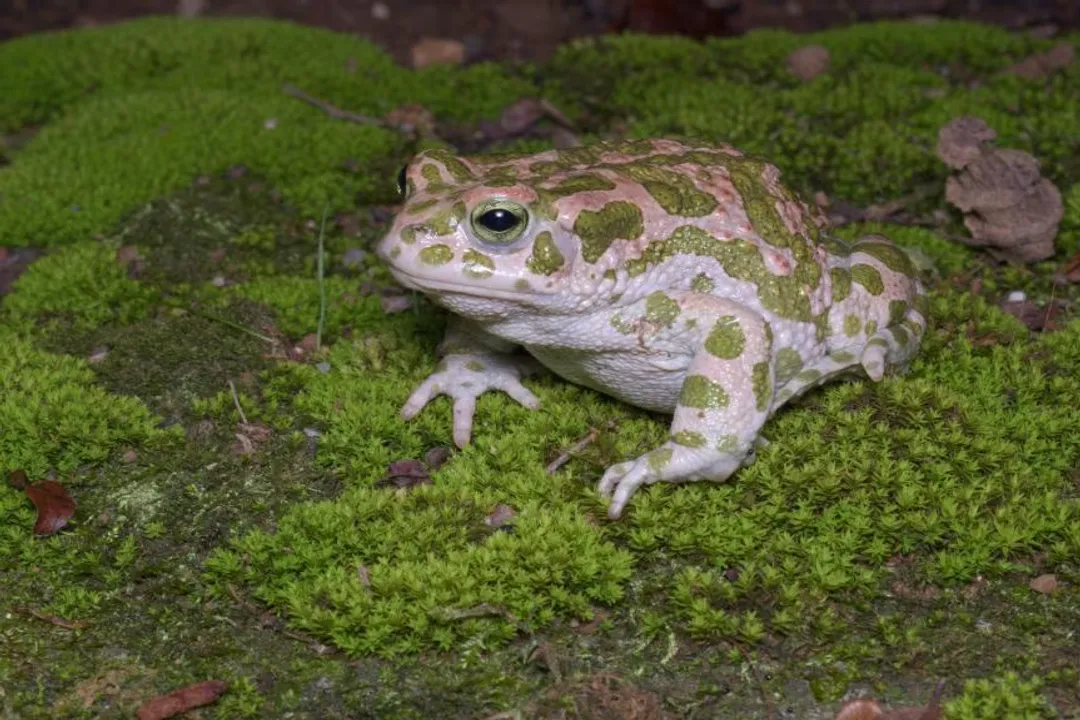
The feasibility of keeping a so-called "sea toad" as a pet is complicated, largely because the term itself can refer to several very different amphibians, some of which pose significant challenges or are outright dangerous for the average hobbyist. [1][2] Often, when hobbyists refer to a "marine toad," they are actually referencing the Rhinella marina, commonly known as the Cane Toad or Giant Toad, a species notorious for its size and potent defensive secretions. [1][6] Conversely, a truly aquatic amphibian sometimes sought after is the Surinam Underwater Toad (Pipa pipa), which spends its entire life submerged. [2] Understanding which toad you are considering—a terrestrial giant or a fully aquatic species—is the first critical step, as their care requirements diverge dramatically. [2][6]
# Toxin Danger
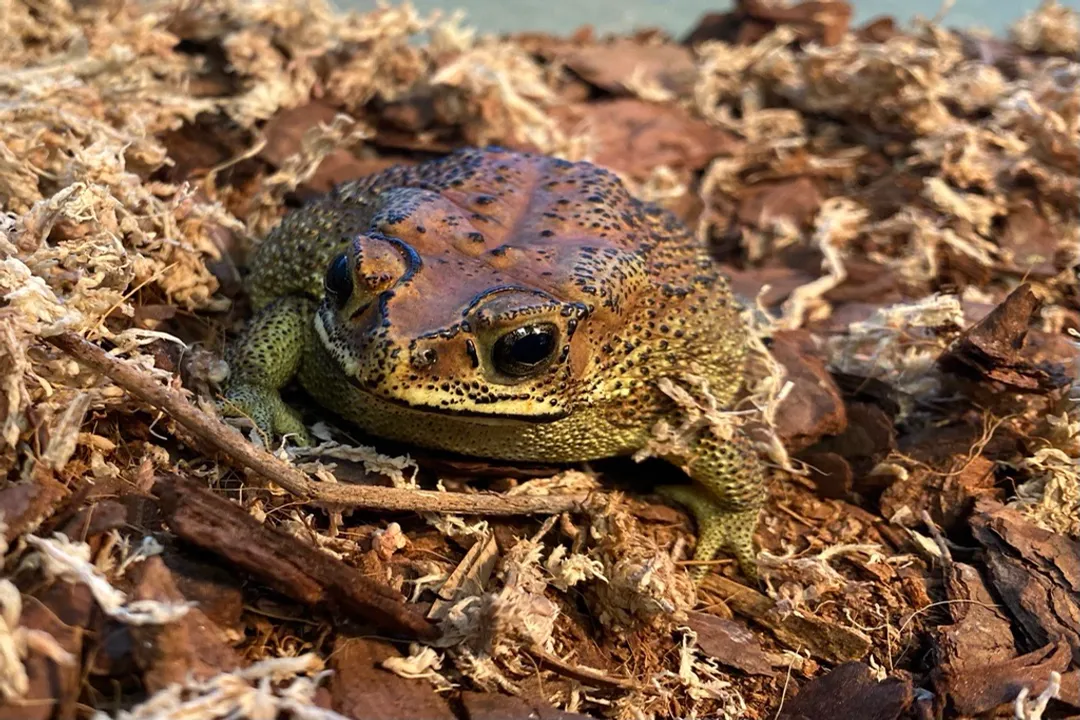
The primary hurdle for keeping many large toads, especially the Cane Toad, is their inherent toxicity. The Cane Toad (Rhinella marina) possesses large parotoid glands located behind the eyes that secrete a milky substance known as bufotoxin when the toad is stressed or bitten. [6][7] This toxin is extremely dangerous; if ingested or absorbed through mucous membranes, it can cause severe illness or even death in dogs, cats, and other predators. [6][7] Even handling these amphibians requires significant caution. While direct skin contact with an intact toad is generally safe for humans if you wash your hands immediately afterward, owners must be meticulous about hygiene. [7] Any scratch or cut on the handler’s skin could allow for absorption, necessitating the use of gloves when cleaning enclosures or interacting with the animal. [7] If you have other pets in the home, the risk associated with housing such a toxic species often outweighs the benefits of ownership. [1]
# Terrestrial Housing Needs
For large, terrestrial toads like the Cane Toad, enclosure size is a non-negotiable factor. These are not animals suited for small glass tanks; they grow to considerable sizes, sometimes exceeding eight inches. [6][7] A proper habitat must accommodate this bulk, offering significant floor space rather than vertical height, as they are primarily ground-dwellers. [6][7] While an adult Cane Toad requires a large terrarium, it is important to note that young toads or smaller species might start in smaller setups, though this need for space increases rapidly with age and size. [9]
The substrate should allow for digging and moisture retention, mimicking their natural environment. [6] Proper temperature gradients are also vital for amphibians to regulate their body heat. [9] Most toads require a warm basking spot, though their specific needs vary by species and geographic origin. [7][9] For instance, while some species might thrive around 75 to 85 degrees Fahrenheit during the day, this must be balanced with appropriate nighttime drops. [7]
Water quality is another fundamental requirement. Even terrestrial toads need access to clean, dechlorinated water for soaking and hydration. [9] Amphibians absorb water and oxygen through their skin, making water purity paramount; chlorine and chloramine found in tap water can be harmful or fatal. [4][9] Changing the water frequently is a necessary maintenance task. [9]
# Aquatic Toad Care
A completely different set of requirements applies if you are considering an amphibian that lives entirely underwater, such as the Surinam Underwater Toad (Pipa pipa). [2] These toads are fascinating but demand specialized, fully aquatic care, meaning no land area is required or desired. [2]
The Pipa pipa requires a substantial volume of clean, dechlorinated water. Because they remain fully submerged, water quality management becomes even more critical than for terrestrial species, often requiring significant filtration to handle waste buildup. [2] Temperature control in a fully aquatic setup must be precise, as rapid shifts can stress the animal. [2] Furthermore, their feeding behavior is unique; they rely on ambush hunting and tend to stir up substrate when lunging for food, which further complicates maintaining water clarity. [2] Unlike many other pets where observation is easy, the Surinam Toad is known for hiding, often burying itself entirely in soft substrate, making health checks less straightforward. [2]
# Dietary Considerations
Feeding any pet toad involves providing appropriate-sized prey items that offer full nutritional value. Toads are carnivores, feeding mainly on insects and other small invertebrates. [4] For a large toad like the Cane Toad, the diet needs to be substantial enough to maintain its bulk. [6]
A common pitfall in amphibian keeping is an improper diet leading to nutritional deficiencies, most notably Metabolic Bone Disease (MBD). [4] This is often remedied by dusting feeder insects with calcium and vitamin supplements. [4] It is crucial to ensure that the feeder insects themselves are gut-loaded—fed nutritious food shortly before being offered to the toad—so that the nutrition passes along to the amphibian. [4] The general rule is that the prey item should not be larger than the space between the toad's eyes. [9]
When considering the sheer size of species like the Cane Toad, one must calculate the long-term cost and availability of appropriately sized, gut-loaded feeder insects necessary to sustain an animal that can weigh well over a pound. [6] A common hobbyist might easily underestimate the quantity of food needed for a truly giant toad versus a small tree frog. [4]
# Legal and Ethical Ownership
Before acquiring any toad, especially one as ecologically significant and sometimes invasive as the Cane Toad, checking local, state, and federal regulations is mandatory. [6] In many areas, the importation, possession, or breeding of Rhinella marina is strictly prohibited due to its history as a destructive invasive species in places like Australia and Florida. [6][7] Being unaware of these laws can lead to fines or mandatory confiscation of the animal. [6] Even if legal in your jurisdiction, the ethical implications of owning an extremely toxic, non-native species must be weighed. [7]
For example, while one source discusses detailed care for the Cane Toad, [7] it also inherently suggests the commitment required for a potentially destructive species. If an owner were to accidentally release such an animal, it could establish a breeding population with devastating effects on native wildlife, as they consume almost anything they can fit in their mouths. [6] This contrasts sharply with keeping native, smaller toad species, where environmental impact is much lower. [4]
# Comparing the Commitment Levels
The commitment level for keeping various toads varies widely, presenting a spectrum of responsibility for potential owners. To illustrate this, one can compare the needs of a readily available, smaller species versus the challenging Cane Toad.
| Feature | Small Terrestrial Toad (General) | Cane Toad (Rhinella marina) | Surinam Toad (Pipa pipa) |
|---|---|---|---|
| Toxicity | Low to moderate; usually only irritating | Extremely High (Bufotoxin) | Low (Standard skin secretions) |
| Adult Size | Typically 2–4 inches | Up to 8–10 inches | Up to 5 inches |
| Housing Style | Terrestrial/Semi-aquatic terrarium | Very large, secure terrestrial setup | Fully aquatic tank |
| Handling | Minimal, but advisable to use gloves | Avoid if possible; requires gloves | Do not handle; stress risk |
| Legal Risk | Generally low if native | High; often banned/regulated | Moderate; less invasive globally |
This comparison highlights that moving from a standard pet toad to a Cane Toad shifts the focus from basic husbandry to extreme risk management and legal compliance. [1][6][7] Similarly, shifting to the Pipa pipa means abandoning the terrestrial setup entirely for complex water management. [2] If one is new to amphibian keeping, starting with a small, native toad, or even a more common aquatic frog species, allows for learning the fundamentals of diet and water chemistry without the immediate danger posed by potent toxins or the logistical nightmare of housing a massive, invasive animal. [4][9]
For those new to amphibians, the learning curve is steep regardless of the species chosen. You must constantly monitor humidity, temperature, water parameters, and prey availability. [4][9] An interesting point often overlooked by beginners is the sensitivity of an amphibian’s skin to chemicals found even in household cleaners used near the enclosure; residue left on hands or cloth can be absorbed rapidly by the toad. [4] This means that preparation before even entering the animal’s space—washing hands with plain water, ensuring surfaces are clear—is a foundational step for any keeper, regardless of whether they manage a mildly irritating species or a lethally toxic one. The diligence required for amphibian care is often underestimated because their needs are so specific to their permeable skin and ectothermic nature. [4]
If the goal is simply to observe an interesting amphibian behavior, sometimes observing wild populations through responsible spotting and photography can offer enjoyment without the long-term commitment and risk associated with captive care, particularly for species like the Cane Toad which thrive in specific, often tropical or subtropical, captive environments that are hard to replicate safely. [5] Ultimately, keeping a "sea toad"—be it the massive, toxic Cane Toad or the fully aquatic Surinam Toad—requires significant expertise, resources, and a deep understanding of amphibian biology and local laws. [2][7]
#Videos
Complete Cane Toad Care Guide | the best pet ... - YouTube
Related Questions
#Citations
Marine toad pet : r/Toads - Reddit
Caring For The Surinam Underwater Toad - Reptiles Magazine
Complete Cane Toad Care Guide | the best pet ... - YouTube
Frogs as pets - Tetra
Any tips for caring for pet toads? - Facebook
Cane Toad Care Sheet - Dubia.com
Cane Toad Care sheet - Bufo Marinus - The Amphibian.co.uk
Asian Common Toad (Ambassador Animal) | Seneca Park Zoo
Pet Toad Care Sheet - PetMD