What exactly is a Marmota?
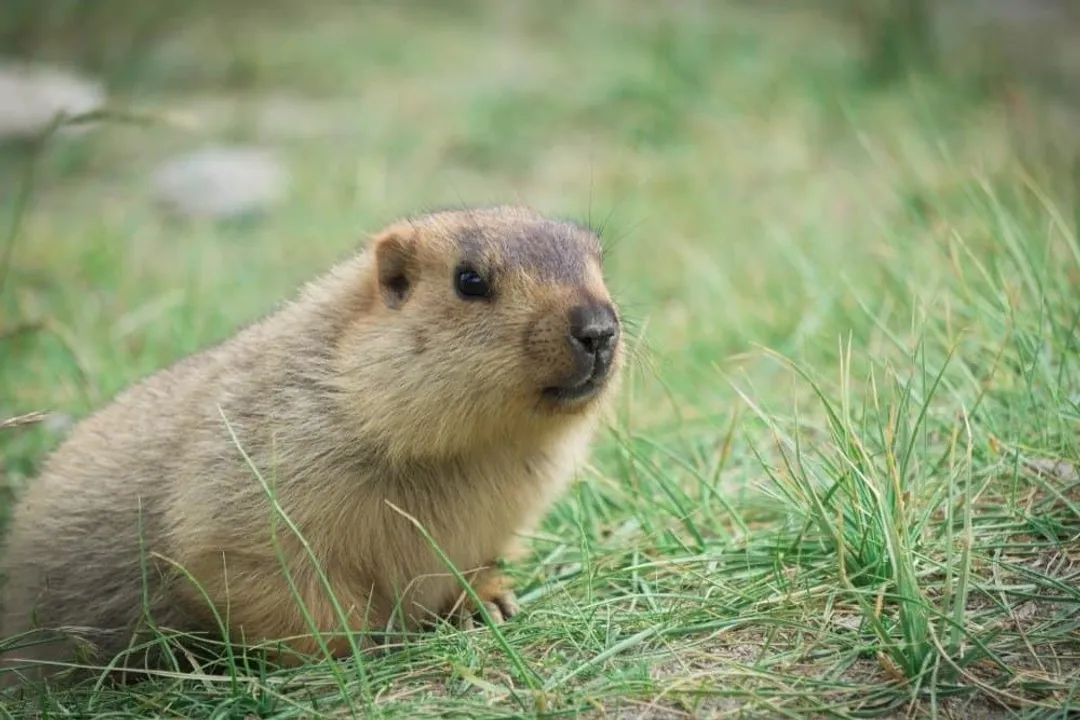
The term "Marmota" refers to a specific genus of large, ground-dwelling rodents that are certainly among the most charismatic mammals inhabiting high-altitude and open grassland ecosystems across the Northern Hemisphere. While many people recognize them as chunky, whistling squirrels, these animals possess a complex biology centered around thriving in environments that demand extreme energy conservation and social vigilance. They are not just oversized squirrels; they are specialists whose entire life cycle revolves around surviving long, harsh winters deep underground. [1][2]
# Scientific Naming
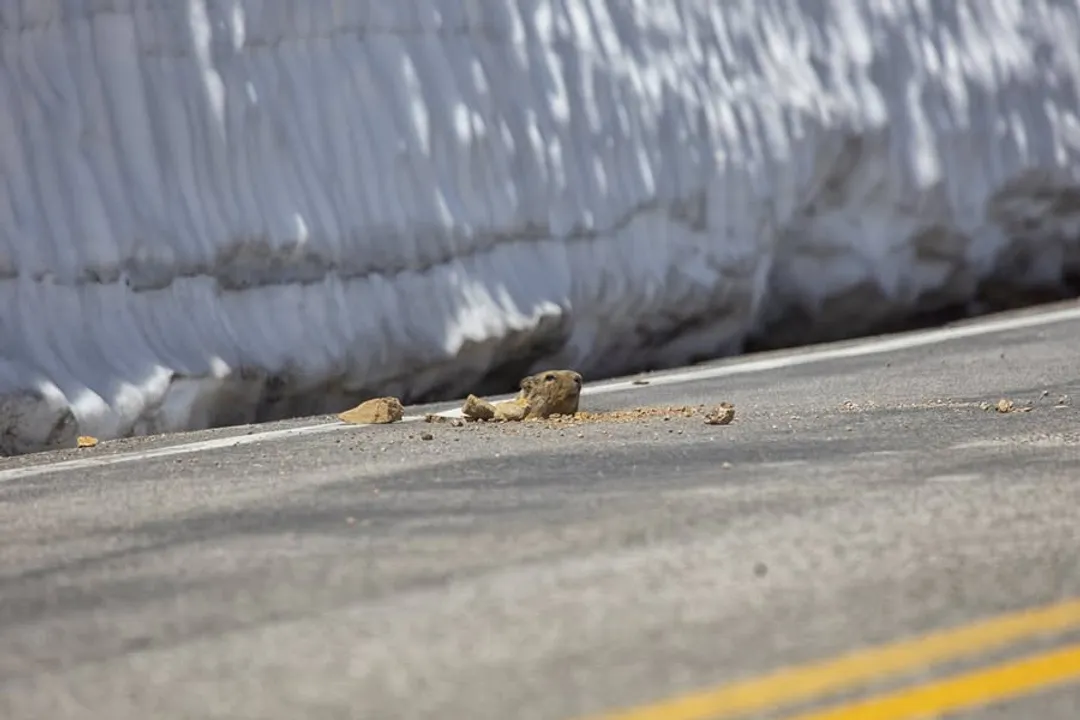
Scientifically, marmots belong to the genus Marmota. [9] This classification places them squarely within the family Sciuridae, which encompasses all squirrels, including tree squirrels and chipmunks. [1][2] Being rodents, they share the characteristic of possessing continuously growing incisor teeth that must be worn down through gnawing. [5] There are roughly fifteen recognized species within the Marmota genus, spread across various continents. [1][2] A classic example often studied is the Alpine Marmot, Marmota marmota. [3]
# Physical Form

Marmots are generally the largest members of the squirrel family. [1] Their build is characteristically stout, featuring short, powerful legs suited for digging rather than arboreal climbing. [3] Adult sizes vary significantly between species, but a typical marmot might weigh between 2 and 8 kilograms (about 4.4 to 17.6 pounds), though some larger varieties exist. [1][2] Their fur density is substantial, necessary for insulation against cold temperatures, and color palettes usually range from brown or gray to reddish-brown, often offering excellent camouflage against rocky or earthen backgrounds. [3][5] One distinguishing feature, compared to some other ground squirrels, is their relatively short, bushy tail. [1]
If you picture a marmot in your mind, you are likely imagining an animal that looks built low to the ground, designed for stability and excavation rather than speed across open plains, though they can certainly move quickly when necessary to escape predation. [5]
# Burrow Systems

A marmot’s existence is intrinsically linked to its subterranean home. These animals are prolific diggers, creating intricate networks of tunnels known as burrows. [3] These systems are not simple holes; they are sophisticated structures designed for defense, raising young, and, most importantly, hibernation. [1]
A single colony might maintain multiple entrances and exits to their main burrow, often concealed under rocks or dense vegetation for protection. [3] The tunnels themselves typically descend below the frost line to ensure a stable temperature throughout the winter months when the animals are completely inactive. [1] It is fascinating to consider the sheer amount of earth displaced by a single colony over many years; this constant digging activity is a silent, powerful way these creatures interact with their environment. This soil disturbance aerates the ground and mixes subsoil layers with surface material, effectively acting as natural, small-scale tilling, which can benefit surrounding plant life over time. [1][3]
# Dietary Habits
Marmots are almost exclusively herbivores. [1][3] Their diet centers around vegetation that grows in the alpine meadows and steppes they inhabit. This typically includes grasses, roots, seeds, flowers, and various herbaceous plants. [1][3][5] While primarily plant-eaters, they are not strictly vegetarian; they may occasionally consume insects, which provides a supplemental source of protein. [3][5] They must consume massive amounts of food during the active summer months to build up the necessary fat reserves to survive the prolonged winter dormancy. [1] This intense focus on foraging makes them sensitive indicators of local plant community health.
# Social Behavior
Marmot social structures vary widely, which is one reason researchers study them across different species. [1] Some species, like the Alpine Marmot, are highly social, living in colonies or family groups that can include several adults, subadults, and young offspring sharing a single burrow system. [3] Other species, such as the Olympic Marmot, may be more solitary or live in smaller pair-bonds. [1]
A crucial element of group living is vigilance. Because they spend so much time foraging in the open, they are highly vulnerable to predators like eagles, coyotes, and wolves. [5] To combat this, marmots are renowned for their loud, sharp warning calls—a high-pitched whistle that alerts the entire colony to danger. [1][5] When a threat is spotted, the caller often stands upright on its hind legs, maximizing visibility before signaling the retreat to the nearest bolt-hole. [1]
# Deep Sleep
Perhaps the most defining characteristic of the Marmota genus is its capacity for true hibernation. [1][2] This is not merely torpor; it is a state of profound physiological suspension necessary to endure months without accessing food reserves. [1]
During deep hibernation, which can last for many months—sometimes over half the year, depending on the latitude and elevation—a marmot's body undergoes radical changes. [1][2] Their heart rate can plummet dramatically, sometimes from 80 beats per minute down to as few as 5. [1] Simultaneously, their body temperature drops to just a few degrees above freezing, often hovering near ambient burrow temperature. [2][3] They periodically rouse themselves for short periods, likely to urinate or adjust position, before falling back into the deep state. [1] The massive amount of stored body fat is slowly metabolized throughout this period; the survival of the animal hinges entirely on the success of summer fat accumulation. [1] The efficiency required to sustain life on stored energy alone while lowering core temperature to near-freezing levels is one of nature's most remarkable metabolic feats, especially when compared to the lighter, shorter torpor periods seen in some smaller ground squirrels. [2]
# Species Diversity
While we speak of Marmota generally, the genus exhibits clear geographical separation and species variation. [1] They are found across North America, Europe, and Asia. [2] For instance, the Yellow-bellied Marmot (Marmota flaviventris) is common in the western United States and Canada, often found in rocky, mountainous terrain. [1] Conversely, the European Alpine Marmot is found in the mountain ranges of central Europe. [3] The sheer number of species means that behaviors, social structures, and hibernation lengths can differ based on the severity of the local climate the specific species has adapted to. [1]
It is important to recognize that while all Marmota share these basic traits—large ground squirrels that hibernate—their ecological specialization means that an Alpine Marmot in the European Alps is interacting with its environment in a slightly different way than a Vancouver Island Marmot, which faces unique pressures due to its highly restricted range and conservation status. [1][2]
#Videos
Marmot or Groundhog?: The Ultimate Rodents of the ... - YouTube
Related Questions
#Citations
Marmot - Wikipedia
Marmot | Rodent Adaptations & Behavior - Britannica
Marmota marmota (alpine marmot) - Animal Diversity Web
Yellow-bellied marmots, also known as whistle pigs - Facebook
Marmot Animal Facts - A-Z Animals
Marmota - an overview | ScienceDirect Topics
Nine things you didn't know about marmots - White Marmotte
MARMOTA Definition & Meaning - Merriam-Webster
Marmot or Groundhog?: The Ultimate Rodents of the ... - YouTube