Where do American cockroaches go during the day?
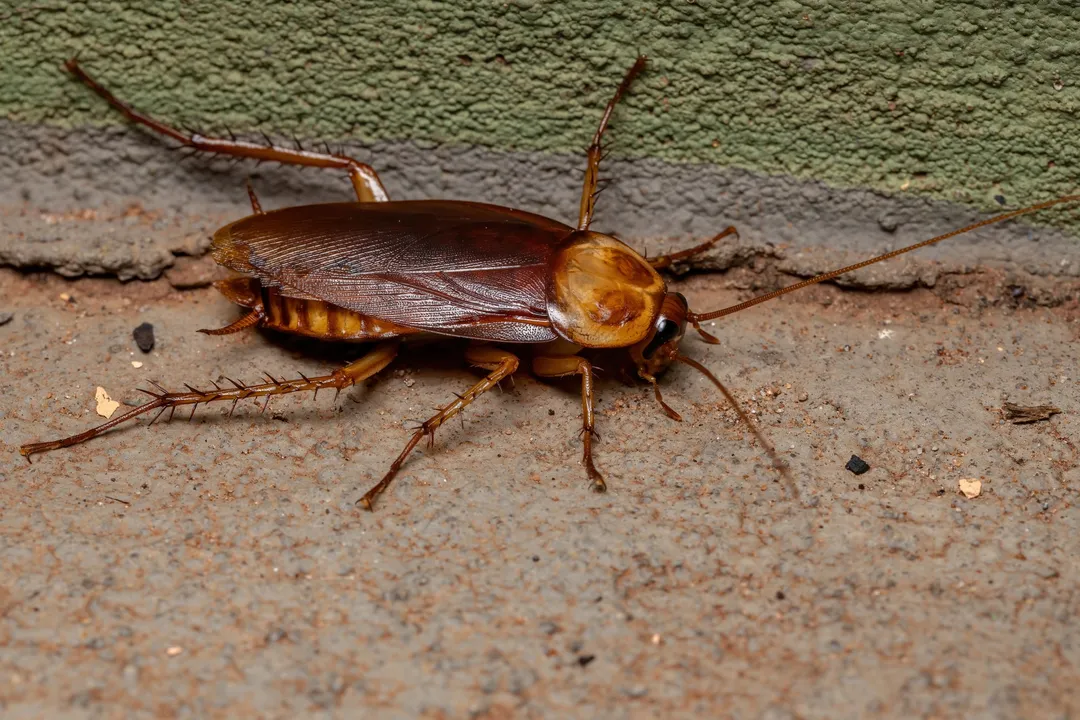
The American cockroach, often seen as the quintessential unwelcome night visitor, possesses a strong, almost militant dedication to remaining unseen during daylight hours. [9] These large, reddish-brown pests are masters of concealment, and knowing their daytime itinerary is the first step toward managing their presence around your property. For the most part, their daytime routine involves retreating deep into cool, dark, and humid shelters, allowing them to avoid both light and human activity. [1]
# Nocturnal Rhythms
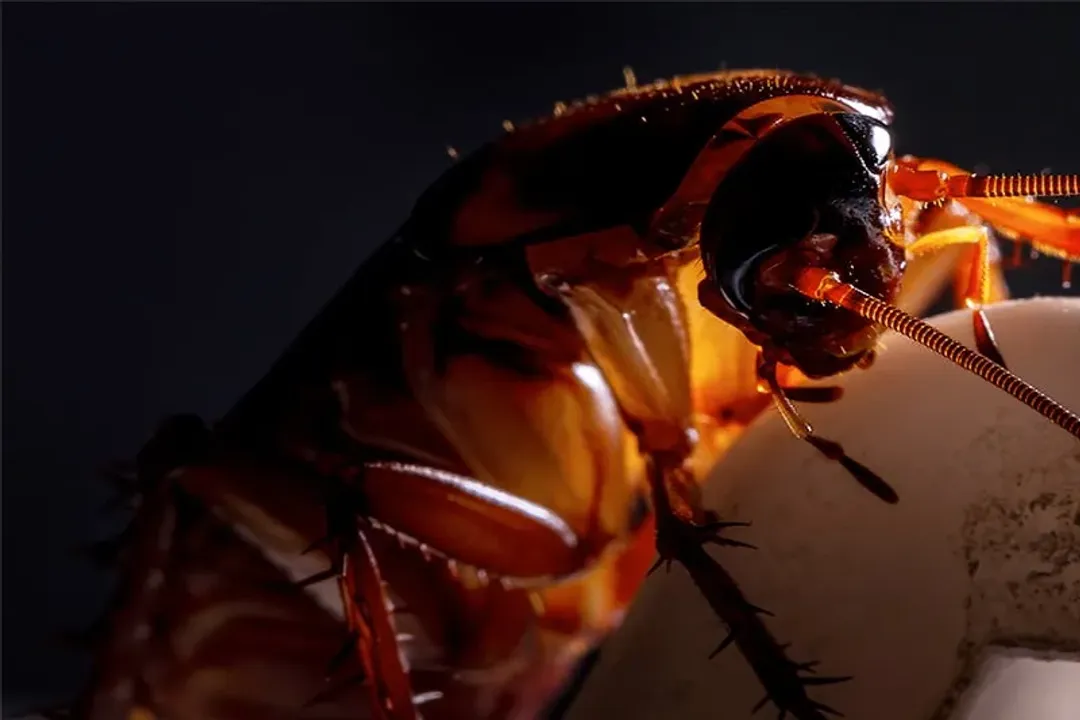
The fundamental reason we rarely encounter American cockroaches when the sun is up lies in their inherent biology: they are primarily nocturnal creatures. [9] This isn't a matter of preference; it’s a survival mechanism. Cockroaches possess an intense aversion to light, a behavior known as negative phototaxis. [1] When exposed to illumination, they instinctively scurry away to find immediate cover. [2] During the day, their energy is conserved, and their focus is entirely on resting in protected voids and cracks where environmental conditions are ideal for survival. [1] This period of inactivity is critical for their general well-being and population stability.
# Indoor Shelters
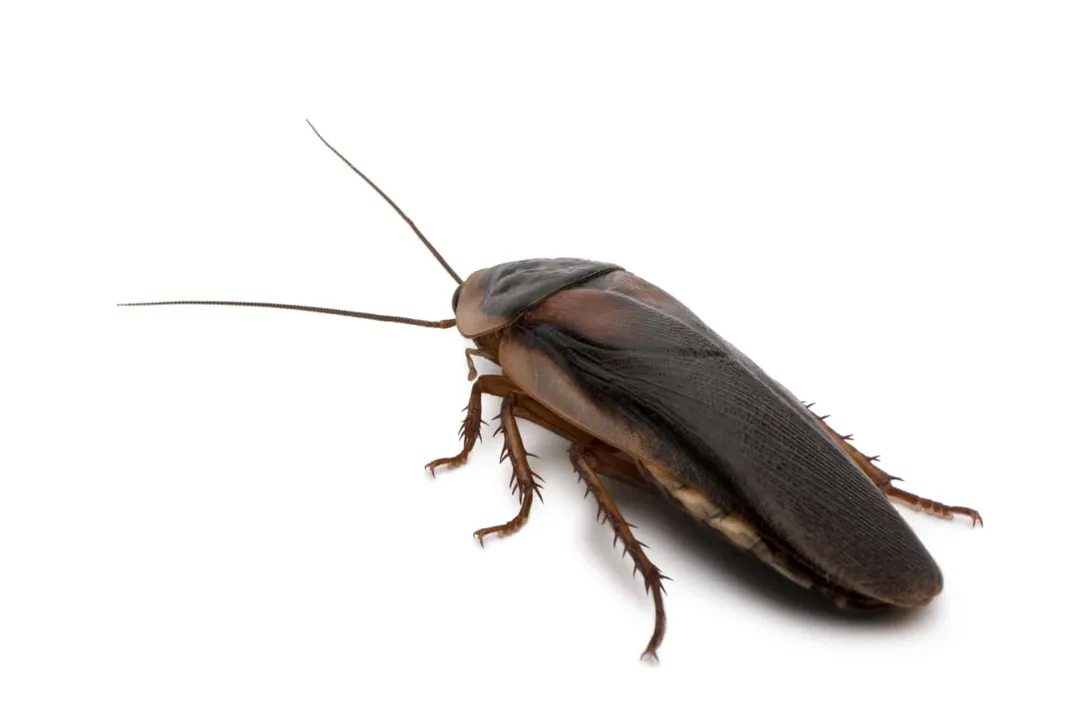
When American cockroaches choose to spend their day inside a structure, they seek out locations that mimic the damp, dark conditions of their natural habitats, such as beneath rotting logs or in burrows. [5][7] This means plumbing chases, boiler rooms, and the areas surrounding hot water pipes or steam lines are premium real estate for them, as these spots offer consistent warmth. [1]
Basements and cellars are frequently utilized during the day because they often provide the necessary level of darkness and the requisite moisture. [7] If you have older construction, look toward floor drains, especially those that might not be frequently used, as these can serve as direct access points from sewers and offer cool, damp daytime refuge. [1][3]
Beyond structural elements, common hiding spots inside a home include:
- Underneath large appliances: Refrigerators, stoves, and washing machines offer tight, dark spaces close to potential moisture sources like plumbing connections. [3]
- In utility spaces: Areas around water heaters, furnaces, and electrical conduits are attractive due to the residual heat they generate. [1]
- Cracks and Crevices: Any gap larger than a dime can become a temporary daytime hiding spot for smaller individuals or nymphs. [3]
It is insightful to consider that the quality of the interior environment dictates the density of the daytime population. A home with consistently dry foundations and well-sealed utility penetrations will offer far fewer suitable daytime retreats than one with a perpetually damp basement or crawlspace. [5] The cockroach's selection is less about where in the room, and more about the intersection of darkness, warmth, and humidity.

# Outdoor Sanctuaries
If the indoor environment is too dry or too frequently disturbed, American cockroaches will happily establish their daytime base of operations outdoors. [7][8] Their preferred outdoor locales share the same essential needs: shade, moisture, and protection from predators and the elements. [1]
Prime outdoor daytime retreats often include:
- Landscaping Materials: Piles of wood, mulch beds, or thick leaf litter adjacent to a foundation provide excellent insulation and retain moisture well into the day. [7][8]
- Under Porches and Decks: The dark, sheltered space beneath wooden structures, especially where soil remains damp, is highly desirable. [7]
- Drainage Systems: Entry points into sewer systems, manholes, and culverts are essentially year-round luxury resorts for these insects, providing perfect temperatures and humidity. [1]
- Utility Fixtures: Areas around exterior plumbing access points or utility boxes often retain moisture and offer darkness. [8]
One interesting behavioral note contrasts the indoor and outdoor preference. While they can live entirely outdoors, the presence of warm, moist, man-made structures—like sewers or basements—offers a year-round stability that is often superior to natural environments, particularly in colder climates. [5] This makes them such persistent structural pests; they are willing to integrate into our built environment for guaranteed warmth when outdoor conditions falter.
# Emergence Triggers
If they are so dedicated to hiding during the day, why might someone spot one active before dusk? Daytime sightings usually signal that something in the environment has shifted, prompting them to forage outside of their normal schedule. [9]
One key driver is overcrowding. If a favorable daytime harbor reaches its carrying capacity—too many roaches occupying too little space—the pressure forces individuals, often younger ones, to venture out prematurely in search of new territory or resources. [6] This explains why a single, bold daytime sighting can sometimes be a precursor to realizing you have a much larger infestation than previously thought. [6]
Other factors forcing daytime activity include:
- Severe Drought or Heat: Extreme dryness can deplete their daytime hiding spots of necessary moisture, forcing them to move toward sinks, tubs, or toilets in search of water. [1]
- Lack of Food: If their primary food sources dry up, survival instinct will override their light aversion, leading to daytime scouting missions. [9]
- Direct Disturbance: Construction, renovation, or even heavy cleaning that physically destroys their hiding places will send them fleeing into the open. [1]
If you only ever see one or two during the day, it might indeed be a scout, as one source suggests, or it could be an established individual that got disoriented or was forced out of a tighter cluster by jostling. [6] However, seeing multiple roaches actively moving in the daylight is a strong indicator of a high-density population that has outgrown its daytime capacity. [6]

# Locating the Daytime Base
To effectively manage American cockroaches, one must think like the roach seeking daytime shelter. Inspection should focus on identifying the pathways connecting their dark havens to their nighttime feeding grounds. [9]
Consider this diagnostic approach: If you find droppings or shed skins near a floor vent but see no activity in the main living area, the daytime roost is likely within the ductwork or the wall void immediately adjacent to that vent, provided there is moisture present. [3]
A helpful technique involves using indirect evidence to pinpoint the daytime zone. Instead of just looking for the roach itself, look for the conditions it craves:
| Condition | Indicator | Implication for Hiding Spot |
|---|---|---|
| Warmth | Hot water pipes, furnace proximity | Roost likely near this utility access. [1] |
| Moisture | Condensation on pipes, slow drains | Roost likely near sinks, tubs, or floor drains. [3] |
| Darkness | Unused storage areas, deep wall voids | Daytime activity is concentrated here, not on open floors. [2] |
The American cockroach is quite large, sometimes reaching lengths over an inch and a half. [5] This means that the cracks and crevices they seek must be sizable. Unlike smaller species that can exploit nearly invisible gaps, the American roach needs openings of at least one-quarter inch or more to move freely into wall voids or beneath baseboards. [3]
For homeowners dealing with exterior issues, sealing potential entry points after dark is less effective than addressing the daytime attractants. If you can eliminate the damp mulch pile next to the foundation or ensure outdoor drains are kept clear and dry, you remove the most appealing daytime hotel option, pushing them further away from the structure or encouraging them to seek less hospitable spots elsewhere. [8] If they can't find a secure, moist, dark spot near the house during the day, the likelihood of them choosing to live inside the dry foundation walls decreases significantly. This proactive environmental modification often yields better long-term results than relying solely on nocturnal treatments.
# Species Distinction and Habits
It is worth noting that the American cockroach (Periplaneta americana) has slightly different habits than some of its smaller relatives, like the German cockroach. While German cockroaches tend to stay tightly clustered near human food preparation areas indoors, the American cockroach is often associated more with sewer systems and the perimeter of buildings. [5][7] This preference for large, subterranean, moist environments reinforces why their daytime locations are often closer to ground level, plumbing infrastructure, or outdoors in mulch or woodpiles. [8] When they are found deep inside a structure during the day, it usually means the building's plumbing or foundation is providing conditions similar to their preferred sewer habitat. [1] Their massive size also makes them less likely to squeeze into small electrical outlets or cabinets unless the infestation pressure is extreme. [3] They prefer voids they can comfortably inhabit and move through, such as large pipe chases or open spaces under slabs.
Related Questions
#Citations
Where Do Cockroaches Hide Out During the Day?
Where do cockroaches go in the daytime?
Where Do Roaches Hide During the Day?
How to Identify and Kill American Cockroaches
American Cockroach - Plant & Pest Diagnostics
Why do we only see one Adult American cockroach appear ...
American Cockroaches: Facts, Information, and Treatment
How to Get Rid of Outdoor Roaches - Pests In The Home
When Do Roaches Come Out? | Roach Activity