What is a Beagle classified as?
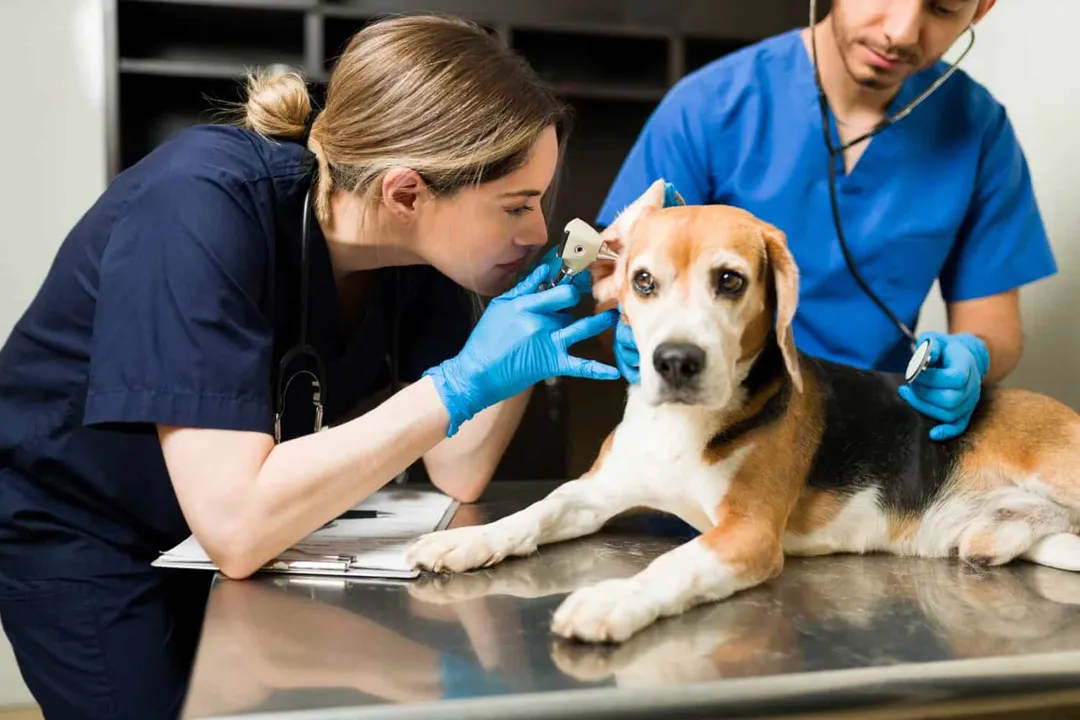
The Beagle stands as one of the most instantly recognizable canine companions globally, often greeted with affection for its expressive eyes and floppy ears. [1] Known widely as excellent family pets, this breed possesses a deep, documented history rooted in utility and partnership with hunters. [5] Their perpetual curiosity and merry disposition have secured their place among the most beloved dogs, consistently ranking high in popularity surveys across various countries. [6] Before delving into the specifics of what defines this cheerful breed officially, it is helpful to appreciate that their entire structure—from their muscular build to their famously powerful nose—is a direct result of the job they were originally developed to perform. [1][5]
# Kennel Grouping
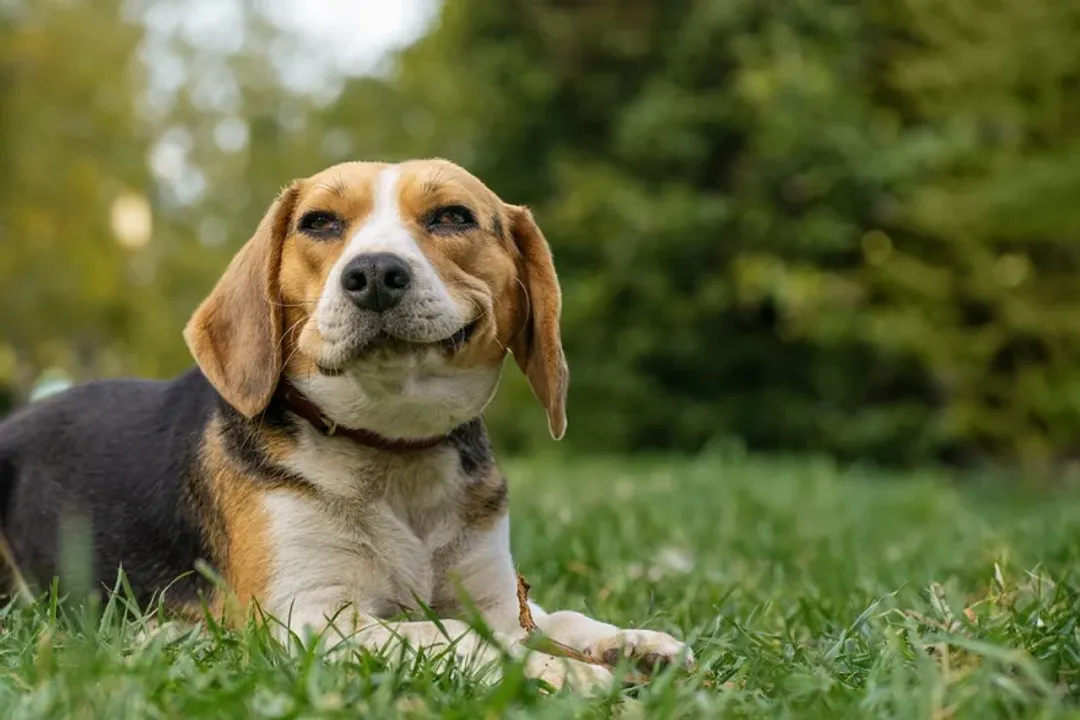
The most fundamental way to classify the Beagle is by its assigned group within the major national and international canine organizations. [2] In the United States, the American Kennel Club (AKC) places the Beagle squarely within the Hound Group. [2] This classification immediately tells prospective owners and judges that the dog’s primary historical function was trailing game by scent. [2][5] Other international bodies, such as the Fédération Cynologique Internationale (FCI) or The Kennel Club in the UK, generally align with this categorization, recognizing them as a type of hound bred for tracking. [1][6] It is essential to recognize that being classified as a Hound is not merely a historical footnote; it dictates much of their temperament, energy level, and training needs today. [2][5] Dogs in this group, unlike terriers or working dogs, are driven by their noses, often prioritizing a compelling scent over human commands when outside on an unsecured area. [1]
# Scent Hound Specialty
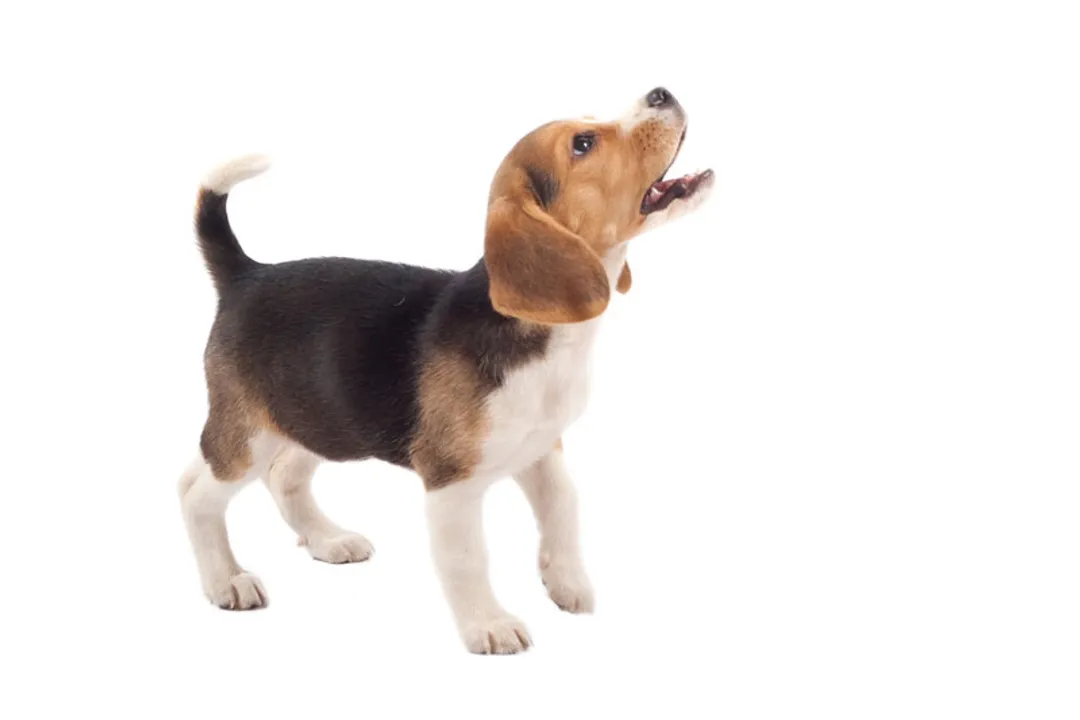
Within the broad Hound Group, Beagles are specifically categorized as scent hounds. [2] This designation separates them from sighthounds, such as Greyhounds, which rely primarily on vision to pursue quarry. [1] The Beagle's very existence revolves around its olfactory capabilities. Their moderate size, hanging ears, and close-to-the-ground posture are all advantageous for tracking ground scents. [5] The long, pendulous ears are believed by some experts to help sweep scents from the ground up toward their nose while they track, though this remains an area of historical debate rather than proven science. [1] Their nose is frequently cited as being second only to breeds like the Bloodhound in terms of pure scenting power. [5] This classification means that Beagle owners must be perpetually mindful of fence security and leash use, as the instinct to follow an interesting smell can override years of training surprisingly quickly when a prime scent trail appears. [1][3]
If you live in an area with numerous interesting smells—perhaps near a busy park, a farm, or even a heavily wooded lot—understanding this scent hound drive is critical for safety. While many owners focus solely on recall training, an owner might find greater success by establishing a scent game indoors first. Start by hiding high-value treats in increasingly difficult spots around a familiar room. This allows you to channel their natural, powerful classification trait productively, building focus indoors before expecting them to ignore a rabbit trail outdoors. It’s a way of respecting their genetic blueprint rather than constantly fighting against it. [3]
# Official Standards Size

A unique aspect of the Beagle’s classification involves a division based on height, which is formally recognized by organizations like the AKC. [2] This division is not based on a difference in heritage or temperament—they are fundamentally the same breed—but rather on conformation suitable for different types of hunting or showing environments. [2]
The breed standard typically recognizes two classes based on height measured at the shoulder:
Dogs taller than 15 inches at the shoulder are generally disqualified from conformation shows, even if they possess all other desirable Beagle traits. [2] This size distinction is important because it reflects a practical application of their classification: smaller Beagles were historically favored for hunting on foot or in dense thickets, while slightly larger ones might have been preferred for hunting on horseback. [1] For the average pet owner, this means that when acquiring a puppy, you should be aware that while most fall into the smaller category, a puppy might grow into the larger range, which is perfectly fine for companionship but relevant if exhibition is a goal. [2]
# Temperament and Pack Instincts

While their physical classification is "scent hound," their behavioral classification leans heavily toward being a pack animal. [1][5] Beagles were bred to hunt in groups, using their voices—the famous bay or howl—to communicate their findings to the rest of the pack and the hunter. [1] This pack orientation means they often thrive on companionship and can be prone to separation anxiety if left alone for extended periods. [3][5] When classified by temperament, they are consistently described as merry, friendly, and inquisitive. [5] Their historical role required them to be tolerant of each other while working closely in a group, which translates well into being excellent, good-natured companions for children and other pets. [1][5] However, their vocal nature—their baying—is a direct extension of their pack hunting classification and can be a significant consideration for neighbors in dense suburban settings. [3]

# International Variation
While the core classification as a scent hound remains consistent across the globe, there can be subtle differences in how various national clubs manage the breed profile. [6] For example, some international registries might focus more strictly on the smaller stature or have slightly different requirements for coat color or tail carriage, all of which relate back to the ideal structure for their original classification. [6] Generally, the Beagle’s appearance is standardized enough that an American Kennel Club Beagle would be immediately recognizable by a breeder in Europe or Australia. [6] Their dual-purpose nature—equally capable as a working hunter or a companion—ensures their enduring appeal across diverse regulatory bodies. [1][5]
# Lifespan and Well-being
The classification of a dog also indirectly influences discussions surrounding its expected longevity and care requirements. [4] Beagles, when properly cared for, typically have a lifespan ranging from 12 to 15 years. [4] Some sources even suggest that with excellent care, they can reach up to 18 years. [4] This relatively long lifespan for a medium-sized dog is often attributed to their sturdy build, which is well-suited for the demands of their working classification. [4] However, their deep-seated scent-driven nature requires specialized attention to enrichment; a bored Beagle, due to an inability to exercise its primary classified instinct, is far more likely to become destructive or overweight than one whose owner provides appropriate olfactory stimulation. [3]
Considering the breed's classification as a scent hound, and noting their typical lifespan, proactive health management should focus on issues related to their frame and activity level. For instance, because they are so food-motivated (another trait tied to their historical work of tracking and consuming small quarry), owners must diligently manage their diet to prevent obesity, which puts strain on their joints over their long lives. [4] A Beagle that maintains a healthy weight is statistically more likely to reach the upper end of that 12-to-15-year range, demonstrating a direct link between respecting their needs (derived from their classification) and maximizing their health duration. [4] This diligence in feeding becomes a more important, year-over-year maintenance task than it might be for a less food-obsessed breed.
Related Questions
#Citations
Beagle - Wikipedia
Beagle Dog Breed Information - American Kennel Club
Beagle Dog Breed - A Comprehensive Guide - Somerzby
Beagle Lifespan: How Long Do Beagles Live? - Vetericyn
Beagle Dog Breed Complete Guide - A-Z Animals
BREED PROFILE: Beagles are the 6th most popular ... - Facebook
Beagle - Kids | Britannica Kids | Homework Help
Beagle - Europetnet
Beagle - Discover Animals