What do may beetles eat?
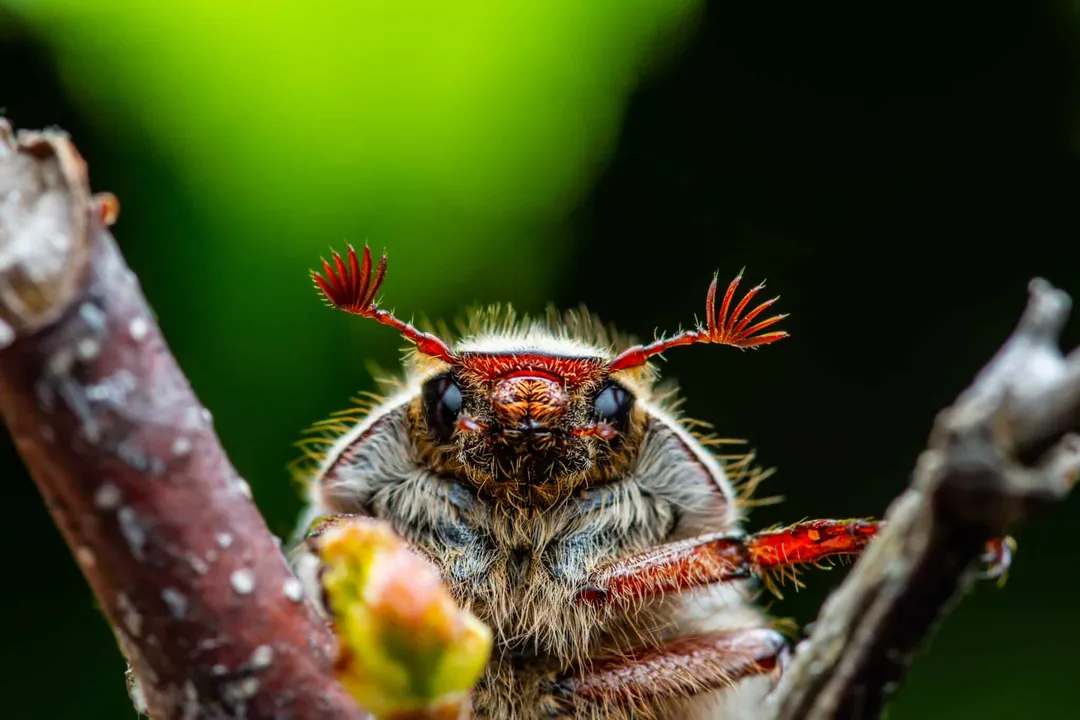
The dietary habits of the May beetle, often interchangeably called the June bug or June beetle, reveal a stark contrast depending on the insect’s stage of life. These insects, belonging to the extensive genus Phyllophaga and the family Scarabaeidae, are fundamentally herbivores throughout their existence, but their specific targets shift dramatically between the adult beetle and the C-shaped grub larva. [1][4][5]
# Adult Herbivory
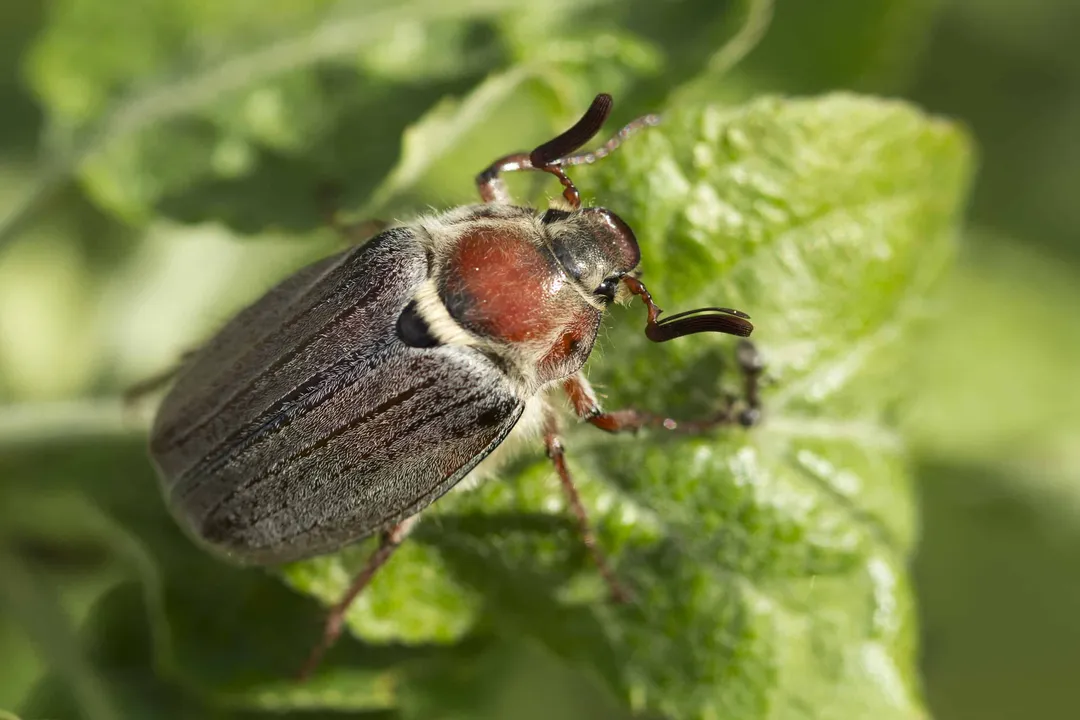
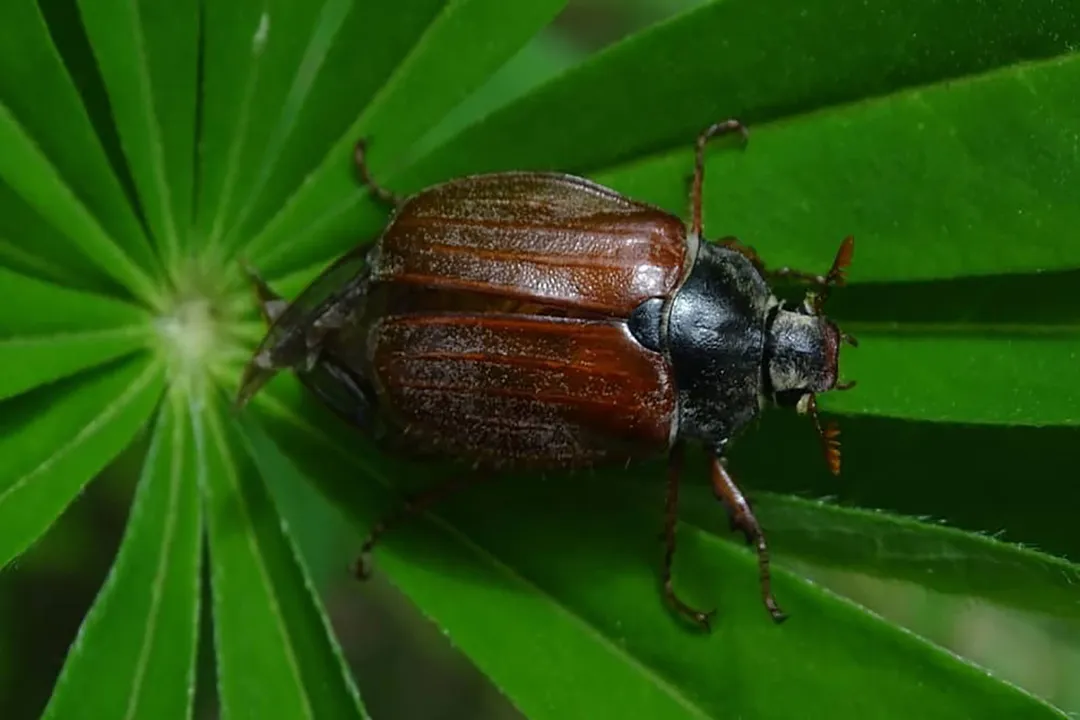
The adult May beetle is famously known as a "leaf eater," a translation reflected in its genus name, Phyllophaga. [4] These stocky, oval-shaped beetles emerge primarily in the spring, usually May or June, and are most active after sunset. [1][2][4] They spend their daylight hours hidden beneath the soil, burrowing down to rest, only to emerge at dusk to feed and mate. [1][2][4]
The primary food source for the flying adult is foliage. [1][4] They exhibit a clear preference for the leaves of various trees and shrubs, consuming them at the margins, sometimes feeding all the way back to the central midvein. [1][4] While they rarely cause significant damage in areas like the UK, where the related Cockchafer is found, high populations of Phyllophaga species in North America can lead to noticeable defoliation, particularly along woodlots or forest edges. [3][8]
The list of preferred adult hosts is quite varied, reflecting the group's broad feeding strategy. Common targets include broad-leaved trees such as ash, oak, and crabapple. [1][4] More specific species preferences have been documented across the genus:
- P. crenulata adults feed on hardwoods like persimmon, hickory, basswood, willow, and birch. [3]
- P. drakei targets beech, dogwood, maple, elm, and willow leaves. [3]
- P. forsteri shows a taste for beech, elm, maple, walnut, and even reports suggest feeding on pine. [3]
- Species like P. luctuosa and P. prununculina are specifically noted for feeding on pines, including longleaf and loblolly varieties, alongside hardwoods like oak and persimmon. [3]
It is worth noting that while the damage is visible on the leaves, the beetles are typically gone by morning, leading to confusion for observers who cannot locate the source of the chewing damage during the day. [1][2] Adult activity is usually confined to a few weeks, as they mate and the females bury themselves to lay eggs, after which the adults often die off. [2][4]
# Larval Sustenance
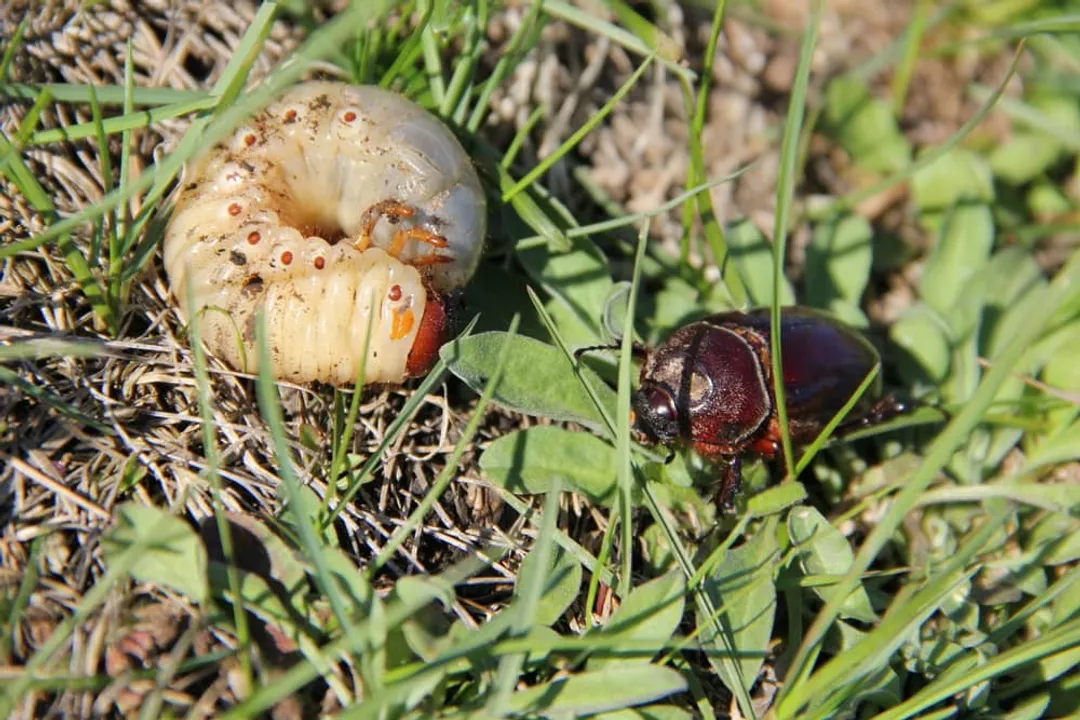
The subterranean larval stage, universally referred to as the white grub, sustains itself on a completely different diet: roots. [1][2][3] The newly hatched larvae possess strong mandibles specifically adapted for chewing this underground material. [4]
The larval diet is concentrated on the root systems of plants, which can disrupt the uptake of water and nutrients and potentially kill young or vulnerable plants. [1][5] The main targets for these root-feeding grubs include:
- Turfgrass: This is a major area of impact, as the grubs feed heavily on grass roots, leading to wilted, brown patches of turf that are easily rolled back like a carpet because the roots have been severed. [2][5]
- Vegetables: They readily consume the roots of root vegetables, making it a recommended practice to avoid planting items like carrots, potatoes, and sweet potatoes in areas that were recently turf for several years. [2]
- Seedlings and Young Plants: Grubs are notorious pests in forest nurseries and plantations, where they can severely damage or kill young tree seedlings, including red pine. [3] They also feed on the roots of ornamental shrubs. [1]
Beyond actively growing roots, the grubs will also consume rotting bits of plants found within the soil, alongside general organic matter. [1][2] This suggests that freshly turned soil rich in decaying debris might attract egg-laying females looking for an initial food source for their young, even if the subsequent years of feeding will target living roots. [3] The most significant damage occurs when the larvae are in their second or third year of growth, as they are larger and stay closer to the surface to feed during the growing season. [1][2]

# Life Cycle and Dietary Shift
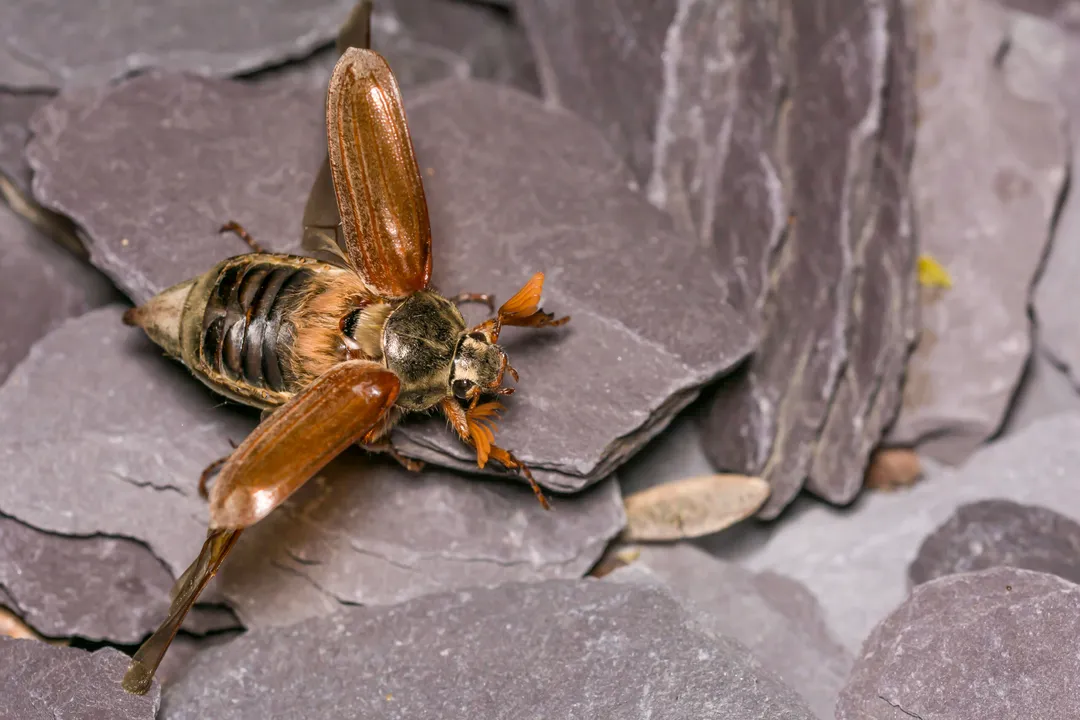
The May beetle’s diet is intrinsically linked to its lengthy life cycle, which commonly spans three years for many species, though one- and two-year cycles also exist. [1][2][3] The adult stage, lasting only a few weeks, is dedicated to reproductive feeding (leaves), providing energy for mating and subsequent egg-laying. [2] The entire bulk of the insect’s growth, spanning potentially up to three seasons underground, is fueled by root consumption. [1]
This clear division of labor—adults consume above-ground growth, larvae consume below-ground structure—is an interesting adaptation. The very name "leaf eater" only describes half the story and overlooks the stage that often causes actual economic or horticultural devastation. [4] Given the multi-year cycles and large number of Phyllophaga species, pinpointing which life stage is responsible for damage in any given year can be complex for the uninitiated observer. [3]
# Soil Preference and Competitive Advantage
While many types of white grubs are present in lawns—including those from Japanese beetles and masked chafers—Phyllophaga species possess a notable advantage in certain soil conditions. [1][2] Research indicates that true white grubs tend to survive better in drier soil compared to the grubs of annual species like the Japanese beetle. [2] This preference means that turf areas which are not frequently watered, or those planted on previously unmanaged land like old pastures, are at a higher risk for damaging Phyllophaga infestations. [1][2]
If you manage a property with sandy or less irrigated areas, recognizing this distinction is key. While lush, heavily watered lawns might see damage primarily from grubs with shorter life cycles that peak during the wet summer months, a drier patch of turf or a new planting bed near a field might harbor second or third-year Phyllophaga grubs that are already too large for some standard, preventative insecticides to manage effectively by the time damage is noticed. [2] This endurance in drier conditions provides them a niche, especially in regions experiencing periodic drought, allowing their populations to persist when competitors might struggle. [2]

# Broader Context of Beetle Feeding
To fully appreciate the May beetle’s herbivorous role, it helps to understand the diversity within the larger beetle order, Coleoptera, which encompasses over 300,000 identified species. [7] Beetles demonstrate an incredible range of diets:
- Predators: Many beetles, like tiger beetles and soldier beetles, hunt other insects, including aphids and caterpillars, thus providing natural pest control in gardens. [7]
- Scavengers: Dung beetles and hide beetles consume animal waste and decaying matter, serving as essential recyclers. [7]
- Wood Destroyers: Pests like the Asian longhorned beetle bore into and consume structural wood and living hardwood trees. [7]
- Specialists: Other groups consume fungus, or in the case of grain beetles, stored human food products. [7]
The May beetle, by contrast, remains strictly within the plant-eating category, either chewing leaves as an adult or chewing roots as a larva. [4][7] This consistent herbivory across its lifespan, even if targeted differently, classifies it as a straightforward herbivore within the broader insect world. [4][7]
# Practical Implications of Dual Diet
Understanding the May beetle’s dual diet directly informs how homeowners or turf managers should assess and react to problems. When an adult beetle chews irregular holes in the leaves of an oak tree in May, the immediate concern is cosmetic damage to the tree. [1] However, the truly destructive feeding is often already underway or about to begin in the soil, potentially by year-two or year-three larvae that matured from eggs laid one or two years prior. [1][2]
A critical point for landscape professionals is that the evidence of the grub's threat—wilting grass or stunted seedlings—may not correlate chronologically with the emergence of the adult beetles seen flying. [2] If a turf professional observes severe lawn damage in late summer, they must confirm the grub species because control timings differ drastically; treating for a multi-year Phyllophaga grub requires different timing than treating for a single-season grub species. [2][6] Since the larger, multi-year grubs are harder to eliminate with standard treatments, early and correct identification based on their presence in soil that might not be consistently irrigated is the first necessary step toward effective remediation. [2] While healthy plants are more resilient, recognizing that the May beetle attacks both the canopy and the foundation of plant health mandates a two-pronged awareness in landscape management. [5][6]
Related Questions
#Citations
May Beetle Insect Facts - A-Z Animals
June Beetles/May Beetles/Chafer - Environmental Factor
May and June beetles - Forest Pests of North America
Cockchafer (May-bug) - Insect Week
How to Control May and June Beetles - Sod Solutions
What Do Beetles Eat? A Breakdown of Their Diverse Diets - Terminix
May Beetles
June Bugs: What to Know - WebMD