What do deathwatch beetles eat?
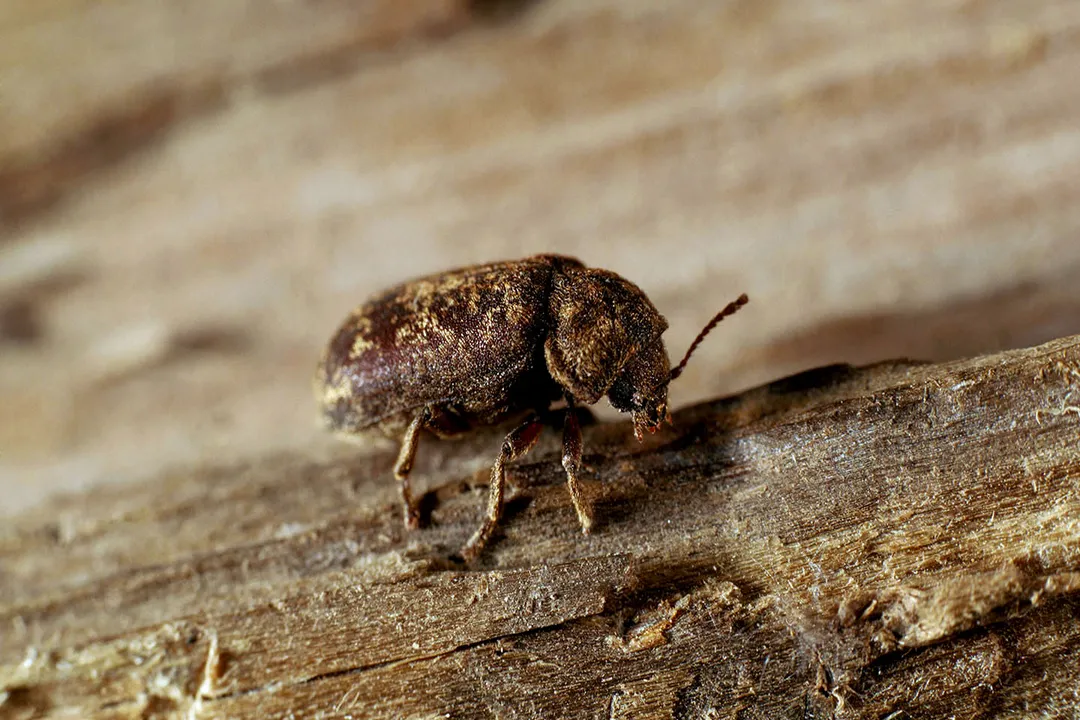
The question of what sustains the deathwatch beetle (Xestobium rufovillosum) centers almost entirely on its larval stage, as this is when the intense wood consumption occurs. These insects are notorious structural pests precisely because their diet consists of timber, but understanding which timber and what condition that timber must be in is essential for managing an infestation. [1][3][5] In short, the primary food source for the destructive phase of the deathwatch beetle is decaying hardwood, specifically wood that is already well-rotted or infected with dampness and fungus. [1][2][7]
# Larval Diet
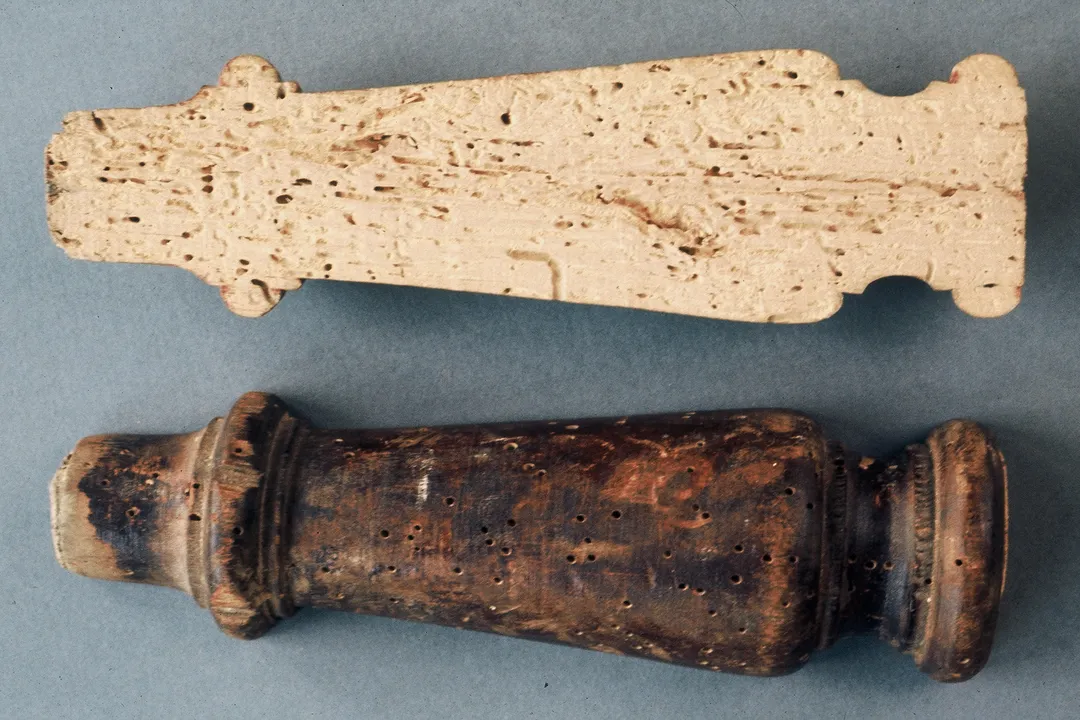
The vast majority of the damage associated with the deathwatch beetle is caused by the larvae, which can spend years tunneling through infested wood before emerging as adults. [1][7] It is the grub-like larva, sometimes referred to as a woodworm, that drills the intricate network of tunnels beneath the wood surface. [5] Their feeding habits are highly specific; they do not target sound, dry timber. [1] Instead, they seek out wood that has already begun to degrade, usually due to moisture ingress or fungal activity. [1][3][6] This preference dictates where infestations are most likely to take hold and persist. [1]
This dependency on pre-decayed wood is a crucial distinction between deathwatch beetles and other common wood-boring pests. While some beetles may chew on fresh wood, the deathwatch beetle relies on the material having reached a certain state of softness and decomposition that makes it palatable and digestible for the larvae. [1][3]
# Wood Preference
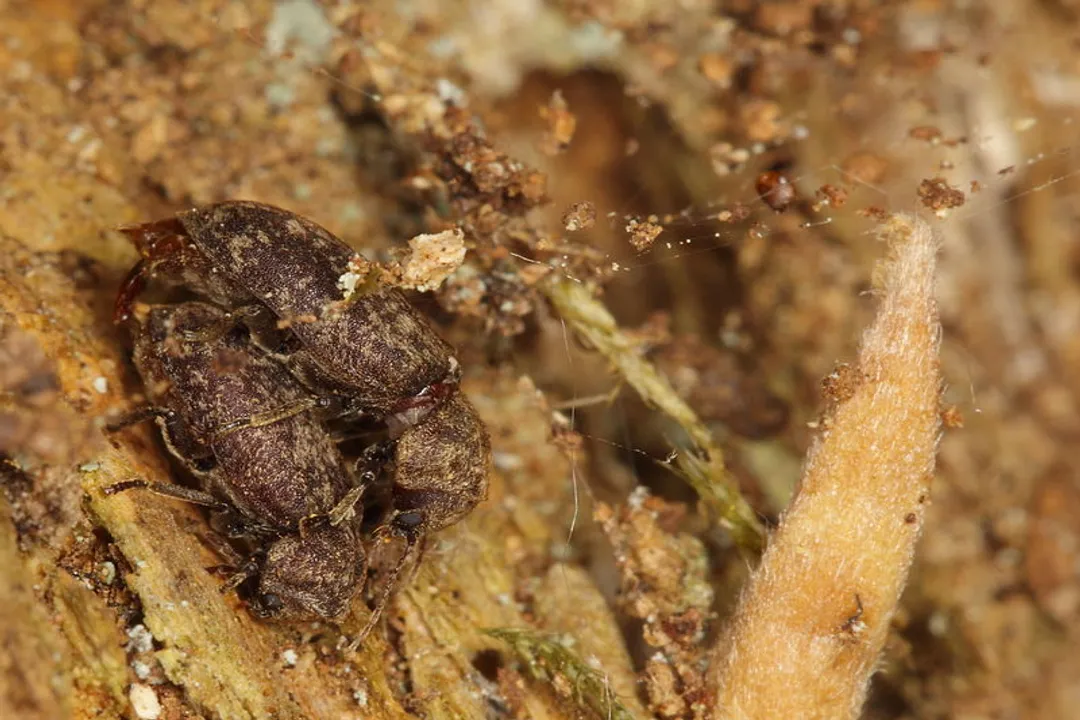
When discussing food, the material itself is nearly as important as its condition. Deathwatch beetles show a marked preference for hardwoods over softwoods, which sets them apart from many other wood-boring species found in domestic settings. [1][2][4]
# Oak Targets
The most frequently cited and preferred food source for Xestobium rufovillosum is oak. [1][2][7] They are frequently found in old oak-framed buildings, historic furniture, and structural timbers where oak was historically used. [1][4] This preference for oak is well-documented, often leading to serious damage in ancient structures where oak beams form the core support system. [1][7]
While oak is the primary target, they can feed on other hardwoods if the conditions are right, such as beech or ash, provided the wood is sufficiently decayed. [2][5] The presence of specific fungi that break down the lignin and cellulose in the wood appears to make the material more accessible to the larvae’s digestive systems. [1] If you find an infestation, a quick check of the surrounding materials can often confirm the presence of oak or another favored, mature hardwood. [2]
# Condition Matters
It is impossible to overstate the importance of the wood's condition in relation to the beetle’s diet. Larvae will only eat wood that has a moisture content of about 30% or higher and has been softened by fungal action. [1][3] They essentially eat the fungal mycelium and the softened wood structure it has created. [1][5] The resulting tunnels are often packed with fine, powdery material known as frass. [1][7] This frass is a mixture of chewed wood debris and larval excrement. [7]
This reliance on existing decay offers a unique perspective on eradication. If you have a deathwatch infestation, the immediate problem isn't just the beetle; it's the underlying environmental condition that allowed the wood to rot in the first place. [6] Treating the dampness or addressing the fungal issue that softened the timber is paramount because, without that specific environment, the wood ceases to be a viable food source for subsequent generations of larvae. [1]
# Adult Intake
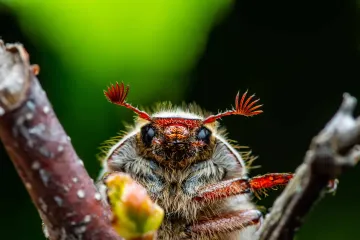
Once the larvae have completed their development, they bore an exit hole to the surface, usually measuring between 1.5mm and 3mm in diameter, and emerge as the adult beetle. [1][7] At this stage, the feeding habits shift dramatically, or in many cases, cease altogether.
Adult deathwatch beetles do not typically feed on structural wood in the way their young do. [2][4] In fact, some sources suggest that the primary role of the adult beetle is reproduction, and they may not feed substantially at all during their short adult lifespan. [2]
When they do consume something, their diet is generally limited to softer, more easily digestible material compared to the tough, decayed hardwood eaten by the larvae. [4] Reports indicate that adults may occasionally feed on pollen or nectar found outdoors. [2][4] If they are feeding indoors, it is generally thought to be minor, perhaps sipping on spilled sugary residues or moist organic material, but they are not responsible for the structural damage associated with the species. [2] Their life above ground is focused on mating and laying eggs in cracks or crevices of suitable, decaying wood to start the next cycle. [1]
# Damage Profile
The evidence of their eating habits is often what alerts property owners to the infestation long before the adult beetles are seen. The larvae’s excavation process creates a network of galleries within the wood. [7]
# Frass and Tunnels
The telltale sign of active feeding is the presence of frass ejecting from small holes in the wood surface. [1][7] This frass is dry, mealy, and usually pellet-shaped, often described as looking like fine sawdust mixed with tiny grains of sand. [1][7] An active infestation will often show a slow accumulation of this material beneath the affected timber. [1] The size of the exit hole itself—typically around 2mm in diameter—is often used for identification, as it is smaller than those left by some other borers. [7]
# Sound Association
It is worth noting a unique feature often associated with this beetle, which relates indirectly to its feeding. While not a direct result of eating, the 'death watch' sound for which it is named—a distinct, rhythmic tapping or ticking noise—is made by the male tapping its head against the wood while calling for a mate. [4] This sound is often heard in quiet rooms or at night, sometimes leading observers to worry about the severity of the internal destruction caused by the unseen larvae feeding within the timber. [4]

# Comparing Feeding Strategies
To better appreciate the threat posed by Xestobium rufovillosum, it helps to compare its dietary strategy with other common wood-borers.
| Feature | Deathwatch Beetle Larvae (X. rufovillosum) | Common Furniture Beetle Larvae (Anobium punctatum) |
|---|---|---|
| Primary Food | Decaying, fungus-ridden hardwood (especially Oak) [1][2] | Almost any seasoned wood, often softwoods or hardwoods [1] |
| Wood Condition | Requires significant fungal decay and high moisture (30%+) [1][3] | Prefers seasoned, dry wood; needs less advanced decay [1] |
| Activity Period | Can last many years in the wood [1] | Typically 2-3 years [1] |
| Adult Feeding | Minor; pollen/nectar or none [2][4] | May feed on wood surface or not at all [1] |
A clear takeaway from this comparison is the environmental requirement: the deathwatch beetle is a specialist targeting wet rot environments in hardwoods, whereas the furniture beetle is a generalist that will happily consume drier, sounder timbers, including structural softwoods, which often makes the latter more widespread but perhaps less immediately threatening to ancient oak structures. [1]
Thinking about the structural impact, the larvae's habit of selectively consuming the softest, most decayed parts of structural members—like the center of an old oak roof truss—can leave the outer shell superficially intact while hollowing out the core where strength is most needed. [1] This selective eating pattern can be harder to detect visually than the more uniform boring seen with generalist pests. [1] For homeowners dealing with historical buildings, understanding this food chain—fungus feeds wood, beetle eats fungus-wood—allows for more targeted remediation focused on moisture control rather than relying solely on chemical treatment of the wood surface. [1][6]
When inspecting an older property, especially one with known oak components, always check areas prone to water retention—window sills, external joints, and flooring near plumbing or roof lines—as these are the locations where the prerequisite fungal food source for the larvae will first establish itself. [1][3] By controlling the dampness, you effectively remove the entire basis for the deathwatch beetle's existence within your property.
Related Questions
#Citations
Deathwatch beetle
Deathwatch Beetle (Xestobium rufovillosum)
Deathwatch Beetle Insect Facts - Xestobium rufovillosum
Deathwatch Beetle
Deathwatch Beetle Facts & Photos
Families of wood-eating insects: the Beetle, the Woodwatch
Death watch beetle (Xestobium rufovillosum) identification ...
The Death Watch Beetle