What did the Liopleurodon eat?
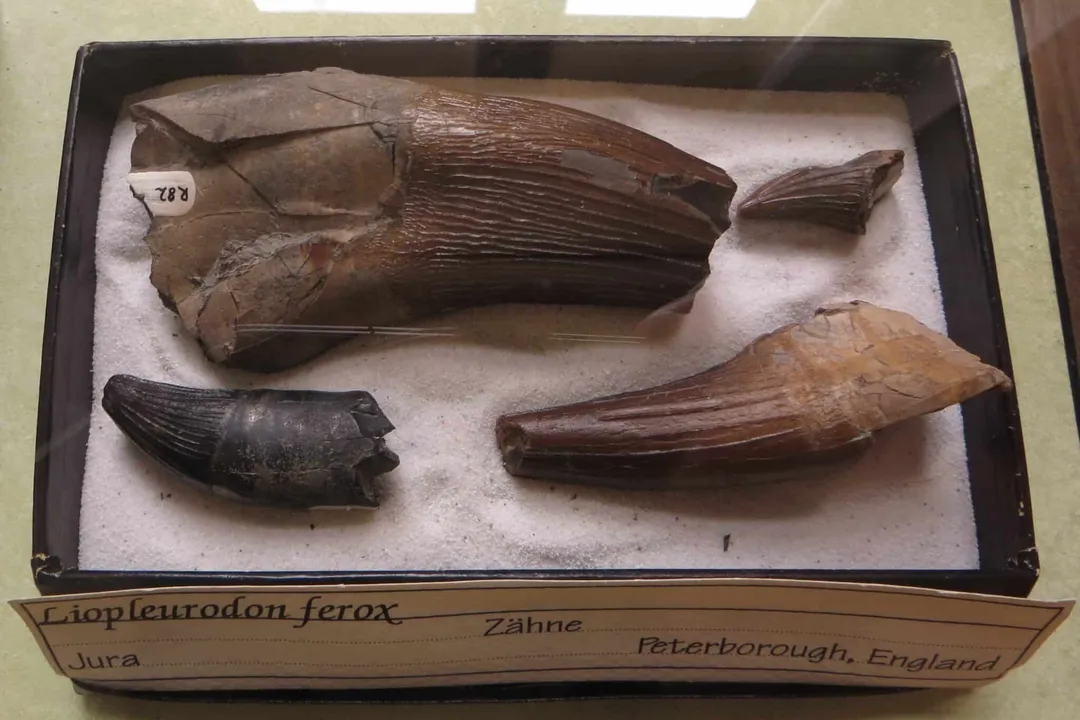
The Liopleurodon conjures visions of primeval seas ruled by sheer force, a massive marine reptile that commanded respect from every creature swimming near it. [6] Determining the precise contents of its stomach requires piecing together fossil evidence and anatomical clues, but what we know paints a clear picture of a dominant, carnivorous existence within the Middle Jurassic oceans. [9] This creature was not a passive grazer; it was built for active predation, placing it squarely at the top of its ancient food chain. [2][5]
# Pliosaur Grouping
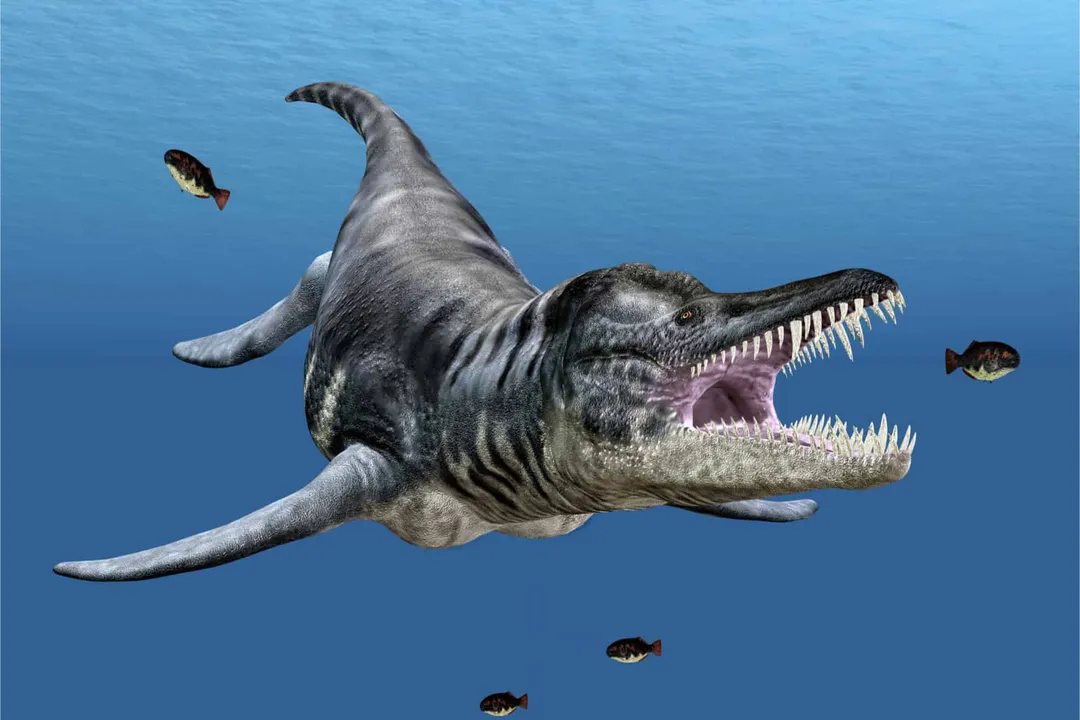
To understand what the Liopleurodon consumed, it helps to categorize it correctly. It was not a dinosaur but rather a member of the Pliosauroidea superfamily, a group of extinct marine reptiles characterized by short necks and large heads. [1] This body plan immediately suggests a lifestyle focused on hunting large prey rather than scavenging or feeding on smaller, slow-moving organisms. [5] The general understanding shared across paleontological sources is that pliosaurs were apex predators in their environments. [3][4]
# Time Period
The reign of the Liopleurodon is generally situated in the Middle Jurassic period. [9] Specifically, the time window associated with this magnificent animal is often cited as being around 163 million years ago. [9] This places its feeding habits within a specific, relatively stable marine ecosystem that supported large predatory demands. Knowing the era helps contextualize the types of contemporaneous marine life available for it to hunt. [7]
# Apex Hunter Menu
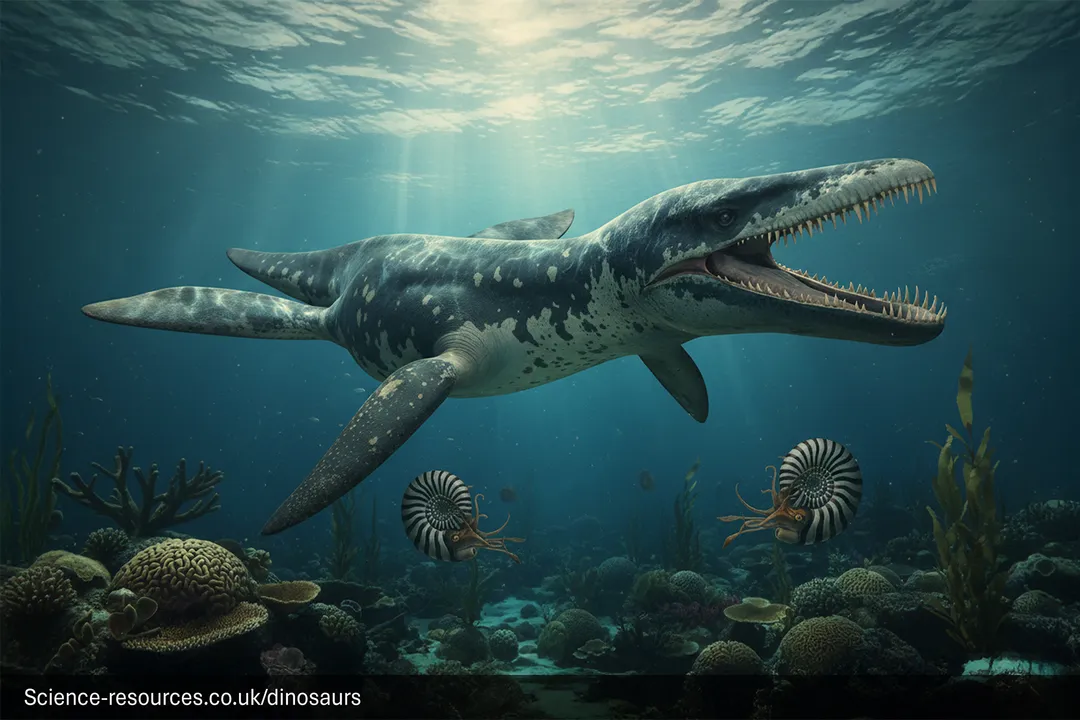
The specific diet of Liopleurodon is deduced from the sheer size of the animal itself and the comparison to other known pliosaurs, as direct stomach contents are exceedingly rare in the fossil record. [1][5] Given its classification as a fearsome predator, [2] its menu would have been substantial and varied, reflecting an opportunistic approach to securing the necessary calories to fuel such a large body mass.
The primary diet focus was carnivorous. [7] Based on fossil evidence analysis related to pliosaurs of similar stature, the Liopleurodon likely preyed upon other large marine inhabitants. [1] This menu would have almost certainly included sizable fish species that inhabited the Jurassic seas. [5] Beyond fish, the existence of other marine reptiles during that time provides strong circumstantial evidence for a broader menu. [1] It is theorized that creatures such as plesiosaurs—perhaps smaller or less robust species—and possibly squid or other cephalopods that shared the same ocean space would have been viable targets. [5]
When considering the sheer scale implied by the largest estimates of Liopleurodon size—sometimes suggesting lengths exceeding 20 feet [4]—the caloric requirements become staggering. A predator this immense would not sustain itself on small schooling fish alone; it needed substantial, energy-dense meals frequently. This necessity strongly supports the theory that Liopleurodon was adapted to successfully hunt and subdue other large, fast-moving marine reptiles.
A practical comparison for understanding the scale of this feeding habit involves looking at modern apex marine predators like large sharks or orcas. These animals often consume prey that is themselves quite large to make the hunt energetically worthwhile. For Liopleurodon, every meal represented a significant intake, likely meaning the ecosystem had to be rich enough to support multiple animals of this trophic level.
# Jaw Mechanics
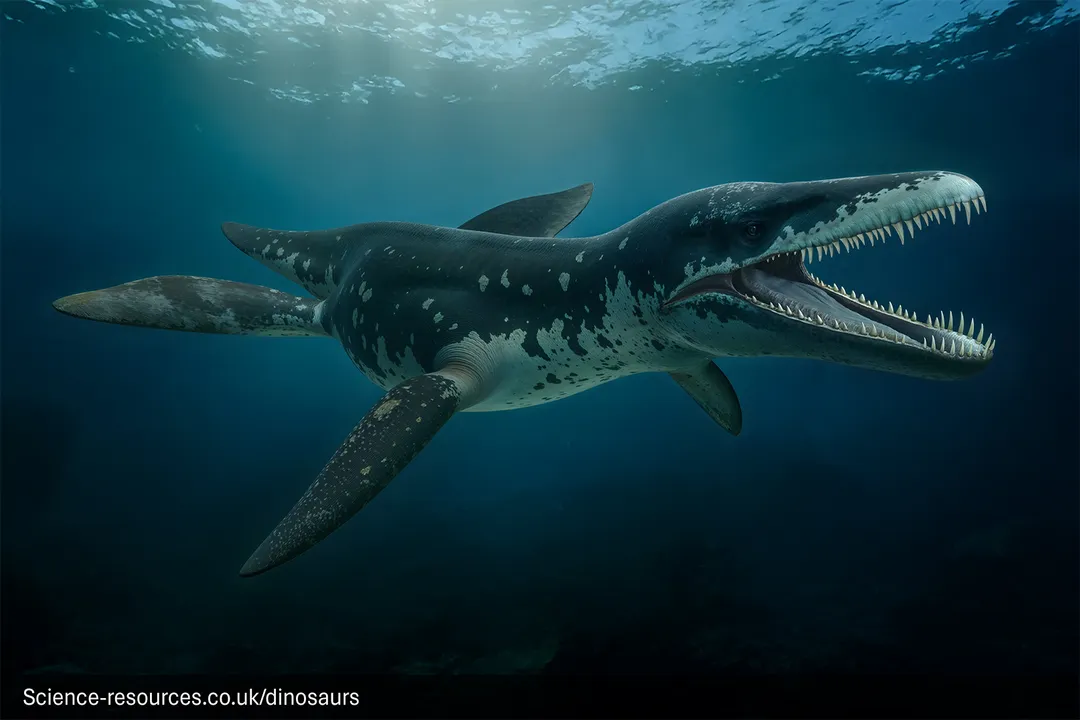
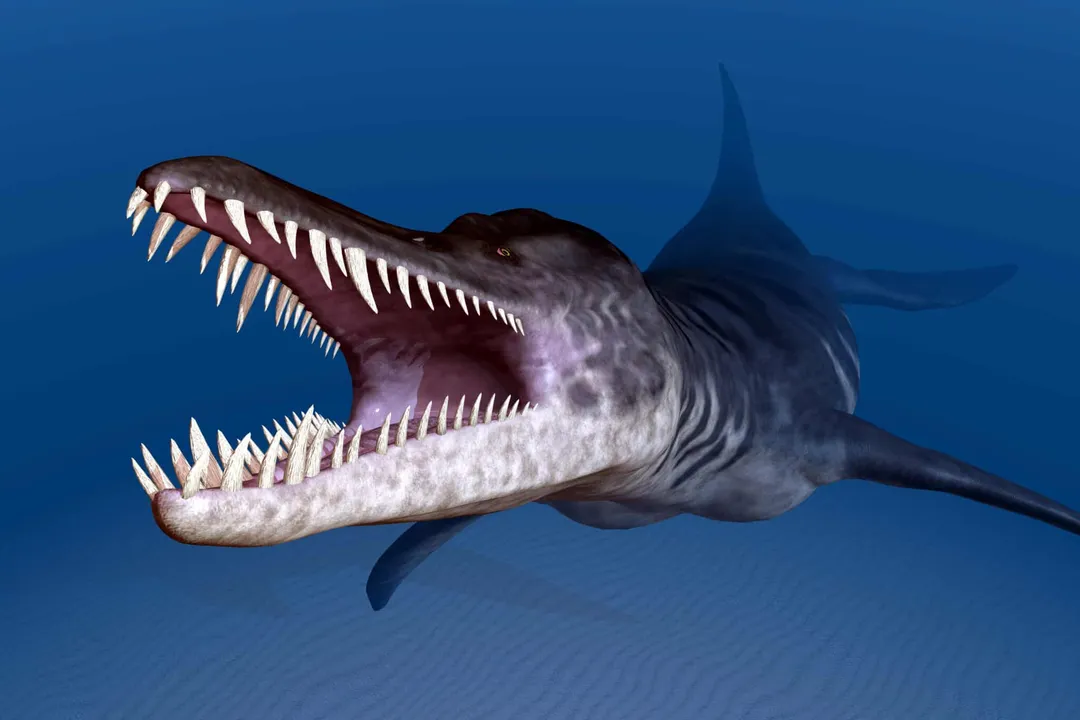
The ability to eat large, powerful prey hinges on the animal's capture and consumption method. Liopleurodon possessed proportionally massive heads, which housed incredibly powerful jaws. [1] The structure of these jaws suggests a specialized method of attack. Unlike some reptiles that might rely on long struggles, the pliosaur design, particularly with large, robust teeth, points toward a devastating bite designed for rapid incapacitation. [5]
The teeth themselves were long, conical, and perfectly suited for piercing tough flesh and bone. [1] This structure is ideal for gripping slippery prey like large fish or holding onto a struggling reptile, ensuring the meal could not easily escape the predator's grasp. The bite was likely strong enough to inflict catastrophic, often fatal, damage quickly, reducing the risk to the predator during the feeding process. [5]
# Hunting Strategy
The mouth and skull structure also hint at the Liopleurodon's hunting style. While the exact behavior remains speculative, the streamlined body and large flippers suggest it was capable of bursts of speed, essential for catching mobile prey in the open ocean. [5]
There are two primary speculative models for large, fast predators: the ambush hunter and the active pursuer. [5]
- Ambush: Waiting concealed and launching a short, high-speed attack on passing prey.
- Active Pursuit: Systematically chasing down prey until exhaustion or a fatal error occurs.
Given the massive size and the nature of its presumed prey (other fast swimmers), a combination seems most plausible—using stealth to get within striking distance, followed by a decisive, powerful attack utilizing its specialized bite. A successful hunt for a creature of this magnitude would have been a truly violent event, leaving little chance for the unfortunate victim.
# Size and Caloric Demand
The potential size discrepancy between various Liopleurodon specimens has often led to scientific debate, which directly impacts assumptions about its diet. While some early estimates placed it at gigantic, perhaps 50 feet long, more recent paleontological assessment generally places it closer to the 20-foot range, or perhaps slightly larger, up to about 6.7 meters. [4][5]
It is important to distinguish between the largest known pliosaurs (like Pliosaurus funkei, or "Predator X") and Liopleurodon itself, as media often conflates the two. [1] However, even at the more conservative, scientifically accepted sizes, the energy required to maintain the muscle mass necessary for ocean domination was immense. This reinforces the conclusion that the diet had to consist of calorie-rich meals—i.e., large vertebrates—rather than relying on smaller, lower-value food sources common in less demanding ecosystems. [5]
If we consider an animal approaching 6 or 7 meters in length, its primary feeding niche was clearly that of an apex predator. Had Liopleurodon existed in an environment where only small, schooling fish were available, the ecosystem simply could not have supported a large population of such massive hunters; the niche would have favored smaller, more efficient feeders like ichthyosaurs. [1] Therefore, the fossil record's confirmation of Liopleurodon's existence implies the Middle Jurassic seas held a substantial biomass of large prey items for it to consume. [7]

# Ecological Status
The final piece of evidence supporting the carnivorous, large-prey diet is the creature's placement in the food web. Liopleurodon sat at the top of the marine food chain during its time. [4][6] In any balanced ecosystem, the apex predator dictates the health and behavior of the populations below it. A predator at this level shapes the evolutionary path of its prey, forcing them to evolve better defenses, camouflage, or speed.
For the Liopleurodon to maintain this role, its diet had to include the largest, strongest, and best-defended animals available, otherwise, a different, more specialized predator would have taken over that niche. The very fact that Liopleurodon thrived for millions of years confirms its success in securing high-value meals consistently within its habitat. [5]
Related Questions
#Citations
Liopleurodon - Wikipedia
Liopleurodon Animal Facts - Liopleurodon ferox - A-Z Animals
Liopleurodon | The Ultimate Dinosaur Wiki - Fandom
A 20-foot long marine reptile. Liopleurodon ruled the Jurassic seas ...
Science & Nature - Sea Monsters - Fact File: Liopleurodon - BBC
Liopleurodon conjures visions of primeval seas ruled by sheer force ...
Dinosaurs and other prehistoric animals: Liopleurodon
Liopleurodon - Fossils and Archeology Wiki
Liopleurodon: Predator-Prey Interactions, Fights, and Aggressive ...