What is a siberian retriever?

The Siberian Retriever is a hybrid dog breed, a blend resulting from crossing a Siberian Husky with a Labrador Retriever. [3][6] As is common with designer crosses, their heritage means that prospective owners can never be entirely certain which parent’s traits will be more dominant in any individual dog. [6] While the term might occasionally be used loosely, this mix is often recognized by names such as the Huskador, Lab Husky, or Labusky. [3][6] It is important to note that this is distinct from the Goberian, which is the cross between a Siberian Husky and a Golden Retriever. [1][6]
# Origins and Recognition
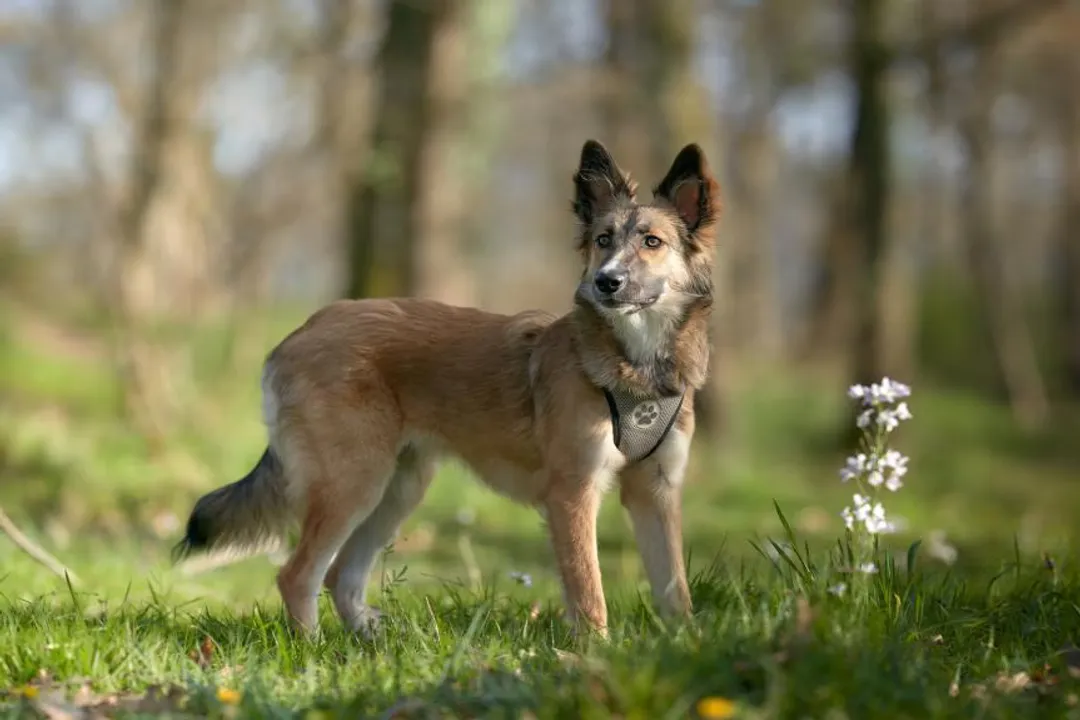
The Siberian Retriever is a relatively modern creation, with enthusiasts beginning to intentionally breed these two popular types sometime in the 1990s. [6] Both parent breeds have deep working dog roots, which heavily influence the hybrid's characteristics. [4][6]
The Labrador Retriever lineage traces back to Newfoundland, Canada, where they were historically used by fishermen for retrieving nets and assisting with the catch. [4] Their affable disposition and eagerness to please led to their refinement as gun dogs in England. [4] In contrast, the Siberian Husky descends from the ancient Chukchi tribe in the far north of Siberia, bred for endurance, tenacity, and speed as sled dogs. [1][4] When these Huskies were brought to Alaska in the early 1900s, their reputation for tireless work solidified. [4] A Siberian Retriever inherits this duality: the companionship drive of the Retriever and the hardiness of the northern sled dog. [4]
As a hybrid, the Siberian Retriever is not recognized by the American Kennel Club (AKC). [1] However, the cross is acknowledged by organizations such as the Dog Registry of America, Inc. (DRA). [6] It is worth noting that many Siberian Retrievers are first-generation crosses, meaning they are direct offspring of a purebred Labrador and a purebred Husky, though multi-generation crosses exist. [4][3] Prospective owners considering obtaining one of these designer dogs often face commentary from experienced dog enthusiasts suggesting that adoption from a shelter, where a dog with a known history might be found, is preferable to encouraging the breeding of designer mixes.
# Physical Appearance
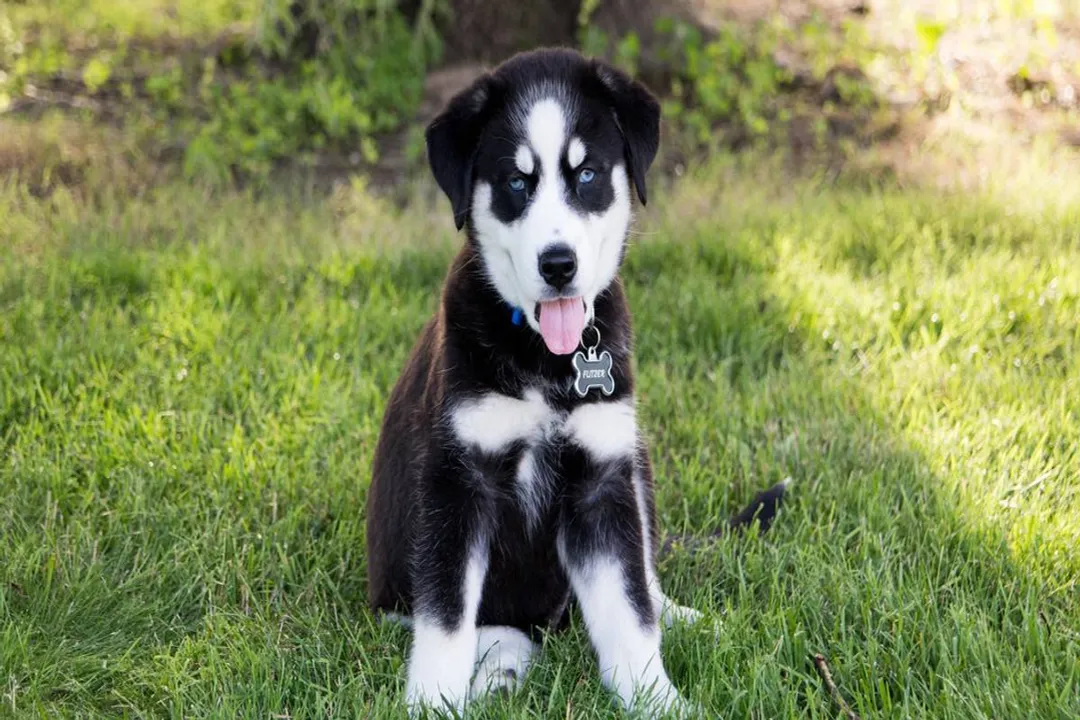
The physical characteristics of a Siberian Retriever are subject to wide variation, yet they generally fall into the medium to large dog category. [4] The adult weight typically ranges from 40 to 60 pounds. [6] Males tend to be slightly larger, standing between 21 to 25 inches tall, while females usually range from 20 to 24 inches. [4][6] Full maturity is generally reached around 18 months of age. [4]
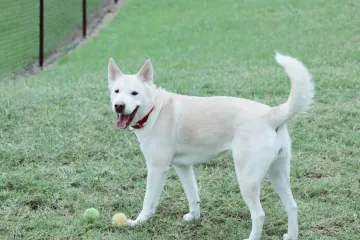
Coat appearance presents one of the most variable traits. They possess a silky, double-layer coat that can range from short to medium in length. [4] Their coloration is diverse, drawing from their parents: colors can include black, white, gray, chocolate, tan, and gold, or various combinations thereof. [6][5] If a chocolate Labrador parent is involved, chocolate coloring is possible in the offspring. [6]
The Husky's influence is often very visible in the eyes. While they may have the deep brown eyes common to the Golden or Labrador side, it is common to see the striking blue eyes of the Siberian Husky. [3] Heterochromia, where one eye is blue and the other brown, is frequently observed in this mix. [3][6] Ear shape is another genetic lottery; the dog may inherit the pointed, upright ears of the Husky or the softer, droopy ears of the Retriever. [3] Their build is generally strong and athletic, sometimes featuring a pointed, curled tail. [4] Furthermore, some may inherit webbed feet from the Labrador parent. [6]
# Temperament and Personality
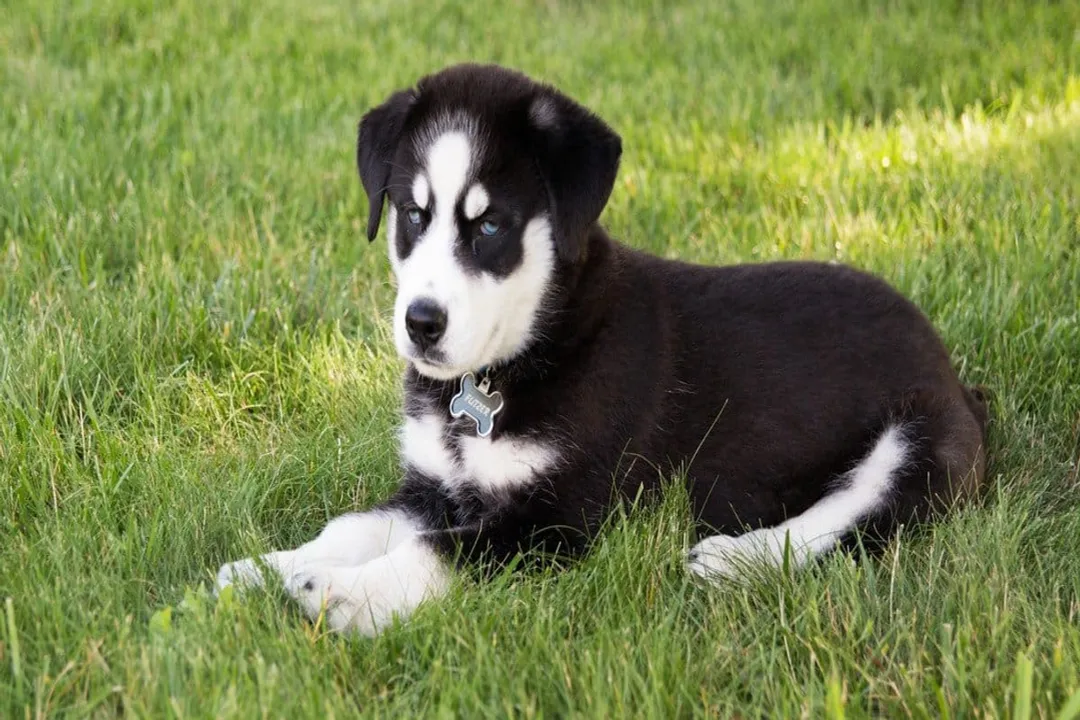
The Siberian Retriever’s personality is a fascinating blend of both high-drive working lines and affectionate companion breeds. They are characterized as intelligent, lively, loyal, and highly affectionate. [4][6] They form intense bonds with their families and crave attention and interaction. [4]
However, the intelligence that makes them great workers can be paired with the stubbornness often associated with the Husky. [6] While the Retriever influence lends itself toward being biddable and eager to please, the Husky side can be more independent and opinionated during training. [1] Because of this inherent unpredictability, this crossbreed is often not recommended for novice dog owners. [6]
Key behavioral considerations stem directly from their ancestry:
- Energy and Drive: Both parents were bred for demanding work, resulting in an energetic dog that requires significant physical and mental engagement daily. [1][4] If bored or lonely, they are prone to destructive habits like excessive chewing or digging. [1][4] The Husky's inherent tendency to bolt or run when off-leash is a serious concern, necessitating that they be kept leashed or in a securely fenced area at all times. [1][4]
- Vocalization: Huskies are known for their vocal tendencies, which can include barking and howling, potentially making apartment living difficult, especially with close neighbors. [1]
- Social Acclimation: When properly socialized early on, they generally do well with children and other animals. [1] However, they may inherit a strong hunting or prey drive from the Husky side, meaning careful supervision around smaller pets is necessary. [4][6] Some accounts suggest they can be protective of the home when strangers approach, and some owners report stubbornness regarding commands when outside, prioritizing sniffing or running over obedience. [4]
The winning combination is an energetic, athletic dog that thrives with owners who have the time, energy, and experience to dedicate to consistent positive reinforcement training and ample activity. [1]
# Care and Maintenance Regimen

Caring for a Siberian Retriever involves managing their high energy levels, keeping their thick coats maintained, and being vigilant about common inherited health risks. [4]
# Activity Demands
These dogs are decidedly not suited for sedentary lifestyles. They require a lot of activity to stay happy and healthy, living best in homes that offer significant space, preferably with a yard. [4] Their exercise needs are classified as high. [6] Owners should plan for at least 60 minutes of vigorous activity per day. [4] This should go beyond a slow stroll; activities like hiking, long-distance jogging, swimming, frisbee, or agility training are excellent ways to satisfy both their body and mind. [1][4] An excellent strategy for these smart, independent thinkers is to structure their day into a "work cycle" that incorporates rigorous physical output alongside demanding mental tasks, such as advanced scent games or obedience routines, to fulfill the Husky's need for purpose and the Retriever's desire to please. [1] If this intense level of engagement is not provided, the dog is highly likely to become an escape artist. [4]
# Grooming and Coat Care
Shedding is a significant factor for any Siberian Retriever owner. [6] These dogs shed year-round, but owners should anticipate two major seasonal "blows" when the undercoat is heavily shed, usually in the spring and fall. [4] While the coat texture is silky, the double coat demands consistent attention. [4] Daily brushing using a pin brush is recommended to manage the loose hair and prevent matting. [4] Even with diligent brushing, expect a perpetual dusting of fur around the home, making the lint roller an essential tool. [1] On the upside, they generally do not develop the strong, stale "doggie smell" as quickly as some other breeds, meaning baths are only necessary when they become visibly dirty or smelly, perhaps monthly. [4]
Beyond coat care, attention to other areas is vital:
- Ears: Due to the potential for floppy ears and frequent swimming, ear infections are a concern. Weekly checks and cleaning, as advised by a veterinarian, are necessary to prevent debris or moisture from causing issues. [4][6]
- Dental Health: Brushing teeth three times weekly is recommended to prevent decay. [4]
- Skin: If they enjoy water or live in humid climates, owners must watch for hot spots—red, irritated lesions caused by trapped moisture that the dog will obsessively scratch or lick. [1]
# Feeding Guidelines
Feeding plans must be tailored to the individual dog’s metabolism and energy output, ideally developed in consultation with a veterinarian. [1] A general guideline for a full-grown Siberian Retriever suggests 2.5 to 3 cups of high-quality dog food daily, split into at least two meals—morning and evening. [4][1] Puppies usually require three to four smaller meals per day until they reach six months. [4] Because of the risk of bloat, which is a concern in larger, deep-chested breeds, feeding wet food is often discouraged. [4] The food selected should be rich in protein (around 25%) and fat (around 10%), avoiding fillers like corn or wheat. [4] It is crucial to account for training treats, as these active dogs can quickly become overweight if calories are not tracked. [1]
# Health Considerations
The Siberian Retriever generally benefits from "hybrid vigor," inheriting traits from two relatively healthy parent breeds, which contributes to an average lifespan between 10 and 14 years. [4][6] However, owners must be aware of the inherited risks from both the Husky and the Labrador. [1]
Key health concerns that reputable breeders should screen for include:
- Joint Issues: Both parent breeds are prone to Hip Dysplasia, where the hip joint develops abnormally, leading to arthritis. [1][4] Elbow Dysplasia is also a risk, often seen more frequently in the Golden Retriever line, though not impossible in the Lab cross. [1] Maintaining a lean body weight and ensuring consistent, appropriate exercise is key to mitigating these conditions. [4]
- Ocular Problems: Eye conditions common to both parents, such as Progressive Retinal Atrophy (PRA) and hereditary cataracts, can occur. [1][4] Owners should watch for signs like increased clumsiness, changes in vision in dim light, or cloudiness in the lens. [1]
- Bloat (Gastric Dilatation-Volvulus): As a larger breed that may eat quickly, bloat is a risk that requires owners to feed smaller, spaced-out meals to help prevent this potentially fatal condition. [4]
- Hypothyroidism: This condition, where the thyroid does not produce enough hormones, affects metabolism and can manifest as lethargy, unexplained weight gain, or skin/ear infections. [1]
As a mixed breed, the exact predisposition is unpredictable, which underscores the importance of open communication with your veterinarian regarding any signs of limping, stiffness, changes in thirst/urination, or lethargy. [1]
# Finding the Right Fit
Deciding to welcome a Siberian Retriever into the home requires a serious commitment to their needs, which are often higher than a typical family pet. [1] The primary requirement is time—time to exercise them vigorously, time to train them consistently, and time to provide the companionship they crave to prevent anxiety-driven destruction. [1][4]
For those who can meet these demands, their intelligence and loyalty make them rewarding companions, capable of excelling in activities like fetching, swimming, and obedience sports. [1][4] However, anyone anticipating a dog that will readily walk off-leash after minimal training, or one that is content to nap most of the day, should carefully reconsider, as the Husky inheritance strongly predisposes them toward independence and a high need for exploration. [6] A Siberian Retriever is best suited for an active household with secure space, ready to embrace an intelligent, affectionate, and energetic partner for many years. [1]
#Videos
Don't Buy This Dog Until You Know This! | Siberian Retriever (Husky ...
Related Questions
#Citations
Siberian Retriever | Dog Breed Facts and Information - Wag!
Siberian Retriever Dog Breed Information and Pictures
Siberian retriever - Pet Shop Story Wiki - Fandom
Not a Labrador Retriever-Siberian Husky Mix | HowStuffWorks
Siberian Retriever Dog Breed Complete Guide - A-Z Animals
Don't Buy This Dog Until You Know This! | Siberian Retriever (Husky ...
Goberian Dog Breed Health and Care - PetMD
Experience with Goberians? (Golden Retriever+Siberian Husky)