What classification is the Australian Shepherd?
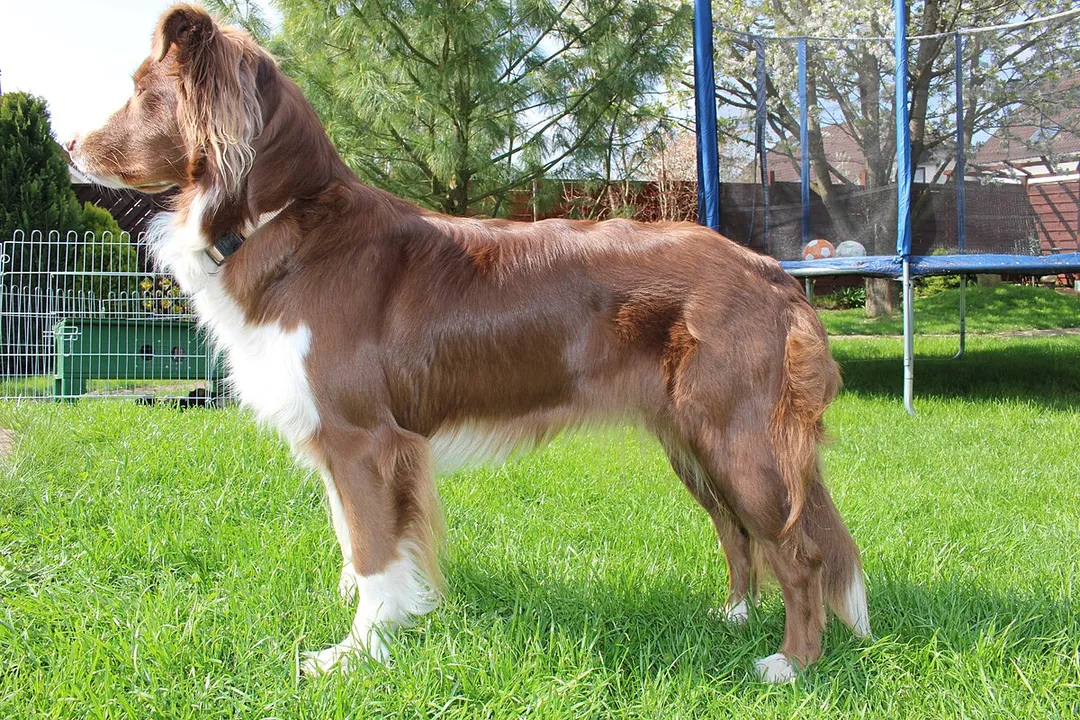
The Australian Shepherd is consistently recognized as one of the most intelligent and energetic canine breeds, traits deeply ingrained by its history and function, which ultimately define its official classification across various global kennel organizations. Far from being a recent invention, this breed carries a lineage tied to livestock management and requires an understanding of its working roots to truly grasp where it fits into the modern dog world. Its classification isn't just a label; it's a functional description of its innate drives and physical capabilities.
# Breed Group Placement
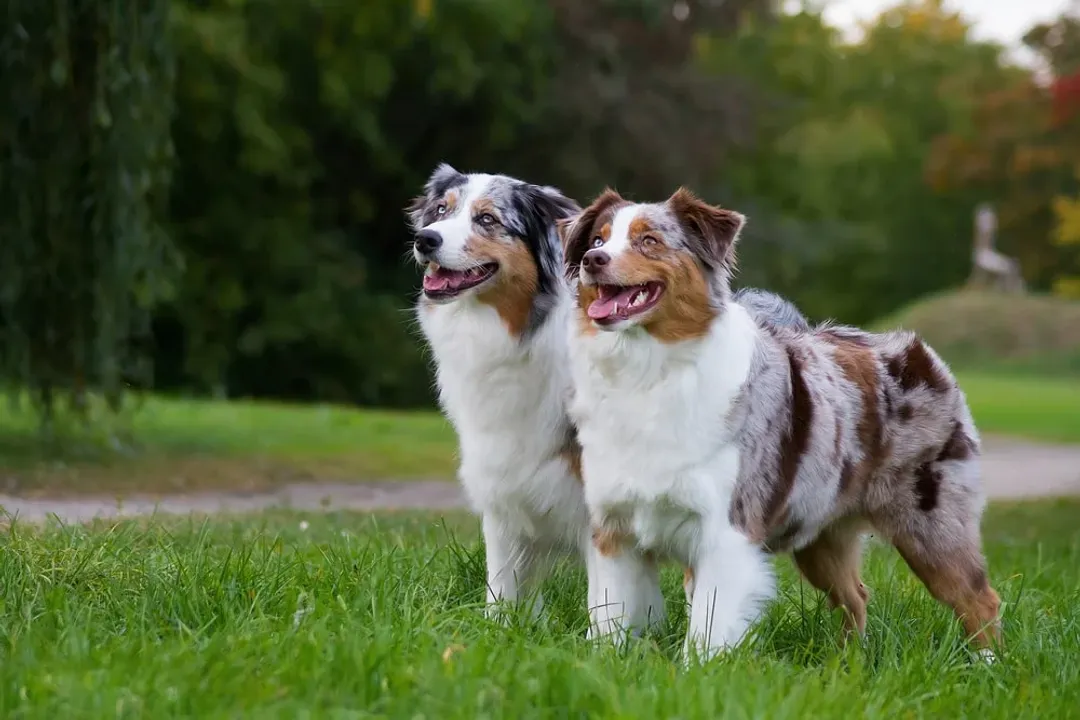
The primary way a dog is classified often depends on which major kennel club one consults. In the United States, the American Kennel Club (AKC) places the Australian Shepherd squarely within the Herding Group. This group designation speaks volumes, immediately signaling that the dog was developed primarily to move, herd, and protect livestock, such as cattle and sheep. Their agility, intelligence, and intense desire to work are hallmarks of this grouping.
Internationally, the classification follows a similar functional path, though the nomenclature differs. The Fédération Cynologique Internationale (FCI), which governs many national kennel clubs globally, categorizes the Australian Shepherd in Group 1, Section 1: Sheepdogs and Cattledogs (without working trial). This mirrors the AKC's grouping, emphasizing the breed's historical duties with grazing animals.
However, it is important to note the distinction made by some organizations regarding working trials. While the FCI standard places them in Group 1, they specify "(without working trial)" in their particular section title, which can sometimes reflect nuances in how a national club chooses to register or test the breed compared to other, perhaps more field-oriented, members of Group 1. Understanding that the core identity remains tied to herding is key, regardless of minor bureaucratic grouping variations.
# Naming Confusion
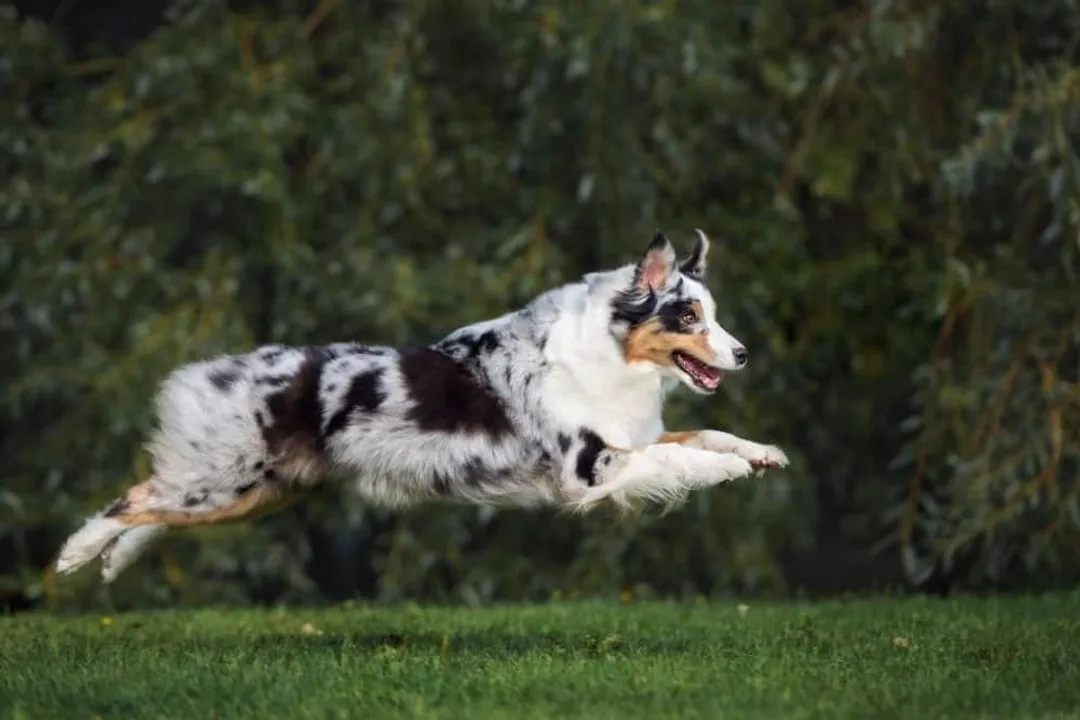
One of the most persistent points of curiosity regarding the Australian Shepherd is its name, given that its development is not strongly linked to Australia. The breed actually traces its development primarily to the American West in the 19th and early 20th centuries. The confusion often stems from the dogs associated with Basque shepherds who emigrated from Australia to the American West, bringing their capable herding dogs with them. These dogs were likely a mix of ancestral herding stock, refined in the United States to suit the demanding conditions of American ranching.
The name stuck, perhaps because the dogs were associated with the maritime trade route that passed through Australia before landing in the U.S., or simply because they arrived with shepherds who had recently been in Australia. For the purpose of formal classification, though, the origin of the name has less impact than the function the breed was developed to perform on those Western ranches.
# Working Heritage Impact
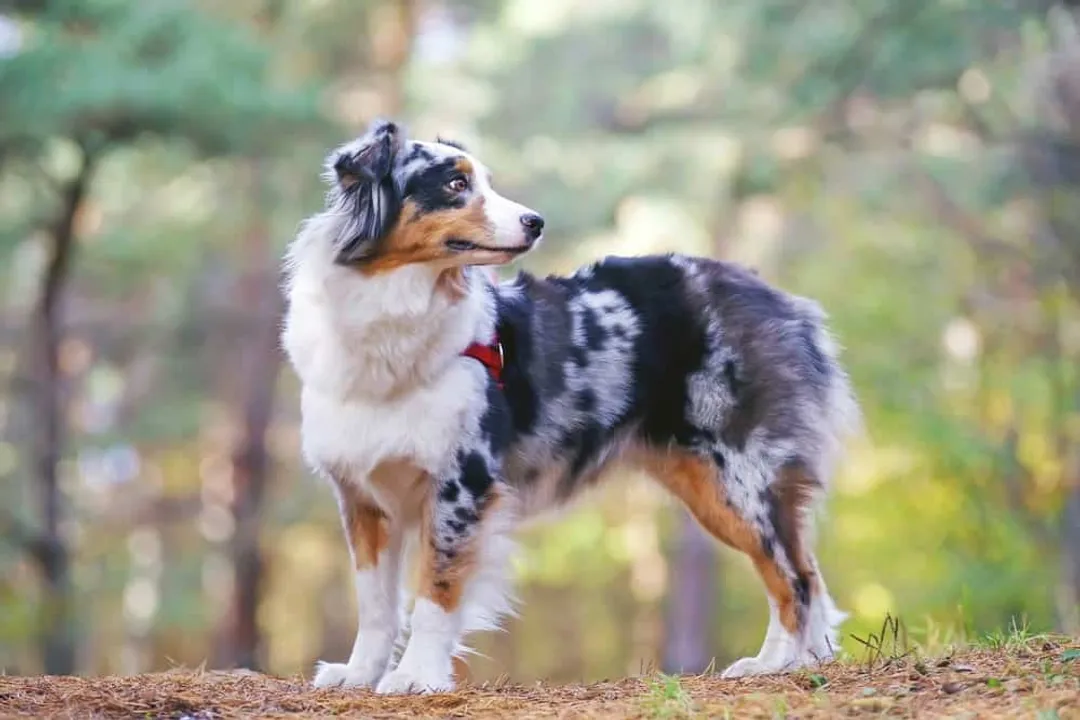
The classification of the Australian Shepherd as a herding dog is not merely historical context; it dictates their essential nature and how they interact with the world. These dogs possess an inherent need to manage and control their environment, a drive that manifests as strong herding instincts, often directed toward children, other pets, or even inanimate objects if adequate livestock is unavailable.
Their intelligence is high, often ranking among the top breeds, which is why they excelled at their work and why they are frequently sought out for dog sports like agility and obedience. This high intelligence, combined with intense energy levels, means that a sedentary lifestyle is detrimental to their well-being. If their mental and physical needs—which stem directly from their working classification—are not met, the breed can become bored, leading to destructive behaviors such as excessive barking or chewing.
If you are considering an Australian Shepherd, understanding the Herding Group classification translates into a commitment to providing substantial daily activity. A simple walk around the block will not suffice for a dog bred to cover miles of open pasture herding stubborn cattle. Consider that a highly engaged dog might need the equivalent of two hours of focused activity daily, split between vigorous exercise and complex mental tasks like advanced trick training or specific herding simulations, rather than just aimless running. This proactive management of their working drive is far more critical than worrying about their coat color.
# Registry Recognition Divergence
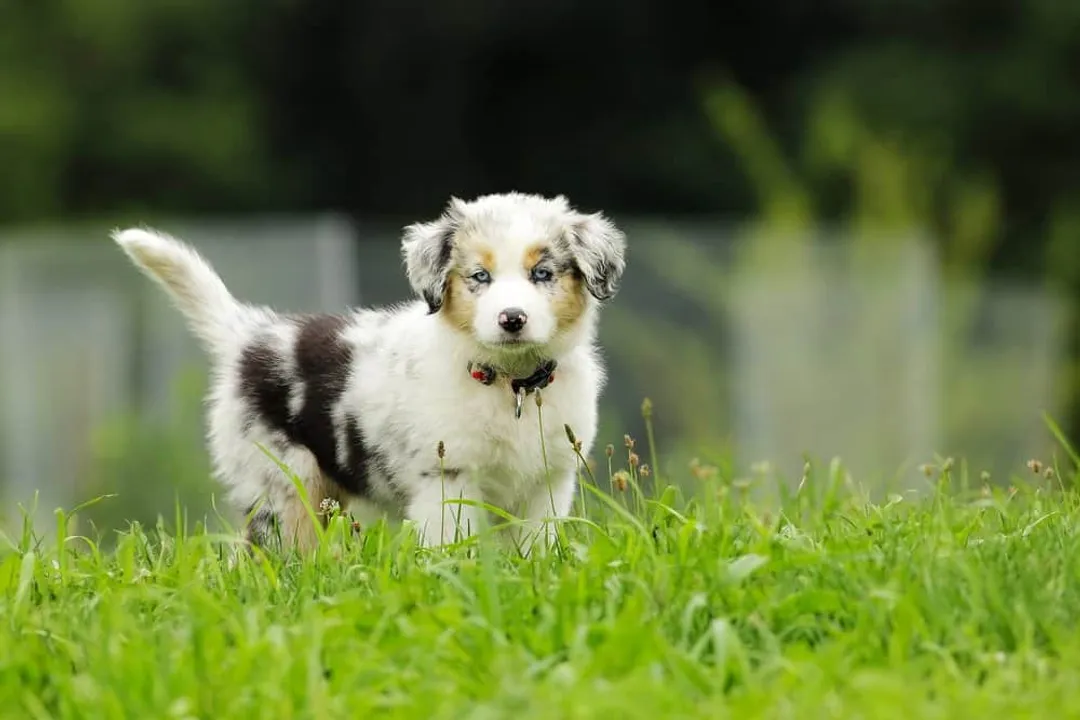
It is also noteworthy that not all significant breed organizations classify or recognize the Australian Shepherd in the same way or at the same time. For instance, the American Stock Dog Registry (ASDR) recognizes the breed, often placing an emphasis on function and preserving working lines, which aligns closely with the breed’s history. In contrast, the recognition timeline with the AKC took time. The breed gained full recognition by the AKC in 1993, being placed into the Herding Group at that time, which marked a significant step for the breed's acceptance in the mainstream conformation show circuit.
The Australian Shepherd Club of America (ASCA), established in 1957, is the primary parent club for the breed in the U.S. and maintains its own registry, often focusing more on the breed's working ability over conformation show presence. This internal difference—between a breed’s performance/working club focus and a national all-breed club focus—is common across many breeds but underscores that "classification" can be interpreted differently based on the organization’s core mission. An ASCA-registered dog may have a pedigree heavily focused on ranch work, whereas an AKC-registered dog might have a background leaning toward conformation or agility, even though both fall under the same Herding Group umbrella.
# Physical Attributes and Classification
The physical standards that define the Australian Shepherd are closely linked to their working classification. They are medium-sized dogs, built for endurance and agility rather than brute strength or sheer speed.
| Trait | Measurement/Description | Relevance to Classification |
|---|---|---|
| Height (Male) | 20 to 23 inches at the shoulder | Provides an athletic yet manageable size for working in varied terrain. |
| Weight (Male) | 50 to 65 pounds | Balanced weight supporting stamina for long workdays. |
| Coat | Medium length, water-resistant, weather-proof | Essential for working outdoors in diverse climates, from cold mountains to hot plains. |
| Eye Color | Blue, amber, brown, or any combination, including heterochromia | A distinctive trait, but not tied to function, though sometimes linked to merle coloring. |
Their structure is clearly designed for efficiency. They are slightly longer than they are tall, providing a low center of gravity for quick turns when maneuvering livestock. The FCI standard is very specific about the dog's conformation, describing the ideal structure as balanced, reflecting its need to perform for hours without tiring. This physical blueprint is what allows them to fulfill the duties associated with the Herding Group classification.
# Decoding the Herding Imperative
For a dog classified in the Herding Group, the behavior is hardwired. This goes beyond simply needing exercise; it involves a psychological need to participate. Many owners new to the breed mistakenly think a fenced yard is enough stimulation. This is a failure scenario waiting to happen. The classification implies a need for a job.
Consider the concept of "eye"—the intense stare many herding breeds use to intimidate or direct stock. While not as pronounced as in some Border Collies, the Aussie possesses this trait. If you introduce an Aussie puppy to a house with toddlers, the puppy will likely try to "herd" the children by nipping at their heels or trying to move them into a group. This behavior isn't aggression; it is a direct, untrained expression of their group classification bleeding into domestic life.
An owner who recognizes the Herding Group classification should immediately shift their focus from simple obedience (sit, stay) to task-oriented training. Instead of just teaching "fetch," teach "gather the toys and put them in the box," or enroll in a Canine Freestyle or Nose Work class. These activities mimic the problem-solving and focused movement required in herding, satisfying the genetic mandate inherent in their classification better than a simple game of fetch ever could.
# Classification and Breed Versatility
While the official classifications point to herding, the Australian Shepherd's adaptability is a major reason for its sustained popularity across many roles. They are frequently cited as excellent companions, family dogs, and performance athletes. This versatility is a testament to their high trainability and desire to please their handlers, traits honed during their development on American farms where they often had to switch from moving cattle to alerting the rancher to strangers.
It is this combination of herding drive, intelligence, and moderate size that makes them candidates for search and rescue, assistance dog work, and competitive obedience. Their classification doesn't limit them; rather, it provides the foundation upon which almost any other canine discipline can be built, provided the handler respects the underlying need for mental engagement.
When comparing the breed's various descriptions—from the spirited ranch hand to the devoted family member—the thread connecting them all is the intelligence that made them successful in their original function. Whether registered with the AKC, ASCA, or simply living on a small farm, the Aussie is a herding dog at heart, and recognizing this fundamental classification is the most important step in correctly integrating one into your life.
Related Questions
#Citations
Australian Shepherd - Dog Breeds - American Kennel Club
Australian Shepherd - Wikipedia
Australian Shepherd Dog Breed Complete Guide - A-Z Animals
Australian Shepherd - Stokeshire Designer Doodles
Australian Shepherd [American Stock Dog Registry]
[PDF] FCI-Standard N° 342 AUSTRALIAN SHEPHERD
The Australian Shepherd
Australian Shepherd - Discover Animals
Australian Shepherd Breed Facts - MetLife Pet Insurance