What category do huskies fall under?
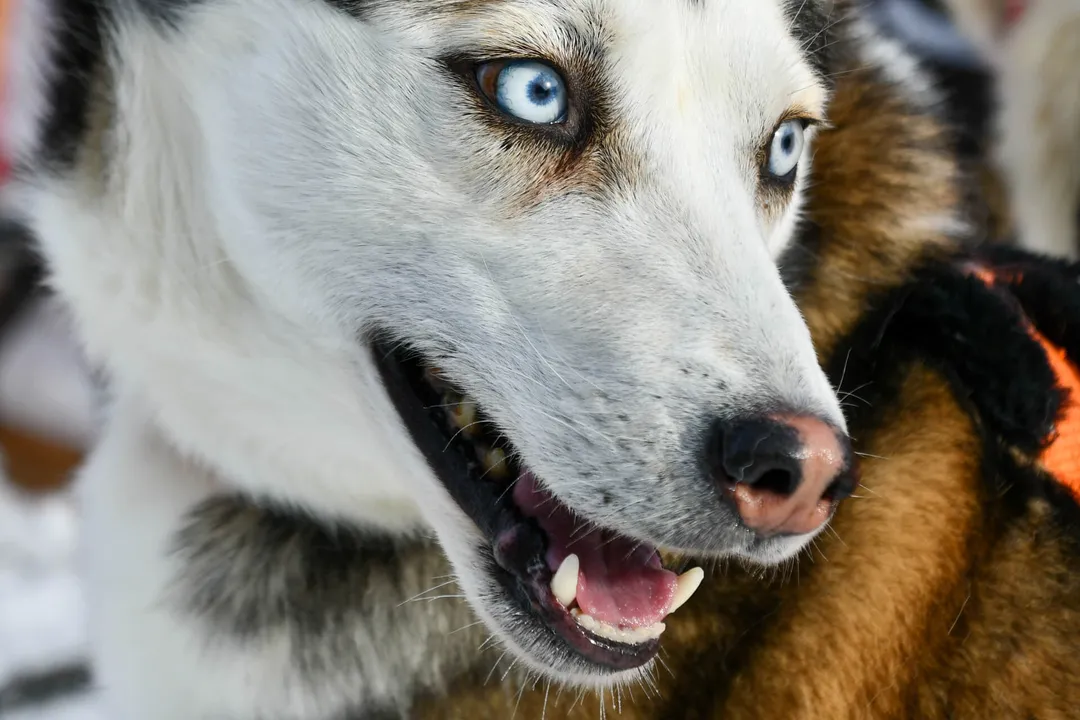
The Siberian Husky, instantly recognizable by its piercing gaze and thick double coat, carries a classification that is often misunderstood, split between an official kennel designation and the functional roles often assigned to dogs bearing the "husky" name. At its most formal level, the Siberian Husky is firmly situated within the Working Group of recognized dog breeds by organizations like the American Kennel Club (AKC). [2][7] This grouping is not arbitrary; it reflects the dog's historical purpose and inherent physical and mental structure. [1][2]
# Official Placement
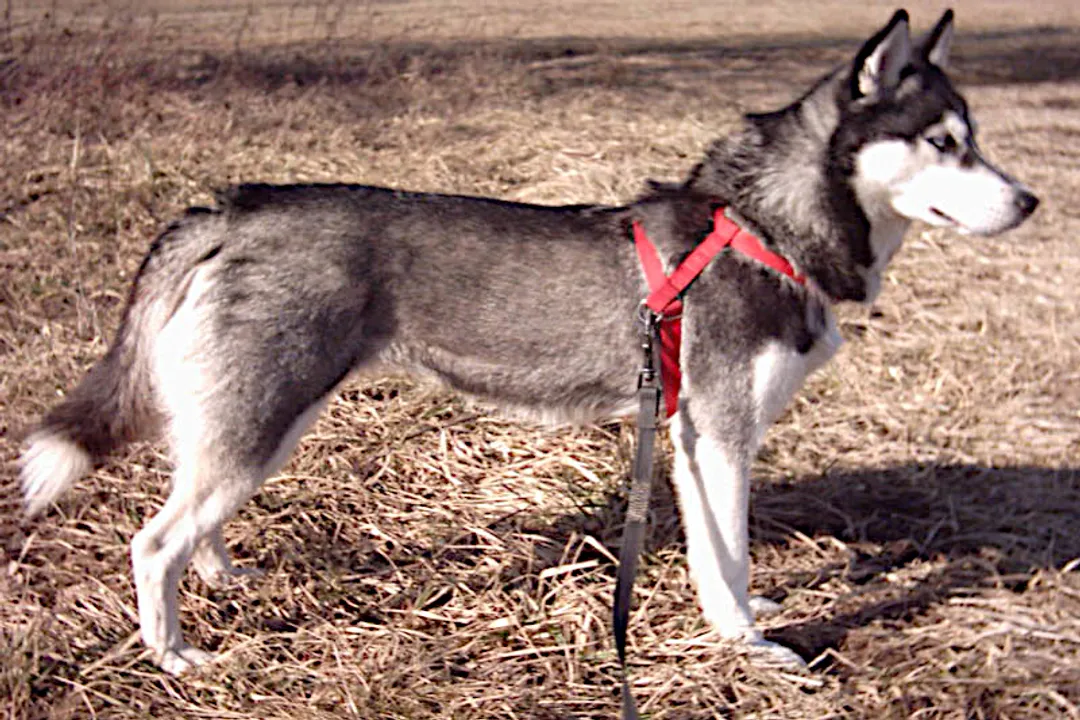
Kennel clubs organize breeds into distinct groups to help members of the public understand a dog’s general utility and the expected temperament associated with that historical job. [7] The Working Group is reserved for dogs developed to perform specific tasks essential to the community, such as guarding property, performing rescues, or, in the case of the Husky, pulling sleds. [2][7] Dogs in this category often possess considerable strength, intelligence, and stamina, traits that require dedicated management in a modern home setting. [2] The Siberian Husky's place here solidifies its identity as a powerful endurance athlete rather than merely a companion animal. [5]
# Ancient Purpose
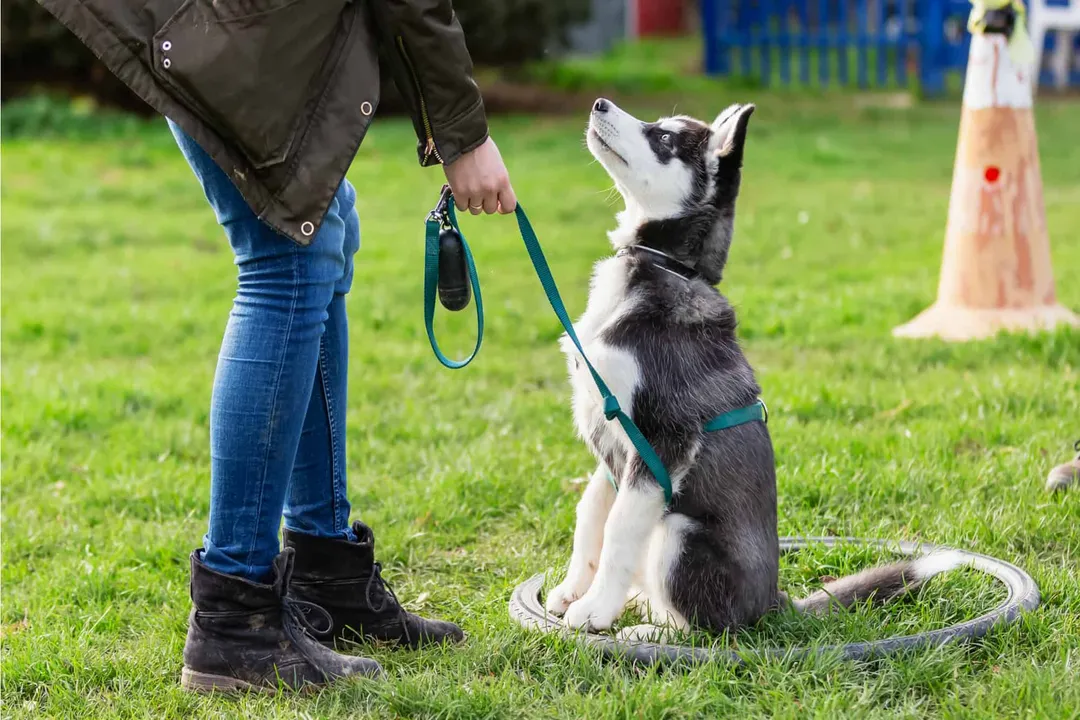
The very foundation of the Husky’s categorization stems directly from its origins in the harsh, frigid environments of Siberia. [1] Bred by the indigenous Chukchi people, these dogs were crucial for survival, tasked with pulling light loads over extreme distances at a moderate pace. [1][6] This necessity shaped a dog optimized for energy efficiency and long-term endurance, skills that place them squarely in the working class of canines. [1][5] Their structure is medium-sized, allowing for a better ratio of strength to weight compared to some of their larger sled-pulling relatives. [6] The historical context is inseparable from the breed standard; they were bred to work in teams, which is why they retain a strong pack drive and generally thrive on companionship. [3]
# Distinguishing Types
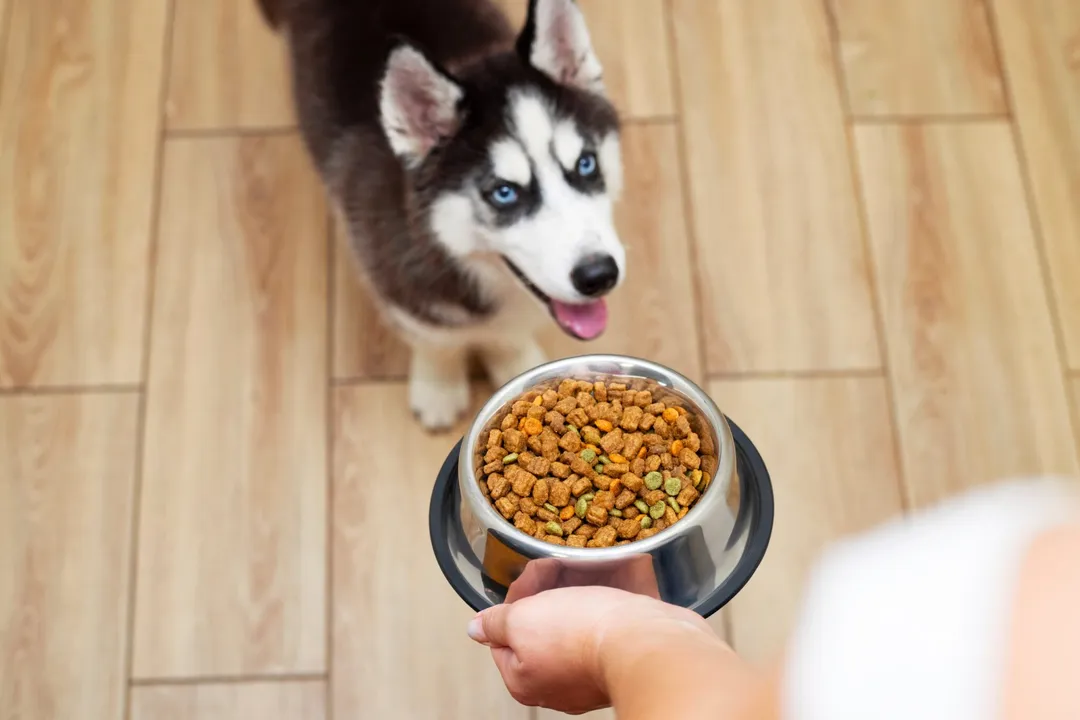
While the Siberian Husky is the recognized purebred entity fitting neatly into the Working Group, [2] the term "husky" frequently describes other Northern breeds or functional crosses, leading to significant categorization confusion. [4] It is vital to differentiate the recognized breed from other dogs often grouped under the same general name. [6]
# Alaskan Husky Versus Purebred
One of the most common mix-ups involves the Alaskan Husky. [4][6] The crucial distinction here is that the Alaskan Husky is not a standardized breed recognized by organizations like the AKC. [4] Instead, it is a type of dog selectively bred for performance in competitive sled racing. [4] These dogs are often crossbreeds, selected for speed, efficiency, and specific racing traits, sometimes incorporating the genetics of other swift breeds. [6] While they certainly fall under the functional category of a working sled dog, they do not conform to the strict breed standard of the Siberian Husky. [4] They are bred for a specific, fast-paced job, whereas the Siberian is bred for standardized endurance and conformity to a set physical blueprint. [1]
# Malamute Contrast
Another breed frequently confused with the Siberian Husky is the Alaskan Malamute. [4][6] While both hail from the far north and share a similar heritage as working dogs, they are separate breeds with distinct characteristics and official group placements. [4] Malamutes are typically much larger and heavily boned, bred to haul heavier loads at a slower pace, prioritizing sheer strength over the Siberian's speed and endurance. [4][6]
# Lookalikes
Beyond the primary working sled dogs, the term "husky" has broadened to include breeds developed to resemble the Siberian Husky, often for aesthetic or companion purposes. [4] Breeds like the Tamaskan Dog or the Utonagan often share the striking wolf-like appearance but belong to different breed development groups, sometimes falling into the Miscellaneous or Utility categories depending on the registry, as they lack the deep historical working roots of the Siberian. [4] Even the gentle Samoyed, a Spitz breed known for herding and pulling, carries a distinct lineage separate from the Siberian Husky. [4]
# Temperament Echoes
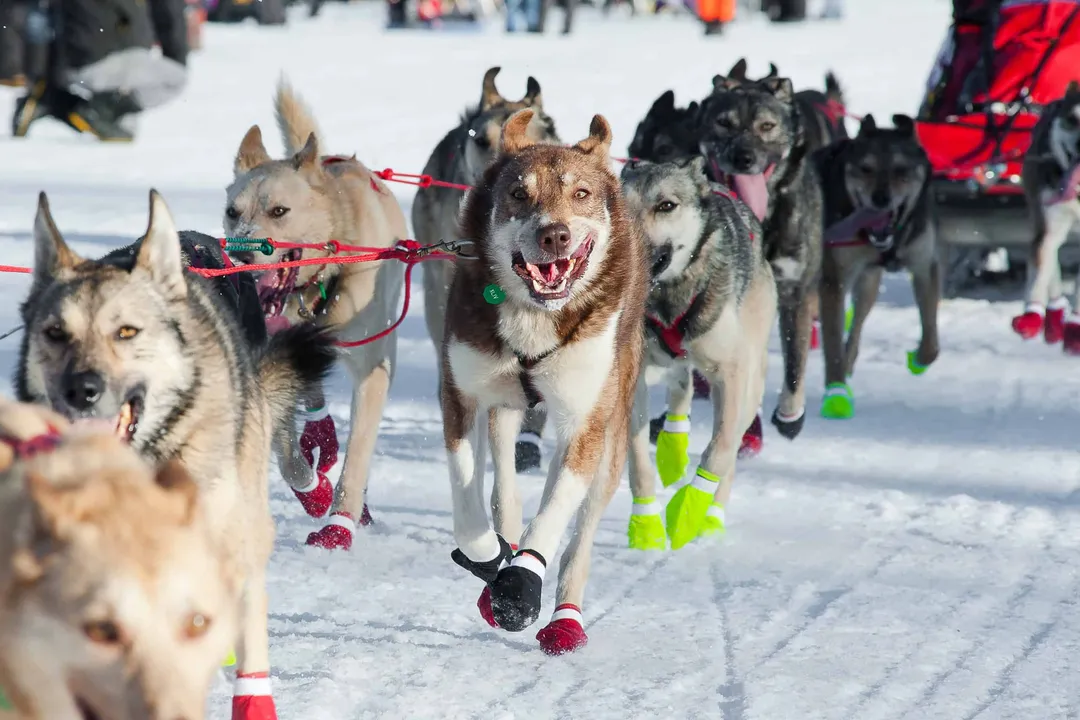
The classification of the Siberian Husky within the Working Group directly informs its personality profile. [2] These dogs are exceptionally intelligent, energetic, and famously independent. [3] Their heritage requires them to think for themselves while running long distances, meaning they were not selectively bred for an intense desire to please a handler in the same way a Sporting or Herding dog might be. [3] This independence manifests as mischievousness and a notable tendency toward wandering or digging—behaviors directly linked to the traits that made them excellent, self-sufficient northern workers. [2][3] They are generally friendly, even outgoing, and are remarkably poor guard dogs because they tend to view strangers as potential new pack members rather than threats. [3]
When considering adoption, recognizing this classification means understanding that the dog's primary drives are rooted in movement and companionship, not obedience competition or guarding the home. An owner should anticipate that the energy inherent in a Working Group dog demands a lifestyle that accommodates significant physical output. A casual walk around the block will not satisfy the instinct bred into them over centuries of trotting across the tundra. [5] This biological imperative means that meeting their exercise threshold isn't merely about keeping them healthy; it's about preventing behavioral issues stemming from boredom and pent-up working drive. [2]
For instance, if you observe a Siberian Husky obsessively watching squirrels or attempting to "escape" the yard, this behavior can be viewed through the lens of their original job description. They were bred to cover vast territories; confining that natural inclination into a small suburban space without an outlet results in frustration that presents as destructive behavior. [3]
This classification also influences their pack mentality. Because they were conditioned to run and survive in close-knit teams, Huskies usually bond strongly with their human families, treating them as their primary pack. However, this intense pack focus means they often do not do well when left isolated for long periods, which can lead to anxiety and destructive attention-seeking behaviors. [3]
# Analysis of Ownership Demands
The shift from a working environment to a domestic one presents a unique management challenge rooted in their category placement. Many prospective owners are drawn to the breed's stunning appearance, perhaps thinking of the docile dogs seen in movies or advertisements. [1] However, the reality of owning a dog from the Working Group requires a significant time commitment that rivals owning a high-drive herding dog, perhaps even exceeding it due to the Husky's unique vocalizations and desire for freedom. [2][5]
Consider the energy calculation: A well-conditioned Siberian Husky is designed to cover perhaps fifty miles a day. A typical family might walk their dog for thirty minutes in the morning and evening. This represents less than one percent of their historical work requirement. Therefore, successful ownership often involves channeling that energy into specialized sports like carting (pulling a cart on dry land), engaging in demanding canicross (running with the dog attached), or structured, high-intensity recall training in secure areas. [5] The failure scenario is often predictable: an under-exercised Husky channeled into destructive behaviors because their inherent need to work—to use their legs and lungs—remains unmet. [3] This goes beyond general exercise; it requires an understanding that their brain needs a task reflective of their powerful working lineage. [2]
In summary, when asking what category the Siberian Husky falls under, the answer is two-fold. Officially, they are a member of the Working Group, designated by kennel clubs based on their historical role as sled dogs. [2][7] Functionally, they are an endurance athlete whose identity is often blurred with the performance-driven, non-standardized Alaskan Husky and the stronger Alaskan Malamute. [4][6] Understanding this categorization is the single most important step for anyone considering bringing this ancient, spirited breed into their home. [1][5]
Related Questions
#Citations
Siberian Husky - Wikipedia
Siberian Husky Dog Breed Information - American Kennel Club
The character of huskies
What types of huskies are there? - Reddit
What is a Husky? Learn about Siberian Huskies
22 Types of Huskies - SpiritDog Training
Husky Dog Breed Complete Guide - A-Z Animals
Siberian Husky - Wild Kratts Wiki - Fandom