What can I feed my pet beetle?

The first thing any prospective beetle owner needs to internalize is that "beetle" covers an astonishing variety of insects, and what one species thrives on might be poison to another. Giving the right sustenance requires identifying exactly what kind of beetle you are keeping, as the dietary needs of a large, wood-boring larva differ dramatically from those of a short-lived, sap-sucking adult. Getting the feeding regimen right, especially across life stages, is the cornerstone of successful care.
# Larval Diets
For many popular pet beetles, like Stag beetles (Lucanus) or Rhino beetles (Dynastinae), the bulk of their life is spent in the larval stage, sometimes for months or even years. This stage demands the most specific attention because the larva is building the energy reserves needed for metamorphosis and eventual adulthood.
# Substrate Essentials
The primary food source for many larvae is not a fresh item dropped in daily, but the substrate itself. For species that are detritivores, this usually means providing well-rotted organic matter. Rhino beetle larvae, for instance, are commonly fed a mixture based on wood mulch, compost, or decaying hardwood like oak or beech. The quality of this substrate is paramount; if the material is not decaying properly, the larva won't receive the necessary nutrients.
It is vital to recognize the difference between a simple bedding material and actual food. In many cases, the substrate is the food. If you are keeping a species requiring specific wood breakdown—sometimes called "white rot" or "brown rot"—simply using any old wood chips will not suffice; you must source the correct decaying wood for the specific species. Poor substrate quality or incorrect composition can lead to stunted growth or failure to pupate.
# Supplemental Larval Food
While substrate forms the bulk of the diet, keepers often provide supplements to boost larval development. This is where you might introduce higher-nitrogen materials or specialized commercial foods. Some keepers mix in things like crushed dried leaves or a small amount of protein sources, though this must be done carefully to avoid over-moisturizing or encouraging mold growth in the main enclosure.
When adding soft, moist supplements to a deep substrate enclosure, consider the overall moisture balance. A large piece of melon, for example, can introduce a significant amount of water that may spoil the surrounding wood chips before the larva can consume them. It's often better to offer high-moisture supplements sparingly, perhaps mixed into a small, separate feeding cup within the main substrate, rather than buried deep where spoilage goes unnoticed.
# Adult Nutrition
Once a beetle emerges as an adult, its nutritional focus shifts significantly. While the larva requires bulk and slow digestion, the adult generally needs high-energy sources to fuel flight, mating, and egg production, if applicable.
# Sugars and Fruits
For many popular pet beetles, especially those in the Scarabaeidae family (like Rhino beetles), the adult diet revolves around sugars, often derived from fruit or manufactured jellies. These are essentially quick energy boosters. Common offerings include slices of apple, banana, pear, or melon.
It is a good practice to offer a variety of soft fruits, rotating what you present. For instance, one day it might be a piece of ripe cantaloupe, and the next, a wedge of sweet potato. Ensure that any fruit offered is fresh and free from mold or fermentation. A beetle feeding on spoiled food is a beetle headed for digestive trouble.
# Specialized Jellies
Many experienced keepers rely on commercially available beetle jellies or artificial nectar mixes. These are specifically formulated to provide the necessary sugar content along with trace minerals and vitamins that a simple fruit diet might lack. These jellies often come in small plastic cups that can be placed directly in the habitat. They are convenient because they resist drying out and fermenting as quickly as fresh fruit, making them an excellent staple, supplemented by fresh produce.
# Carnivorous Needs
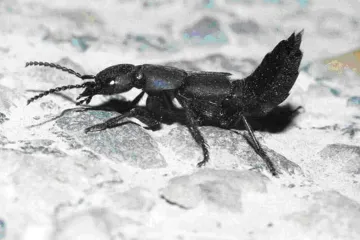
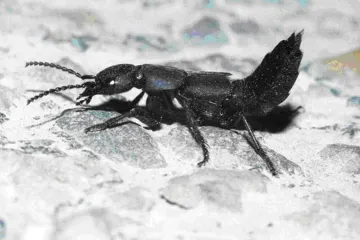
Not all beetles eat plants or decaying wood. Some, like the Devils Coach Horse Beetle (Ocypus olens), are predators, and their diet reflects this. These beetles require protein. You cannot feed a predator beetle a slice of apple and expect it to thrive. Their diet must consist of small, soft-bodied invertebrates, such as small crickets, mealworms, or even tiny pieces of raw, unseasoned meat scraps or fish scraps. If keeping a carnivorous species, understanding their prey base is as important as understanding the substrate for a detritivore.
# Hydration Needs
Hydration is a constant requirement for all beetle stages, although the delivery method changes. Larvae generally receive adequate water from the naturally moist substrate they inhabit. Adults, however, need a more direct source, as dried fruit alone may not be enough, particularly in dry enclosures.
Water can be provided by offering high-moisture fruits like melon or citrus (though citrus itself can be problematic, see below). Another method is placing a small, shallow dish of water in the enclosure, perhaps partially buried or placed on a stone so the beetle does not accidentally fall in and drown. If using a water dish, it needs to be kept clean and changed frequently. Some keepers prefer misting the enclosure lightly instead of using standing water, provided the substrate remains only damp, not soaking wet.
# Diet Dangers
While providing food is important, knowing what to withhold is even more critical for beetle safety. Certain common household foods are toxic or unsuitable for beetles.
# Toxic Produce
Citrus fruits are frequently listed as items to avoid. While some keepers report success with very small amounts of some citrus, many advise against it entirely because the acidity and essential oils can be harmful to the beetle’s delicate system. A general rule of thumb is to avoid fruits with strong, high-acid content. Similarly, avoid avocados, as they are toxic to many insects.
# Processed Items
Never feed beetles processed human food. This includes bread, cooked meats with seasonings, dairy products, or anything containing preservatives, salts, or refined sugars. These items can cause severe digestive upset, rapid spoilage, and attract unwanted mites or mold to the habitat. If a beetle requires protein, it should come from plain, raw sources or commercially prepared beetle supplements, not from your dinner leftovers.
# Feeding Schedule
The frequency of feeding depends heavily on the beetle's life stage and the type of food being offered.
# Monitoring Larvae
Larvae, being slow-moving and consuming their substrate, are often not fed fresh food daily. Instead, the focus should be on maintaining the quality and moisture level of the main substrate. If you are supplementing, check the supplemental food every few days and remove anything that shows signs of mold or excessive drying.
# Adult Maintenance
Adult beetles generally require daily access to a food source, though this doesn't mean a new, full piece of fruit every day. If you provide a piece of apple, it may last two or three days, depending on the heat and humidity of the enclosure, before it needs replacement due to fermentation. Beetle jellies are often good for several days before drying out. For carnivorous species, prey items must be removed promptly if uneaten to prevent the introduction of mold or mites into the habitat.
For the fruit-eating varieties, try to ensure that at any given time, there is something available for them to snack on, but not so much that half the food rots before it is consumed. If you notice rapid consumption, you might increase the size of the offering slightly, but always prioritize freshness over quantity.
# Comparing Care Demands
It is interesting to note how different care sheets emphasize different aspects based on the target species. For instance, one guide focused on the Rhino Beetle stresses the specific needs of the wood-based substrate and the importance of pumpkin or specialized food for the adult. In contrast, advice concerning a predator like the Devils Coach Horse places near-total emphasis on providing appropriate, live or fresh dead invertebrate prey and a safe environment for hunting. This comparison highlights that expertise in one beetle type does not automatically translate to another. If you are caring for a generalized, commonly sold beetle, you are likely dealing with the fruit/jelly/wood-substrate dynamic. If your beetle is a local ground beetle or rove beetle, protein will be the defining factor in its continued survival.
# Finalizing the Plate
Ultimately, feeding your pet beetle successfully is about observation and consistency. Learn the natural diet of your specific species—Is it a sap-feeder, a fruit-eater, or a predator? Once you know that baseline, provide fresh, appropriate options consistently, manage moisture levels carefully, and strictly avoid known toxins like citrus or processed food. A well-fed beetle is a healthy beetle, capable of completing its life cycle, whether that means years as a grub or a few months as a striking adult.
#Videos
How To Care For Adult Beetles | Beginner's Guide | Pets - YouTube
How to Care for Hercules Beetles! - YouTube
How to Prepare Food for and Feed Your Pet Blue Death Feigning ...
Related Questions
#Citations
What to feed the beetle? : r/Beetles - Reddit
How To Care For Adult Beetles | Beginner's Guide | Pets - YouTube
What to feed a rescued darkling beetle in a terrarium? - Facebook
How to Care for Your Adult Beetle
Keeping beetles as pets - Keeping Insects
Rhino Beetle Care Sheet - Bugs In Cyberspace
How to care for a Devil's coach Horse Beetle - Quora