Is sweet alyssum pet safe?

The question of plant safety for household companions is a frequent concern for gardeners who share their space with curious pets. When considering Alyssum, particularly the popular sweet alyssum variety, pet owners look for clear assurances regarding its potential toxicity. Fortunately, established veterinary and animal welfare organizations classify sweet alyssum as non-toxic to dogs, cats, and horses. [1] This classification is quite reassuring for those who wish to incorporate this low-growing, fragrant annual into their landscaping or container gardens. [7]
# Toxicity Status

Official veterinary poison control resources confirm the non-toxic status of sweet alyssum for common household pets. [1] This means that accidental ingestion, which is perhaps the most common way pets interact negatively with ornamental plants, is unlikely to result in a toxic reaction or poisoning event. [2] Experts involved in animal health lists affirm that the blooms and the green parts of the sweet alyssum plant do not contain recognized toxins harmful to dogs. [2] This makes it a relatively safe choice when compared to other common garden blooms that carry significant toxicity risks.
# Mild Ingestion Risks
While the plant is deemed non-toxic, it is important to maintain a balanced perspective on pet consumption. In the world of veterinary toxicology, "non-toxic" generally refers to the absence of compounds that cause systemic poisoning or severe organ damage. [1] However, ingesting any foreign plant material, regardless of its inherent toxicity rating, can sometimes lead to mild gastrointestinal upset in sensitive animals. [2]
This mild reaction might manifest as temporary vomiting or diarrhea, simply because the pet's stomach is not accustomed to processing fibrous material. [2] For example, if a dog happens to graze heavily on a large patch of sweet alyssum, or consumes a significant amount of soil along with the plant, minor digestive discomfort is a possibility, though not due to chemical poisoning. [2] Owners should always monitor their pets after they sample new vegetation, but the level of concern associated with sweet alyssum remains low. [1][2]
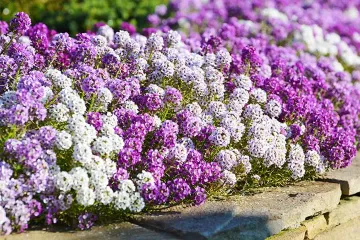
# Companion Planting Uses
Sweet alyssum is often selected for its ability to create a dense, fragrant groundcover or spill attractively over container edges. [7] For those designing outdoor spaces accessible to dogs, its safety profile allows for more creative placement. [4] Gardeners in various regions find that sweet alyssum thrives well, sometimes even persisting in certain climates or protected spots that see dog traffic. [5][9]
Beyond its looks and safety, sweet alyssum offers tangible benefits to the garden's overall health, which indirectly creates a better environment for pets. For instance, this plant is well-regarded in agricultural settings, such as small farms, for its ability to attract beneficial insects. [8] These beneficials, like certain predatory wasps or hoverflies, help control pests naturally, reducing the need for chemical treatments that are dangerous to pets. [8] Choosing a plant that supports natural pest control is a good secondary strategy when creating a pet-friendly landscape.
When considering where to place sweet alyssum, especially if you have a puppy that chews everything or a dog prone to digging, you might want to plant it in rock gardens or slightly elevated borders rather than directly in the main lawn area where it could be easily uprooted or consumed en masse. [5] Even safe plants are best kept out of the direct line of fire for a determined chewer.
# Comparing Safety Across the Garden
Understanding sweet alyssum's safety often benefits from a quick comparison with other common landscaping choices. While sources confirm alyssum's benign nature, [1][2] many gardeners are simultaneously trying to keep pets away from known hazards like lilies, tulips, or rhododendrons. [3] The peace of mind offered by a non-toxic groundcover like alyssum means you can focus your vigilance on other, more dangerous species present in the yard. [3]
For instance, if you are seeking to establish a dense, low-maintenance planting around a dog run or patio edge where spills are common, sweet alyssum provides color and scent without the risk profile of toxic alternatives often found in perennial borders. [4] When integrating various plant types into a pet-friendly space, prioritizing known non-toxic options first, like alyssum, simplifies the overall management plan. [9]

# Practical Vigilance
Even with a non-toxic plant, maintaining a healthy pet environment requires observation. If your dog or cat consumes a large volume of any garden material, contacting your veterinarian or a pet poison control center is always the recommended first step, just to rule out any non-toxin-related issues like foreign body obstruction, although this is rare with soft foliage like alyssum. [2]
Remember that the label "non-toxic" refers to the plant itself, not the soil or fertilizer used around it. Ensure that any amendments, pesticides, or snail/slug baits placed near the sweet alyssum are also pet-safe, as these chemical products pose a far greater acute risk than the plant's foliage. [1] A garden that incorporates safe plants and safe maintenance practices offers the best defense for your companion’s health. [8]
# Characteristics of Alyssum
Sweet alyssum (Lobularia maritima) is appreciated for its ease of growth and its low, spreading habit, rarely growing taller than a few inches. [7] It creates a carpet of tiny flowers, often white, purple, or pink, that bloom profusely through the season, especially in cooler weather. [7] This consistent blooming, often needing just deadheading or light trimming, makes it a reliable border plant in many climates. [7] Its ability to thrive in cooler conditions means it can often be one of the earliest blooms or latest holdouts in the garden season, providing color when other plants are dormant. [5][9] This reliability, combined with its safety, makes it a strong candidate for year-round visual interest near pet activity zones.
Related Questions
#Citations
Alyssum | ASPCA
Is Alyssum Toxic to Dogs? Expert Answers on Dog Safety | JustAnswer
Flowers That Are Toxic and Non-Toxic to Dogs in Colorado Springs
Designing a Pet-Friendly Garden
Alyssum hardiness with dogos? : r/gardening - Reddit
Is Alyssum Poisonous? - Plant Addicts
Learn About Alyssums | Burpee Gardening
Sweet Alyssum to Attract Beneficials
10 Dog-Safe Plants That Thrive in the Pacific Northwest