How to tell if your yard has chiggers?
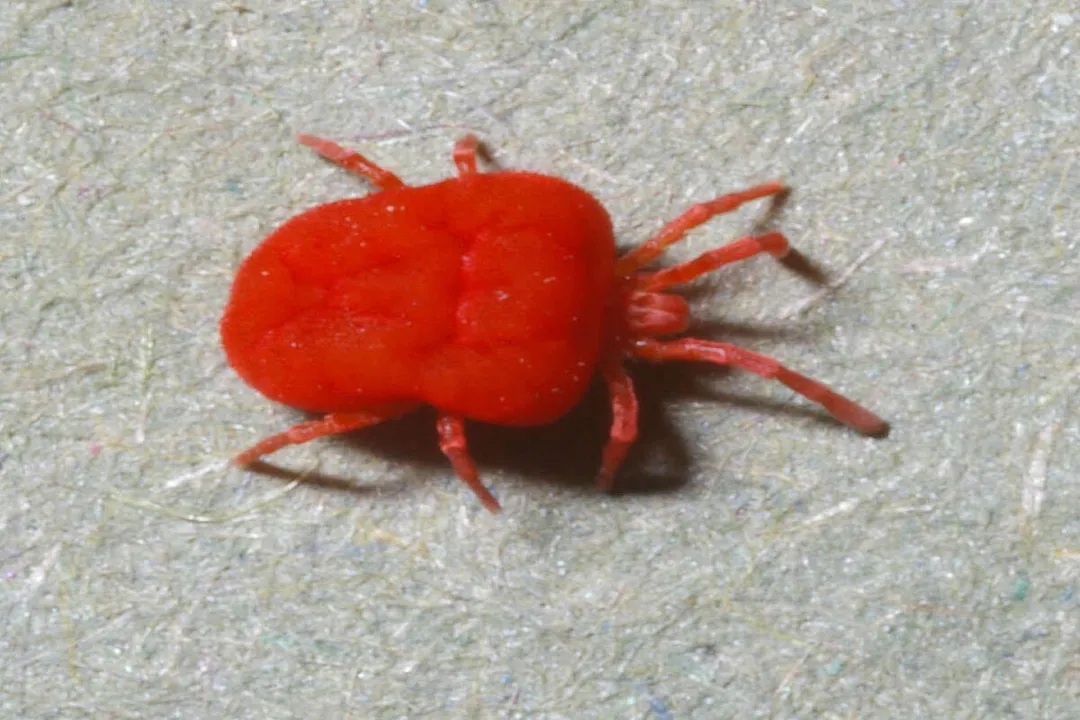
The first sign of trouble usually isn't seeing the pest itself, but rather the aftermath: an intensely itchy rash that seems to appear out of nowhere after spending time outdoors. Distinguishing chigger bites from other common insect irritations, like mosquito or flea bites, is the first step in managing the situation, but confirming their presence in your lawn requires looking beyond your skin and into the environment where these tiny nuisances thrive. [1][7]
# What Chiggers Are
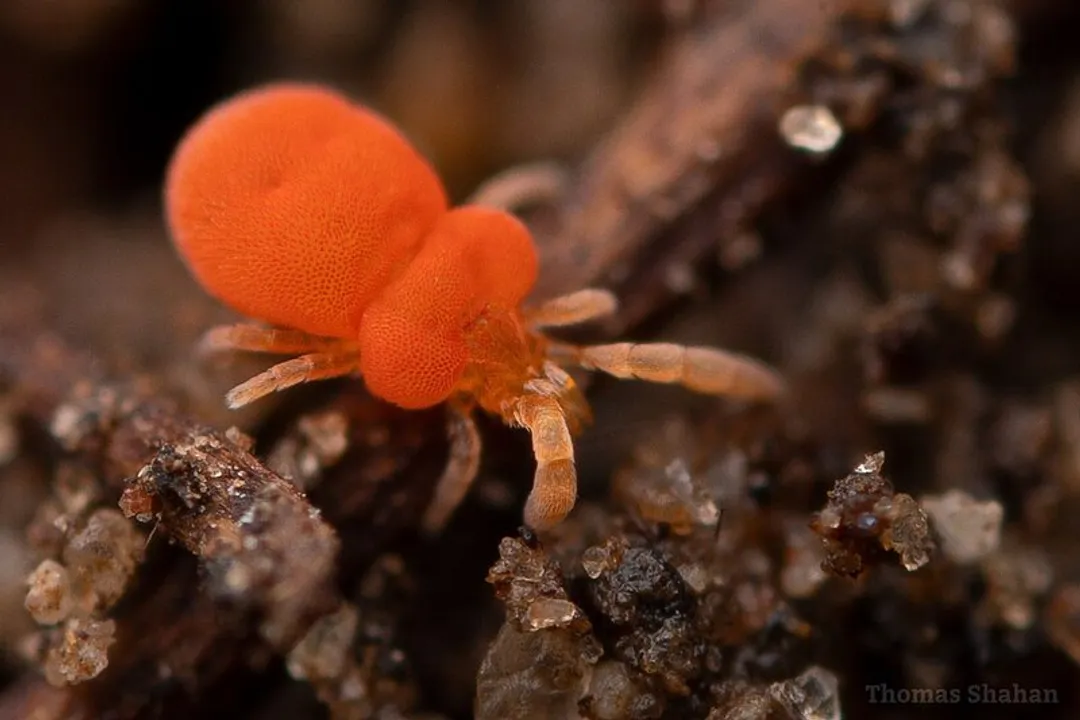
Chiggers, often called "red bugs," are not true insects; they are the larval stage of mites belonging to the Trombiculidae family. [4][8] These larvae are minute, often described as smaller than a pinhead or about th of an inch, making them nearly impossible to see with the naked eye unless they are moving across lighter-colored skin. [1][4] They are typically bright red or orange, though some species can appear yellowish or whitish. [4] A key difference between chiggers and biting flies or mosquitoes is that chiggers do not suck blood; instead, they inject a digestive enzyme into the skin to dissolve tissue, then feed on the liquefied skin cells. [1][2] This feeding process is what causes the severe itching and characteristic rash. [2]
# Bite Signs
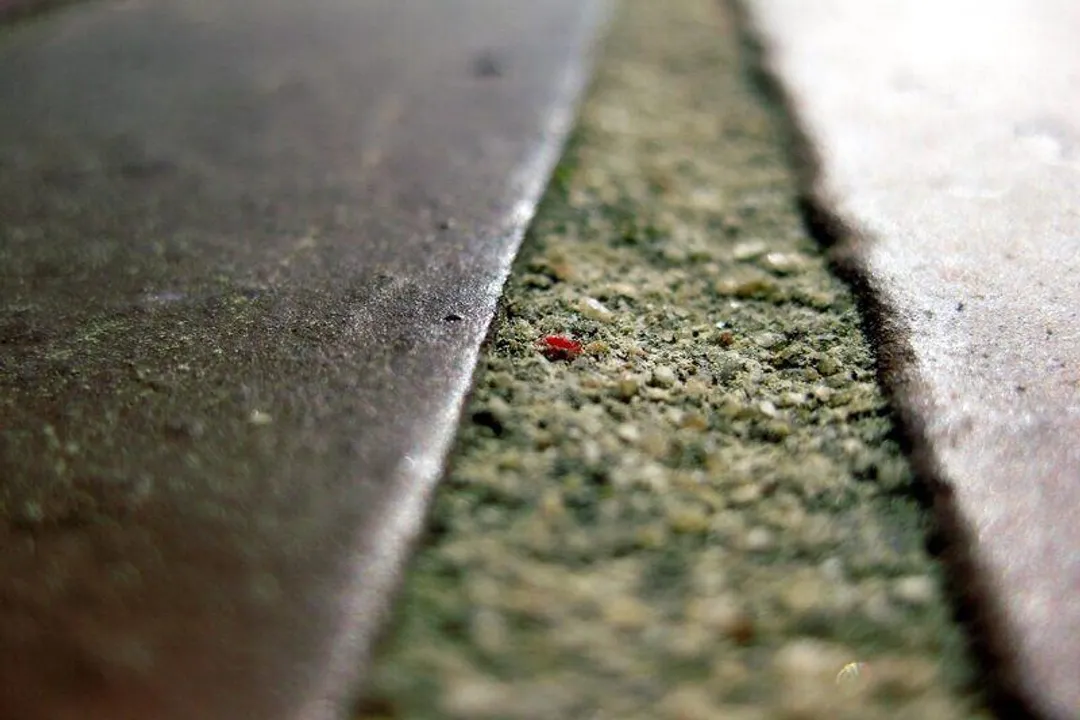
The most telling evidence of a chigger infestation comes from the reaction on the skin, though this reaction often has a delayed onset, which can complicate diagnosis. [1] Unlike a mosquito bite that itches almost immediately, chigger bites often become noticeably itchy hours after the initial exposure, sometimes not until the person is back indoors. [1][2]
The bites themselves often appear as small, red, raised welts or bumps, sometimes called papules, and they are frequently mistaken for pimples or allergic reactions. [1][2] They cluster in areas where clothing is tight or where skin folds meet, as the chiggers crawl around before attaching to feed. [1][7] Common bite locations include the ankles, waistline, groin, armpits, and behind the knees. [1][5] Some sources note that because the chigger is so small and often brushes off before feeding is complete, bites may sometimes appear in lines or clusters where clothing restricted movement. [2]
Here is a quick comparison of where chiggers typically target versus other common biters:
| Biting Pest | Preferred Bite Locations | Mechanism |
|---|---|---|
| Chiggers | Ankles, waistline, creases, skin folds [1][5] | Inject digestive enzymes, feed on liquefied skin cells [1][2] |
| Fleas | Lower legs, ankles (often around pet bedding) [3] | Bite repeatedly, usually clustered near the attachment point [3] |
| Mosquitoes | Exposed skin, arms, neck, face | Suck blood; reaction is usually immediate [2] |
If you notice intense itching starting several hours after being outside, especially after walking through tall grass or brush, chiggers are a strong possibility. [1][7] The itching can last for days or even weeks if scratching leads to secondary infection. [1]

# Where Chiggers Hide

Confirming chiggers in the yard is often more challenging than diagnosing the bites, as the larvae are microscopic. [8] They thrive in specific environmental conditions, preferring areas with tall grass, brush, and shaded, moist ground. [3][6] They are not typically found in frequently mowed, sunny lawns. [3]
Chiggers do not burrow into the skin nor do they stay attached for long periods; once they have fed, they drop off the host. [2][4] However, they remain in the immediate vicinity, often clinging to vegetation ready to attach to a new host. [8]
Key habitat indicators to check in your yard include:
- Tall Grass and Weeds: Chiggers are often most concentrated along the edges of lawns where grass meets wilder areas, or in patches of unkempt, tall grass. [3][6] They climb vegetation, waiting for a host to pass by, usually staying within about 18 inches of the ground. [8]
- Shade and Moisture: Areas that retain moisture and receive less direct sunlight—like dense shrubbery bases or low-lying, damp spots—create ideal breeding and resting environments. [3][6]
- Wildlife Trails: Since many wildlife species serve as hosts, chigger populations can be denser along established animal paths or borders between your property and wooded areas. [6]
A practical, non-scientific test you can perform involves using a simple piece of material. If you suspect an area is infested, you can stand in that spot for about 10 to 15 minutes wearing light-colored socks pulled up over your pant cuffs. [3][8] After carefully inspecting the socks, if you see tiny red specks clinging to the fabric, it is a strong indicator that chiggers are present in that specific location. [3][8] Because the larvae are very small, a magnifying glass might be necessary for confirmation. [4] It is important to repeat this test in various spots of concern, as infestations are rarely uniform across an entire yard; they tend to be spotty. [6]
# Seasonal Patterns
The activity level of chiggers is heavily dependent on the weather, which helps narrow down when you should be on alert. [8] They flourish in warm, humid conditions. [1] In many regions, this means peak activity occurs from late spring through the heat of the summer and into early fall. [1][8] For instance, when temperatures consistently rise above (), chigger activity increases significantly. [8] If you are dealing with unexplained itching during a cool, dry spring or late fall, while chiggers are still possible, you might want to investigate other pests like fleas or ticks which can be active in cooler weather too. [3] Understanding the seasonal peak allows homeowners to be most vigilant in areas like play structures or frequently used seating areas during the warmest months. [8]
# Active Detection Methods
While the sock test is a good environmental indicator, sometimes the only way to confirm chiggers is by observing the behavioral reaction of an exposed person, especially when bites cluster in unusual ways. The way chiggers attack often creates a failure scenario for identification: if you spend hours outdoors and only develop itching hours after coming inside, and the rash is localized to areas where clothes were tightest, you can reasonably suspect chiggers over, say, poison ivy, which causes a rash wherever the oil touches the skin. [2]
If an area is highly infested, a person might feel a tingling, prickling, or slightly numbing sensation on the skin as the chiggers begin attaching, though this is often subtle and missed. [1][4] To add another layer of home testing, consider how the itching changes with temperature. Chigger irritation often intensifies with heat and moisture—meaning a warm shower or putting on tight clothing after coming inside can suddenly make the itch unbearable, a reaction less common with mild allergic rashes. [2]
A crucial point to note is that chiggers are not unique to rural or wooded areas; they can establish themselves in suburban lawns if the conditions—high grass, moisture, and shade—are met. [3][5] If your children play in a specific, overgrown corner of the yard and exclusively develop bites there, focus your detection efforts on that microclimate. [7]
# Yard Management and Prevention
Once you suspect or confirm chiggers are present, proactive yard maintenance is the most effective long-term defense, as treating the ground directly can be complex due to their minuscule size and habitat. [3][9] The goal is to make your yard less hospitable to them.
# Mowing and Clearing
Reducing the habitat they prefer is primary. Keep your lawn manicured. Mow grass regularly and keep it short, especially in play areas and around patios. [3][9] Clearing away debris, leaf litter, and excessive brush removes the shaded, moist cover chiggers rely on for shelter. [6][9] When mowing, focus on trimming back tall vegetation along property lines or fence edges, as these transitional zones are often where chiggers accumulate. [8]
# Moisture Control
Chiggers thrive in dampness. Address any areas where water pools or stays saturated after rain. [6] Improving drainage in low spots or making sure sprinkler heads aren't over-saturating turf can help reduce favorable breeding grounds. [3]
# Creating Barriers
Physical barriers can protect areas where people gather. Creating a buffer zone of gravel, wood chips, or regularly treated, sunny lawn around active play areas or patios can discourage chiggers from migrating into high-traffic zones. [9] If you have a sand play area for children, ensure the sand is kept dry, as chiggers generally avoid dry, loose soil. [7]
One valuable, low-chemical approach involves creating a physical buffer: establishing a three-foot-wide band of fine gravel or cedar mulch around decks, swing sets, and the perimeter of the yard before the tall grass begins. This dry, loose substrate acts as a natural deterrent against the damp-loving larvae attempting to climb up toward human activity centers. [9]
# Chemical Treatments
If environmental management isn't enough, insecticides can be used, though they require careful application because chiggers are so small and reside low to the ground. [3] Most effective chemical treatments target the larval stage when applied to grass and low-lying vegetation, not the soil itself. [6] Products containing active ingredients such as permethrin or bifenthrin are often recommended for control on landscape surfaces. [9]
It is critical to check local regulations regarding pesticide use and to follow label instructions precisely, paying close attention to re-entry intervals (REI) to ensure children and pets are safe after treatment. [3] Application is generally most effective when focused on the edges of the yard and areas identified as high-activity zones through testing, rather than trying to drench the entire property. [8]
# Personal Protection Measures
While yard care addresses the source, personal protection is essential for enjoying the outdoors when chiggers are active. Many sources agree that applying insect repellent containing DEET or Picaridin directly to exposed skin is highly effective at repelling chiggers. [2][7]
However, an often-overlooked strategy involves treating clothing rather than just skin. Permethrin spray, intended for fabric use only (never apply permethrin directly to skin), can be applied to shoes, socks, pants, and shirt cuffs before heading out into known infested areas. [2][9] Permethrin-treated clothing can remain effective through several washings, offering longer-lasting protection than skin-applied repellents. [9] This fabric treatment is particularly useful because chiggers often crawl up pant legs before finding a place to settle and feed. [1]
When returning indoors after being in a high-risk area, immediate action can prevent bites from progressing:
- Shower or Bathe Immediately: Use soap and warm water. Scrubbing thoroughly can often dislodge the chiggers before they have successfully attached or injected their enzymes. [2][7]
- Launder Clothing: Wash all clothing worn outdoors in hot water immediately. [2] Do not simply toss them in a hamper, as chiggers can survive and transfer to other items or pets. [4]
If you are dealing with a known infestation, a brief, very hot shower upon entry can be highly successful. The high heat and soap help remove any unattached chiggers, and the rapid temperature change often makes them release their hold quickly, preventing the prolonged feeding that causes the worst itching. [2] If you can wash them off within the first few hours, the reaction may be significantly lessened or avoided entirely.
Related Questions
#Citations
Chigger Bites: What they Look Like, Treatment & Prevention
Chigger Bites – What They Look Like and How To Treat Them
How to Get Rid of Chiggers in Your Yard - LawnStarter
[PDF] CHIGGERS - Defense Centers for Public Health
Chiggers - NYC Health
Chiggers - Texas A&M AgriLife Extension Service
Chigger Bites: Signs, Causes & Treatment | Nemours KidsHealth
Chiggers in the Yard: What to Know - Specter Pest Control
How to Get Rid of Chiggers in Your Yard - Martha Stewart