What are the special features of the swallowtail butterfly?
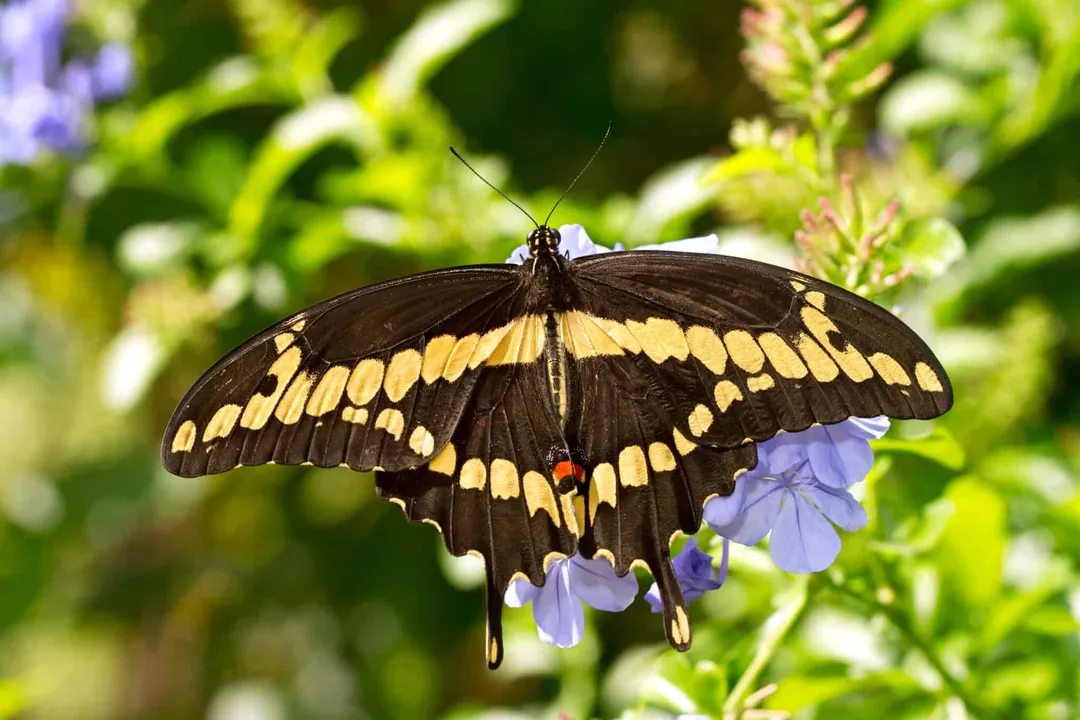
The very name "swallowtail" conjures an image of elegance in flight, and for good reason. These butterflies, belonging to the family Papilionidae, are celebrated across the globe for their large size and vibrant, often intricate, wing patterns. With over 550 species identified, their presence is nearly universal, spanning every continent except for the icy expanse of Antarctica. In North America alone, one can spot around 30 species. While the family contains the world's largest butterflies—the spectacular birdwings—even the more common local species are imposing, making their graceful flutter a captivating feature of gardens, meadows, and woodlands alike.
# Wing Shape
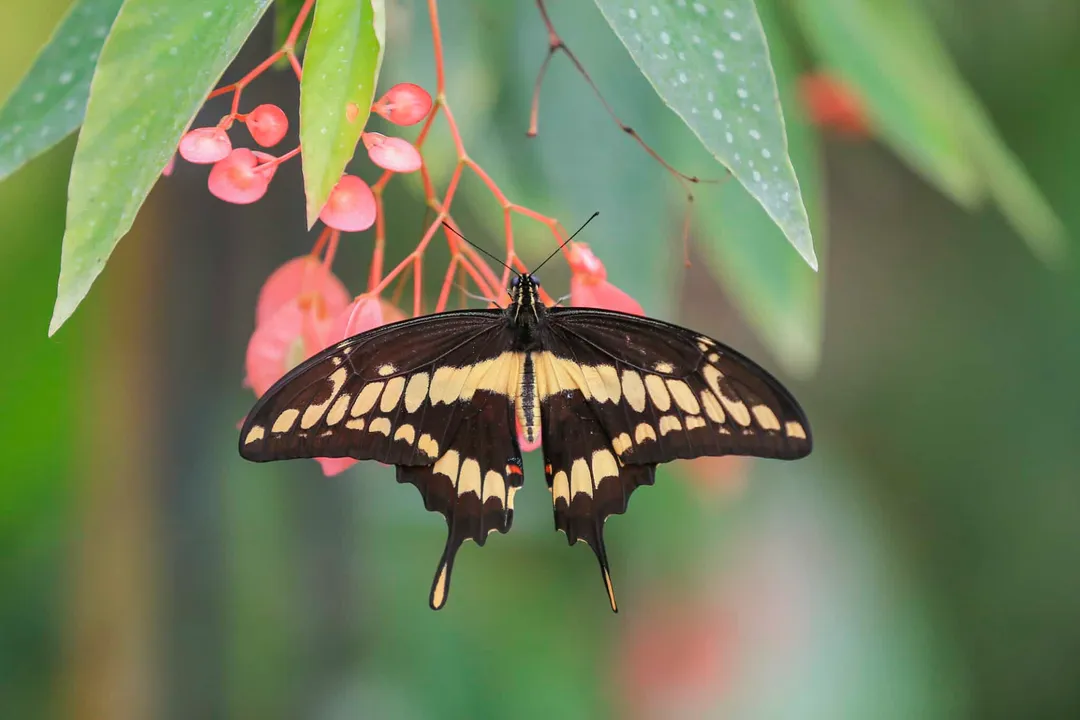
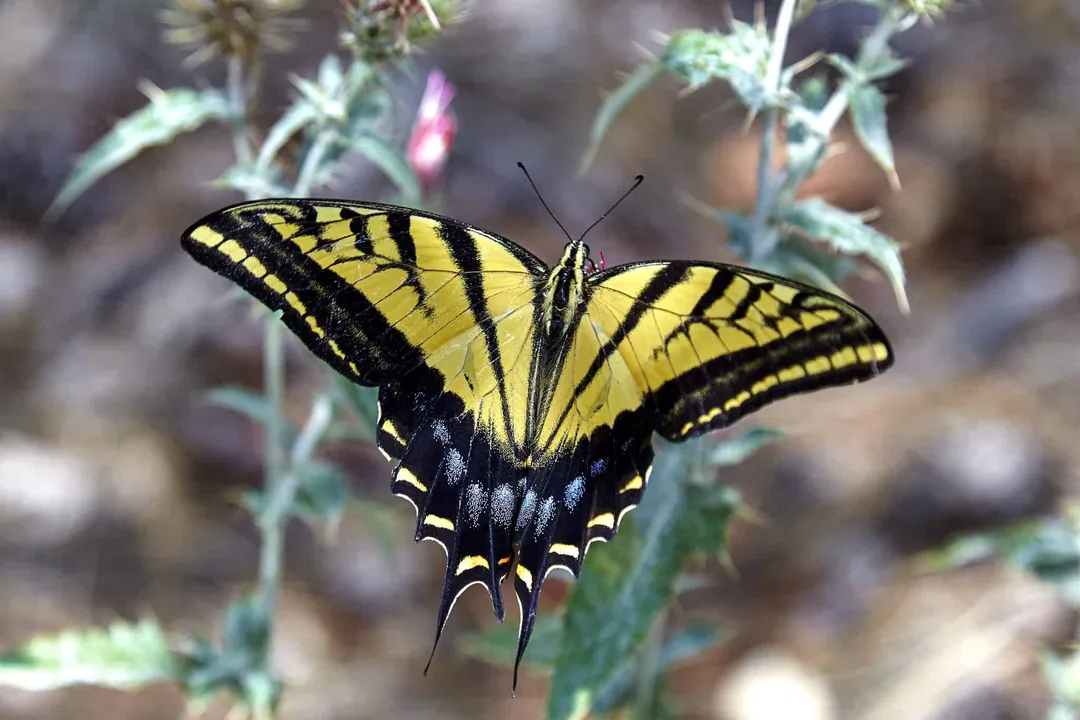
The most immediate feature distinguishing this family is the common namesake: the "tail-like extensions" protruding from the hindwings of many species, which resemble the forked tail of a swallow. While this feature is iconic, it is worth noting that not all swallowtails possess these appendages; some species are, in fact, "tailless". Beyond this defining characteristic, their size is remarkable. The Giant Swallowtail, for instance, claims the title of the largest butterfly in North America, boasting a wingspan that can reach up to inches or even 7 inches in some accounts. Other species, like the Zebra Swallowtail, are known for having particularly long tails, sometimes extending up to an inch. Visually, their wings are a canvas of striking colors, frequently featuring combinations of black, yellow, blue, or red, though coloration can vary significantly between sexes within a single species.
# Caterpillar Chemistry
The specialized features of the swallowtail are not limited to the adult stage; their caterpillars are masters of chemical defense and deception. A defining characteristic of the larval stage is the osmeterium. This is a forked, fleshy, repugnatorial organ tucked away in the prothoracic segment of the larva. When threatened, the caterpillar turns this organ outward, inflating it to release a strong, penetrating, and often unpleasant odor intended to repel predators. Furthermore, many caterpillars utilize the toxic plants they consume to make themselves inedible to foes. For instance, some sequester compounds like aristolochic acid from their host plants, a defense mechanism that carries over into their adult life.
The early life stages also feature remarkable visual trickery. The early instar caterpillars of the Spicebush Swallowtail are famous for their appearance, resembling fresh bird droppings, a highly unappealing sight to a hungry bird. As they mature, the mimicry shifts; later-stage larvae can adopt markings and postures that mimic a small, non-edible snake, complete with eye spots and a throbbing motion when disturbed. This combination of chemical defense and visual warning systems makes the larval swallowtail a difficult proposition for most predators to tackle.
# Impersonation Tactics

One of the most scientifically fascinating special features is the adoption of Batesian mimicry by certain swallowtails, where a palatable butterfly mimics the appearance of a distasteful or toxic one to gain protection from predators. This is especially pronounced in the females of some species, leading to what is known as female-limited polymorphism.
Consider the Eastern Tiger Swallowtail (Papilio glaucus). In regions where the distasteful Pipevine Swallowtail (Battus philenor) is common, a proportion of the female Eastern Tiger Swallowtails develop a dark, melanic (mostly black) coloration, closely matching their unpalatable model. This striking difference in wing pattern between the sexes is governed by genetics—specifically, a single gene that affects dopamine levels, which in turn suppresses the production of the yellow pigment on the wings. If you observe swallowtails in different geographic areas, you might see this adaptation playing out in real time. Where the mimic's wing color varies, the polymorphism in the Papilio glaucus population adjusts its background wing color to match the local model. This suggests a continuous, localized evolutionary fine-tuning where the butterfly is constantly making a genetic bet on the best disguise for its current neighborhood. The African Swallowtail (Papilio dardanus) takes this even further, with females exhibiting multiple distinct wing patterns, each mimicking a different unpalatable species, demonstrating the survival advantage conferred by camouflage in that environment.
# Specialized Diets
The dietary requirements of swallowtails create a deep-seated link between the butterfly and its local flora, which is a critical feature for anyone hoping to attract them. The caterpillars are generally strict specialists, feeding almost exclusively on plants belonging to only one of five plant families: birthwort, custard apple, laurel, carrot, or citrus. For example, the Eastern Black Swallowtail larvae are often called "parsley caterpillars" because they heavily favor that common garden herb, along with related plants like dill, fennel, and Queen Anne's lace. Meanwhile, the Giant Swallowtail caterpillar is strongly associated with the citrus family, which is why they can sometimes be considered pests in orchards.
The adult butterflies, however, exhibit a more generalist preference for nectar sources. They seek out nectar-rich flowers, showing a particular liking for blooms that are yellow, orange, red, pink, or purple. This dual requirement—specific host plants for the young and broad nectar sources for the adults—is fundamental to their existence.
This specialized larval diet presents an interesting consideration for habitat creation. It means that to support a population, you must look beyond just providing nectar. You must support the next generation too. For instance, if you are cultivating the Eastern Tiger Swallowtail, simply having lilac blossoms (a known nectar source for spring generations) is not enough; you must also ensure a steady supply of wild cherry or basswood for the caterpillars, as multiple generations may emerge throughout the warm season, each needing fresh foliage to complete its development.
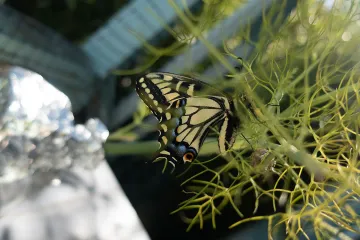
# Survival Stages
The entire lifecycle—egg, larva, pupa, and imago (adult)—is compressed for many species. Adult swallowtails typically have a relatively brief existence, often lasting only a few weeks, sometimes as short as six days, though some may survive for about six weeks depending on the species.
The pupal stage, or chrysalis, is another area where unique features emerge, particularly related to surviving colder periods. While many species attach their chrysalis head-up to a substrate using silk and a structure called the cremaster, temperate species enter a state of dormancy called diapause to pass the winter. To prevent freezing during these cold months, the pupae produce natural antifreeze compounds like glycerol and trehalose. When the warming temperatures and lengthening days signal spring, this dormant state breaks, and the new adult butterflies emerge to begin the cycle anew. The discovery of the extinct Praepapilio fossils in Eocene deposits suggests that the ancestral traits of the Papilionidae family are ancient, showing incredible evolutionary depth, even if modern classifications are constantly refined by molecular study.
In the grand scheme, the swallowtail butterfly is defined by an array of superb adaptations: striking appearance, chemical self-defense, advanced visual mimicry, and a strict dependence on specific plant families, all contributing to their success as graceful flyers found worldwide. Protecting these charismatic insects requires respecting both their need for nectar-rich flowers and the specific chemical environments provided by their essential host plants.
Related Questions
#Citations
6 Fascinating Swallowtail Butterfly Facts - Birds and Blooms
Swallowtail butterfly - Wikipedia
Swallowtail Butterfly - Mount Diablo Interpretive Association
Swallowtail Butterflies: Nature's Graceful Flyers - Truetimber Arborists
[PDF] Swallowtail butterfly Pollinator PAL | KidsGardening
Swallowtail Butterfly Insect Facts - A-Z Animals
Meet the Pollinators: The Swallowtail Butterfly