Do tiger swallowtails like milkweed?
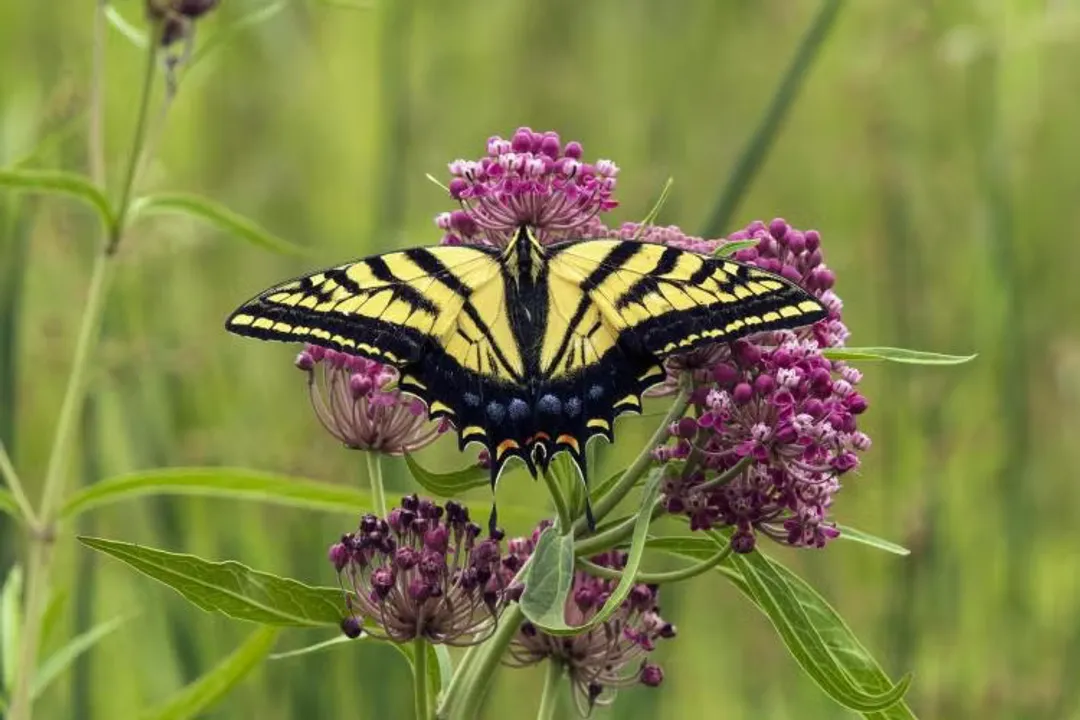
The sight of a large, distinctive butterfly hovering over a patch of milkweed often prompts garden enthusiasts to wonder about the exact relationship between the two. Specifically, observers often ask if the magnificent Tiger Swallowtails—both the Eastern and Western varieties—share the intense preference for milkweed that is famously associated with the Monarch butterfly. The answer is more nuanced than a simple yes or no, depending entirely on what stage of the butterfly's life cycle you are considering and which variety of swallowtail you are watching.[1][5]
# Nectar Appeal
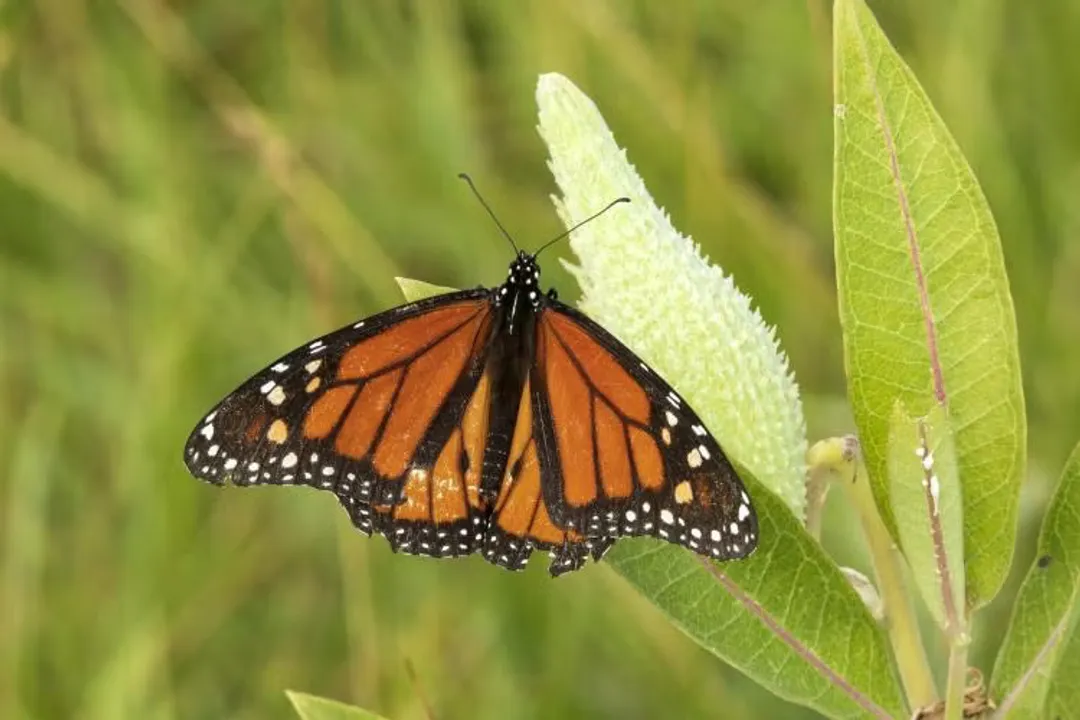
When adult butterflies are flitting among flowers, they are primarily searching for energy-rich nectar to fuel their flight and daily activities. In this capacity, milkweed, with its clustered, often pink or white blooms, certainly catches the eye and satisfies the palette of several swallowtail species.[5][6]
The Western Tiger Swallowtail (Papilio rutulus) has been documented actively sipping nectar from milkweed flowers. [1] This specific observation confirms that, for the adult Western variety, milkweed serves as a viable and apparently attractive food source when it is in bloom. [1]
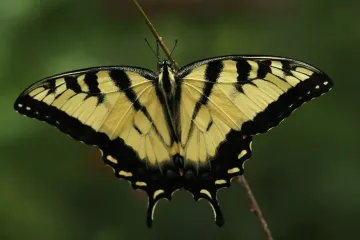
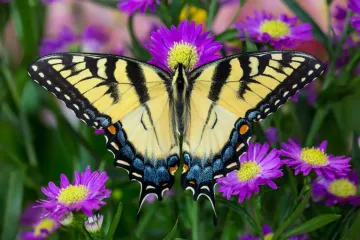
Similarly, the widely recognized Eastern Tiger Swallowtail (Papilio glaucus) is also known to be attracted to the nectar provided by milkweed plants. [5] This attraction isn't exclusive; these large butterflies are known generalists when it comes to sipping nectar. They frequent a wide array of colorful blooms in gardens and fields, but milkweed proves to be a dependable stop on their foraging routes. [5][6] If you see one working a milkweed blossom, it is simply capitalizing on a readily available energy source, much like it would on a patch of lilac, zinnia, or thistle. [5][6]
# Host Plant Distinction
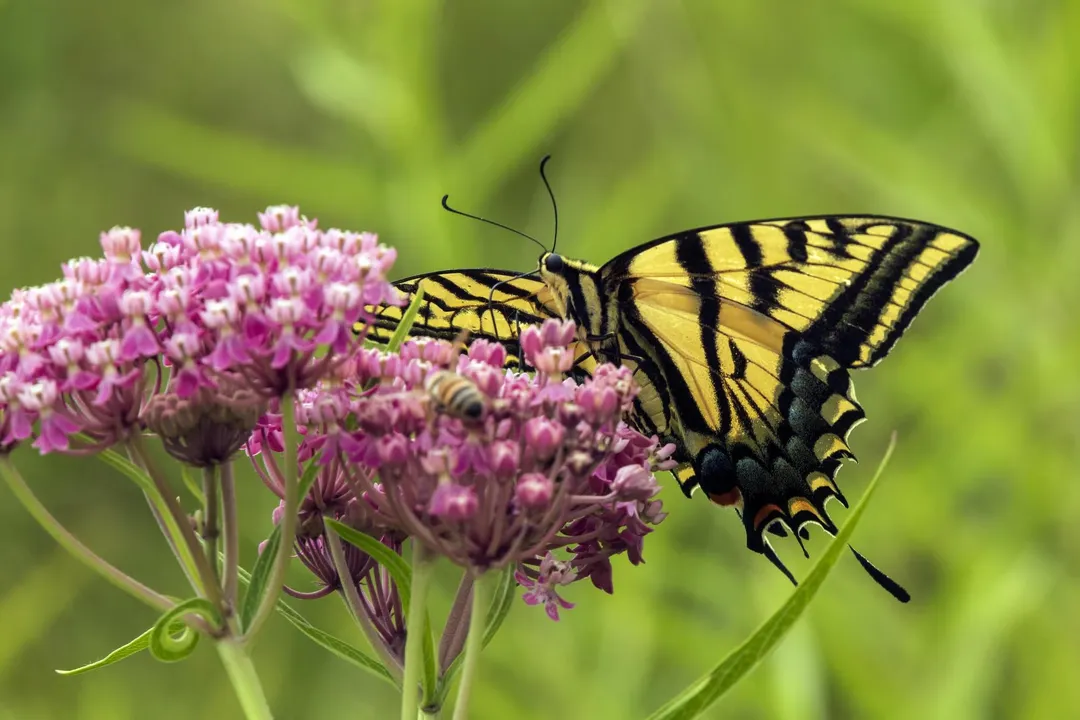
The key area where the Tiger Swallowtail's interest in milkweed diverges sharply from the Monarch butterfly's is in the realm of reproduction and larval feeding. For the Monarch (Danaus plexippus), milkweed (Asclepias species) is an absolute necessity; it is the sole host plant upon which Monarch caterpillars feed and mature. [4] A Monarch will not survive without it. [4]
Tiger Swallowtails operate under a completely different set of biological requirements. The caterpillars of both the Eastern and Western Tiger Swallowtails do not use milkweed as their food source. [1][7] This difference is fundamental to understanding the role of milkweed in a butterfly garden designed for different species. If you are cultivating milkweed expecting to host a brood of Tiger Swallowtails, you will be disappointed, as their young require different foliage to develop. [1][4]
# Larval Diets Observed
To truly appreciate why the presence of milkweed near a Tiger Swallowtail is only about nectar, it is helpful to look at what their larvae actually consume. The host plants vary significantly between the two common North American species.
For the Western Tiger Swallowtail, the larval diet often includes the leaves of deciduous trees common in western North America. [1] Aspens, for instance, are a known food source for the Western subspecies, alongside various cherries and poplars. [1] This means that a successful Western Tiger Swallowtail habitat must include these woody plants, even if the adults enjoy the nectar from herbaceous flowers like milkweed nearby. [1]
The Eastern Tiger Swallowtail caterpillar, on the other hand, feeds on a much broader range of host plants, including the leaves of tulip trees, wild cherry, sweetbay magnolia, and ash. [7][8] They are adaptable feeders whose survival hinges on the availability of these specific woody and herbaceous plants, not the Asclepias genus. [7][8]
This contrast reveals an important ecological pattern: adult butterflies often have generalized dietary needs for energy (nectar) but highly specialized, species-specific needs for reproduction (host plants). [1][4][7]
# General Feeding Preferences
While milkweed is on the menu for adult Tiger Swallowtails, it is important to realize it is just one item in a very large buffet. Gardeners hoping to attract and retain these large, vibrant butterflies should focus on providing a diversity of nectar-rich flowers that bloom throughout their active season. [5][6]
Eastern Tiger Swallowtails, for example, are drawn to a wide array of colors and shapes, often favoring flowers that offer landing platforms or deep tubes to access nectar. [5][6] Sources indicate a preference for reds, yellows, and purples, although they will visit many colors. [5] Common nectar sources that rival or surpass milkweed in consistent attraction include:
- Butterfly Weed (a type of Asclepias, but often mentioned separately from common milkweed) [5]
- Joe Pye Weed
- Blazing Star (Liatris)
- Honeysuckle
- Thistle
- Phlox
When planning a garden, instead of seeing milkweed as the primary attraction for a swallowtail, it is more accurate to view it as a beneficial addition to a larger collection of nectar plants. [5] A mixed planting ensures that if one type of flower is past its prime, another is ready to fuel the next passing swallowtail. [6]
# Garden Strategy Insight
For the dedicated pollinator gardener, there is a subtle strategic difference when deciding how much space to dedicate to milkweed versus other flowers, especially when the goal is attracting all local butterflies. If your primary goal is Monarch conservation, milkweed must dominate a specific area of your yard, as it is essential for their young. [4] However, if your goal is maximizing the sheer number and variety of adult butterflies visiting, including the Tiger Swallowtails, then dedicating an even greater proportion of your space to a wide spectrum of nectar plants will yield better results. [5][6]
Consider the visual impact: a dense stand of milkweed may initially attract a Monarch seeker, but a layered garden featuring tall Joe Pye Weed, medium-height coneflowers, and lower-growing Phlox offers a continuous, multi-level feeding station that appeals to the foraging habits of large butterflies like the Tiger Swallowtail, which often cruise higher in the air before descending to feed. [5] Planting milkweed alongside a tree like Aspen or Tulip Poplar—the respective larval hosts—doesn't directly benefit the caterpillar, but it creates a full-service ecosystem where adults can feed on the nectar and then lay eggs on the appropriate nearby host foliage if they happen to be a female seeking a mate in the area. [1][7]
# Observation and Behavior
The interaction between Tiger Swallowtails and milkweed is a wonderful example of how butterflies are opportunistic generalists in their adult feeding phase. When you observe this pairing, you are witnessing an energy transaction, not a host/offspring bond. [1][4] A butterfly is likely to spend more time on a milkweed patch if the flowers are fresh, abundant, and if the surrounding area lacks more heavily preferred nectar sources at that exact moment. [5]
It is also worth noting that the sheer size of the Tiger Swallowtail means they may prefer sturdier flowers that can handle their weight as they probe for nectar. [6] While milkweed flowers are clustered, they are relatively delicate compared to, say, the large heads of Coneflower or Joe Pye Weed, which offer a more substantial platform for such large insects. [5][6]
The general consensus derived from observing these interactions is that while milkweed is liked by adult Tiger Swallowtails for its nectar content, it is not a necessary nectar source, nor is it a host plant for their young. [1][4] A butterfly that might occasionally ignore milkweed in favor of a blooming lilac bush is simply following its preference for the most rewarding bloom available at that time. [5]
# Planning for Both
To support both the Monarchs and the majestic Tiger Swallowtails in your garden, a dual approach is best. Dedicate space for the appropriate larval host plants for each species: milkweed for the Monarchs, and your local native cherry, tulip tree, or aspen for the Swallowtails. [1][4][7] Then, dedicate the majority of your sunny, open space to a nectar corridor featuring diverse, high-yield flowers. [5] Milkweed flowers can be a component of this corridor, happily accepted by both species when they are in their flying stage. [1][5] This strategy ensures you meet the very specific larval needs of one group while catering to the more general, but equally important, nutritional needs of the other. [4]
The interaction might look identical to the casual observer—a yellow and black striped creature with wings fluttering over white or pink blossoms—but the underlying biological purpose is entirely different between a Monarch and a Tiger Swallowtail utilizing that same milkweed flower. [1][4] One is fueling a migration; the other is refueling an aerial journey between tree-leaf meals. [1][7]
Related Questions
#Citations
Western tiger swallowtails sip milkweed nectar and chew aspen ...
Do Canadian Tiger Swallowtail butterflies lay eggs on milkweed and ...
Swallowtails and milkweed : r/Butterflies - Reddit
Milkweed - For More Than Monarch Butterflies | U.S. Fish & Wildlife ...
The Ultimate Tiger Swallowtail Butterfly Guide - Birds and Blooms
Eastern Tiger Swallowtail Butterfly - Lewisboro Field Guide
Eastern Tiger Swallowtail - Papilio glaucus - New Hampshire PBS
Eastern Tiger Swallowtail Butterfly Life Cycle Photos