What can I feed a swallowtail butterfly?
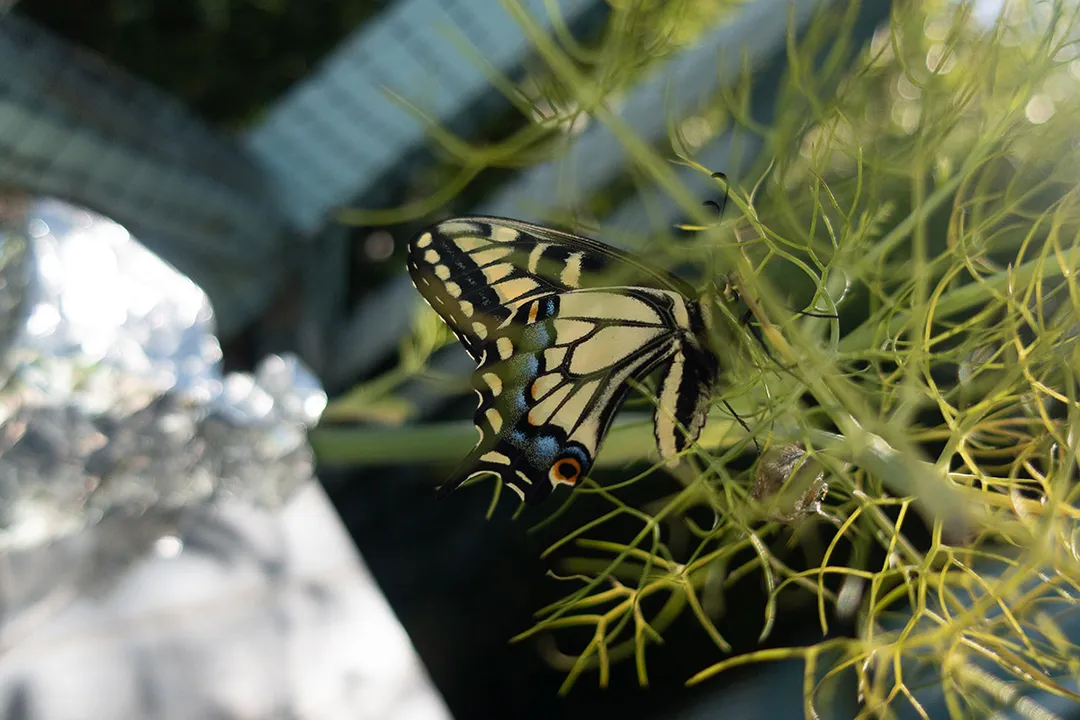
Understanding what a swallowtail butterfly needs to eat requires splitting the answer into two distinct parts: the larval stage (caterpillar) and the adult stage (butterfly). The needs of the young, growing insect are vastly different from those of the winged adult whose primary focus is reproduction and energy maintenance. [2][4] Feeding them the wrong substance, or the right substance at the wrong time, can severely compromise their development or survival.
# Larval Diet
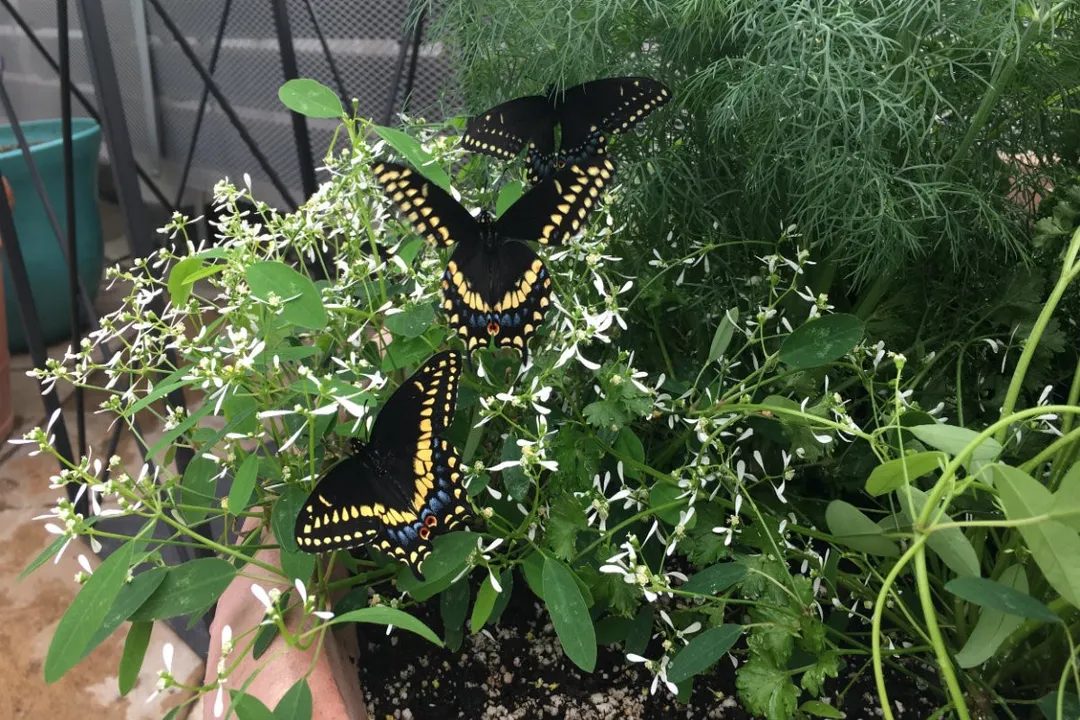
The swallowtail caterpillar is a specialist feeder, meaning it relies on specific types of plants to survive, grow, and eventually pupate. Unlike the adult, which sips nectar, the larva consumes leaf matter exclusively. [2][7] If the caterpillar cannot find its required host plant, it will perish before reaching maturity. [9]
# Host Plant Specifics
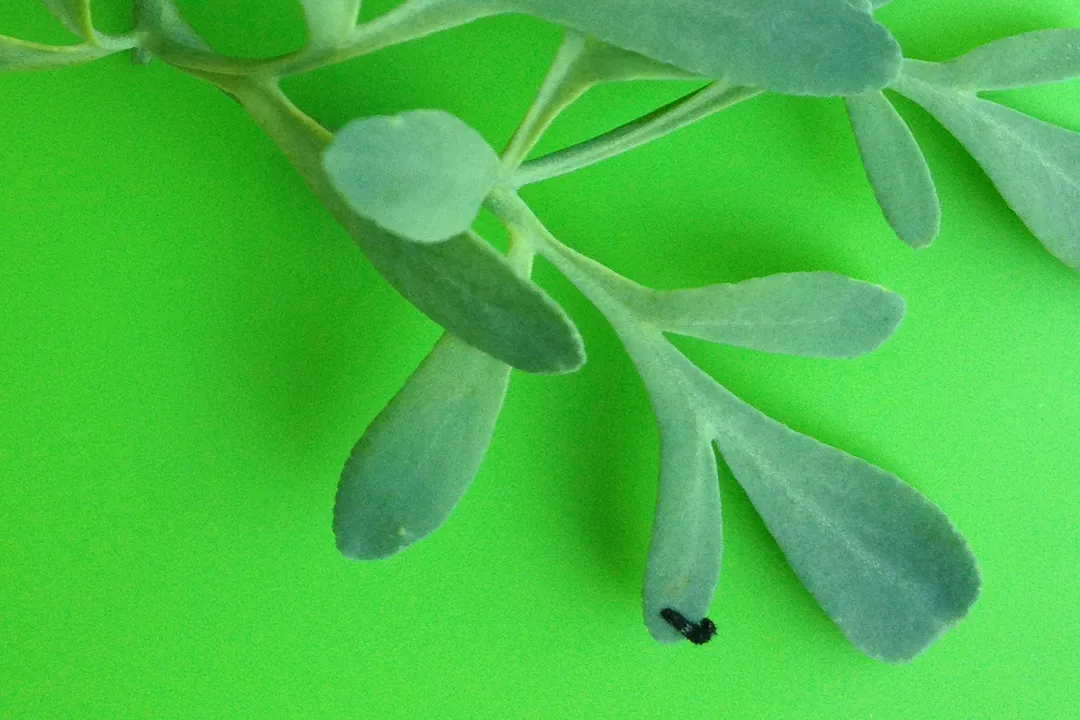
For the common Eastern Black Swallowtail, Papilio polyxenes, the required menu is quite specific, consisting largely of plants from the carrot family (Apiaceae). [8][10] Key host plants include:
- Dill [2][8][10]
- Fennel [2][10]
- Parsley [2][8][10]
- Carrot tops [2]
- Queen Anne's Lace [10]
- Rue [2][10]
- Zizia (heartleaf alexander) [2]
Other swallowtail species have different requirements. For instance, the Giant Swallowtail relies on citrus plants, such as lemon, orange, and lime leaves, as its primary host material. [2] When raising these insects at home, having a reliable, pesticide-free supply of the correct host foliage is the single most important factor for success. [7] It is vital to remember that the leaves must be fresh; older, wilted foliage will not sustain the growing larvae. [2]
A consideration for home gardeners raising Eastern Black Swallowtails is the intersection between their dietary needs and culinary preferences. Since parsley, dill, and fennel are common kitchen herbs, gardeners must decide whether to dedicate a patch of these plants solely to the caterpillars or risk chemical contamination if they use pesticides or herbicides on the same plants intended for human consumption. [8] Planning garden space around this culinary overlap is essential for responsible rearing.
# Providing for Rearing
When rearing caterpillars in a netted enclosure or jar, the food source must be constantly replenished, usually daily, to ensure the larvae have enough to eat as they grow rapidly. [2][7] The leaves should be kept fresh, often by placing the stems in a small amount of water secured within the container to prevent the caterpillars from drowning. [2] If using a jar, covering the open top of the water container with something like paper towel or netting is a necessary precaution. [7]
# Adult Nutrition
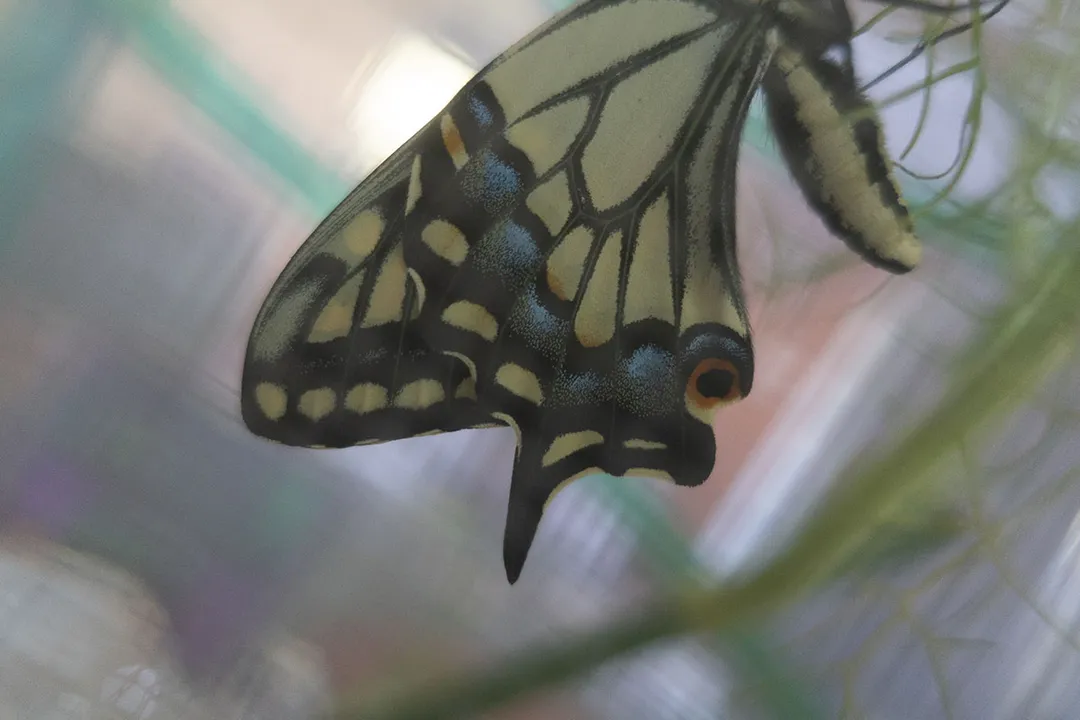
Once the swallowtail has successfully emerged from its chrysalis, its diet shifts entirely away from solid plant matter to liquids rich in sugar for energy. [4] Adult butterflies possess a long, coiled proboscis that acts like a straw, allowing them to sip nectar from flowers or other sugary solutions. [3]
# Natural Flower Sources
In the wild, adult swallowtails seek out brightly colored, nectar-producing flowers. While specific flower preferences can vary by species and locale, certain general characteristics attract them. [1]
Look for flowers that offer easy access to nectar, often found in clusters or with landing platforms. Plants rich in essential compounds for fueling long flights and reproduction are magnets for these butterflies. While the specific favorite flowers of the Eastern Black Swallowtail are not exhaustively cataloged across all available data, general butterfly attractors often include the following types of blooms:
If you observe butterflies congregating around a certain patch of garden flowers, it is a strong indicator that those blooms are providing the necessary fuel source. [1]
# Artificial Nectar Solutions
For those raising swallowtails indoors or encountering a grounded, weak adult butterfly, providing an artificial nectar source can be lifesaving. [3][4] The most common solution involves mixing sugar (sucrose) with water. [4]
This substitute mimics the sugar content found in flower nectar and provides the necessary calories. [3] The key challenge in offering this substitute is ensuring the proper balance, as the mixture must be thin enough for the butterfly to draw up through its proboscis but concentrated enough to provide energy.
If an adult butterfly is found and needs immediate care, a simple preparation of one part granulated sugar to four parts warm water is often used to create a feeding solution. [4] This mixture can be offered on a small sponge, a piece of fruit, or even directly to the proboscis using a dropper or a very small brush. [3]
Actionable Tip for Captive Care: While 1:4 sugar-to-water is a common starting point for emergency feeding, observe how quickly the butterfly imbibes the liquid. If the solution appears sticky or the butterfly struggles to draw it up, it may be too concentrated, which can cause dehydration or blockages. Conversely, if it seems watery, it provides minimal energy benefit. For sustained captive feeding outside of emergency aid, slightly higher concentrations might be explored, but always monitor the butterfly's behavior to ensure easy access to the fluid.
It is crucial to change artificial nectar solutions frequently—at least once a day—to prevent the growth of mold or bacteria, which can be harmful to the delicate insect. [4]
# Recognizing Feeding Stages
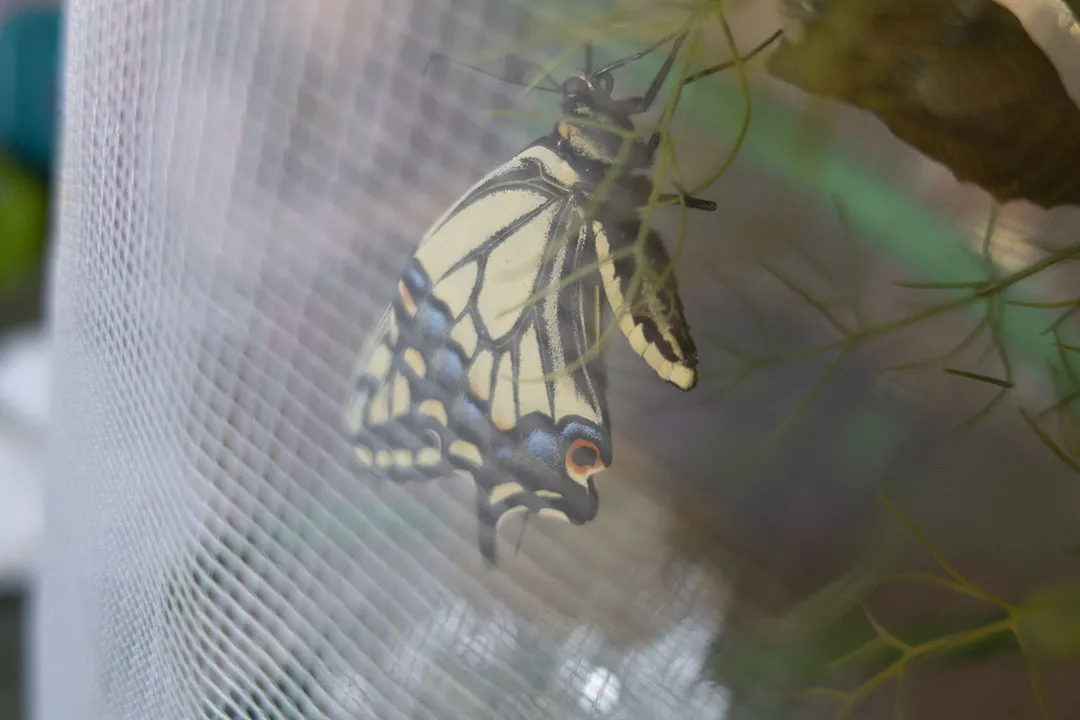
A common point of confusion in caring for swallowtails relates to identifying which stage requires which food. A fully formed adult butterfly will show no interest in a leaf of parsley, just as a tiny caterpillar cannot process sugar water. [2][4]
| Stage | Primary Food Source | Key Requirement |
|---|---|---|
| Larva (Caterpillar) | Host Plant Leaves (e.g., Parsley, Dill, Citrus) | Pesticide-free, fresh foliage [2][10] |
| Adult (Butterfly) | Nectar from Flowers or Sugar Solution | Sugars for energy [3][4] |
Understanding this dichotomy—the leaf-eating juvenile versus the nectar-sipping adult—is central to providing appropriate support, whether you are observing them in nature or managing a controlled rearing environment. [2][4]
# General Environmental Needs
While food is vital, the environment plays a role in how effectively a swallowtail can feed. Adult butterflies require warmth and sunlight to raise their body temperature high enough for flight, which is necessary to locate nectar sources. [6] A cold or damp butterfly cannot fly to eat.
Furthermore, the type of enclosure used for rearing larvae must allow for adequate air circulation. Stale, damp conditions encourage the growth of pathogens that can sicken the caterpillars, regardless of how perfectly you match their food source. [7] Providing adequate ventilation is indirectly linked to successful feeding, as a sick caterpillar will refuse food. [1]
When considering planting for adult butterflies, remember that flower shape matters as much as the plant type. Butterflies often prefer flowers that are clustered, flat-topped, or tubular, which allow for easy resting while drinking. [1] The depth of the flower throat will determine if a particular swallowtail species can effectively reach the nectar reward. For example, some data suggests that plants like Liatris and Verbena offer excellent landing pads along with accessible nectar. [1]
Original Gardening Tip: When planting for adult swallowtails, think about staggered bloom times. If you only plant early-summer flowers, your local swallowtail population will face a food shortage by late summer or early fall when the late-season generations emerge. To ensure continuous fuel for successive generations, aim to have at least one nectar source blooming from early spring (when the first adults emerge) through late autumn (when the last brood flies). A mix including early bloomers like Phlox alongside later standards like Joe Pye Weed helps bridge these nutritional gaps naturally.
By respecting the highly specialized needs of the larva and providing readily accessible, clean sugar sources for the adult, you can support the swallowtail population through its entire, fascinating life cycle. [2][4]
#Videos
How to: Raise Black Swallowtail Butterflies from Eggs ... - YouTube
Related Questions
#Citations
What food sources can I use to feed black swallowtail caterpillars?
How to Raise Eastern Swallowtail Butterflies at Home
What to offer an Eastern Black Swallowtail butterfly, advice? - Reddit
Raising Black Swallowtail Butterflies Indoors
Black Swallowtail Butterfly - Papilio polyxenes - New Hampshire PBS
How to: Raise Black Swallowtail Butterflies from Eggs ... - YouTube
Raising Eastern Black Swallowtails - Lewis Ginter Botanical Garden
Create a Black Swallowtail Butterfly Habitat - Raritan Headwaters
Raising Swallowtail Butterflies - SF Bay Gardening
Eastern Black Swallowtail - Raising Butterflies--How to find and care ...