What are the physical characteristics of an ox?
The term "ox" describes a specific type of bovine, generally a male that has been castrated and trained for labor, though the designation can sometimes refer to steers trained for draft work. [1][2] Physically, an ox is characterized by its sheer size and powerful, heavy build, features essential for its traditional roles as a draught animal. [2][4] While there is no single, universal measurement, the physical characteristics center around creating an animal capable of sustained, brute force over long periods. [5]
# Bovine Form
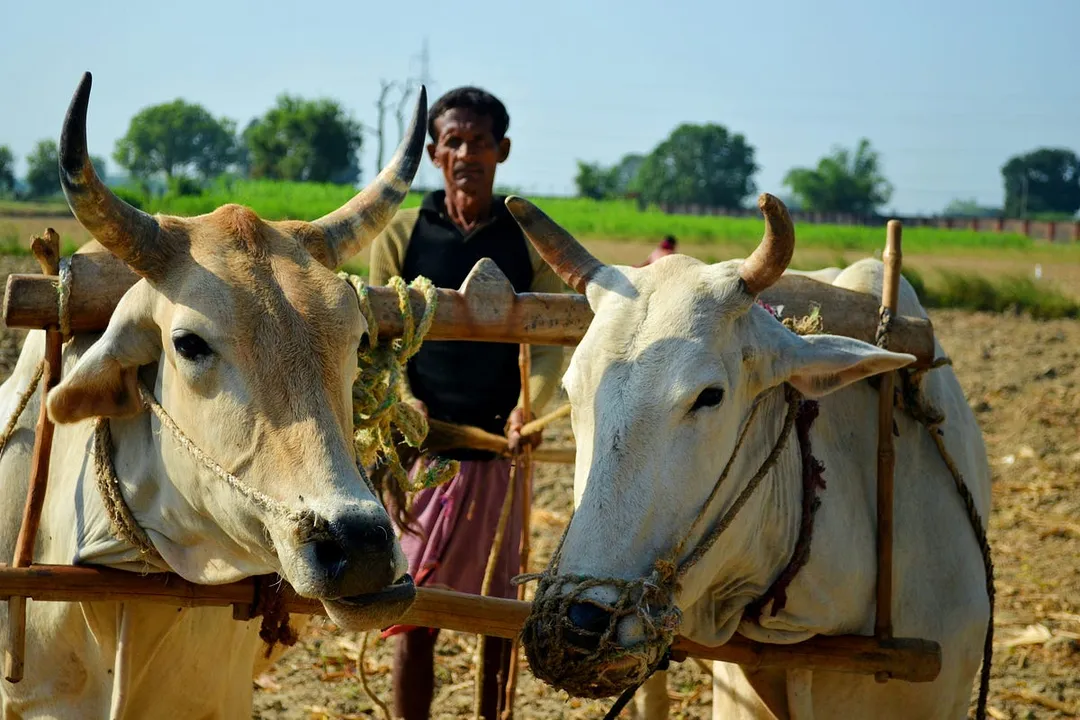
An ox is fundamentally a member of the cattle species (Bos taurus or Bos indicus), but its physical development is directed by its management, specifically castration, which occurs before sexual maturity. [1][6] This hormonal change significantly shapes its appearance compared to a sexually intact bull. Bulls develop more pronounced secondary sexual characteristics—such as a thicker neck crest and more aggressive musculature geared toward fighting and dominance—whereas the ox develops a frame optimized for steady pulling power. [6] This difference is subtle but observable in an animal bred for work; the ox tends to be bulkier and less overtly aggressive in its physical presentation than its intact counterpart. [6]
Regarding general size, oxen are decidedly large animals. [2] While specific weights and heights vary dramatically depending on the breed—ranging from smaller dairy-type animals to the massive Shorthorns or Herefords used in heavy hauling—they are invariably heavy-bodied. [2][4] A well-conditioned draught ox might easily weigh over a ton, sometimes reaching weights between 1,600 and 2,500 pounds, or more, depending on its lineage and feeding regimen. [2][5] The emphasis in their physical structure is on mass and a low center of gravity, translating directly into the ability to exert significant traction against heavy implements like plows or wagons. [4]
# Muscular Build
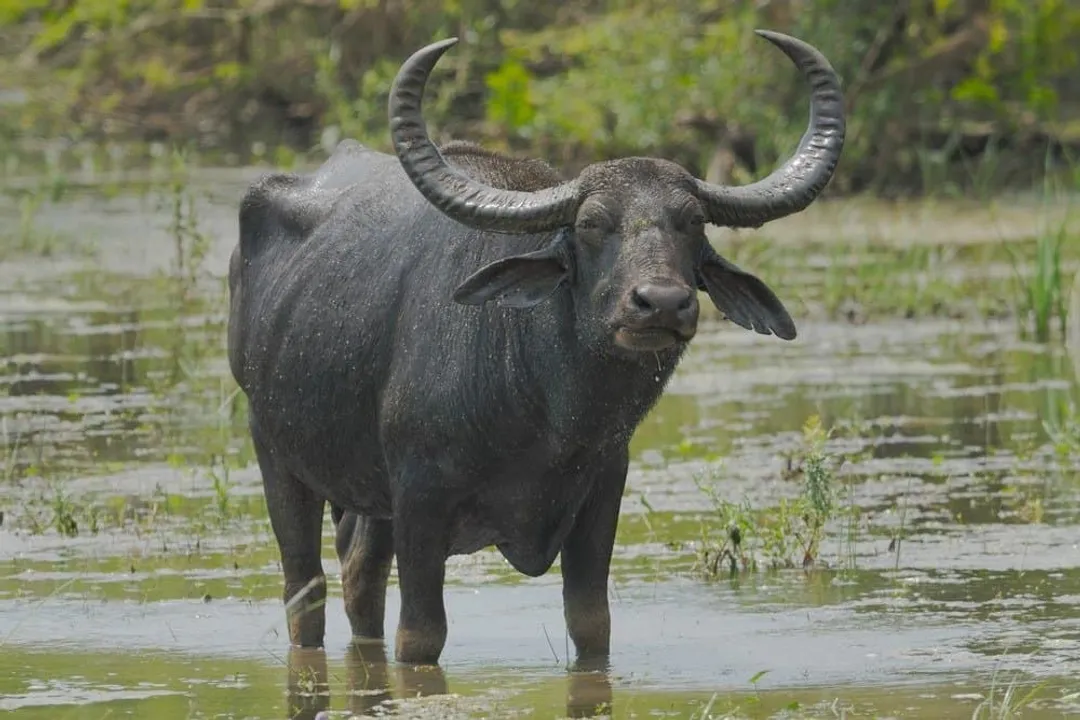
The training regimen of an ox shapes its physique just as much as its genetics. An ox destined for the yoke develops exceptional musculature across its shoulders, back, and hindquarters, which are the primary engines for pulling heavy loads. [4][5] The back itself is characteristically broad and deep, providing a stable platform for the yoke to rest without causing undue strain or injury when the animal exerts its maximum effort. [4]
This required physical robustness reflects a historical context where animal power was the primary source of non-human mechanical energy for agriculture and transport. [5] An ox needed the durability to work through entire seasons, meaning its structure had to be resilient to chronic, heavy strain, which favors a sturdy skeletal structure and deep chest capacity for endurance. [4] In contrast, a bull, though also large, carries its weight differently, often prioritizing immediate, explosive power over the steady, measured strength that defines the working ox. [6] This distinction between sustained power and acute aggression is physically encoded in their matured musculature and overall carriage. [6]
# Horns and Head Structure
The head of an ox is large and often features prominent horns, although this characteristic is highly variable today. [2] In many working teams, horns were historically managed in various ways. Some working oxen would have their horns tipped with iron caps for protection against damage while working in close quarters or under a yoke. [2] In other cases, particularly where space was a concern or for safety, the horns might have been completely removed, a process known as dehorning. [2] Therefore, observing an ox today—whether it possesses long, curving horns, short stubs, or is completely hornless—tells you more about its specific history or breed standards than it does about its fundamental physical nature as a bovine. [2]
# Coat and Coloration
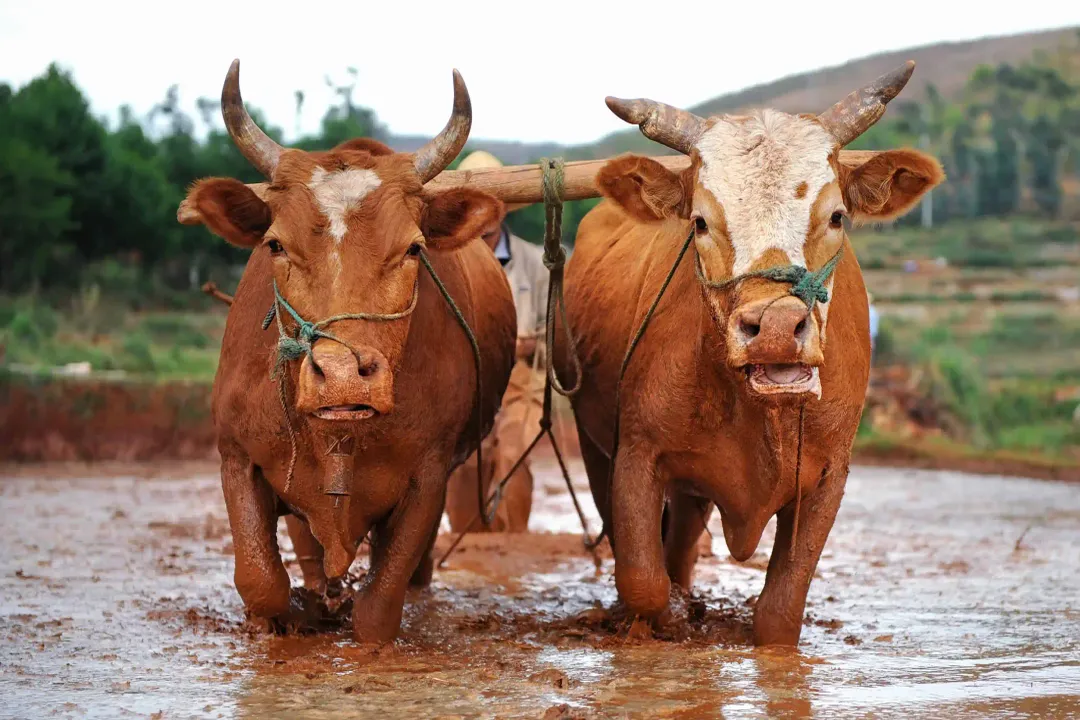
Physical characteristics observable on the surface, such as hide color and coat texture, are not standardized traits of the ox itself, but rather reflect the underlying breed from which the animal originates. [2] Oxen can be seen in nearly every shade found in domestic cattle: deep black, rich red, white, brown, or various spotted patterns. [2] The texture of the coat is generally short and dense in animals raised in temperate climates, providing protection against sun and moderate weather. [2]
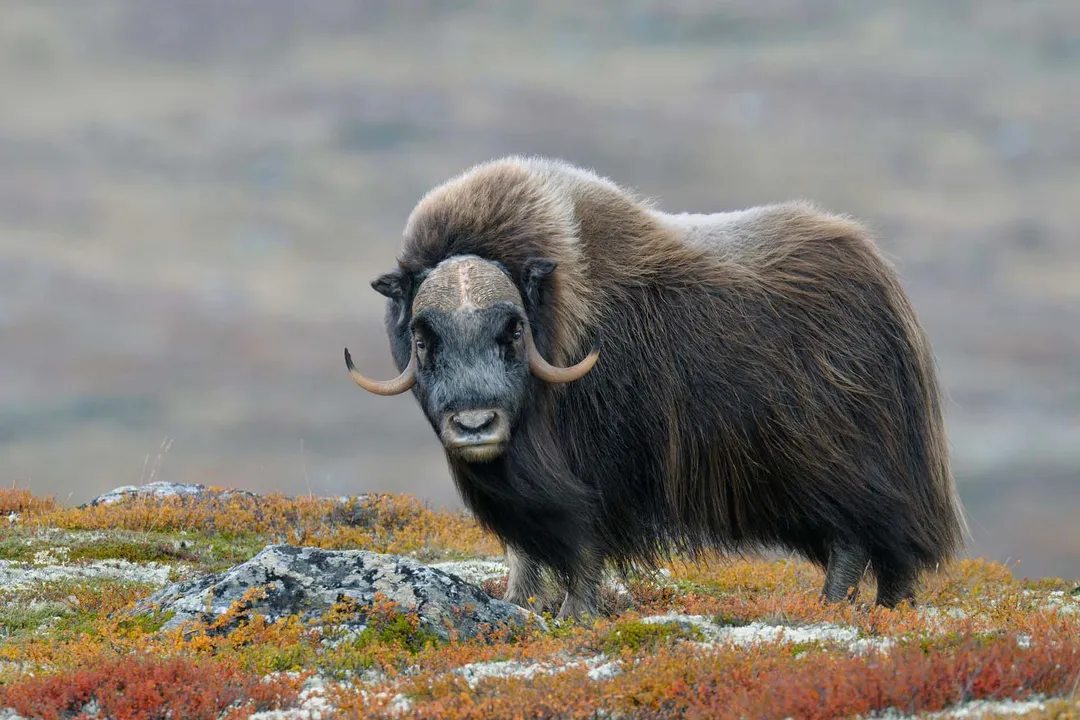
However, if we consider related, non-domesticated species that share the "ox" descriptor due to their imposing build, the coat becomes a defining feature. For instance, the Musk Ox (Ovibos moschatus), an Arctic native quite distinct from the common ox (Bos taurus), possesses an extremely thick, shaggy coat comprised of two layers: long, dark guard hairs and a dense, insulating undercoat known as qiviut. [7][10] This heavy insulation is a necessary adaptation to the extreme cold of the tundra and is starkly different from the coats of domesticated working oxen bred for fields and farms. [7]
| Feature | Domestic Ox (Taurus/Indicus Type) | Musk Ox (Ovibos moschatus) |
|---|---|---|
| Classification | Castrated Male Cattle | Arctic Ungulate |
| Primary Coat | Short, varying color (black, red, white) [2] | Very long, shaggy guard hairs over dense qiviut undercoat [7] |
| Build Purpose | Heavy frame for sustained draft work [4] | Low, stocky build for stability in snow/wind [7] |
| Habitat | Temperate/Farm settings [4] | Arctic and Subarctic regions [10] |
# Physical Legacy in Modern Context
While the industrial revolution and modern machinery have drastically reduced the reliance on oxen for large-scale farming, their physical structure still commands respect. [5] Even when raised purely for meat—where they are typically called steers if castrated young—their heavy musculature yields desirable beef cuts due to the slow, steady growth pattern encouraged by their build. [5] For those who still use them for heritage farming or logging, understanding their physical strengths—the deep chest for stamina, the broad back for yoke placement—is crucial for safe and effective work. [4] An ox is not merely a large cow or a clumsy bull; it is a specialized, powerful machine built for endurance, whose entire physical makeup is a testament to centuries of careful selection for service.
Related Questions
#Citations
Ox - Wikipedia
Ox Animal Facts - Bos taurus
What are the characteristics of an ox? - Quora
Oxen | Ross Farm Museum
The Ox: A Symbol of Strength, Sustenance, and Service - Medium
Ox vs. Bull: Born to Breed or Born to Work? - Animals | HowStuffWorks
Musk Ox Fact Sheet | Blog | Nature - PBS
Ox - Stay connected with nature and your friend - Bird Buddy
Ox Cow A Comprehensive Guide To Their Significance S Bulls ...
Musk Ox: The Ancient Arctic Mammal with Remarkable Insulative Fur