What are the physical characteristics of an elephant?
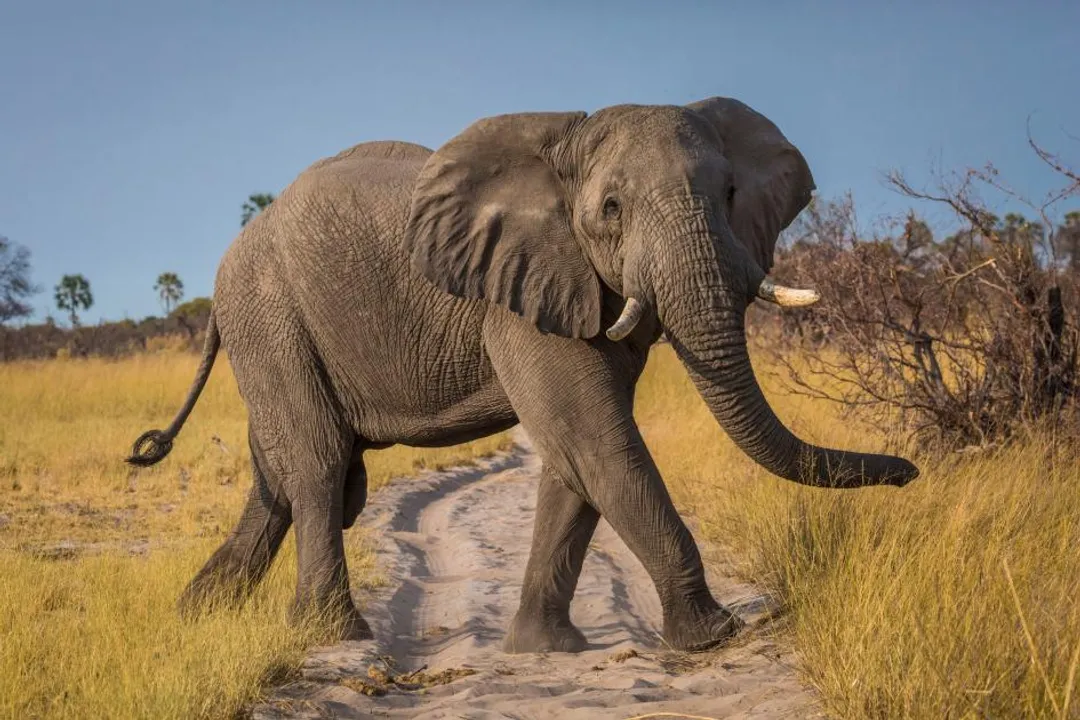
The sheer scale of an elephant immediately commands attention; they are the largest terrestrial animals on Earth, yet their physical makeup is a fascinating study in biological engineering, adapted perfectly to their environments. From the texture of their skin to the complexity of their trunks, every feature serves a vital purpose, often differing subtly between the two recognized species: the African elephant and the Asian elephant. [2][3][10] Understanding these characteristics reveals not just impressive size, but incredible physiological specialization.
# Size Species
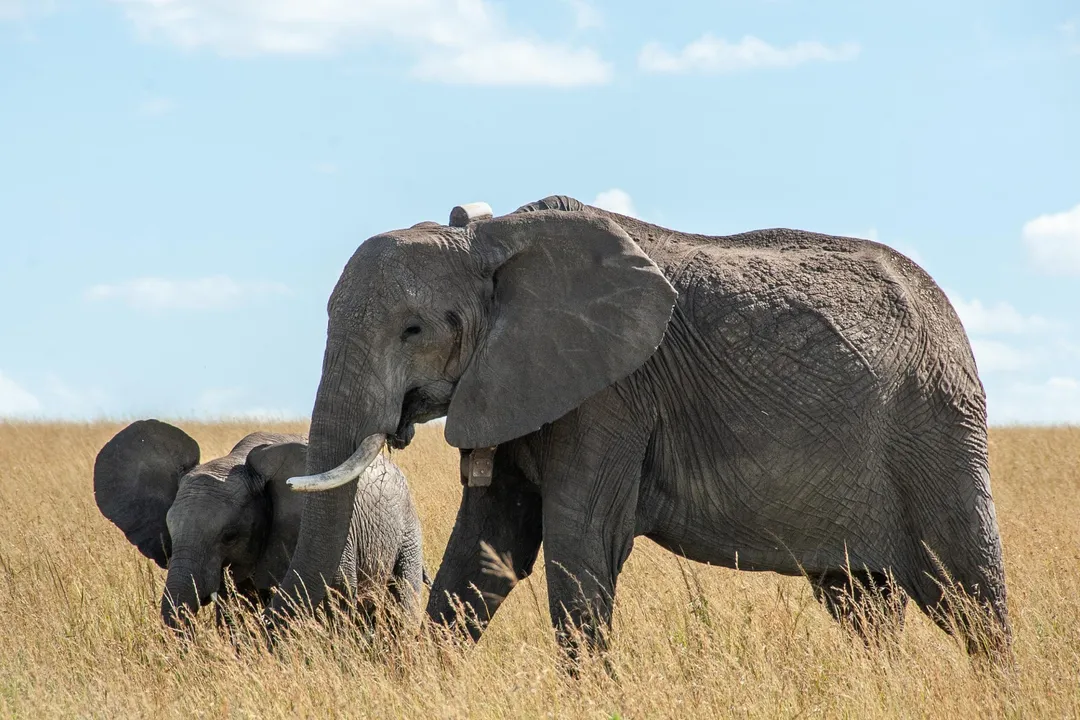
African elephants, specifically the African bush elephant (Loxodonta africana), generally surpass their Asian counterparts in size, making them the undisputed giants of the land. [2] An adult male African elephant can stand between 10 and 13 feet tall at the shoulder and weigh over 13,000 pounds. [1] Asian elephants (Elephas maximus), while still massive, are typically smaller, often reaching heights closer to 8 to 10 feet. [5][10] While weight comparisons can vary by region and sex, the general rule holds that the African species is bulkier. [2] This size difference isn't just about mass; it influences everything from their necessary caloric intake to the structural demands on their limbs. [1]
# Ears Skin

One of the most visually striking differences between the species lies in their ears. African elephants possess enormous, distinctive ears that are often described as resembling the shape of the African continent itself. [1][2] These large appendages are rich in blood vessels and function critically as natural radiators. By flapping their ears, the elephant circulates blood close to the surface, allowing heat to dissipate into the surrounding air, a vital mechanism for thermoregulation in hot climates. [1][5] Conversely, Asian elephants have smaller, more rounded ears relative to their body size. [5][10]
The skin covering this immense body is also unique. It appears thick, often described as being up to an inch deep in places, and is typically grayish-brown and extremely wrinkled. [1][4] While this skin seems tough, it is surprisingly sensitive. [4] The wrinkles are not merely aesthetic; they dramatically increase the surface area of the skin. When an elephant bathes or dusts itself, these deep creases trap water and mud far more effectively than smooth skin would. This retained moisture then evaporates slowly throughout the day, providing a prolonged cooling effect. [4][9] This wrinkle behavior suggests the skin isn't just thick armor; it's a functional heat exchange surface, where the increased surface area created by every crease maximizes the efficiency of mud applications for thermoregulation, far more than smooth skin could achieve.

# Trunk Anatomy
Perhaps the most versatile and defining feature of the elephant is its trunk, which is a fusion of the nose and upper lip. [1][3] This muscular hydrostat, made up of an estimated 40,000 to 150,000 muscles in African elephants, is strong enough to uproot a tree yet delicate enough to pick up a single blade of grass. [1][3] The trunk is used for breathing, smelling, grasping objects, and drinking—the elephant sucks water into the trunk (holding several gallons at once) and then curls it to squirt the water into its mouth. [1][4] A subtle yet important anatomical distinction exists at the tip: African elephants have two finger-like projections at the end of their trunks, whereas Asian elephants possess only one. [1][2]
# Tusks Molars
Tusks are elongated, continuously growing incisor teeth that protrude from the mouth. [3] They are composed of ivory and are used for digging, lifting, defense, and marking trees. [3] A key difference between the species concerns tusk presence: in African elephants, both males and females usually grow prominent tusks. [1][5] In Asian elephants, however, only the males typically develop large, visible tusks, though females may have small tusks called "tushes" or no visible ivory at all. [5][10]
Internally, their dental structure is equally specialized. Elephants are herbivores that process vast amounts of tough vegetation, relying on large molars for grinding. [1][4] These molars do not simply fall out and get replaced vertically; instead, new teeth grow in the back of the jaw and slowly move forward like a conveyor belt, eventually replacing the worn-out set at the front. [1][4] An elephant will go through about six sets of these molars during its lifetime. [4]
To better illustrate the primary external distinctions, these key physical markers can be summarized:
| Feature | African Elephant | Asian Elephant |
|---|---|---|
| Ear Size | Very large, resembling Africa [1][2] | Smaller, more rounded [5][10] |
| Tusks | Present in both males and females [1][5] | Usually only males have large tusks [5][10] |
| Trunk Tip | Two "fingers" [1][2] | One "finger" [2] |
| Head Shape | Rounded forehead [2] | Twin-domed head (two bumps) [10] |

# Legs Feet
Supporting their immense bulk requires a specialized limb structure. Elephant legs are often described as column-like, designed primarily for supporting weight rather than fast running, though they are capable of surprising speeds when needed. [1][2] Their feet are very large, spreading the weight over a wide area. While they possess five toes in total, only four or three digits might be visible externally on the front feet, and four or three on the hind feet. [1] Crucially, beneath the bone structure lies a thick, elastic pad of fatty tissue that acts as a resilient shock absorber with every step they take, cushioning the impact on hard ground. [1][2] This adaptation for load-bearing is essential given the constant stress placed upon their skeletons.
# Sight Hearing
Vision is generally considered to be relatively poor in elephants; they see best at close range. [2] Their world relies much more heavily on other senses. The sense of smell is incredibly acute, largely thanks to the complex internal structure of the trunk, which contains millions of receptors. [3][4] Furthermore, their hearing is excellent. Besides the audible sounds captured by their large ears, elephants can also perceive extremely low-frequency sounds, or infrasound, traveling through the ground, which aids in long-distance communication and awareness of herd movements or environmental changes. [3]

# Body Mass Index
Considering the sheer mass involved, one can appreciate the energetic demands placed on these animals simply to exist. For an animal weighing several tons, efficient heat management and strong structural support are prerequisites for survival. [1][2] The combination of massive size, extensive internal musculature in the trunk, and the specialized cooling system provided by their ears and wrinkled skin showcases a pinnacle of mammalian adaptation in the megafauna niche. [1][4] It is this intricate set of physical characteristics, far more than just their size, that defines the elephant's enduring presence in diverse ecosystems. [3]
Related Questions
#Citations
All About Elephants - Physical Characteristics | United Parks & Resorts
African Elephants (Loxodonta africana and L. cyclotis) Fact Sheet ...
Elephant - Wikipedia
Elephant Fact Sheet | Blog | Nature - PBS
Appearance and Intelligence - Phang Nga Elephant Park
What kind of physical perspective do elephants generally have?
Elephant | Description, Habitat, Scientific Names, Weight, & Facts
Elephant | WWF - World Wildlife Fund
Our top 10 facts about elephants - WWF-UK
Asian elephant | Smithsonian's National Zoo and Conservation ...