What are the physical characteristics of a rabbit?
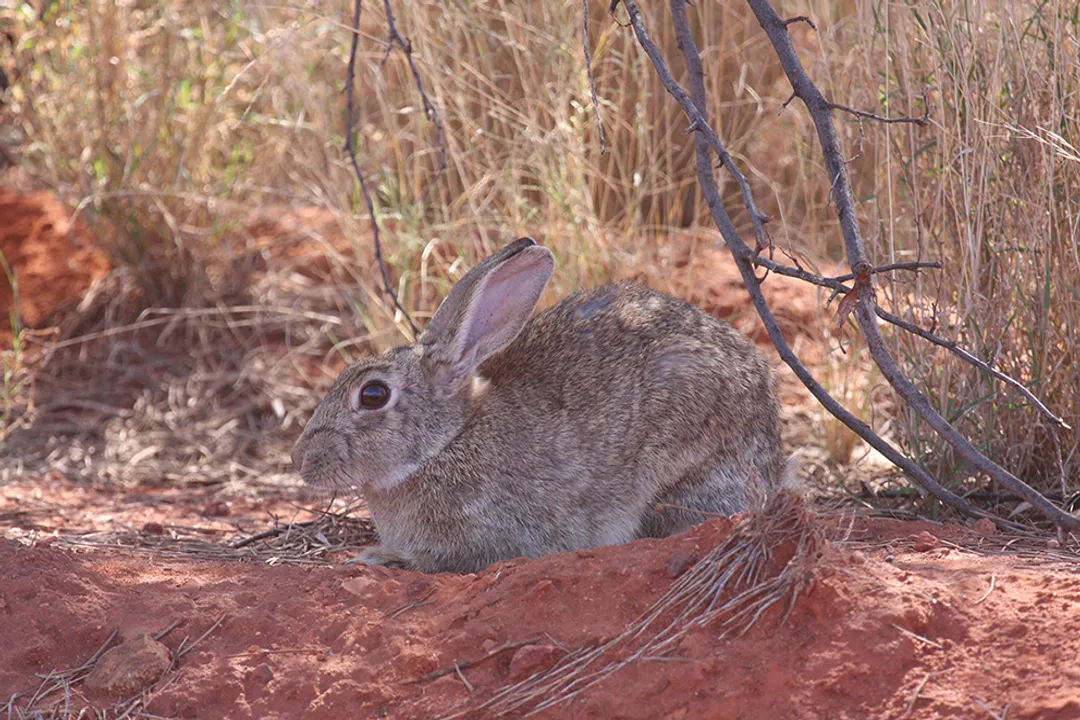
The physical makeup of a rabbit presents a fascinating study in adaptation, resulting in an animal perfectly structured for alertness and rapid evasion. Though often lumped together with rodents, rabbits belong to the order Lagomorpha, a crucial distinction rooted deep within their skeletal and dental architecture. [2][7] Their build generally features a compact body, a relatively short back, and powerful hind legs built for explosive propulsion. [1][4]
# Order Status
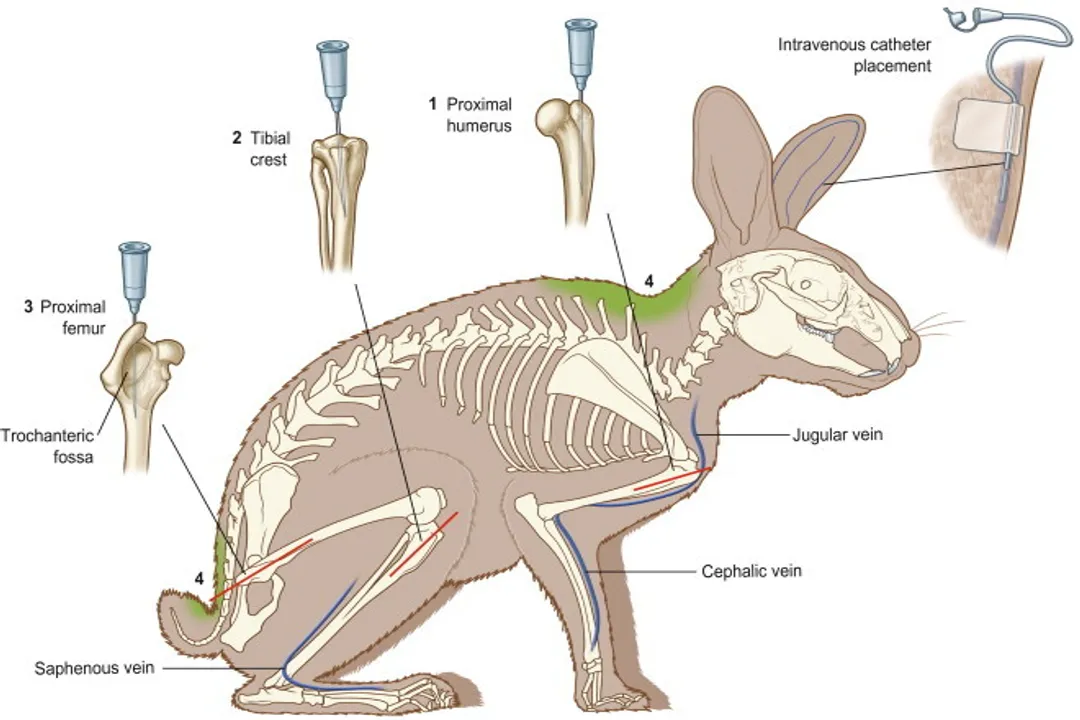
The separation from rodents is fundamentally defined by their dentition, although they share superficial similarities as small herbivores. [2][7] While rodents possess just one pair of incisors in the upper jaw, lagomorphs, including rabbits, have two sets. [2] This defining trait places them firmly within the Leporidae family, distinguishing them biologically from species they might otherwise resemble. [7]
# Size Variation
One of the most immediate variations seen across the rabbit population is in size and weight, which differs significantly between wild populations and domesticated breeds. [1][4] Wild rabbits might weigh between 2 and 5 pounds, depending on the specific species and their geographic location. [1][7] In stark contrast, domestic breeds exhibit a huge spectrum of scale. For example, a small dwarf breed might weigh only 2 or 3 pounds, while giant breeds, such as the Flemish Giant, can sometimes weigh upwards of 20 pounds or more. [1][4][5][6] This considerable phenotypic diversity in domestic stock is a direct result of selective breeding over centuries. [4]
# Head Features
The rabbit’s head is characterized by several highly specialized sensory organs that maximize environmental awareness.
# Ear Length
Perhaps the most iconic physical feature is the pair of long ears, or pinnae. [1][8] These ears are highly mobile and act as directional radar dishes, allowing rabbits to pivot them independently to pinpoint the origin of sounds across a wide arc. [3][5] This acute hearing is a primary defense mechanism, enabling them to detect predators long before visual confirmation is possible. [3] The length of the ears can vary by breed and species, but they generally provide an exceptional range of auditory perception. [1]
# Eye Placement
Rabbits possess large, somewhat bulging eyes situated on the sides of their heads. [1] This lateral placement grants them an extremely wide field of vision, estimated to be nearly 360 degrees, which is essential for detecting threats approaching from almost any direction. [3] While this panoramic view is excellent for surveillance, it can sometimes mean that depth perception—the ability to judge distance accurately—is not as finely tuned as in animals with forward-facing eyes. [1]
# Nose Function
The nose of a rabbit is constantly in motion, twitching rapidly. [5][8] This is not merely a nervous habit; it is central to their reliance on olfactory cues to interpret their immediate surroundings, identify food, and recognize other rabbits. [5]
# Dental Structure
The dental apparatus of the rabbit is perhaps its most specialized piece of anatomy, constantly evolving to manage a fibrous diet. [2] As mentioned, they possess four upper incisors: two large, prominent ones in the front, and two smaller, peg-like teeth situated directly behind the large pair. [2] They have a single pair of incisors on the lower jaw, resulting in a total of six incisors overall. [2] A significant characteristic shared by all their teeth, including the molars and premolars, is that they grow continuously throughout the rabbit's life. [1] This necessitates constant wear. When considering the physical needs of a rabbit, recognizing that their entire dental arcade is designed for perpetual grinding—meaning their diet must provide sufficient abrasive material—is key to understanding their nutritional requirements. [1][4] If this grinding mechanism is interrupted, misalignment and painful overgrowth can quickly occur.

# Body Systems
Rabbits are classified as herbivores, meaning their diet consists entirely of plant matter. [4][5][6] Their entire physical structure, from their digestive tract capable of processing tough cellulose to their specialized teeth, supports this lifestyle. [10]
# Forelimbs and Hindlimbs
The limbs show a clear functional specialization. The forelimbs are shorter and are primarily used for balance, maneuvering, digging, and manipulating food. [1] The hind legs, however, are markedly longer and much more muscular. [1][4] This powerful musculature allows for their characteristic mode of transportation: hopping or bounding. [4] This gait, combined with their strong legs, provides the necessary burst of speed to escape immediate danger. [1] Their skeletal structure seems optimized for quick acceleration and sharp turns rather than sustained, long-distance running, favoring short, unpredictable sprints to evade predators. [4]
# Digits
The number of digits on the paws is specific: rabbits typically have five toes on each front foot and four toes on each hind foot. [1] This arrangement contributes to both the grip needed for propulsion and the necessary dexterity for digging burrows or handling food items.
# Integumentary System
The outer covering of a rabbit is its fur, which is generally dense and soft. [3] The coloration in wild rabbits often provides excellent camouflage, featuring shades of brown, grey, and black that allow them to blend into their typical grassland or woodland environments. [3] Domestic rabbits have been bred to display an enormous range of colors and patterns, far exceeding the natural palette found in the wild. [5][6] The density of the coat can also be an adaptation to climate; thicker fur offers better insulation in colder environments. [3]

# Comparison Insight
It is interesting to contrast the physical presentation of a rabbit with that of a hare, though both are lagomorphs. [2][7] While they share the characteristic ears and powerful hind legs, hares are generally built longer and leaner, with even longer ears and limbs, reflecting an evolutionary strategy that favors open-field, sustained running over the rabbit’s preference for quicker retreats into burrows. [3] The rabbit's stockier build is better suited for rapid, complex maneuvering in close proximity to cover. [1]
Related Questions
#Citations
Description and Physical Characteristics of Rabbits - All Other Pets
Rabbit - Wikipedia
Rabbit biology, ecology and distribution - PestSmart
Rabbit Fact Sheet | Blog | Nature - PBS
Domestic Rabbit - Oakland Zoo
Domestic Rabbit - Connecticut's Beardsley Zoo
Rabbit | Description, Species, & Facts | Britannica
What are the characteristics of rabbits? - Quora
[PDF] All About Rabbits - University of Idaho Library
Rabbit Basic Science - PMC - PubMed Central