How rare is a black bass?
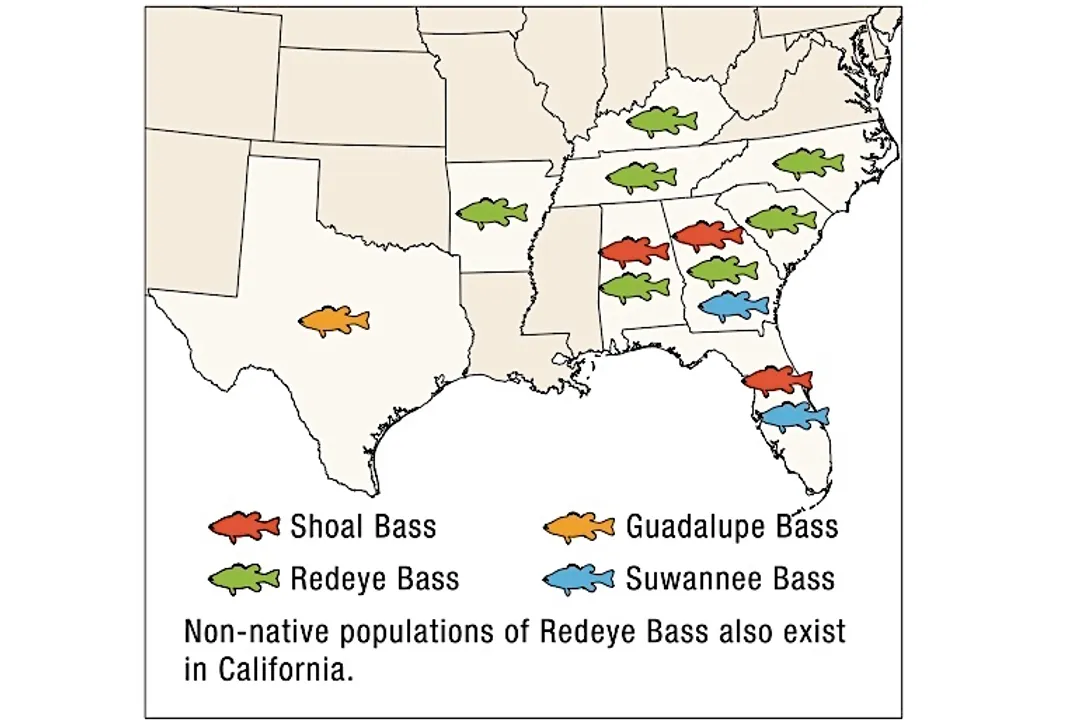
The concept of how rare a black bass is depends entirely on which bass you are talking about, as the term covers a diverse group of fish within the Micropterus genus. Asking about the rarity of "black bass" is similar to asking how common a "songbird" is; you must specify the species. While anglers frequently focus on the most popular sport fish, the genus itself contains numerous species, some of which are geographically restricted and inherently rarer than their widely distributed cousins.
# Species Count

The genus Micropterus, which encompasses the black basses, is significantly larger than the handful of species commonly targeted by recreational fishermen. [6] While many people immediately picture the Largemouth Bass (Micropterus salmoides), scientific understanding points to a greater diversity. [8] Current taxonomic understanding often recognizes about 11 to 13 species within the genus, although the exact number can sometimes shift based on ongoing genetic research and classification debates. [6] This places the entire group in a middle ground: one species is incredibly common across the continent, while others might only exist naturally in a single river system or lake, making them exceedingly rare from a purely biological standpoint. [8]
# Common vs. Endemic
The abundance of a specific black bass is often inversely related to how localized its native range is. The Largemouth Bass, for instance, has been successfully introduced across wide swathes of North America and even globally, making it decidedly not rare. [1] In contrast, species like the Shoal Bass (Micropterus coosae) or the Tallapoosa Bass (Micropterus tallapoosae) have highly restricted native ranges, often confined to specific river drainages in the Southeastern United States. [5] For these restricted species, rarity isn't a matter of population decline; it's a matter of natural geography, meaning a healthy population in its home river might still represent a species that is rare across the continent. [6]
For readers hoping to distinguish between the most popular members of the group, understanding their native prevalence is key. The most commonly cited are the Largemouth, Smallmouth (Micropterus dolomieu), and various Spotted Bass species (often including Alabama, Kentucky, and Northern Spotted Bass). [4]
| Primary Species | Common Abundance | Native Range Focus | Noteworthy Trait |
|---|---|---|---|
| Largemouth Bass | Widespread (Introduced) | Eastern/Central US | Tolerance for warmer, muddier water [4][1] |
| Smallmouth Bass | Common (Native in North) | Northern/Great Lakes | Preference for clearer, cooler water [4] |
| Spotted Bass | Regionally Common | Southern/Southeastern US | Often found in flowing rivers [4][5] |
# History of Scarcity
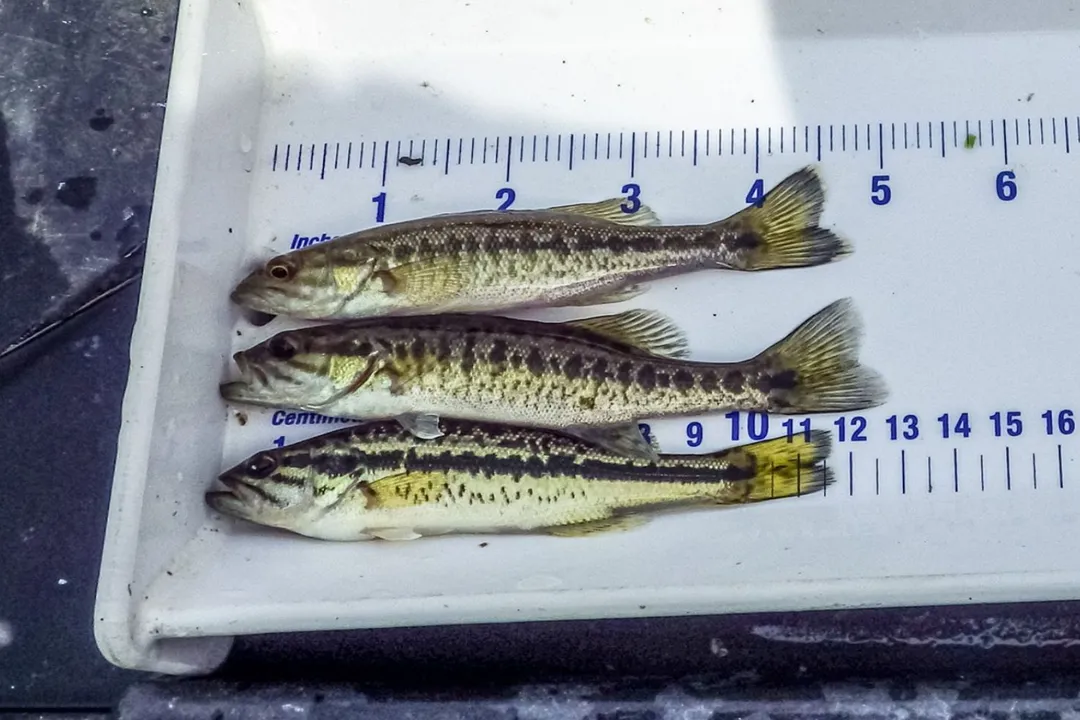
The historical perspective on black bass rarity is complex, showing that even the most abundant species faced periods where they were dangerously close to being functionally extinct in certain regions due to human activity. [1] The story of the sportfish that nearly vanished serves as a potent example of how management, not just natural distribution, dictates rarity. [1]
# Overharvest Crisis
In the late 19th and early 20th centuries, intense commercial fishing pressure and a lack of regulated seasons led to severe declines in popular bass populations across their native ranges. [1] The demand for fresh fish in developing urban areas meant that large quantities of bass were being removed from waterways before conservation measures were established. [1] It took concerted efforts, including the establishment of federal hatcheries and stricter regulations, to reverse these trends. [1] The fact that these fish survived what some might consider an extinction event highlights their biological resilience but underscores that they can become locally or regionally rare very quickly when subject to unchecked pressure. [3]
# Management Shifts
Wildlife management agencies recognized the importance of these fisheries, leading to regulations designed to maintain high population densities. [3] This active management, often involving stocking programs and size limits, is precisely what has kept species like the Largemouth Bass from being considered rare today, even though they were highly threatened historically. [1] The success in restoring these populations demonstrates that management expertise directly correlates with the non-rarity of the most popular bass species. [3]
# Identifying True Rarity
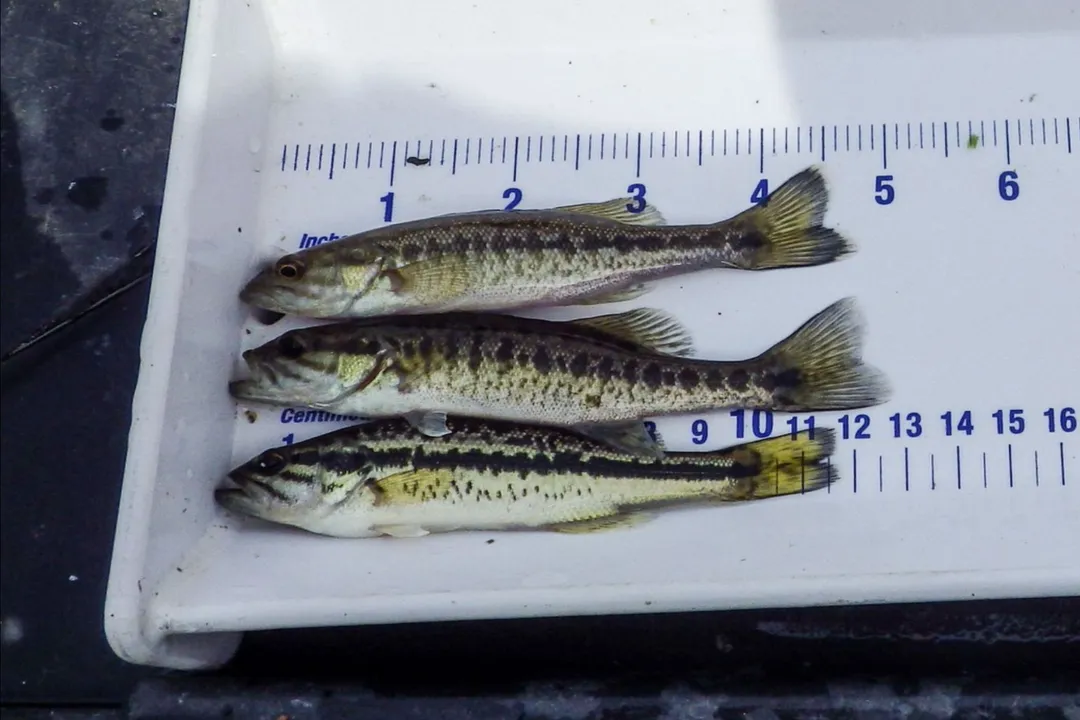
When discussing rarity, it is essential to move past the common trio and look at the lesser-known members of the genus. These species truly qualify as rare due to their specialized habitat requirements and limited natural distribution. [6] Consider the plight of a bass species endemic to just one or two river systems; any localized pollution event, dam construction, or invasive species introduction poses an existential threat that the widespread Largemouth simply does not face. [7]
# Taxonomic Challenges
Adding to the confusion regarding rarity is the difficulty in positively identifying certain bass species, even for experienced anglers. [2] Misidentification can lead to a species being under-reported in surveys, making it appear rarer than it actually is, or conversely, a known rare species might be mistakenly recorded as a common relative. [2] For instance, anglers might correctly catch a Spotted Bass but misidentify a rarer sub-species or a closely related endemic species, skewing the perceived population data. [8]
This taxonomic ambiguity means that official conservation assessments must rely heavily on genetic work rather than just morphological features, a process that takes time and resources, further complicating the immediate assessment of a species' rarity. [2]
# Localized Status
For the everyday angler, the practical definition of rarity often revolves around their local environment. If you are fishing in a well-managed, healthy lake in the Midwest, encountering a truly rare Micropterus is highly unlikely; you will see Smallmouths or Largemouths. [4] However, if an angler is targeting specific tributaries in states like Alabama or Georgia, they might be seeking out a species that is locally abundant there but functionally rare across the rest of the country. [5] The pressure exerted by fishing effort is a major local determinant of rarity. In heavily fished urban reservoirs, even the common species can become behaviorally rare—meaning they are present but have learned to avoid typical fishing tactics—requiring different approaches to find them. [1]
This leads to a critical point for the dedicated angler: if you want to encounter a less common black bass, your search must focus intensely on specific, often smaller, river sections where these endemic species are native, rather than large, widely stocked reservoirs. [5] The effort required to find these specialized species is inherently higher than finding the generalist, continent-wide species. [6]
# Conservation and Rarity
Government agencies and scientific bodies monitor black bass populations closely, especially the rarer species, as their health can serve as an indicator for the overall ecological condition of their native watersheds. [7] The mandates for fisheries management often prioritize protecting these endemic species because their loss would represent an irreplaceable loss of genetic diversity within the genus. [3]
For example, state agencies like the Florida Fish and Wildlife Conservation Commission track local bass populations and provide forecasts for fishing success, implicitly acknowledging that success varies greatly by location and species target. [5] A forecast for an area with high concentrations of a restricted bass species will inherently carry a different set of expectations regarding catch rates and population stability than a forecast for a region dominated by the adaptable Largemouth Bass. [5] The presence of a rare species often signals an ecosystem that has remained relatively undisturbed, which is an attribute prized by conservationists. [7]
To truly gauge the rarity of a specific bass, anglers and researchers look at listing status—Is it designated as Threatened or Endangered? This status is usually reserved for those species with very limited distribution or populations severely impacted by habitat alteration, which are the true outliers in the Micropterus group. [7]
The overall rarity of black bass, as a collective group of fish, is therefore quite low due to the success of the most popular species. [1] However, the rarity of any given species within that group can range from extremely common to critically endangered based on geography, habitat specialization, and historical management successes or failures. [6] Understanding which bass you are asking about is the first step in determining its actual prevalence in the wild. [8]
Related Questions
#Citations
How North America's Most Popular Fish Nearly Went Extinct
Revisiting the Record Books: Updating World Record Fish ... - FISHBIO
Conserving Black Bass Diversity | WMI Outdoor News Bulletin
How Well Do You Know Black Bass? - Game & Fish
Black Bass - FWC
Micropterus - Wikipedia
[PDF] Black Bass Fishing in the U.S.
Black Bass: How many species are there? - The Fisheries Blog