What are the characteristics of an ibex?
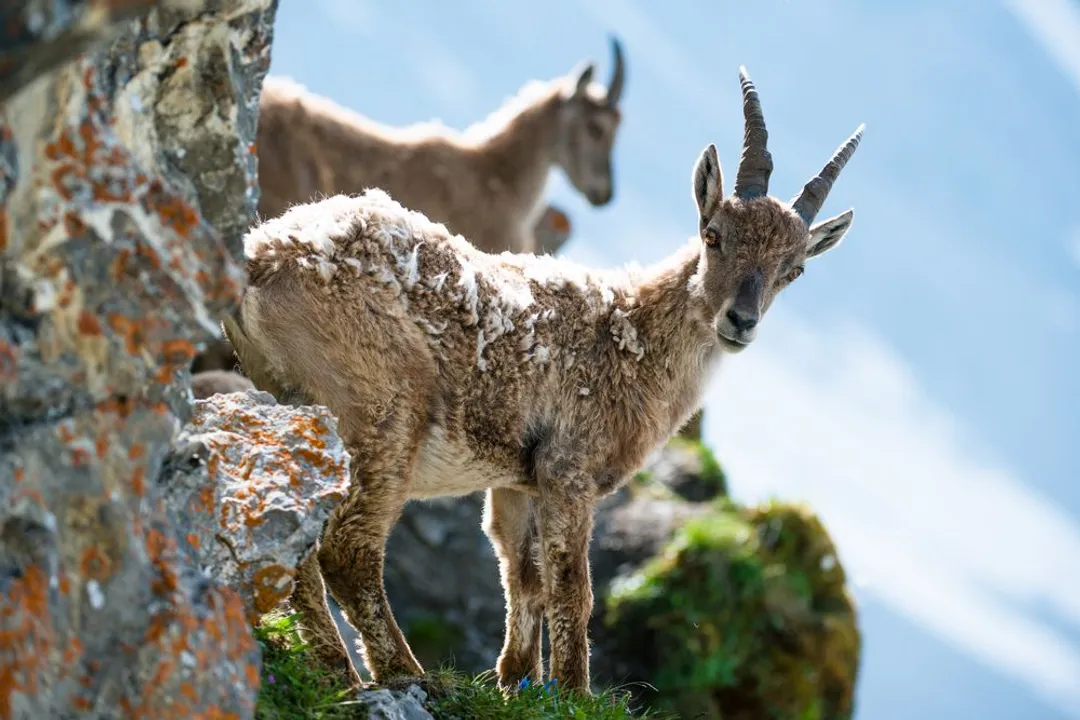
The term ibex refers to several species of wild goat recognized primarily for the magnificent, sweeping horns carried by the males. These animals are masters of vertical terrain, thriving in some of the planet's most rugged and remote mountainous regions across Eurasia and North Africa. [1][2][3] They belong to the genus Capra, which also includes the domestic goat. [2] Understanding the characteristics of an ibex means appreciating an incredible suite of adaptations that allow them to survive where few other large mammals can manage sustained life. [6]
# Horn Structure
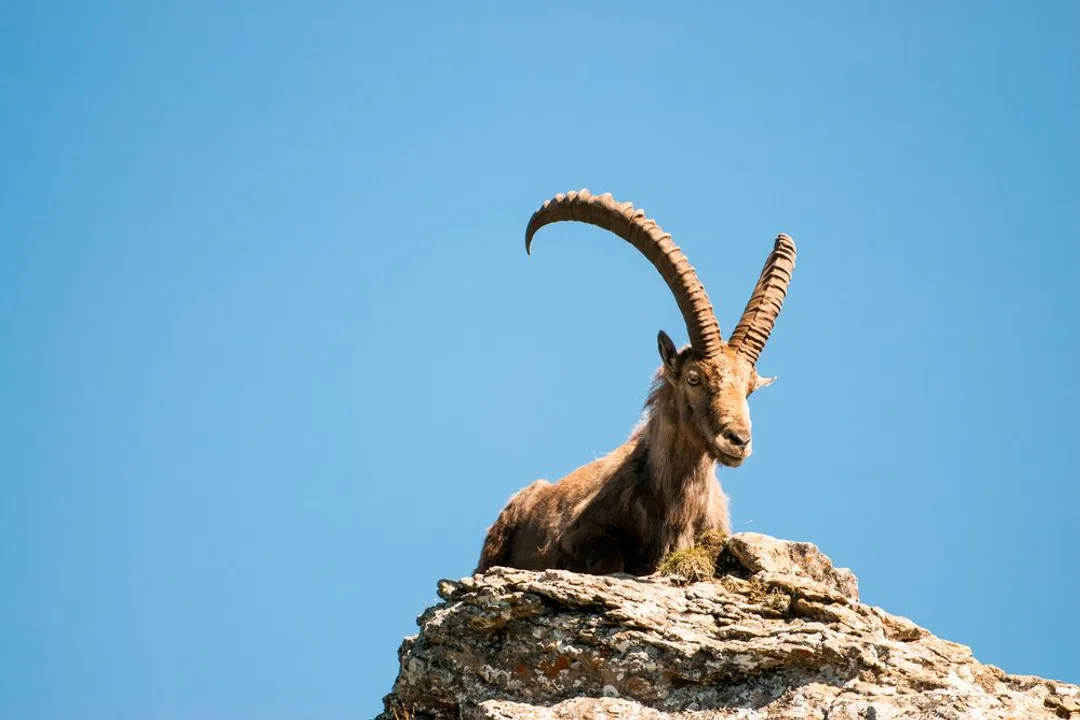
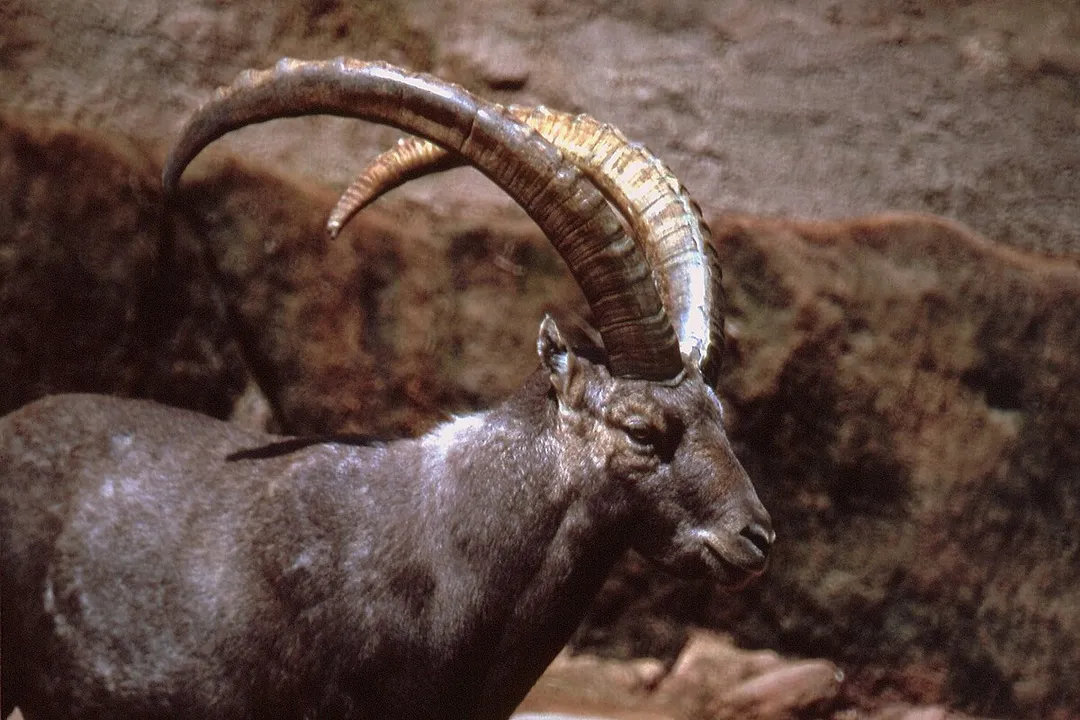
The most striking characteristic defining the ibex is undoubtedly the male's horns. [1] These formidable appendages are heavy, long, and curve backward in a scimitar-like fashion. [2] Unlike antlers, which are shed annually, ibex horns are permanent structures made of bone covered in a sheath of keratin. [6] The horns grow throughout the animal's life, with prominent, transverse ridges, or knobs, marking the annual growth rings. [1][3]
A key difference exists between the sexes. While females also possess horns, theirs are significantly shorter, thinner, and less curved than those of the males. [2][3] For instance, the magnificent male Alpine Ibex (Capra ibex) can develop horns reaching lengths over 3 feet (about 1 meter). [9] The males use these impressive structures for display and ritualized combat during the mating season, clashing horns to establish dominance hierarchies. [1][6] Examining the mass of these massive structures, one can infer the substantial development required in the neck muscles and skeletal structure to support and balance such weight while navigating precarious, narrow ledges, a necessity for their high-altitude existence. [1][8]
# Physical Form
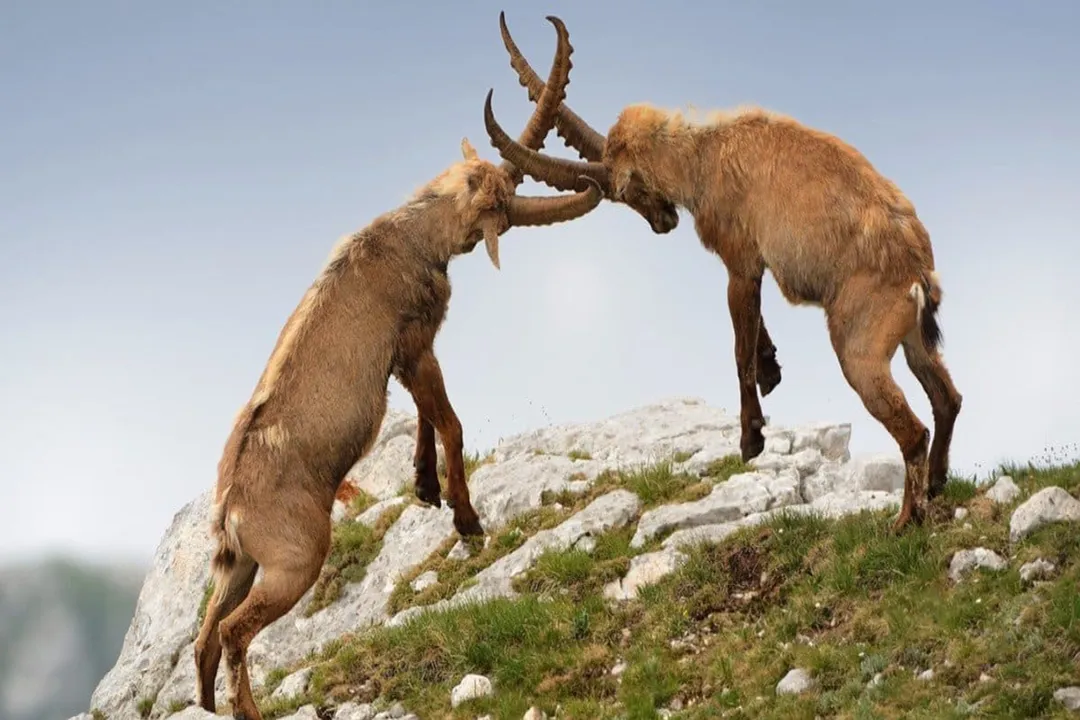
Ibex exhibit physical characteristics well-suited to their rocky domains. They are generally large, sturdy animals, though sizes vary considerably between the different species found across Africa and Asia. [3] For example, an adult male Alpine Ibex can stand about 3 feet (0.9 meters) high at the shoulder and weigh upwards of 220 pounds (100 kilograms). [9] Their coats usually offer good camouflage against the grey and brown tones of the rocks and scrub. [3] Many species display coats that change seasonally; a thicker, darker coat is typically present in winter, offering better insulation against severe cold, which sheds to a lighter color in the warmer months. [6]
Their feet are another crucial adaptation. Ibex possess hard, sharp-edged hooves that provide exceptional grip on sheer rock faces. [6] This specialized foot structure, coupled with an innate sense of balance, allows them to move with remarkable agility across steep slopes and ledges that would be impassable for most other ungulates. [8] Their ability to quickly retreat to nearly inaccessible high ground serves as their primary defense against predators. [6]
# Habitat Preference
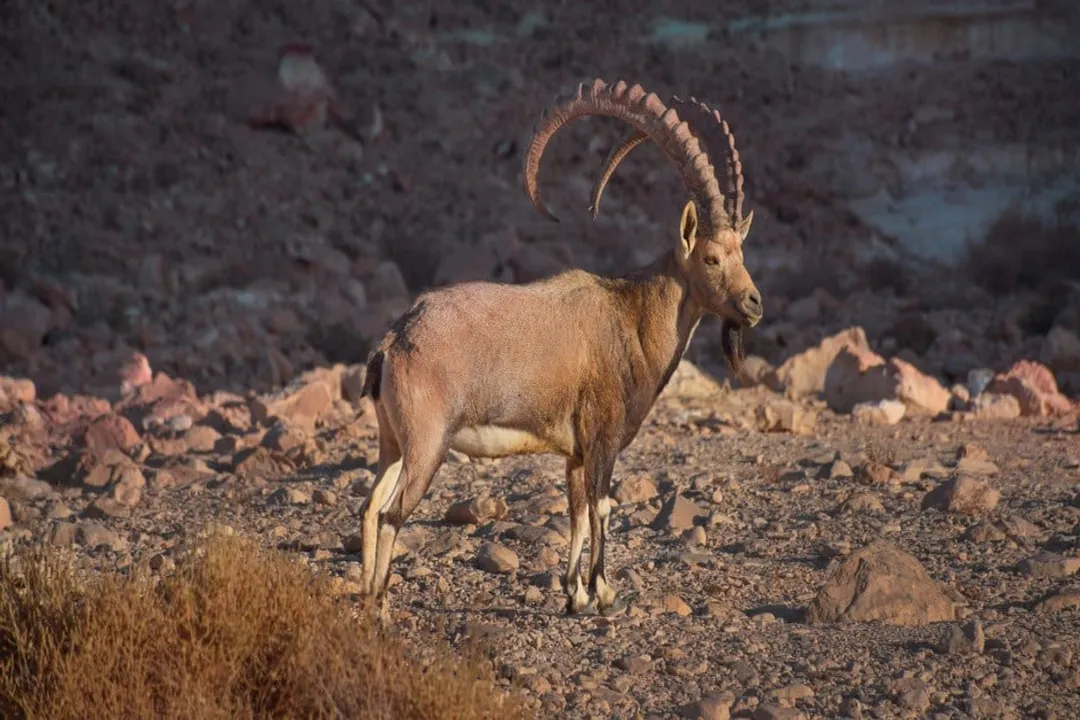
Ibex are fundamentally creatures of high elevation. [1] They inhabit steep, rocky environments, preferring the alpine zones above the tree line where vegetation becomes sparse. [3] The specific ranges depend on the species, but common areas include the European Alps, the Caucasus Mountains, and ranges across Central Asia and North Africa. [2][4]
For example, the Alpine Ibex is specifically associated with the high mountains of the European Alps. [9] In contrast, species like the Siberian Ibex roam vast, harsh areas of Central Asia. [4] This preference for extreme altitudes is directly linked to their feeding strategy and predator avoidance. [6]
It is interesting to observe how different regional pressures shape their immediate environment choices. While all are mountain dwellers, the local availability of escape terrain dictates daily movement. In areas where human activity or accessible valleys are common, the ibex might spend more time resting or feeding at slightly lower elevations during the night or in poor weather, relying on their superior eyesight to detect threats before retreating to the truly vertical safety zones at the highest accessible points. [8] This dynamic movement between feeding grounds and refuge areas highlights their constant assessment of risk versus energy expenditure.
# Diet and Behavior
As herbivores, ibex feed primarily on grasses, herbs, leaves, shrubs, and mosses, depending on what is available in their often sparse, high-altitude environment. [1][3][6] Because mountain vegetation is not always dense or nutritious, they must consume what they can find efficiently. [3]
Social structures are generally segregated outside of the breeding season. Males often form bachelor groups, while females live in herds that include their young. [6] During the rut, or mating season, the males become more territorial and actively challenge one another for access to the female herds. [1]
Considering the scarcity of forage at high elevations, the caloric efficiency required for an animal as large as a male ibex to maintain the necessary muscle mass and body temperature in often frigid, low-oxygen conditions is immense. [9] This suggests a metabolic rate that is highly tuned to utilize low-quality browse when necessary, making them incredibly resilient foragers rather than selective grazers. [3][4]
# Species Diversity
The term ibex technically covers several distinct species within the genus Capra. [2] While the general physical characteristics, especially the horns, link them, regional isolation has led to specialization. [4]
Key species include:
- Alpine Ibex (Capra ibex): Found in the European Alps, this species was once hunted nearly to extinction but has seen successful reintroduction programs. [9]
- Siberian Ibex (Capra sibirica): These are found across the extensive mountain ranges of Central Asia, noted for their great size. [4]
- Nubian Ibex (Capra nubiana): Inhabiting drier, more desert-like mountainous regions of North Africa and the Middle East. [2]
- Wild Goats Other closely related species, sometimes referred to as ibex or near relatives, include the Walia Ibex and various Asiatic subspecies. [2]
The survival of these distinct groups shows the incredible adaptability inherent in the Capra lineage, allowing them to colonize dramatically different geological and climatic zones, from the snowy peaks of the Alps to the arid, rocky outcrops of the Near East. [4] The conservation status and specific threats also differ widely, making blanket conservation efforts for "the ibex" inherently insufficient; management must be tailored to the unique pressures faced by each local population. [9]
#Videos
Facts About Ibexes Wild Mountain Goats-Narrative #kids ... - YouTube
Related Questions
#Citations
Facts About Ibex | Live Science
Ibex - Wikipedia
Ibex | Wild Mountain Goat, Alpine Species & Conservation Status
IBEX: CHARACTERISTICS, BEHAVIOR, REPRODUCTION, SPECIES
Ibex Animal Facts - A-Z Animals
All About Ibex Animal Habits, Environments and Life Cycles
Facts About Ibexes Wild Mountain Goats-Narrative #kids ... - YouTube
Ibex Facts | Croatia & Slovenia Wildlife Guide