What are some interesting facts about the Dutch Shepherd?
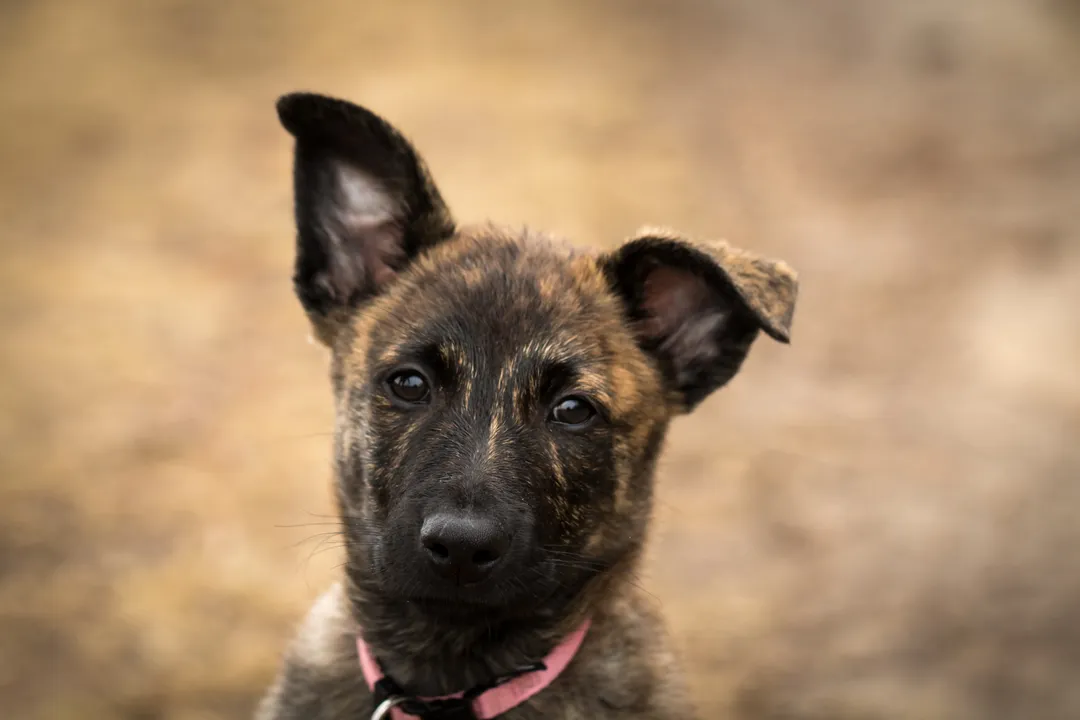
The Dutch Shepherd, or Hollandse Herdershond, is a remarkable and highly capable canine, often operating slightly outside the spotlight enjoyed by some of its close relatives. These dogs possess a compelling combination of intelligence, physical fortitude, and deep loyalty, stemming from a history rooted in versatile farm work in the rural areas of the Netherlands. Unlike many breeds developed for a single purpose, the Dutchie was bred to be a true jack-of-all-trades, capable of handling the demands of the working farm life.
# Farm Origins
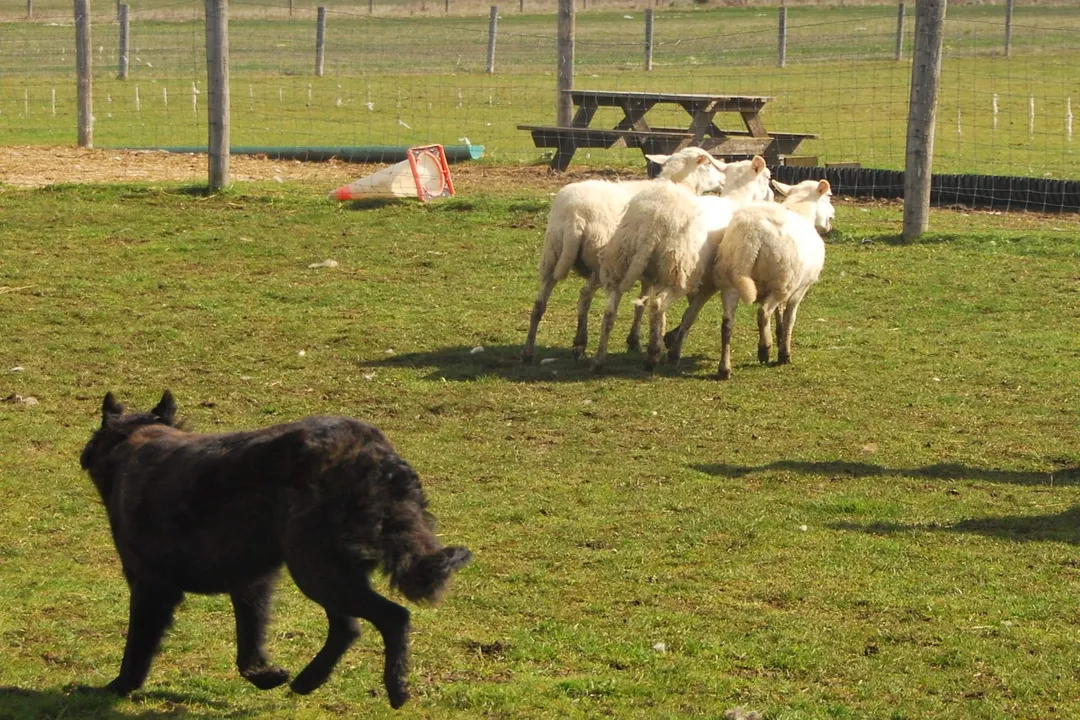
The need for a well-rounded working dog in the Netherlands during the 18th or 19th century—sources vary slightly on the exact century of formal development—gave rise to the Dutch Shepherd. Farmers required a dog that could independently herd their livestock, whether cows or sheep, and protect the farmstead. Their utility extended beyond flock management; these strong dogs were sometimes tasked with pulling carts filled with goods to market. This history as an all-purpose farm hand is critical to understanding their modern temperament: they are reliable, watchful, and possess an innate drive to complete a task, whether that task is rounding up cattle or solving a complex puzzle toy.
Their versatility naturally attracted attention beyond the farm gates. Historically, the Dutch Shepherd was even employed in service for the Dutch Army prior to the Second World War. Today, that strong work ethic continues to make them highly sought after for demanding roles, including police K-9 units, tracking work, and crucial search and rescue missions. They are also increasingly seen performing service work for owners with disabilities.
# Coat Varieties
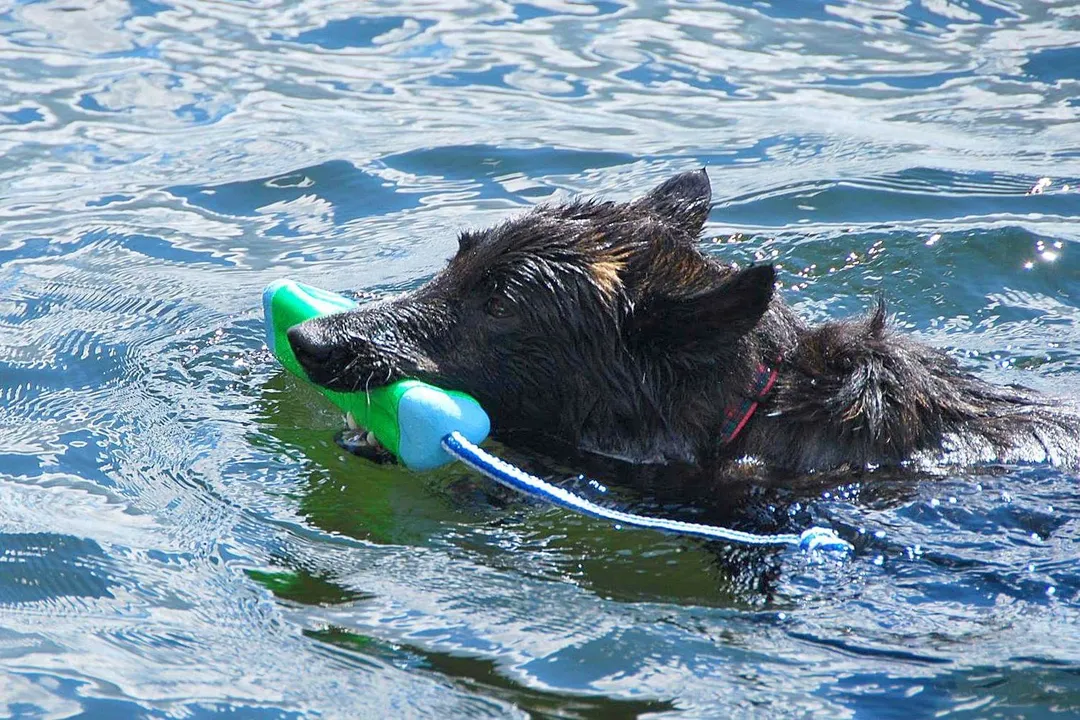
One of the most visually interesting facts about the Dutch Shepherd is that they come in three distinct coat types: short-hair, long-hair, and rough-hair. Each type offers a unique texture and grooming requirement.
The short-hair coat is described as hard and close-fitting. The long-hair variety features straight, harsh-to-the-touch hair that is abundantly coated on the ruff, breeches (hind leg hair), and tail. The rough-hair coat is dense, harsh, and tousled, often giving the dog a distinct, shaggy look. In this rough variety, the hair around the face forms a noticeable mustache and beard, along with coarse eyebrows.
Regardless of the length or texture, all Dutch Shepherds share one unifying feature: their coloring must be brindle. Their base color is typically silver or golden, which is overlaid with black or dark brown brindle striping. This brindle pattern can sometimes range from light sand to chestnut red. A small amount of white on the chest or toes is usually permissible.
Interestingly, the breed standard was changed in 1914 to only accept the brindle coloring. This revision was specifically implemented to draw a clear visual line between the Dutch Shepherd and related breeds like the German Shepherd and the Belgian Shepherd. An intriguing consequence of the rough coat is that its tousled nature can often obscure the brindle coloring, making it less apparent than on the smoother coats. Furthermore, the rough-hair coat variation is considered the most rare of the three types, with estimates suggesting only about 500 exist worldwide, with very few in the United States. This rarity, combined with the near extinction event post-WWII, contributes to the breed's overall uncommon status.
Considering the 1914 standard change to enforce brindle, the fact that the rarest coat type—rough-hair—actively obscures this required coloring suggests an interesting tension in the breed's presentation. The emphasis on brindle likely favored the smoother-coated dogs for exhibition purposes, perhaps inadvertently contributing to the reduced visibility and subsequent scarcity of the rough-haired lineage in the modern gene pool.

# Build and Stature
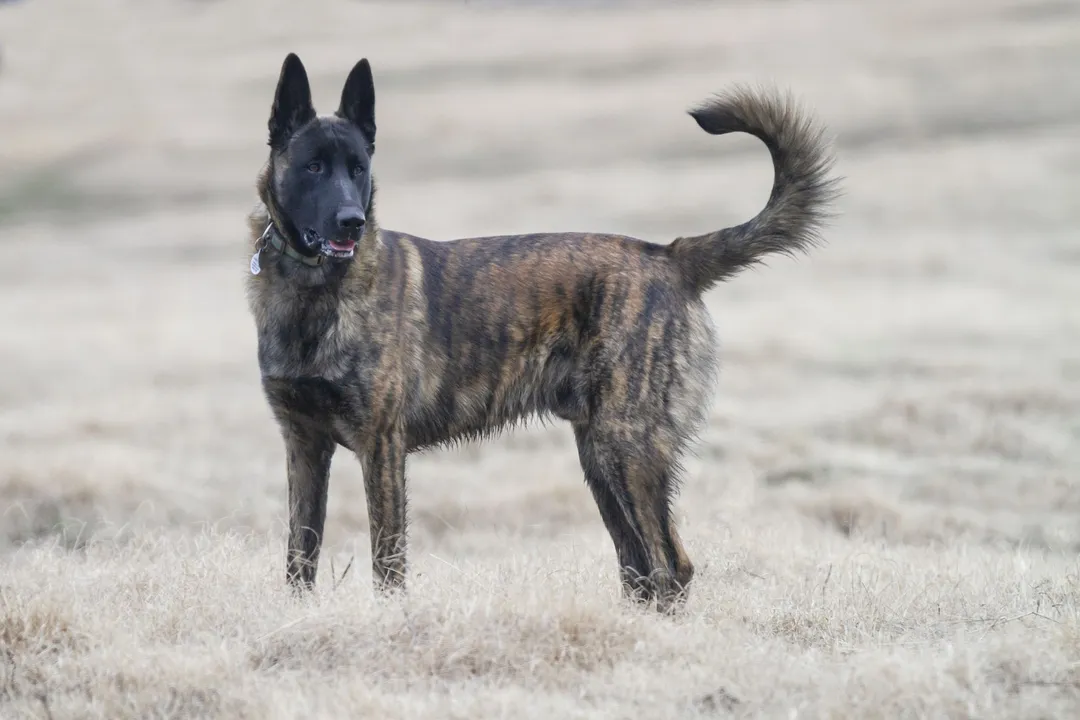
The Dutch Shepherd is characterized as a medium-sized, athletic dog. They are built for endurance and movement, possessing hard, muscular, and well-balanced bodies. Males typically stand between 22.5 to 24.5 inches at the shoulder, with females slightly smaller, ranging from 21.5 to 23.5 inches. Their weight generally falls in the 50 to 70 pound range.
Physical hallmarks include deep, long chests, powerful legs that facilitate speed and jumping, and a tail that hangs down with a slight curve. Their heads are wedge-shaped with a flat skull, and they feature medium-sized, erect ears and strong jaws. The eyes are a deep, dark almond shape, often conveying intelligence and attentiveness. Their movements are described as smooth and free, reflecting their high level of stamina.
# Temperament and Companionship
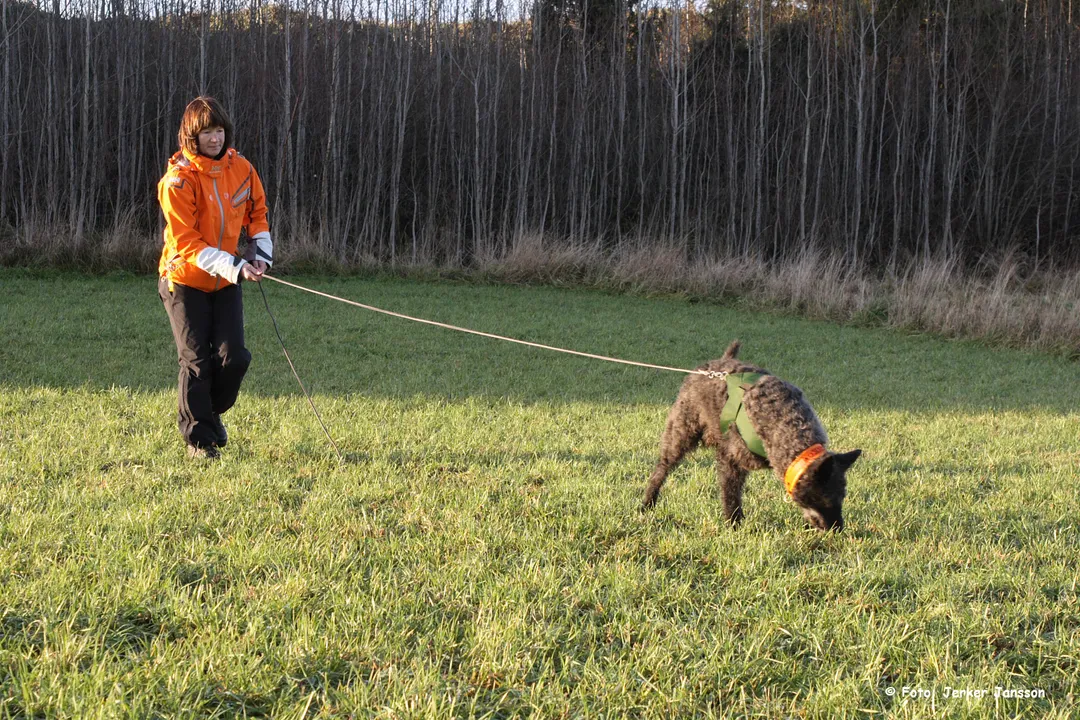
At their best, Dutch Shepherds are intelligent, alert, reliable, and affectionate. They thrive on having a job to do and delight in completing tasks, whether assigned by an owner or chosen independently. They are confident enough to work solo but are equally cooperative when paired with an owner or another dog.
As family companions, they form strong attachments and are known for being steadfast and loyal. They generally integrate well with children and other dogs, provided introductions are managed correctly. A fascinating aspect of their working nature is their ability to adjust their energy level to the situation; they know how to relax when it is time to rest, provided their activity needs have been met.
However, this breed is distinctly not suited for a sedentary lifestyle or for owners who cannot dedicate time to their enrichment. They are active, persistent, and highly intelligent, which means that if they are left alone for long periods with nothing engaging to do, problem behaviors are likely to surface. Their independence, combined with their intelligence, means they can quickly develop their own ways of doing things if training and structure are not consistently applied. For this reason, they are often not recommended as the best choice for first-time dog owners who may underestimate the required commitment to exercise and mental stimulation.
One less commonly cited trait, but certainly interesting for house-dwellers, is their relative lack of strong odor. Owners often report that Dutch Shepherds do not leave a noticeable smell in the house, which can be a significant advantage for indoor living.

# Care and Training Demands
Caring for a Dutch Shepherd revolves around meeting their high physical and mental thresholds. Daily exercise should be substantial, ideally ranging between 30 to 60 minutes of brisk activity, which can include running, hiking, or trips to the dog park. They make excellent running partners.
Their intelligence means mental stimulation is just as vital as physical exertion. They excel in competitive dog sports that combine both aspects, such as agility, obedience, rally, and tracking.
When it comes to training, their smarts mean they pick up cues quickly, but their independence means training must be ongoing and based on positive reinforcement and rewards. Repetitive exercises can cause them to lose interest quickly, so engaging, fast-paced activities are preferred. Because of their protective and territorial nature, proper socialization and training must channel these guarding instincts appropriately from a young age.
To effectively manage the needs of such a high-drive, independent breed, consider implementing an Activity Rotation Schedule. Instead of doing the same 45-minute walk every day, structure the week to include varied mental challenges. For example: Monday could be advanced obedience drills followed by a short jog; Tuesday, a nose-work puzzle session; Wednesday, a long, steady hike. This systematic variation prevents the dog from becoming bored with routine and ensures both mind and body are satisfied daily, leading to a calmer companion at home.
Grooming is dependent on the coat type. Short-coated dogs need brushing a few times a week, while long-haired dogs require weekly brushing. The rough-coated variety only needs brushing about once per month, but the coat requires hand-stripping twice a year, often best done by a professional groomer. All coats will experience heavier shedding sessions twice a year, typically in the spring and fall. Regardless of coat, routine ear cleaning, nail trims, and a dedicated dental care routine are necessary components of lifelong care.
# Health Profile
Generally, the Dutch Shepherd is considered a very healthy breed with relatively few widespread inheritable conditions, especially when compared to some other popular shepherds. Responsible breeders will screen potential parents for known issues.
Potential health concerns include:
- Hip Dysplasia: This common ailment in larger breeds can affect the Dutch Shepherd.
- Goniodysgenesis: A condition related to the restricted fluid flow in the eye, which, in severe cases, can cause blindness. This has been noted as affecting the rare rough-haired variety more frequently, though it remains rare overall.
- Inflammatory Myopathy: This is an inflammatory muscle disorder characterized by progressive weakness and muscle wasting, for which the associated genetic variant has been specifically identified within the Dutch Shepherd Dog.
Owners looking to ensure the best long-term health planning can utilize DNA testing to check if their dog is a carrier for conditions like Inflammatory Myopathy.
# A Breed of Distinction
The Dutch Shepherd’s journey—from an essential 18th/19th-century farmhand to a near-extinct breed after World War II, and its subsequent revival by dedicated enthusiasts—speaks volumes about its inherent value. While they have been approved for the AKC Miscellaneous Class since 2017, they remain a rare sight compared to their cousins.
Their distinguishing brindle coat, intelligence that rivals any working breed, and deep devotion to their families are what keep them in high regard among those who know them. They are excellent companions, provided the owner recognizes that the "work" they crave can be channeled into structured training, sports, or enrichment activities that satisfy their demanding, highly capable nature.
#Videos
Dutch Shepherd - Top 10 Facts - YouTube
Related Questions
#Citations
History & Fun Facts - American Dutch Shepherd Association
Dutch Shepherd: Dog Breed Characteristics & Care - The Spruce Pets
Dutch Shepherd Facts For Kids | AstroSafe Search - DIY.ORG
6 Facts About Dutch Shepherds - Greenfield Puppies
Dutch Shepherd - Top 10 Facts - YouTube
Dutch Shepherd Dog Facts - Wisdom Panel™ Dog Breeds