What are some interesting facts about Sheepadoodles?
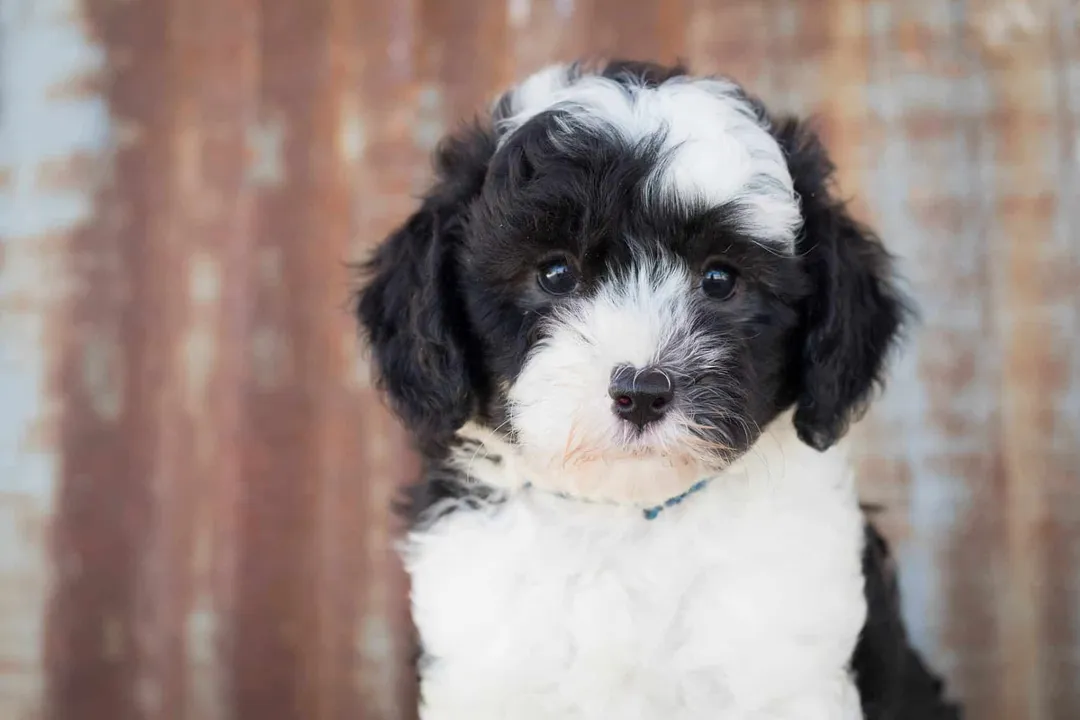
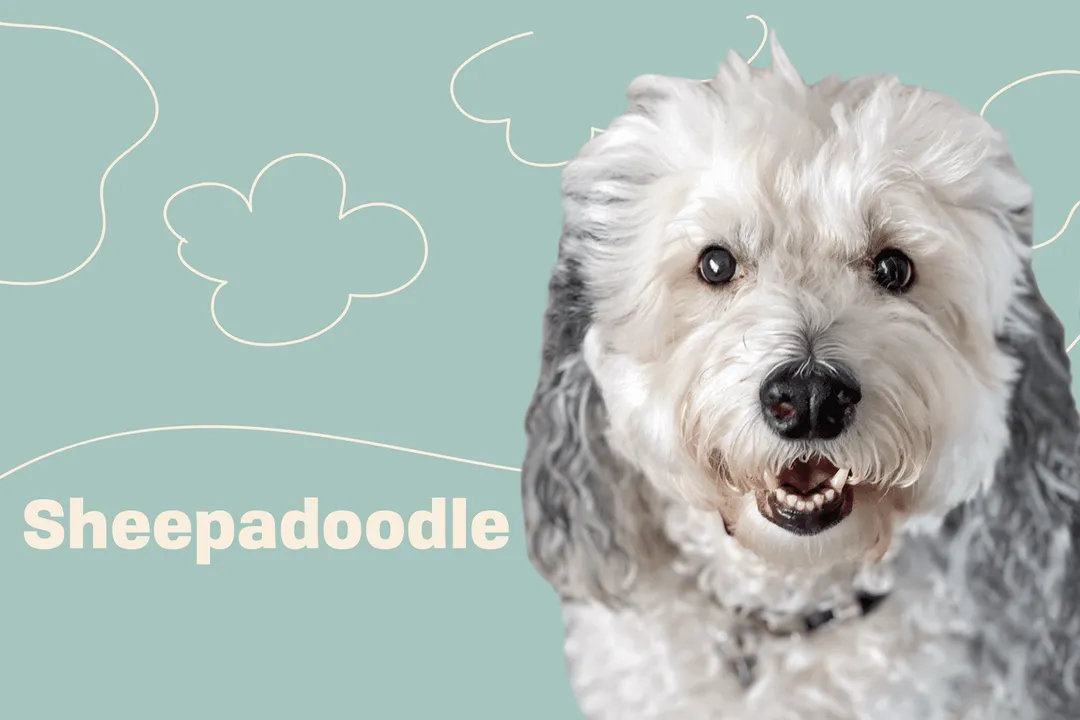
The Sheepadoodle, a cross between the famously shaggy Old English Sheepdog and the famously smart Poodle, often greets the world with a distinctly lovable, teddy-bear look. This hybrid has captured the attention of many dog lovers, but bringing one home involves understanding a unique set of traits that come from both parent lines. They are known for being incredibly social companions, yet that very sociability, combined with their energy and coat type, sets a distinct standard for prospective owners.
# Parentage Blend
The very essence of the Sheepadoodle is a combination of working history and water-retrieving prowess. The Old English Sheepdog (OES) side contributed a gentle, good-natured demeanor and a strong instinct for herding livestock, often leading to their historical nickname "bobtail" due to the practice of docking their tails as working dogs. On the other side, the Poodle brings high intelligence and that signature low-shedding coat. This mix results in a dog that is generally eager to please, affectionate, and smart, often possessing a high emotional IQ.
# Size Spectrum
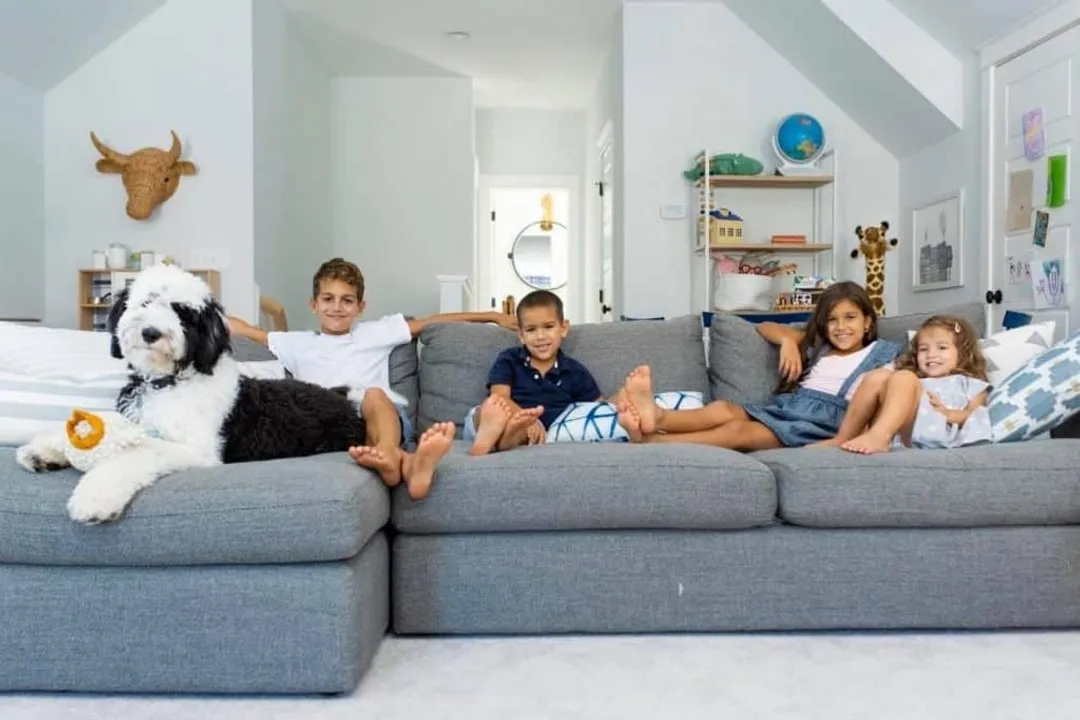
One significant variation among Sheepadoodles lies in their size, which largely depends on the size of the Poodle used in the breeding cross—Standard, Miniature, or Toy. A Standard Sheepadoodle, typically resulting from a Standard Poodle cross, generally weighs between 65 and 85 pounds and stands about 18 to 27 inches high. However, owners should be mindful that the fluffy coat can make them appear even larger than they are. Anecdotal evidence suggests that some offspring, sometimes dubbed "Giant Sheepadoodles," can exceed the typical standard, reaching weights around 75 pounds or more. This size means owners must prepare for larger appetites, potentially more expensive grooming bills, and a substantial amount of brute strength that younger children might struggle to manage on a leash.

# Temperament Blend
The temperament is usually a winning mix of playfulness and devotion. Sheepadoodles are generally described as highly social dogs that thrive on being involved in all family activities. They love attention and tend to form deep bonds with their people, often becoming dedicated shadows that follow owners from room to room. While they are playful and energetic, they also know how to settle down and nap hard once their activity needs are met.
However, their heritage surfaces in specific behaviors. The herding instinct from the OES side means they may try to "round up" family members, especially running children, necessitating early training to manage this urge. Furthermore, many puppies display nipping behaviors, which is another instinctual trait meant for controlling livestock; this requires consistent redirection to prevent damaged clothing or accidental nips on hands. Though intelligence from the Poodle makes them quick studies in basic commands like sit and stay, their stubborn streak, inherited potentially from the OES independence, means owners need patience and consistency.
# Coat Care Demands
The appeal of the Sheepadoodle’s fluffy, teddy-bear appearance is matched by the commitment required to maintain it. Thanks to the Poodle lineage, they are low-shedding and are often considered suitable for allergy sufferers, though it's important to remember that no dog is truly hypoallergenic as they all shed skin cells. The trade-off for minimal shedding is a coat that is highly prone to matting.
Owners must brush frequently—daily brushing is considered ideal to avoid painful mats, though some manage with twice-weekly sessions. This grooming requirement is non-negotiable if you want to maintain that soft, wavy look.
When considering the financial commitment, it is worth noting that professional grooming is frequent. One owner reported needing a bath every three weeks and a full cut every six weeks, costing upwards of \50 for a bath alone in 2023. If we estimate a professional full groom (bath and cut) at roughly \90 every two months (about 6 weeks), that translates to six required full grooming sessions per year, plus additional baths, creating an estimated base grooming expense well over $500 annually just for professional maintenance, not accounting for specialized shampoo or brush purchases. Selecting high-quality tools, such as a good pin brush and a slicker brush for tangles, can make this necessary chore much easier than relying on cheaper store brands.

# Activity Levels
If you prefer a laid-back, sedentary companion, a Sheepadoodle might quickly change your routine. These dogs possess moderate to high energy, largely inherited from both active parents. A couple of short walks won't suffice for a full-sized Sheepadoodle; they need serious playtime and mental stimulation to stay happy and prevent stress or destructive behavior from boredom. Games of fetch, especially with toys designed for throwing far, are highly favored activities. When integrating them into family life, activities like playing in the yard or taking them along on hikes are excellent ways to meet their exercise quota.
# Training Social Needs
The extreme sociability that makes Sheepadoodles wonderful family pets is also a major consideration for lifestyle matching. They strongly dislike being left alone, and prolonged isolation can lead to significant separation anxiety, potentially resulting in destructive behavior. For families where all adults work outside the home for long hours, alternatives like doggy daycare or regular walker visits should be seriously planned for.
Effective training starts immediately, often including crate training to establish order and ease housebreaking, which many owners find happens relatively quickly with this breed. Because they are large dogs even as puppies, it is vital to train them with the adult size in mind—don't allow behaviors you wouldn't want a 90-pound dog to perform.
When dealing with their desire to herd people, preemptive intervention is key. If you notice your Sheepadoodle beginning to stalk or eye members of the household, immediately interrupt the behavior by firmly directing them to a basic command like "sit" or "stay". For instance, if you are preparing dinner and the dog starts circling the kitchen to gather the family, redirecting them to lie down on their bed before they start the behavior can help solidify that their job is not to manage human traffic.

# Health Outlook
Generally, Sheepadoodles are considered relatively healthy dogs, with a decent expected lifespan often reaching 12 to 15 years. Hybrid vigor, the theoretical benefit of mixing diverse genetic lines, might reduce the risk of some genetic diseases associated with purebreds. However, prospective owners must still prioritize finding a reputable breeder who performs comprehensive health screening on both the Poodle and OES parents. Specific concerns to watch for include hip dysplasia and, especially in the larger lines, bloat (gastric dilatation-volvulus).
To mitigate the risk of bloat, which affects deep-chested dogs, one actionable strategy is to slow down mealtimes. Rather than simply feeding a full bowl twice daily, utilize a food puzzle or maze for at least half of the dog's daily intake. This not only slows consumption but also provides valuable mental stimulation, helping tire out their clever minds. Their floppy ears also require extra attention; the heavy hair around the ear canal traps moisture, making regular cleaning with vet-approved solutions essential to ward off uncomfortable ear infections.
#Videos
Sheepadoodle Information, Facts, and Images! 2023 - YouTube
Related Questions
#Citations
9 Facts Only Sheepadoodle People Understand - Rover.com
Almost decided on a Sheepadoodle - things to know before? - Reddit
Sheepadoodle Facts | Life Unleashed Farm: Learn more about the ...
Sheepadoodle Information, Facts, and Images! 2023 - YouTube
Sheepadoodle Dog Breed Information & Characteristics - Daily Paws
Our Giant Sheepadoodle: The Good, Bad & The Smelly