What are some interesting facts about freshwater drum?
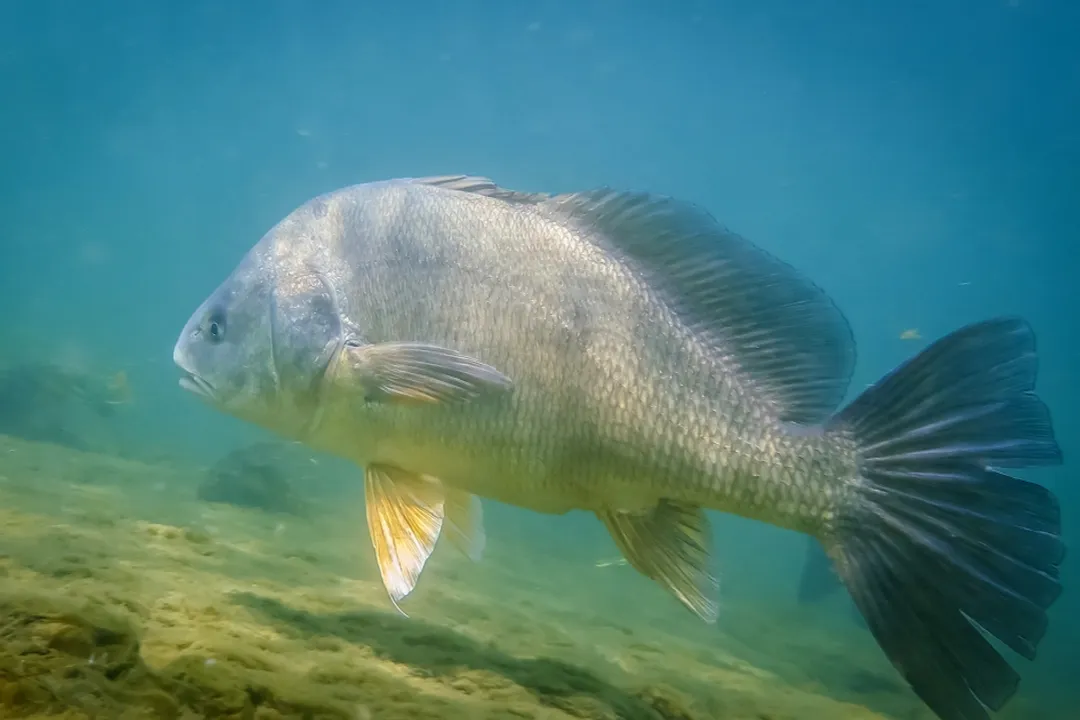
The freshwater drum, Aplodinotus grunniens, is one of North America’s most widespread yet perhaps least celebrated native fishes. This member of the drum family, Sciaenidae, holds the unique distinction of being the only species in that group endemic to freshwater environments across North America. Its massive geographical range spans from as far north as Hudson Bay down to Guatemala, and from the eastern slopes of the Appalachians westward into Texas, Kansas, and Oklahoma. This broad distribution has naturally resulted in an astonishing variety of common names, including the common sheephead, croaker, grunt, grunter, Russell fish, thunder pumper, and the French-derived Gaspergoo, which translates roughly to "to break a clam".
# A Musician Fish
The name “drum” is no mere suggestion; it is an earned descriptor based on the fish’s distinctive vocalizations. Mature males possess a specialized set of muscles surrounding their air-filled swim bladder, which they can vibrate against it to produce a deep, rumbling, or grunting sound. This percussive ability is so pronounced that the sound can sometimes be heard above the water's surface, or even from the shore, especially when adults school together during the breeding season. While the exact purpose remains a subject of assumption, its association with mature males exclusively during the spawning period strongly suggests it is used to attract mates or for territorial communication.
The nomenclature itself hints at another aspect of their character. The generic name, Aplodinotus, derives from Greek meaning "single back," while the specific name, grunniens, comes from Latin for "grunting". This auditory trait is a fascinating adaptation that connects the freshwater drum to its marine relatives, even though it spends its entire life far from the ocean waves.
# Stone Treasures
Beyond its musical talents, the freshwater drum hides a genuine treasure within its anatomy: its otoliths, commonly known as "ear stones". These are granules of calcium carbonate located in the inner ear that help the fish maintain balance and orientation, a key ability when navigating the turbid waters they often inhabit. What makes the drum’s otoliths particularly interesting is their size; they can reach over an inch in diameter. This large size and hard composition led to their historical significance for Native Americans, who strung them together to create necklaces, bracelets, or used them in ceremonies or as charms to ward off sickness. In this regard, the fish provides a tangible piece of history, a "lucky stone" that anglers sometimes still keep today.

# Appearance and Residence
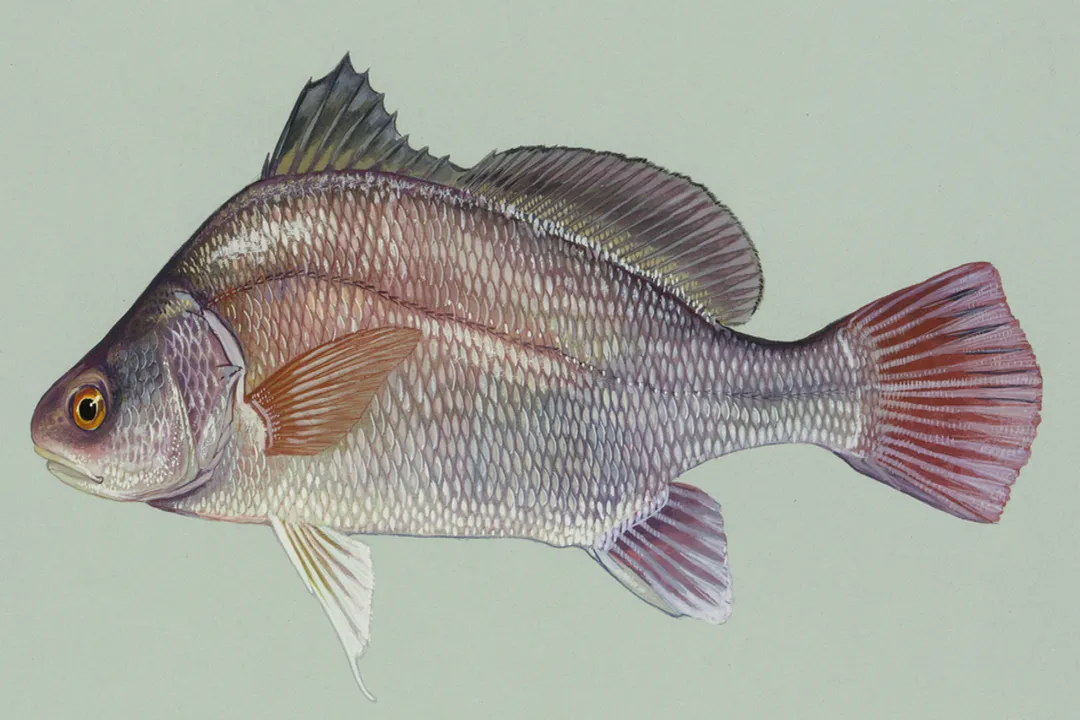
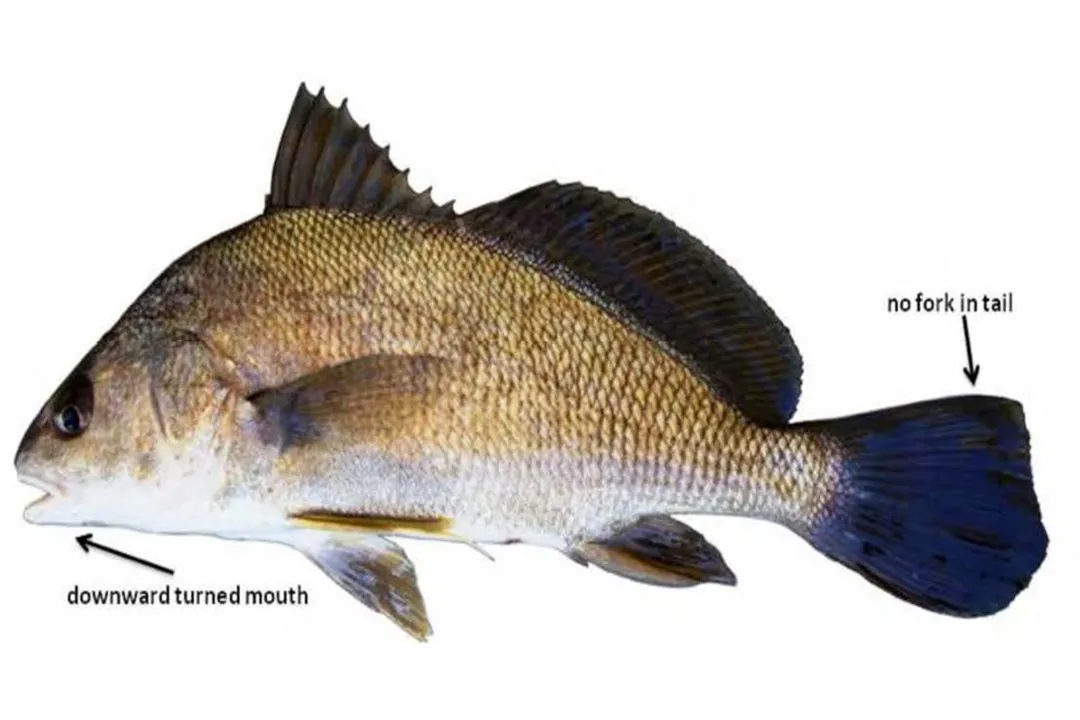
Physically, the freshwater drum is a deep-bodied fish known for a characteristic hump where the head meets the body, creating a steep slope up toward the long, divided dorsal fin. Coloration generally ranges from silvery to dusky-gray, often taking on bronze or purplish tinges depending on the specific water conditions of their habitat. They possess a down-turned mouth and a blunt snout, features optimized for bottom feeding. A notable feature is the extension of the lateral line—the sense organ that detects pressure and vibration—all the way through the rounded caudal (tail) fin, which is further than in most other fish species. This physical trait allows the drum to be exceptionally sensitive to water movement and vibrations in its environment.
While they generally prefer clear water with clean sand or gravel substrates, the drum is remarkably tolerant of turbid and murky conditions, which helps explain its massive range across various river systems and large lakes, including the Great Lakes. They favor deeper pools, channel swings, and backwaters in rivers, though they move into shallower, warmer waters for spawning in the summer.
One interesting comparison can be drawn between the expected lifespan and their environmental preference. With maximum recorded ages reaching 72 years in some Minnesota populations, and an average age often cited between 6 and 13 years, the freshwater drum is a long-lived species. This longevity suggests a life strategy prioritizing survival in stable (though perhaps not always pristine) habitats over rapid maturation, a contrast to some shorter-lived, highly accelerated-growth sport fish that dominate popular fishing narratives.
# Bottom Feeding Habits
The diet of the freshwater drum centers heavily on the benthic community—organisms living on or near the bottom. They are equipped with powerful crushing teeth plates in their throats, allowing them to consume hard-shelled creatures such as crayfish, snails, and mussels. They will even consume invasive zebra mussels once large enough, though smaller drums show selectivity regarding mussel size. Another tactic involves using their high snout and forehead to physically flip over stones and other bottom materials to expose hidden insect larvae or small invertebrates, using their sensitive lateral line to detect any resulting displacement in the water.
However, their menu is not exclusively bottom-based. Seasonal shifts occur; for instance, in the autumn months, they frequently shift their diet to include small fish, with young-of-the-year Gizzard shad making up a significant percentage of their intake in certain regions. This mixed diet—supplemented by aquatic insect larvae and occasionally seeds—means they compete with various species, from yellow perch and emerald shiners in deep water to bass in shoal areas. Furthermore, their nocturnal tendencies mean that the bulk of sampling or fishing success often comes after dark, likely when foraging activity peaks. A helpful observation for anglers is that when summer heat makes other species lethargic, the drum remains active and will readily strike baits and lures.

# Angling and Culinary Debate
Despite being hard-fighting and having a potentially mild, excellent flavor, the freshwater drum is often overlooked or discarded by recreational anglers, frequently being caught as bycatch while targeting more prestigious species. Anglers who do target them consistently report that they are aggressive strikers and powerful combatants, known for their tendency to dig or dive toward the bottom once hooked, putting a significant bend in the rod. One assessment noted that they fight harder than a largemouth bass, comparable to the tenacious fight of a carp.
The perception of the drum as poor table fare is something many proponents feel is underserved, especially considering their marine cousins, like the Red Drum, are highly prized. The flesh of the freshwater drum is described as firm, white, and flaky, making it suitable for many preparations. The key to enjoying them, according to some culinary advice, involves careful preparation: immediately dispatching, bleeding, and icing the fish after capture is essential to maintain flesh quality. When filleting, it is crucial to trim away the dark red meat adjacent to the lateral line, sometimes called the "mud line," as this can affect the taste. Since the fillets can be somewhat bony and low in oil content, pan-frying or deep-frying fillets coated in flour or crumbs—once the pin bones are addressed—is recommended to prevent drying out the meat. Nutritionally, the meat provides good sources of protein, Vitamin B12, manganese, B6, phosphorus, and selenium. Furthermore, contaminant testing suggests that the flesh of the freshwater drum is often comparable in safety to game fish like walleye and bass, rather than bottom-feeding carp.
The life cycle reinforces their abundance. Spawning occurs from May through July when water temperatures hit roughly 65°F. In a trait shared with many saltwater species, the eggs are broadcast into the open water column where they float to the surface, a strategy that unfortunately contributes to a high initial mortality rate due to predation before the tiny larvae hatch. Because they are so abundant and often not federally or state-listed, many jurisdictions have unlimited bag limits, and commercial harvests can reach millions of pounds annually without threatening the overall population status.
If an angler seeks a strong, native fight and is willing to look past the reputation, targeting them on nightcrawlers or shrimp near the bottom in deep river pools or reservoirs during the height of summer can yield success when other sport fish are inactive. Their life history, marked by longevity and tolerance for varied conditions, makes the freshwater drum a true, if often unappreciated, fixture of North America's major waterways.
Related Questions
#Citations
Freshwater Drum: The Great Grunting Gaspergoo
Freshwater Drum/Sheepshead (Aplodinotus grunniens)
Freshwater Drum (Sheepshead) | Minnesota DNR
Freshwater Drum: Hard-Fighting, Tasty Native Game Fish
Freshwater Drum | Mississippi Department of Wildlife, Fisheries, and ...
Freshwater Drum | Oklahoma Department of Wildlife Conservation
Freshwater drum - Wikipedia
Freshwater Drum - Fish Species - Iowa DNR