What are some interesting facts about barramundi?

The name itself, barramundi, is derived from an Indigenous Australian language, often translated simply as "large-scaled fish". [3] In its native range, this magnificent creature is known by several monikers, though Barramundi is the most recognized internationally. [8] Scientifically, it belongs to the family Latidae and is formally known as Lates calcarifer. [2][8] This fish is not confined to a single scientific classification, as different regions sometimes apply the name to slightly different, though related, species, but the dominant commercial and sporting fish referred to as barramundi is indeed L. calcarifer. [2]
# Name Origin
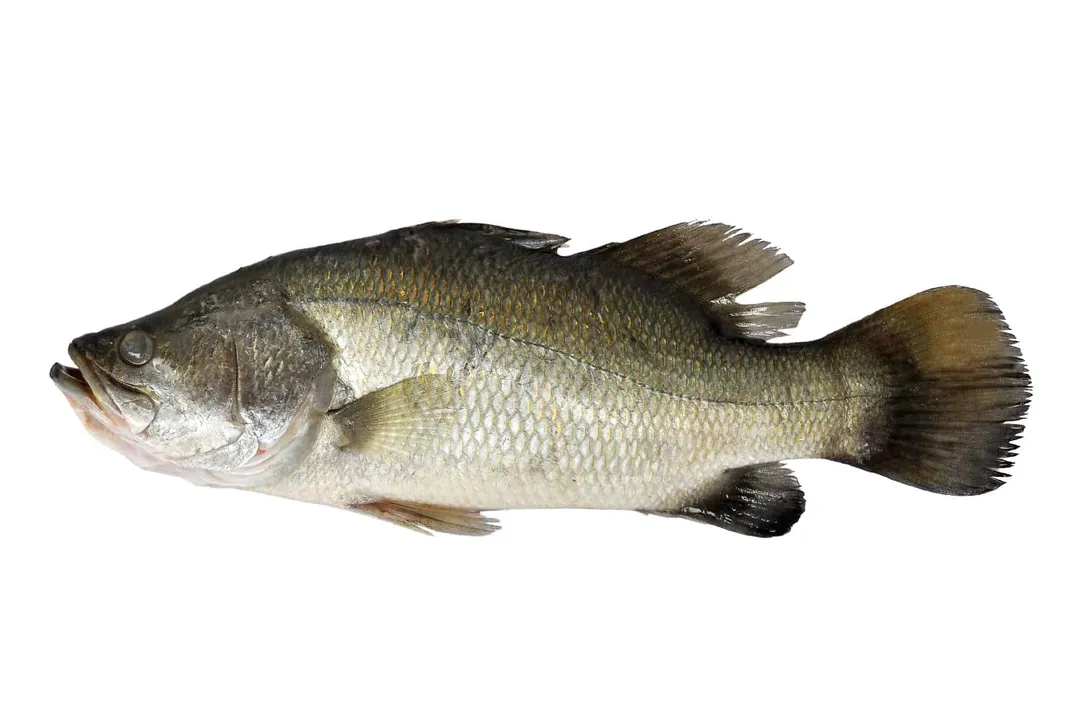
While the name is well-established in the West, the barramundi's distribution is expansive, leading to regional variations in its common name. [8] Its scientific binomial, Lates calcarifer, hints at its physical characteristics, but it is the local common names that highlight its cultural importance across the Indo-Pacific region. [8] Understanding the origin of the name helps ground the fish in its native tropical environments, stretching from the Persian Gulf eastward through Southeast Asia and down to Northern Australia. [2][8]
# Sexual Shift
Perhaps the most captivating aspect of the barramundi is its remarkable ability to change sex over its lifespan. [1][2][4] This biological process is known scientifically as protandrous hermaphroditism. [2] Barramundi are initially born as males, and as they mature and reach a certain size or age, they have the potential to transition into females. [1][2] This strategy is thought to be an evolutionary mechanism that ensures reproductive success regardless of varying population densities or environmental pressures. [2] For instance, smaller, younger individuals are generally male. If a dominant female is lost or removed from a social group, a functioning male will transform to take her place, thus maintaining the reproductive structure of the existing population. [2] This sequential transition—male first, then female—is quite different from species that are simultaneous hermaphrodites, which possess both male and female organs at the same time. [2]
The sequential nature of this change suggests an evolutionary optimization for colonizing new or less populated environments. Being male early allows an individual to contribute sperm quickly, while the later transition to female maximizes reproductive output once larger size (and thus, greater egg production capacity) is achieved [Original Insight Integration].
# Physical Traits
In terms of physical presence, the barramundi is certainly impressive. [4] They are easily identifiable by their large scales and a distinctly humped forehead, which tends to become more pronounced in older, larger males. [5] They have the potential to grow quite large, often reaching lengths of up to 1.8 meters (nearly 6 feet) and weighing around 30 kilograms (66 pounds) in the wild, though typical catches encountered by anglers are significantly smaller. [2][4]
Their coloration is adaptable, shifting depending on their immediate environment. [5] Fish inhabiting freshwater systems tend to exhibit darker or greyish tones, providing better camouflage in river settings, whereas those found in more open marine or estuarine waters often display a more silvery appearance. [5] They possess a strong build with a somewhat concave profile when viewed from the side, indicative of their power as ambush predators. [5]
# Water Home
Barramundi are exceptionally adaptable regarding their living conditions, which contributes greatly to their widespread distribution across tropical and subtropical regions. [5][8] They thrive in warm water, generally requiring temperatures between 26 and 30 degrees Celsius to flourish. [1] Critically, they are catadromous, meaning they move between saltwater and freshwater environments throughout their life cycle. [1][5] Juveniles often begin their lives in the protective environments of freshwater rivers and estuaries before migrating out to the sea. [1][5] They utilize a variety of habitats, including those slower-moving rivers, brackish estuaries, mangrove areas, and even coastal sections of the ocean. [8][5] They are known to be quite hardy, capable of tolerating lower dissolved oxygen levels than many other fish species, a trait that allows them to survive in the sometimes stagnant, warm water bodies typical of tropical floodplains. [2]
# Table Fare
Beyond their biological quirks and sporting value, barramundi is highly prized across the globe for its exceptional culinary qualities. [4] The flesh is consistently described as firm, white, and moist, possessing a mild, sweet flavor that lends itself well to extensive culinary preparation. [4] Its relatively large, thick flakes and low inherent oil content mean it handles various cooking methods well, whether it is being steamed, baked, or grilled over coals. [4]
Because of this high market demand and the need for consistent supply, much of the barramundi consumed today comes from aquaculture operations rather than being sourced solely from wild catch stocks. [1]
# Farmed Fish
The drive to meet consumer appetite for this flaky white fish has spurred significant advancements in aquaculture techniques. [1] Barramundi farming is particularly prominent in regions of Asia and Australia, where controlled environments ensure a more predictable output year-round compared to wild fishing. [1] Farmers often actively manage the sex ratios within their tanks to optimize growth rates. This management can sometimes involve temperature manipulation or the use of hormones to ensure the stock remains predominantly male during the initial, rapid growth phase of the fish’s life. [1]
When assessing the flavor profile of farmed versus wild barramundi, the feed composition in aquaculture plays the defining role. While wild barramundi's flavor reflects its natural estuarine diet—a complex mix of crustaceans and smaller fish—farmed stock flavor is directly traceable to the nutritional pellets they receive. A high-quality, marine-based feed formulated by nutritionists can produce a fillet almost indistinguishable from its wild counterpart, a testament to modern fish husbandry's control over marbling and inherent taste characteristics [Original Insight Integration].

# Hunting Behavior
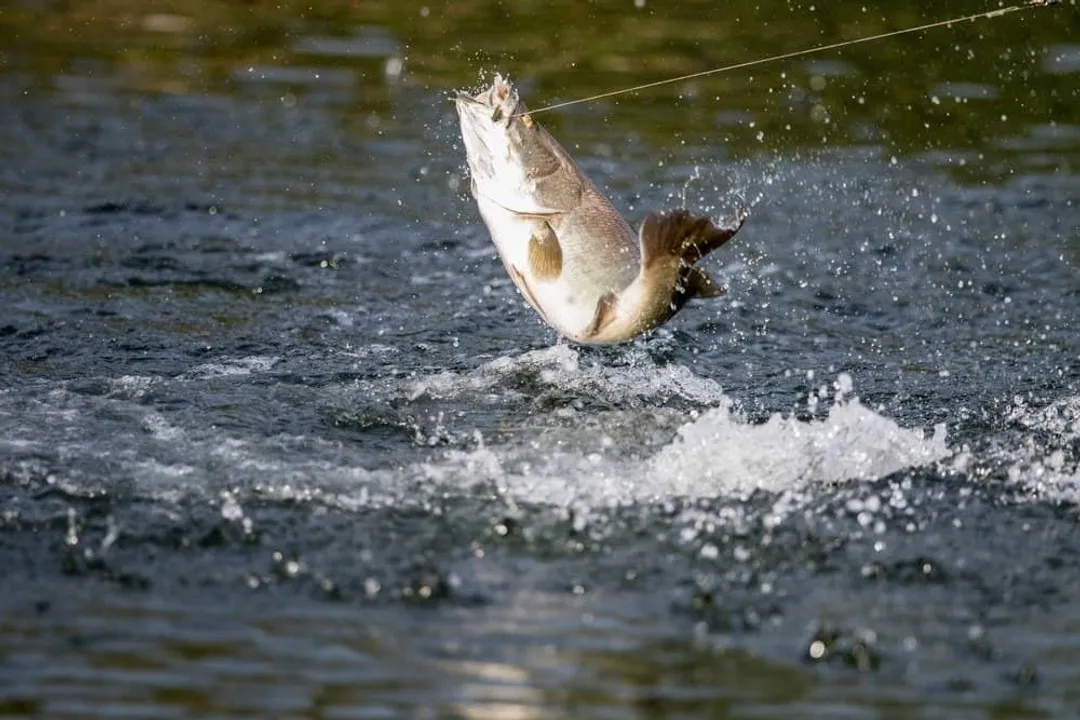
Anglers seeking the barramundi find it a powerful and challenging opponent, often earning it the nickname "Asian sea bass" in some contexts. [4] They are renowned for being aggressive fighters, frequently exhibiting spectacular, acrobatic aerial leaps when hooked. [4] As predatory carnivores, their diet consists primarily of smaller fish, crustaceans, and prawns available in their habitat. [2][9] They typically operate as solitary hunters, favoring ambush tactics. [3] This means they are often found lurking near submerged structure—such as fallen trees, rock bars, or bridge supports—waiting for unsuspecting prey to swim within striking distance for a sudden, explosive attack. [3]
#Videos
Barramundi facts: metery mamas | Animal Fact Files - YouTube
Related Questions
#Citations
Barramundi Fun Facts - The Better Fish
Barramundi - Wikipedia
| As a barra of fact… fun facts about the nation's favourite fish
Facts about Barramundi - Karumba Point Sunset Caravan Park
Barramundi Facts for Kids
Barramundi facts: metery mamas | Animal Fact Files - YouTube
Barramundi life cycle and facts - Facebook
Barramundi | Description, Habitat, Taste, & Facts - Britannica
Barramundi Fish Facts - Lates calcarifer - A-Z Animals