What are some fun facts about Vizslas?
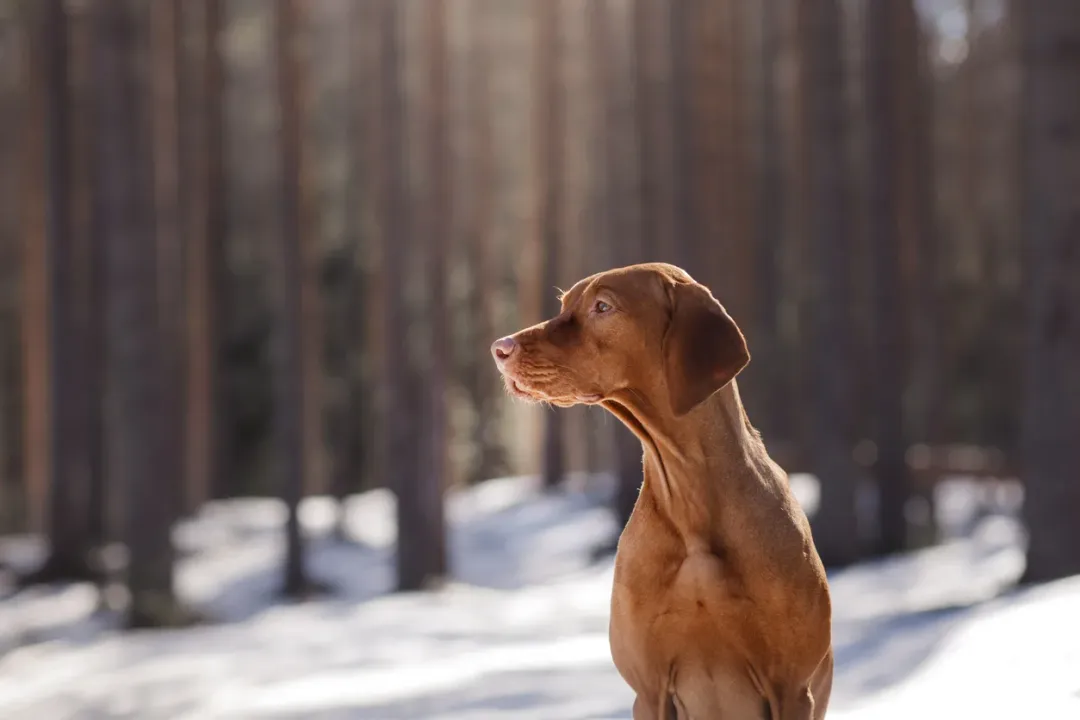
The Vizsla, often nicknamed the "velcro dog," possesses a fascinating history and a host of quirky characteristics that make it stand out among sporting breeds. Originating in Hungary, this copper-coated canine was highly prized by the nation’s aristocracy for centuries, serving as an all-purpose hunting companion capable of pointing, tracking, and retrieving game both on land and in water. [1][4][7] Unlike some breeds developed primarily for sheer size or power, the Vizsla was refined for close companionship and efficiency alongside its master, a trait that profoundly influences its behavior even today. [5]
# Hungarian Royalty
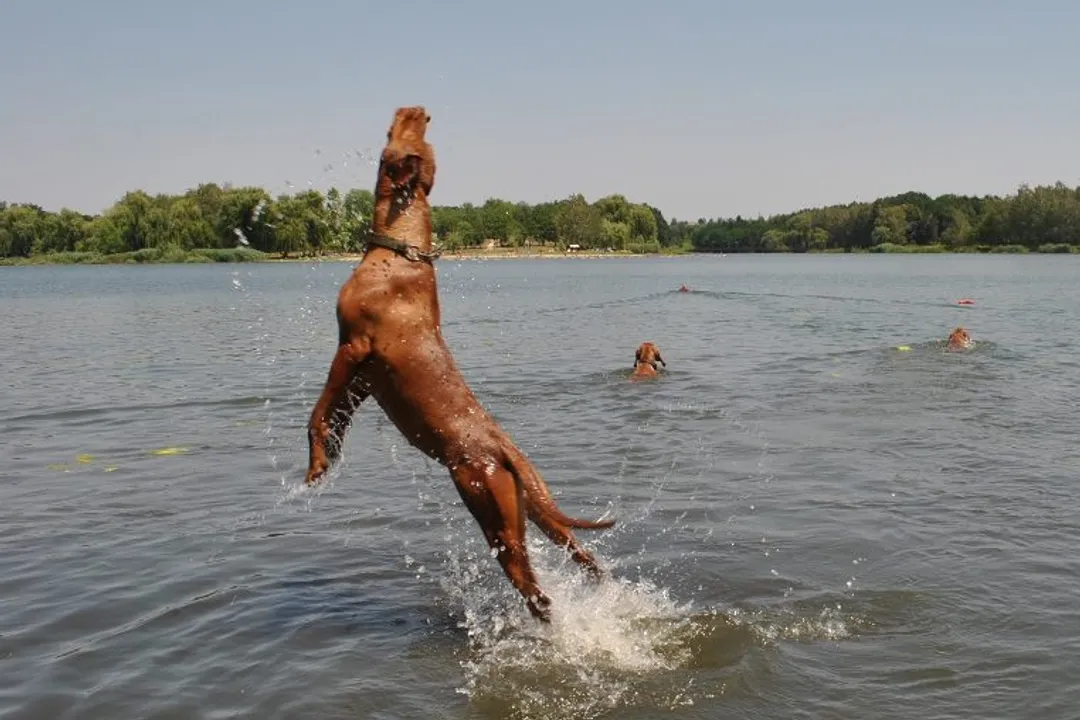
The roots of the Vizsla run deep into Hungarian history, tracing back to the Magyar tribes that settled the Carpathian Basin hundreds of years ago. [8] These dogs were specifically bred to be versatile hunters, a necessity in the varied terrain of their homeland. [7] Their nobility status is reflected in the historical reverence they received; they were favored by Hungarian lords and barons who guarded the purity of the breed closely. [4] It is sometimes noted that the breed was nearly wiped out entirely following World War I and World War II, surviving largely due to dedicated breeders who managed to preserve the bloodline through careful, sometimes clandestine, efforts. [1][8] This deep historical connection to high society and rigorous hunting standards explains their intense loyalty and inherent desire to work closely with their human counterpart. [7]
# Coat Color

Perhaps the most immediately striking feature of the Vizsla is its distinctive coat color, which is frequently described using evocative terms like golden rust, russet, or tawny. [1][4] This solid, single-colored coat is highly specific; the breed standard does not allow for other colors or markings, with only a small patch of white on the chest sometimes being permissible. [8] The coat itself is short, smooth, and dense, lying flat against the body. [1] This fine texture is incredibly tactile, often feeling almost like velvet or suede to the touch. [4] Interestingly, while this short coat makes them surprisingly low-shedding most of the year, those contemplating bringing one into a home in a colder climate should note that the lack of a dense undercoat means they feel the chill far more quickly than many shaggier breeds; careful consideration must be given to winter walks and drafts in the house. [5]

# Velcro Nature
The term "Velcro dog" isn't just a cute nickname; it's a functional description of the breed’s attachment style. [2] Vizslas thrive on physical contact and proximity to their chosen person or family. [3] They often desire to be touching you, whether leaning heavily against your leg while you stand or wedging themselves onto the sofa right next to you. [2] This intense bond stems directly from their history as close working partners, where constant communication and proximity were vital for successful hunting. [7] While this devotion is heartwarming for many owners, it can manifest as separation anxiety if the dog is left alone too frequently or for extended periods. [5] Understanding this need for connection is crucial; they are not dogs that do well being confined to a crate in a back room for eight hours a day. [3]
# Hunting Legacy
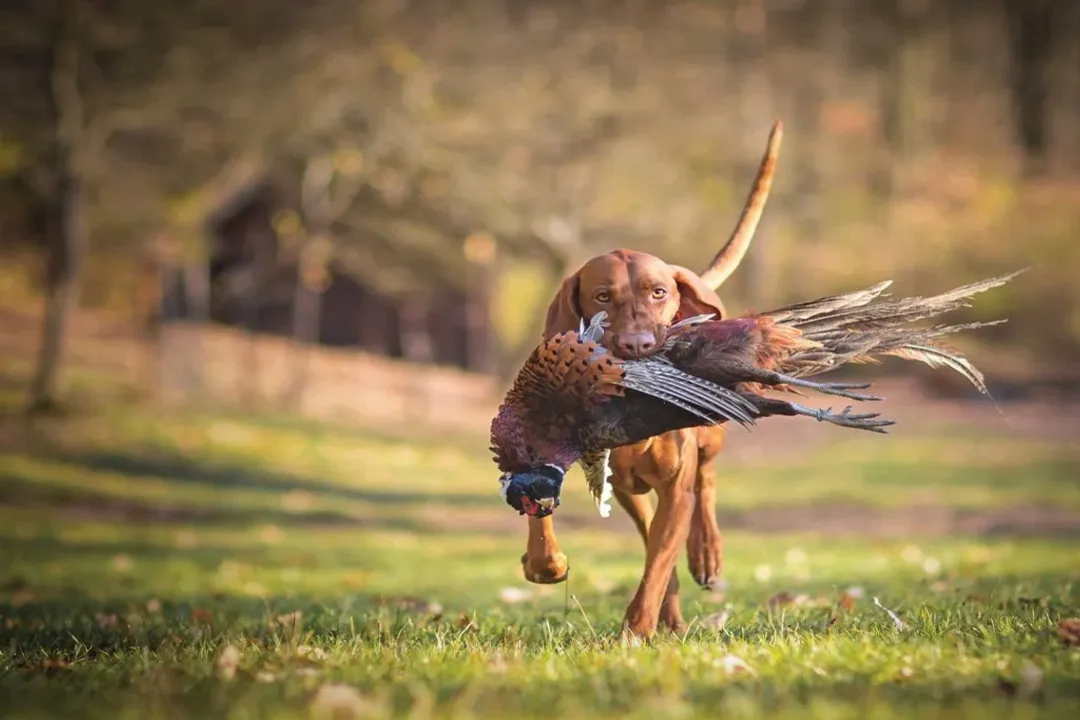
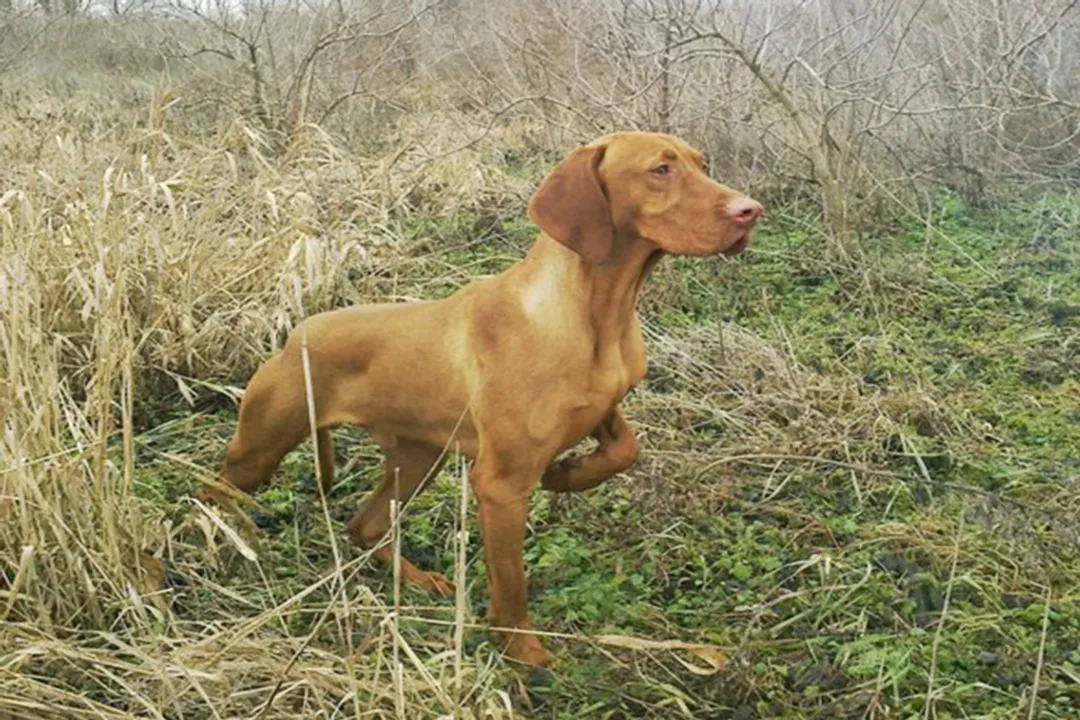
As a pointing breed, the Vizsla is engineered for fieldwork. Their ancestral role required them to be tireless athletes capable of covering vast amounts of ground. [7] They excel at pointing, which means they freeze rigidly when they catch the scent of game, indicating its location to the hunter without flushing it prematurely. [1][8] This instinct is powerful and often appears in play, where a Vizsla might suddenly freeze mid-run if they scent a squirrel or bird in the distance. [7] Compared to some other bird dogs, the Vizsla was also expected to be an adept retriever, meaning they needed the softness in their mouth to bring back game undamaged, traits still highly valued in field trials today. [7]

# Physical Traits
A few specific physical traits distinguish the breed besides its color. Vizslas are medium-sized, lean, and muscular, built for endurance rather than bulk. [8] One frequently discussed topic among owners involves their ears; they have long, silky, pendulous ears that hang close to the cheeks. [4] Historically, in their working days, some of these dogs had their tails docked shortly after birth to prevent injury while running through dense brush or retrieving in rough terrain. [1][6] However, tail docking practices vary widely now, and many Vizslas in various parts of the world are now seen with their natural, longer tails intact. [6] Furthermore, they are generally considered relatively clean dogs regarding typical dog odors, though grooming needs are focused more on ear health due to the drop of their ears. [5]
# Unique Senses
There are several commonly cited anecdotal facts regarding the Vizsla's sensory capabilities that speak to their specialized breeding. One persistent claim is that Vizslas possess superior night vision compared to many other breeds. [3][5] While perhaps difficult to quantify scientifically in a casual setting, owners often report that their dogs navigate dark rooms or twilight environments with remarkable ease, suggesting highly adapted low-light perception. [5] Another related point often made is that they are quite sensitive to temperature changes, which ties back to their single, thin coat. [1] They might seek out sunbeams or pile onto furniture, which isn't just about being affectionate but about thermoregulation—a necessary adaptation for a dog bred for temperate European hunting seasons rather than extreme climates. [1]
# Training Nuances
Vizslas are undeniably intelligent and respond well to positive reinforcement because of their strong desire to please their owners. [5][8] However, this intelligence combined with their sensitivity means that harsh training methods are counterproductive. [8] They are known to wilt under severe reprimand, which can damage the crucial bond they need to function happily. [8] A fun fact many new owners realize quickly is just how quickly they learn; if you don't want them to learn a bad habit, you have to be consistent from day one, because they pick up routines incredibly fast. [5] For instance, if a dog learns that sitting by the door sometimes gets them let out quicker, they will relentlessly practice that behavior until it works every time, showcasing their acute observation skills. [3]
# Mouth Manners
A wonderful characteristic passed down from their retrieving lineage is their typically "soft mouth". [7] A soft-mouthed dog can carry delicate objects, such as freshly killed game birds, without damaging them. When properly trained, this translates into a dog that rarely breaks household items while carrying toys or even interacting with household objects. This soft interaction style contrasts sharply with breeds bred for guarding or guarding livestock, which often rely on crushing grip strength. [7]
#Videos
ALL ABOUT VIZSLA: HUNGARIAN SPORTING DOG - YouTube
Related Questions
#Citations
7 Things You Didn't Know About The Vizsla - American Kennel Club
11 Lesser-Known, PAWsome Facts About Vizslas
12 Things You Might Not Know About Vizslas - Reddit
10 facts you didn't know about Vizsla dogs – EuroPuppy
ALL ABOUT VIZSLA: HUNGARIAN SPORTING DOG - YouTube
15 Amazing Facts About Vizsla Dogs You Might Not Know
Vizsla: Dog Breed Information, Form, Function, History, and More
Vizsla - Wikipedia
Hungarian Vizsla - PDSA