What are some fun facts about Saint Bernards?
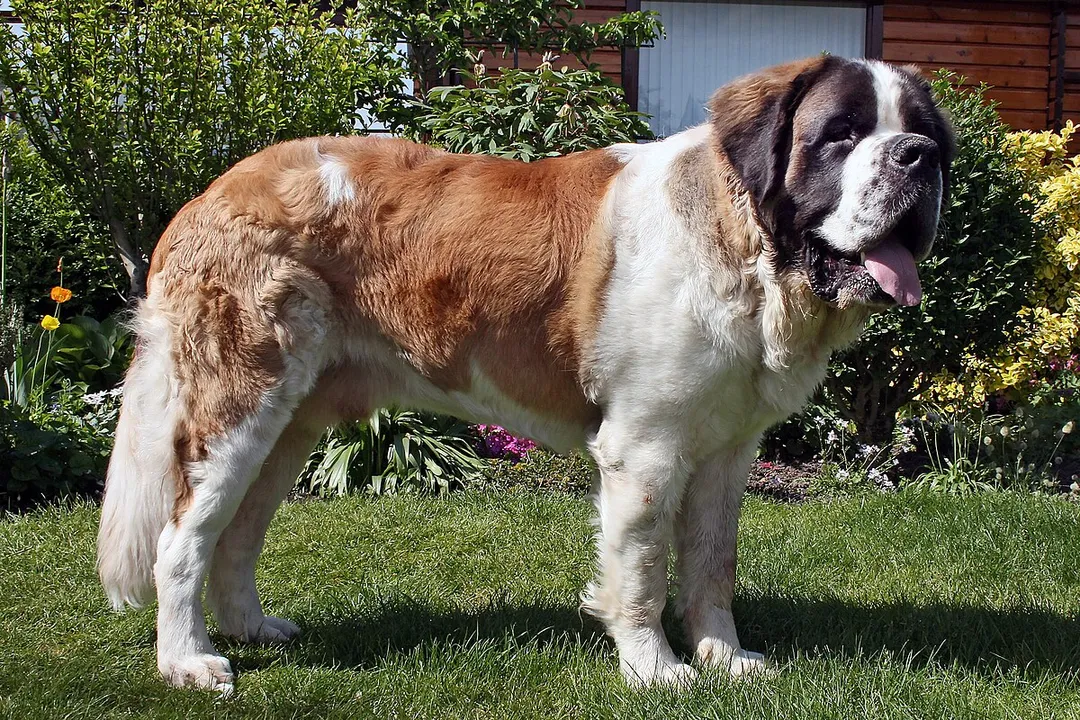
The Saint Bernard, a breed synonymous with alpine heroism and imposing stature, carries a history richer and more complex than the legends often suggest. These gentle giants are not just big dogs; they are living pieces of Swiss history, originally bred for a very specific, life-saving purpose high in the treacherous Great St. Bernard Pass. [4][7] Tracing their roots back to the early 18th century, these dogs were developed by the monks at the Hospice du Grand St. Bernard, a refuge for travelers crossing the treacherous snowy routes connecting Switzerland and Italy. [4][7] The monks needed a reliable companion capable of navigating deep snow, finding buried travelers, and possessing the strength to move significant weight. [4]
# Alpine Origins
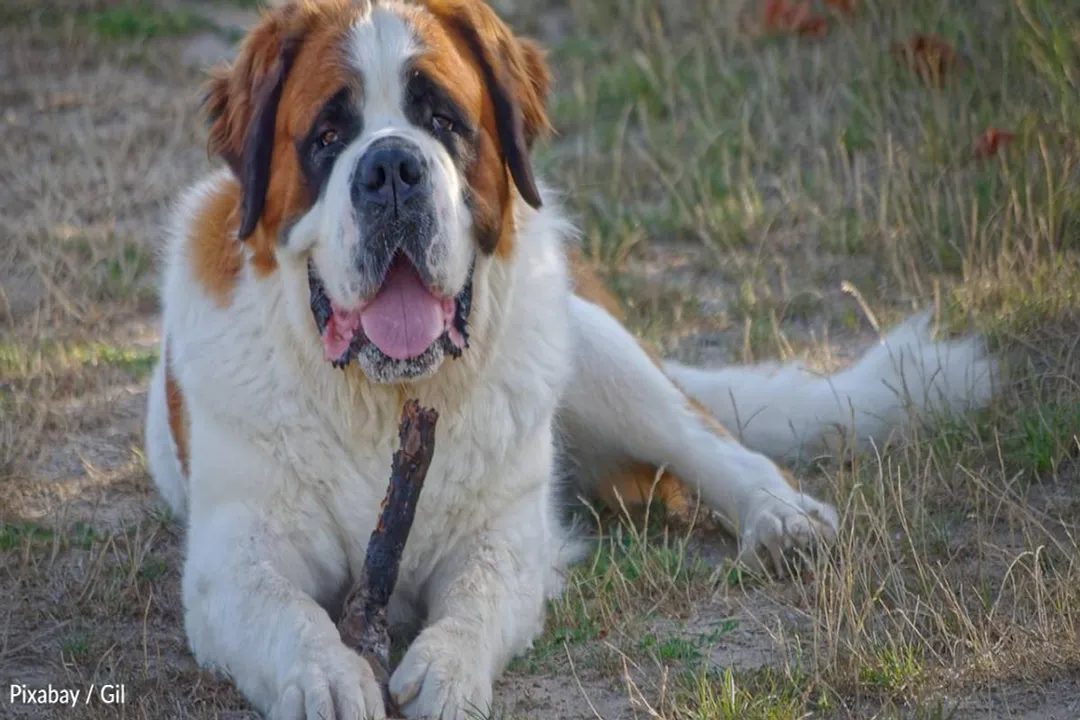
The lineage of the modern Saint Bernard involves cross-breeding the local valley dogs with other large breeds brought by the Romans centuries earlier, though records detailing the exact early pairings are sparse. [4] What is certain is that by the mid-17th century, the monks were actively using these powerful dogs for search and rescue missions. [4][7] The Hospice records indicate that the first documented use of these dogs in rescues occurred around this time. [4] They were prized for their keen sense of smell, which allowed them to locate individuals buried under heavy snowdrifts. [5][9]
It is important to note that while they are associated with Switzerland, the breed's development and standardization took place primarily in Switzerland and Italy. [4] The early dogs used for rescue may have been taller and leaner than the contemporary show standard. [4] Over time, as the need for their specialized rescue work diminished due to changing travel routes and less severe conditions, the dogs were occasionally crossed with other breeds, such as the Newfoundland, which likely contributed to their massive size and heavy bone structure seen today. [4]
# The Myth of Brandy
Perhaps the most persistent and charming piece of Saint Bernard lore involves the small cask or barrel often depicted hanging from the dog’s neck. [1][5] This image, popularized in paintings and popular culture, suggests the dog carried a flask of brandy to revive frozen victims. [1][5] While it makes for a wonderful story, the reality is that the monks generally did not equip their rescue dogs with these barrels. [5][9] The practice seems to have been largely a creation of art, notably a famous 1820 painting by Edwin Landseer titled Alpine Mastiffs Reanimating a Traveller, which cemented the visual in the public imagination. [5]
In truth, the monks recognized the dogs' incredible ability to locate victims, often through scent alone, long before reaching them. [5] While a dog might carry a small supply for its own needs or for the monks, the primary role of the dog was guidance and warmth, not administering liquor. [5][9] The dogs would lie on top of a victim to provide vital body heat while waiting for human rescuers to arrive. [5][9]

# Barry The Legend
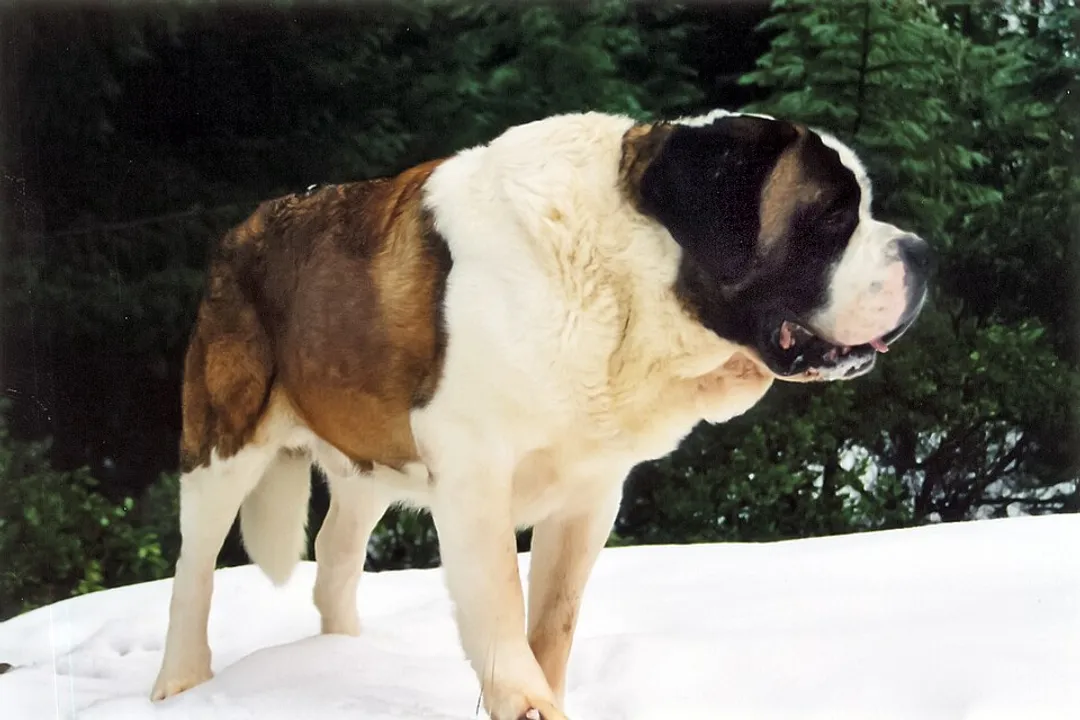
No discussion of Saint Bernards is complete without mentioning Barry, arguably the most famous dog to ever wear the breed's mantle. [5][7] Barry served the monks at the Hospice for approximately twelve years, saving the lives of over 40 people in the early 1800s. [5][7] His incredible success made him legendary, and he became the archetype for the entire breed's rescue reputation. [5]
Barry's fame eventually led to him being retired from rescue work and sent to Bern, Switzerland, where he lived out his final years. [5][7] Before his death, he was given to a taxidermist, and today, his preserved form can be viewed at the Natural History Museum in Bern. [5][7] The sheer number of dogs named "Barry" today, particularly in Switzerland, serves as a tribute to this remarkable ancestor. [7] Interestingly, early Saint Bernards were sometimes referred to generally as "Barry Dogs" before the official breed name was adopted. [4]
# Immense Proportions
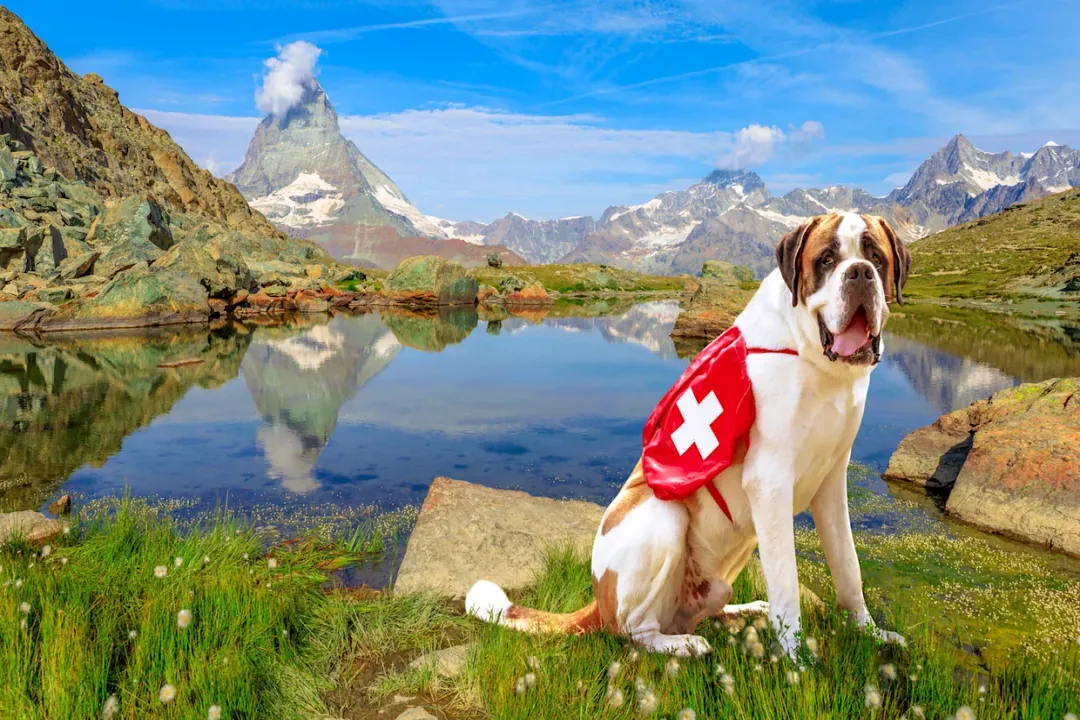
Saint Bernards are truly giant dogs, placing them among the largest breeds in the world. [3] Their sheer mass is an essential part of their historical success, providing the strength needed to traverse deep snow and the bulk necessary to generate significant body heat for stranded travelers. [4]
Here is a look at the typical physical specifications recognized by the American Kennel Club (AKC):
| Measurement | Male Range | Female Range |
|---|---|---|
| Height (at shoulder) | 28 inches and up | 26 inches and up |
| Weight | 140 to 180 pounds | 120 to 150 pounds |
| Lifespan | 8 to 10 years | 8 to 10 years |
| [3][7] |
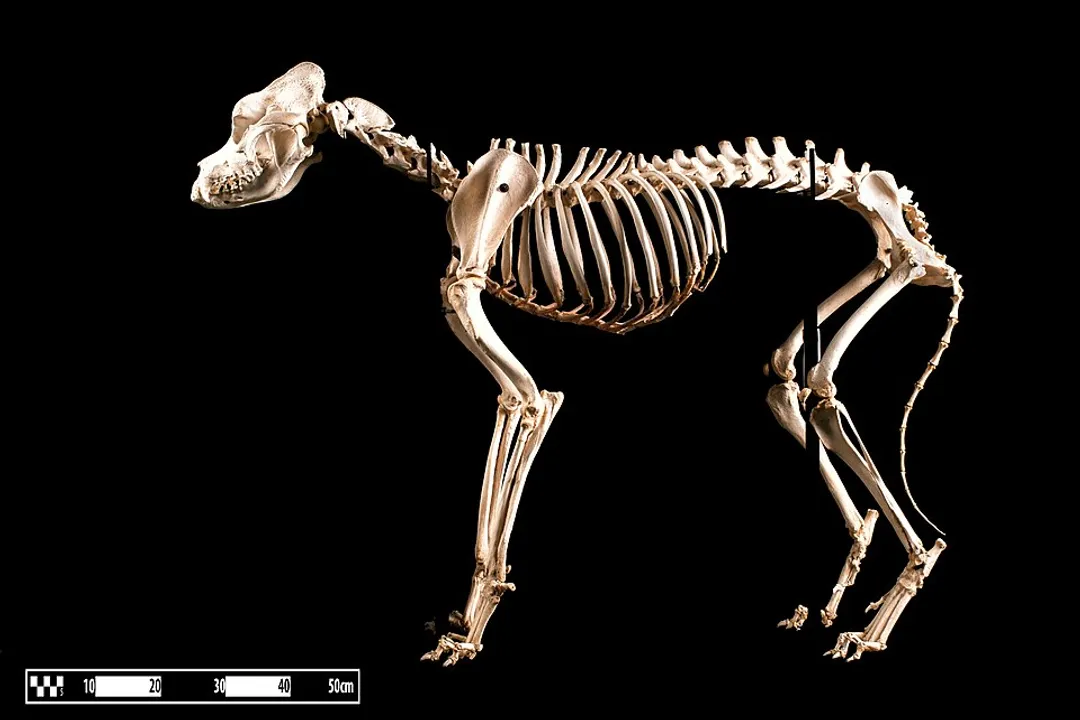
While the weight and height standards are impressive, it is worth noting that many modern show dogs can exceed these upper limits. [4] Some documented historical examples have weighed in at nearly 180 pounds or more. [4] It is fascinating to compare the size of the early, leaner rescue dogs, bred for endurance and agility in harsh conditions, against the heavier, bulkier conformation standards emphasized in modern breeding for the show ring. [4]

# Coat Variation
The Saint Bernard appears in two distinct coat varieties, both recognized by major kennel clubs. [3][4] The short-haired (or smooth-coated) Saint Bernard has a dense, smooth coat that lies close to the body. [3][4] Conversely, the long-haired (or rough-coated) variety features a medium-long, dense coat that can be straight or slightly wavy. [3][4] Both coats serve the purpose of insulation against extreme cold, though the long coat tends to collect more debris and snow. [4] Regardless of length, their coat is quite dense, which contributes to significant shedding, particularly when they "blow their coat" seasonally. [9]
# Gentle Nature
Despite their formidable size, Saint Bernards are famously known as gentle giants. [2][9] They possess a patient, calm, and good-natured temperament, which made them excellent companions for the monks and, subsequently, wonderful family pets. [2][3] They are generally very good with children, often displaying a protective instinct without being overly aggressive. [9] Their personality is often described as placid and docile. [3] However, their immense size dictates that even playful actions can be overwhelming for small children, so supervision is always key. [10] A well-socialized Saint Bernard is typically friendly toward strangers once introduced, though their sheer presence is often a deterrent to ill intent. [3]
# Care Considerations
Owning a dog of this magnitude comes with specific care requirements, often overlooked by those simply charmed by their appearance. One major characteristic is the slobber factor. Saint Bernards have loose jowls, which means they are notorious for drooling. [1] Prospective owners should prepare for the fact that moisture management—wiping down faces, dealing with wet floors—is a daily reality. [1][9]
Another consideration is their relatively short lifespan, which averages between 8 and 10 years. [3][7] This short time frame, given their size, means prospective owners must be prepared for the possibility of needing to manage common large-breed health issues sooner rather than later. [7] Furthermore, their moderate exercise needs mean they are not typically suited for long-distance running partners; a few good daily walks are usually sufficient, as too much strenuous activity can stress their large joints, especially when young. [3] For those sharing a home, understanding the scope of their shedding is vital; a long-haired Saint Bernard requires consistent grooming to prevent matting, and even the short-haired variety sheds heavily twice a year. [9] Keeping a high-quality grooming brush and a powerful vacuum cleaner on hand moves from being a suggestion to an absolute necessity for a clean home environment. [9]
# Size and Strength
The breed's strength was central to its original function. They were capable of pulling significant weight across snow, an ability that stems from their powerful build. [4] While a precise calculation of their historical pulling capacity isn't standardized, their broad chests and heavy bone structure suggest they could easily haul hundreds of pounds over short distances, which was crucial for dragging incapacitated travelers to safety. [4]
This inherent strength, combined with their size, means training must start early and be consistent. They are intelligent dogs, but their sheer physical power means that an untrained adult Saint Bernard can be difficult, if not impossible, to manage on a leash. [10] Early socialization and obedience training are not optional; they are foundational requirements for responsible ownership of this giant breed. [3]
# Naming and Status
The breed was named after the monastery where they were developed, but their official recognition came later. [4] The American Kennel Club officially recognized the Saint Bernard in 1885. [3] While they were originally known by various local names or simply as "Alpenmastiff" or "Saint Dog," the name "Saint Bernard" prevailed. [4] They are consistently ranked in the top tier of popularity among giant breeds globally, though their overall ranking in the US often fluctuates. [3] Despite their ancient heritage, they are not as common as some other breeds, which can sometimes make finding experienced veterinary care more specialized than for smaller breeds. [10]
The breed’s enduring appeal lies in this potent mix: the historical drama of their rescue work combined with the undeniable, comforting presence of a massive, sweet-natured dog in the modern home. [2][9] They carry the legacy of heroism in every paw step, even if today their biggest challenge is convincing you to share your spot on the sofa. [5]
#Videos
Saint Bernard - Top 10 Facts
Related Questions
#Citations
8 Interesting Facts About The St. Bernard Dog Breed
Fun Facts About the Saint Bernard | Firth Vet Hospital
Saint Bernard Dog Breed Information
St. Bernard (dog breed)
10 Facts About Saint Bernards
Interesting facts about St. Bernards not widely known
6 amazing facts about Saint Bernard dogs
Saint Bernard - Top 10 Facts
10 Fun Facts About the Saint Bernard
St. Bernard: important things to know - pros and cons?