What are some fun facts about quahog clams?
# Common Names
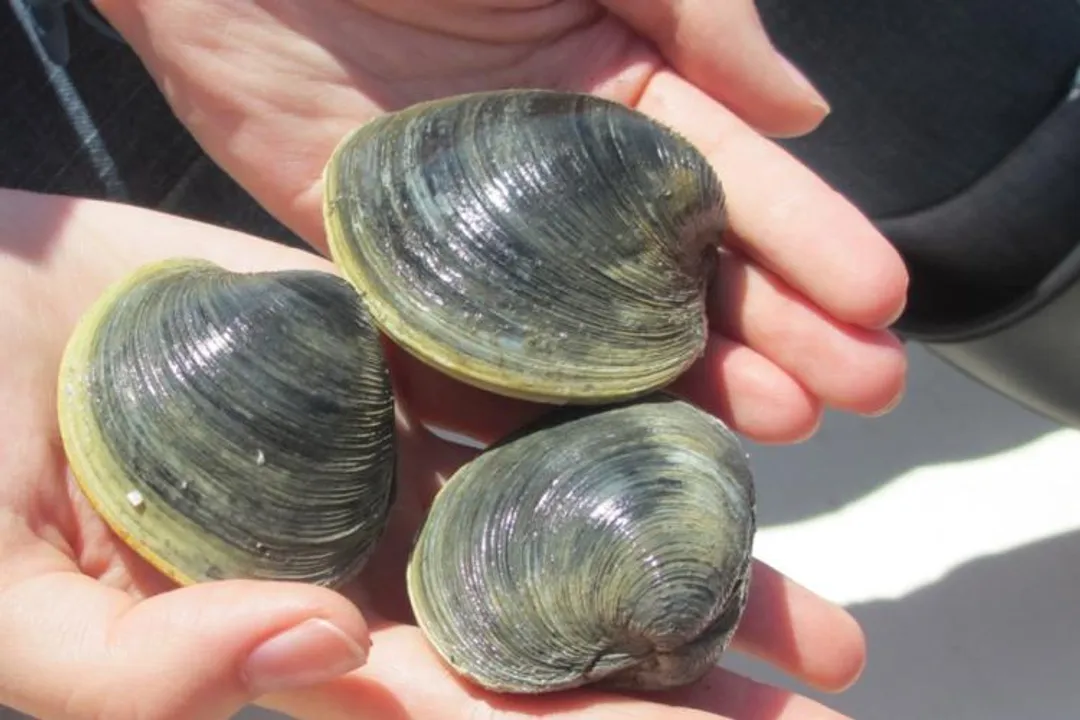
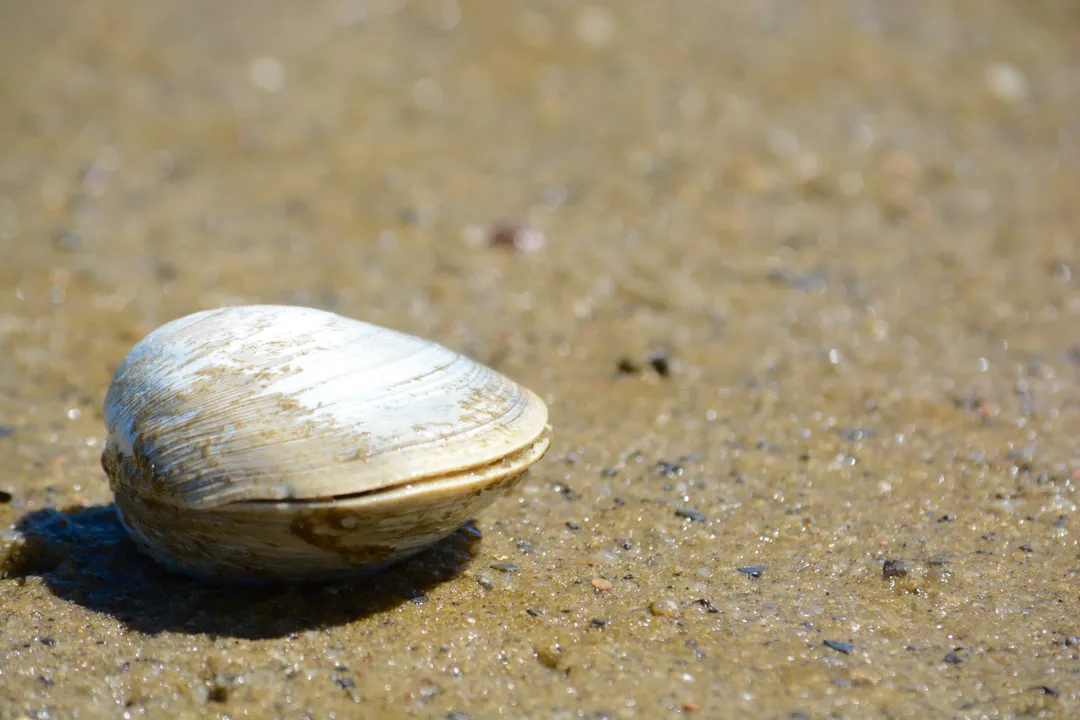
The world of clams can be confusing, particularly when the word "quahog" is involved, as it applies to more than one species. The clam that is central to so much of the culinary tradition along the North American Eastern Seaboard, Mercenaria mercenaria, is formally known by several common aliases: the hard clam, hard-shell clam, round clam, or, perhaps most endearingly for chowder lovers, the chowder clam. This species' scientific designation, Mercenaria mercenaria, is connected to the Latin word for commerce, perhaps hinting at its long history of trade and utility.
However, the term "quahog" often causes a near-identity crisis because it is also used to refer to a completely different clam: the ocean quahog, Arctica islandica. While both are bivalves, they belong to different families—the hard clam is a Venus clam (Veneridae), whereas the ocean quahog belongs to the Arcticidae family. Visually, the ocean quahog is often described as rounder, usually sporting a dark or black outer layer called a periostracum, and crucially, it lacks the specific internal feature known as a pallial sinus that M. mercenaria possesses. The most striking difference, which immediately separates these two "quahogs," is their potential longevity; while M. mercenaria enjoys a respectable life, A. islandica can live for centuries.
# Range Habitat
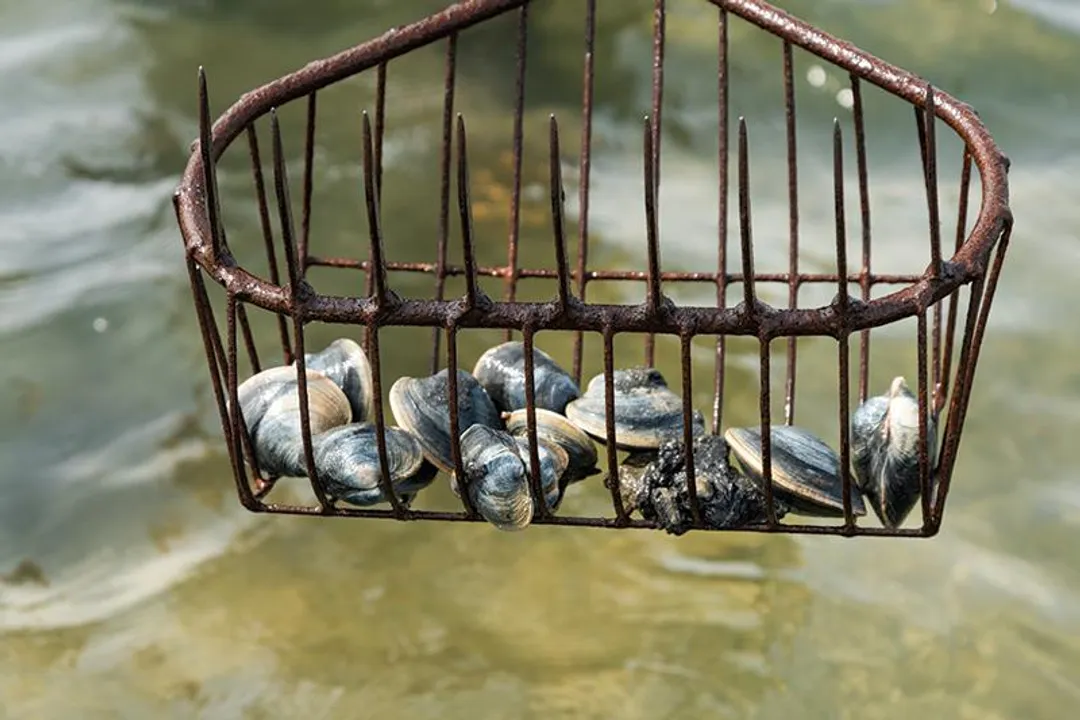
The native turf of Mercenaria mercenaria is decidedly on the eastern shores of the Americas. Its range stretches significantly, spanning from the colder waters off Prince Edward Island in Canada down the entire Eastern Seaboard of the United States, reaching as far south as the Yucatán Peninsula in Mexico. Within this vast territory, they seem to particularly favor the productive waters between New Jersey and Cape Cod. These clams are fundamentally marine animals, requiring a certain level of salinity to thrive, making them unsuitable for purely freshwater environments.
They are typically found partially submerged, settling into the sand or sediment in relatively shallow locations. While they inhabit both intertidal zones—areas exposed during low tide—and subtidal zones, they generally do not venture into extreme depths, often preferring waters around 50 feet or less, though they can be found down to about 15 meters (or 118 feet). Beyond their native range, dedicated aquaculture efforts have successfully introduced and established populations in places like the Pacific coast of North America, as well as in Great Britain and continental Europe. A fascinating, albeit non-native, population even exists in Southampton Water in Hampshire, England, originally grown for eel bait, which has since become self-sustaining.
# Slow Movement
Despite their appearance as simple, stationary filter-feeders, quahog clams possess a remarkable adaptation for mobility, albeit an extremely slow one. Like many bivalves, they have a muscular structure often referred to as a "foot," which they can extend out between their hinged shells. This foot allows the clam to "walk" across the sandy ocean floor or, more commonly, to bury itself deeper into the sediment for protection against predators or the pounding force of waves.
The pace of this movement is glacial. A hard clam can move a distance of only about one to two inches over a period spanning fifteen minutes. This slow trek is most often observed during their spawning season when the clam needs to actively seek out mates, rather than for daily foraging. This reliance on burrowing and slow repositioning highlights how effectively their hard shell serves as their primary defense mechanism against the numerous threats lurking in the environment.
# Shell Appearance
The protective armor of the hard clam is one of its most notable features, though the exterior may look rather unassuming. The shells are thick, robust, and typically present a grey or white coloration, often adorned with visible concentric growth rings. These rings, much like the rings on a tree trunk, are formed as the clam grows, laying down new layers of shell material. Intriguingly, the inner surface of the shell offers a flash of color, featuring white contrasted with striking violet markings.
While the basic appearance is consistent, some clams display natural variation, and specially bred clams from hatcheries can exhibit a distinct pattern known as notata. This pattern manifests as dark, zigzag stripes across the exterior surface, adding a unique visual element to these otherwise drab-looking bivalves. The shell itself is primarily composed of calcium carbonate, the same material that forms eggshells and rocks. A strong muscle controls the hinged shells, allowing the clam to snap them shut with surprising speed when sensing danger.
# Life Cycle Sex
The reproductive life of the hard clam involves an interesting twist: they are protandrous hermaphrodites. This biological term means that an individual clam begins its life as a male but has the capacity to transition into a female, typically within the first year of life, depending on its size.
Reproduction occurs sexually, with spawning events taking place during the warmer seasons: spring, early summer, and again in the fall. When a male releases sperm into the water column, it often acts as a signal, prompting the mature females to release their eggs. A single female can be incredibly prolific, shedding between one and five million eggs during a single spawning event, and this spawning can occur multiple times throughout the year.
Following successful fertilization, the embryonic development moves quickly. Within roughly 12 to 14 hours, the eggs hatch into microscopic, free-swimming larvae called trochophores, which move using tiny, hair-like growths called cilia. After about a day, they transition to the veliger stage, where they develop the key features necessary for benthic life: rudimentary wing-like lobes for swimming, a shell, and that crucial muscular foot. This veliger stage lasts for about six to ten days before the clam becomes a juvenile, loses its swimming lobes, and settles onto the ocean floor to begin its life buried in the sediment.
# Culinary Sizing
One of the most familiar facts about the hard clam is how its name changes based on its size, reflecting its journey from market-ready delicacy to the toughest stew ingredient. This sizing convention is crucial in fish markets and dictates how the clam is typically prepared and sold.
The smallest, legally harvestable clams are designated as countnecks or peanuts. Moving up in size, you encounter littlenecks, which are small enough to be served raw on the half-shell, often at raw bars alongside cocktail sauce and lemon. The next size bracket is known as topnecks. These three smaller sizes—countnecks, littlenecks, and topnecks—are generally more tender and are frequently steamed or incorporated into sauces and soups.
Once the clam surpasses the topneck stage, it enters the larger categories where the meat becomes tougher. These larger specimens are known as cherrystones, which are commonly used in dishes like clams casino or stuffed clams. The largest of all are simply referred to as quahogs or chowder clams. It is these large, mature, and firm-fleshed individuals that are best suited for being minced into heartier preparations like clam cakes or, famously, simmered down in traditional New England clam chowder.
It is fascinating to consider the market's rapid classification system against the clam's potential lifespan. While a littleneck might only be a couple of years old and highly prized for its tenderness, a cherrystone or chowder clam could represent a specimen that has survived many spawning seasons. A cherrystone clam, with its tough meat, might be biologically capable of living several more years, developing into an even larger chowder clam if left untouched by the dredge or rake. This disparity shows how human culinary preference, favoring tenderness over age for certain dishes, dictates the commercial turnover of the species, effectively capping their potential lifespan long before they reach their natural biological limit.

# Historical Value
Long before the English settlers arrived, Native American tribes along the Atlantic coast deeply valued the hard clam, both as a sustenance source and as a material for ornamentation and trade. The Narragansett Tribe, who inhabited what is now Rhode Island, held the hard clam in high regard for both eating and creating ornaments. Their word for the clam, “Popquauhock,” is the likely linguistic ancestor of the modern term "Quahog".
These coastal peoples created valuable beads, called wampum, from the shells, especially those possessing the highly prized purple coloration on the inner shell layer. The significance of this trade item is reflected in the species name mercenaria, derived from the Latin for commerce. Native Americans had sophisticated methods for preparation; for instance, some Algonquin people created an early form of clam chowder using clams, corn, and beans, sometimes adding smoked fish or meat. They also perfected the clambake, layering clams over hot stones and covering them with wet seaweed before building a fire on top. Lenape Tribes, who summered in Southern Ocean County, processed huge quantities for winter storage by smoking, drying, or even grinding them into a powder for winter dishes. The sheer volume of their harvesting left behind massive mounds of discarded shells that early English settlers could see towering over the marshlands.
This historical perspective offers a stark contrast to the initial colonial view. When the Pilgrims settled, they considered clams to be “the meanest of God’s blessings” and often relegated them to feeding their hogs. Clams were only considered edible when no other food sources were available—a true colonial attitude fading only as Americans became more independent of European ties and began embracing Native American culinary practices, leading to the creation of uniquely American traditions like the modern clam chowder.
# Parasites Threats
While the quahog’s hard shell offers excellent defense against many predators, including fish, crabs, lobsters, and birds, it remains vulnerable to microscopic invaders and environmental hazards. One of the most significant biological threats is Quahog Parasite Unknown (QPX). This protistan parasite, which is unicellular and related to stramenopiles, was first discovered along the Cape Cod coast in 1995. QPX inflicts financial damage on aquaculturists because it causes high mortality rates in farmed clams. Infected individuals develop blisters or pustules on the mantle tissue, eventually leading to gaping of the shell and death.
Beyond direct parasitic attack, the clam’s primary method of feeding makes it susceptible to collecting environmental toxins. As a dedicated filter-feeder, the quahog sucks in water and strains out tiny particles, including harmful algae. When certain types of marine algae bloom, such as those responsible for red tide, they release potent toxins like saxitoxin. These toxins accumulate in the clam's tissues, making the shellfish dangerous or even fatal to humans if consumed, whether raw or cooked. Furthermore, natural aquatic bacteria, specifically Vibrio parahaemolyticus (Vp) and Vibrio vulnificus (Vv), can also cause foodborne illness if clams are consumed raw or undercooked.
This reliance on passive feeding also means that chemical changes in the water are stressful. Scientists are actively investigating the impact of ocean acidification on these estuarine organisms, as shifts in water chemistry can place stress on their ability to survive and maintain their shells.
# Aquaculture Benefits
The commercial farming of hard clams, or aquaculture, has become a cornerstone of supplying the market, especially as wild stocks have dwindled over the past century. Farming hard clams offers several significant ecological advantages over traditional terrestrial agriculture. A key benefit is that once the juvenile clams pass their larval stage, they require no supplemental feeding whatsoever. They sustain themselves entirely by filtering phytoplankton directly from the surrounding water column, essentially making their diet natural and self-supplied.
This filter-feeding mechanism provides a net environmental benefit to their habitat. By constantly processing water, these clams help remove excess nutrients from the water, thereby contributing to improved water quality in the bays and estuaries where they are grown. The farming methods themselves, which involve placing clams in mesh bags, trays, or directly onto the bottom in designated leased plots, generally result in a benign ecological footprint with little disturbance to sediments or existing aquatic vegetation during the main grow-out phase. Commercially farmed quahogs are often available year-round, providing a stable supply managed under federal and state regulations that monitor for safety, ensuring they are a smart seafood choice.
# Rapid Growth
While the ocean quahog is known for its near-stagnant metabolism and centuries-long life, the hard clam, M. mercenaria, shows a much quicker pace of development when conditions are right. The entire life cycle, from egg to a size where it can begin to mature, is relatively swift.
Females can begin producing eggs and males can begin fertilizing waters during the spring, summer, and fall months. The embryonic stages are rapid, with hatching occurring in under a day. The entire planktonic larval phase, from trochophore to settling veliger, lasts less than two weeks. Once the clam has settled on the bottom and begun growing its adult shell, sexual maturity is determined more by its physical size than by its exact age. A clam can reach the minimum required size, approximately $1.4$ inches in length, within just one to two years. Compare this to the ocean quahog, which might take around eight years just to reach maturity before beginning its centuries-long existence; the hard clam is clearly built for faster reproduction cycles suited to its more dynamic, shallower environment.
# Ninja Capabilities
Beyond their famous slow-motion "walking," quahogs possess a few surprising, instantaneous defense mechanisms when directly threatened. While their general disposition is to burrow deeply into the sand to avoid trouble—a process that can be remarkably fast, described as quickly disappearing “as fast as a rabbit hops”—they also have an immediate, reflexive defense.
When a predator, such as a crab, attempts to make contact, the clam can engage its powerful adductor muscle to snap its hinged shells shut with incredible speed, often described as happening “in the blink of an eye”. This decisive snap can prevent a predator from getting a grip or crushing the shell. Even more dramatically, some accounts suggest that when scared, these bivalves may deploy a visual deterrent: releasing a cloud of ink-like substance to create a smokescreen, allowing them a split second to dig deeper or wait out the threat, much like an aquatic ninja.
# Ancient Lineage
The quahog clam belongs to a lineage of mollusks with incredibly deep roots in Earth’s history. Bivalves, as a group, have been around since the Early Cambrian Period, an era that began over 541 million years ago. While the very earliest groups (Fordillida) are now extinct, the evolution of bivalves saw them survive catastrophic events, including the massive Permian-Triassic extinction event 251.9 million years ago, which wiped out the majority of rival species like the brachiopods.
The lineage that leads to modern hard clams survived the Cretaceous-Paleogene extinction event (about 66 million years ago) that ended the age of dinosaurs. Furthermore, the ocean quahog (A. islandica), the famous long-lived cousin, is noted as being the last surviving member of its own family, the Arcticidae, a group whose history stretches back to the Jurassic period. This heritage places Mercenaria mercenaria within a surviving group of organisms that have proven astonishingly resilient across vast geological time scales.
# Historical Demand
The high demand for hard clams has not only fueled modern aquaculture but has also driven historical conflicts. In the early 20th century, local clamming in areas like Southern New Jersey became such a vital source of income that competition for the best spots intensified to the point of outright conflict. This period saw what was termed the “West Creek and Parkertown Clam and Oyster War” in 1920.
While thankfully no lives were lost during this local feud, the intensity involved vandalism of boats, theft of livestock (chickens), and even the destruction of a potato field. The situation became so disruptive that a County Judge had to intervene, issuing a stern warning and jailing one resident while fining others, calling the events a “reign of terror”. This historical event underscores just how economically critical the supply of fresh, local clams was to coastal communities even before large-scale modern commercialization and farming took over.
# The Algae Connection
As dedicated filter feeders, quahogs are nature’s water purifiers, but this same necessary function links them directly to the health of the algal community in their environment. It is impossible to discuss the hard clam without understanding the dual role of the microscopic life they consume. On one hand, their diet of phytoplankton makes them an incredibly sustainable source of protein, as they require no external feed once established in the wild or in a nursery system. On the other hand, their filtration system means they concentrate any toxins present in the water.
This places the hard clam in a unique position as an environmental sensor. The presence of harmful algal blooms, producing toxins like saxitoxin, is immediately registered within the clam population. This means that monitoring shellfish areas for red tide is not just about protecting the clam itself, but about protecting the human food chain that relies on it. Therefore, while their lack of a need for external feed is a massive environmental plus—reducing land use and fertilizer runoff associated with feed production—their intake of water necessitates intensive, real-time monitoring systems to track harmful species like K. brevis algae. This trade-off defines their status as a safe food source: their cleanliness is entirely dependent on the cleanliness of the water flowing through their gills.
The sheer volume of water these clams process daily is staggering, considering their tiny size. If one were to consider a large, market-ready topneck clam, it is constantly working to filter enough water to meet its metabolic needs, drawing in the very plankton that supports its life while simultaneously acting as a biological sieve for anything else suspended in the current. This constant, low-energy activity is why they are so efficient at accumulating trace elements, be they beneficial nutrients or dangerous contaminants.
#Videos
Quahog facts: the clams of clam chowder | Animal Fact Files
Related Questions
#Citations
Quahog Clam Animal Facts - A-Z Animals
Northern Quahog | NOAA Fisheries
Hard clam - Wikipedia
Meet the ocean quahog, a strange creature that can live to 500 ...
Quahog facts: the clams of clam chowder | Animal Fact Files
Quahog Clam Facts & Photos | Wowzerful
An Ocean Quahog Shows Its Age Like Rings on a Tree
Quahog – A brief history of our clam