What are some facts about Triops?
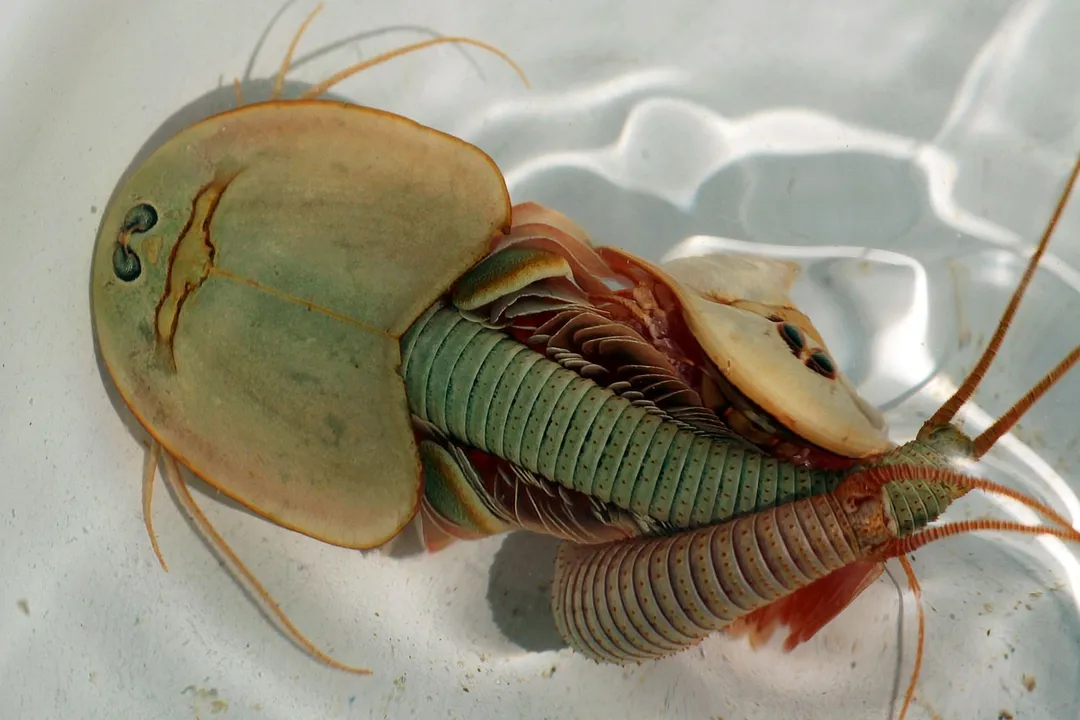
The world of crustaceans holds few creatures as captivating as the Triops, often affectionately called tadpole shrimp. These small, armored organisms are not merely modern oddities; they are living windows into deep geological time, surviving periods that saw the rise and fall of major life forms on Earth. [2] To encounter a Triops is to meet a creature whose basic form has remained virtually unchanged for hundreds of millions of years, making them true biological relics. [1][2]
# Age Confirmation
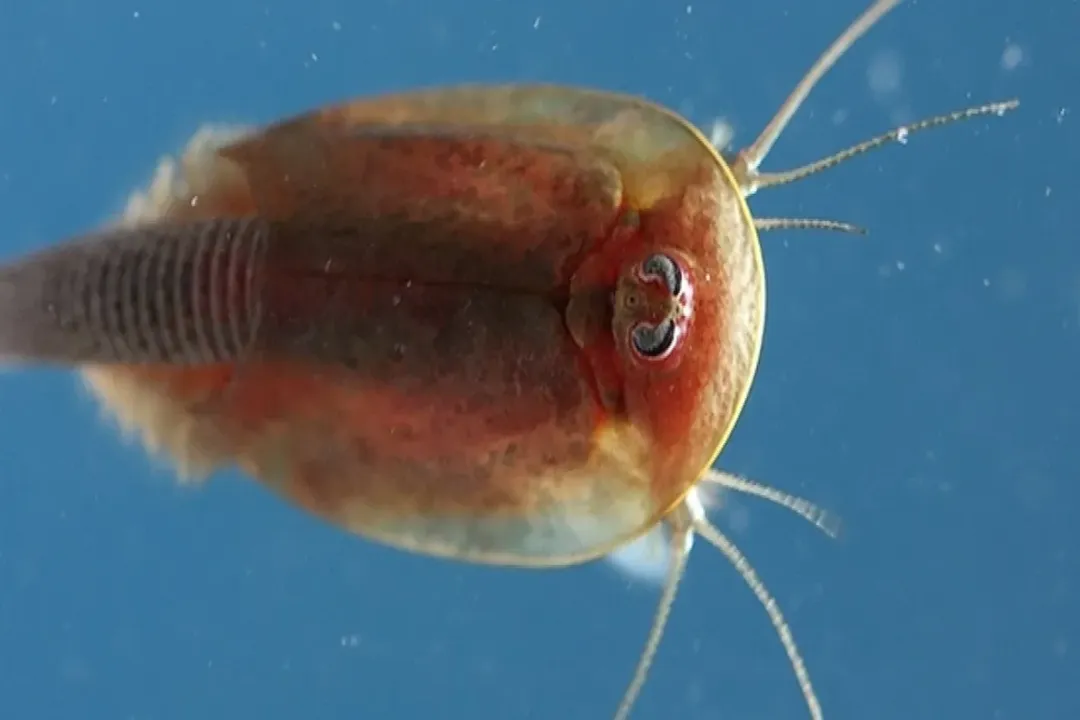
The sheer longevity of the Triops lineage is perhaps their most astounding characteristic. Scientists estimate that these crustaceans have existed for roughly 250 million years. To put that into perspective, they were swimming in the primordial waters well before the age of the dinosaurs truly began. While they might resemble tiny versions of the extinct trilobites, they are not directly related, though they share a similar ancient lineage within arthropods. They belong specifically to the order Notostraca, distinguishing them from other crustaceans like crabs or lobsters.
Their continued existence offers a fascinating biological contrast. While creatures like the tardigrade (water bear) are famous for surviving in extreme conditions, the Triops' success lies in surviving extreme temporal gaps between favorable conditions, a different, yet equally remarkable, specialization in resilience. [1] They represent an evolutionary stability that few other large animal groups have managed to maintain across such vast stretches of geological time.
# Physical Traits
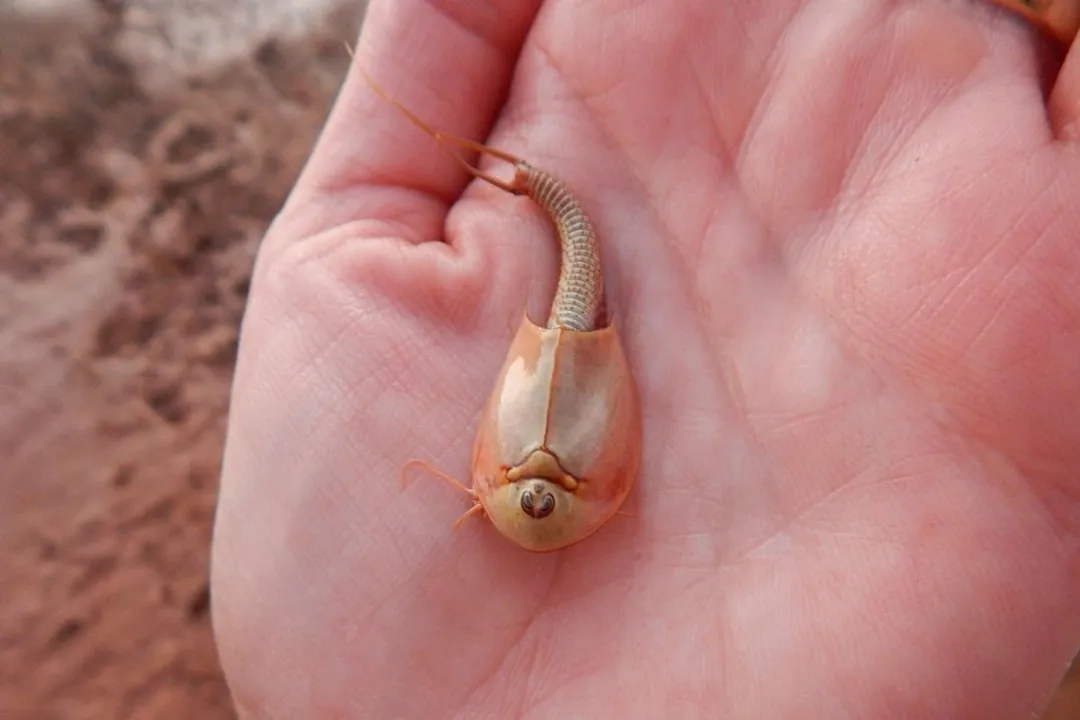
A Triops swimming through the water might remind an observer of a miniature horseshoe crab or an ancient trilobite due to its rounded, shield-like top covering. This shield is called a carapace, which protects the soft body underneath.
Their anatomy is specialized for their unique environment. Beneath the carapace, they possess numerous pairs of identical, leaf-shaped appendages. These structures are multifunctional; they are used not only for swimming but also for feeding and even for breathing, acting as gills.
The name Triops itself provides a clue to their appearance, translating roughly to "three eyes". Indeed, they possess three light-sensing organs on their heads. Two of these are the familiar compound eyes situated on stalks on either side of the head. The third, crucial for detecting light levels, is the naupliar eye situated centrally on the top of the head. This arrangement suggests a highly adapted visual system, useful for navigating the often-turbid, temporary pools they inhabit.
# Temporary Waters
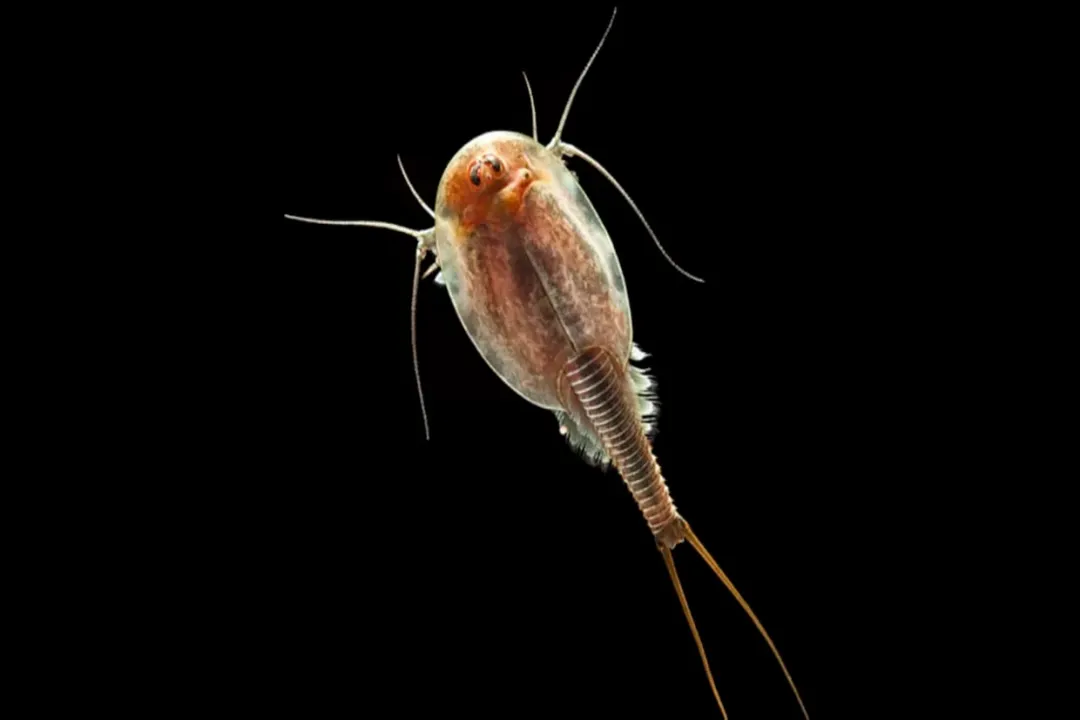
Triops do not typically inhabit permanent lakes or steady rivers. Instead, their entire life cycle is predicated on the temporary nature of their home. They thrive in ephemeral freshwater environments—think rainwater puddles, seasonal ditches, or small, temporary pools that fill after heavy rains. This habitat choice is risky, but it is the key to their survival strategy.
When these pools dry up, the adult Triops perish quickly. However, their survival is guaranteed by their eggs, which are deposited in the drying mud. This synchronized life cycle ensures they only mature when conditions are right for a new generation to complete its development before the water vanishes again.
If you are looking to observe them, understanding the environmental cue for hatching is critical. Hatching requires the presence of water, but it is also temperature-sensitive; a specific temperature range must be met for the cysts to break dormancy.
# Egg Resilience
The true secret to the Triops' 250-million-year success story isn't the adult form but the microscopic cyst—the egg stage. These cysts are incredibly durable structures, designed to withstand conditions that would instantly kill nearly any other aquatic organism.
These drought-resistant eggs can survive complete desiccation (drying out) for potentially decades, waiting patiently for the next rain event. The protective shell of the cyst is so tough that the eggs have been known to survive passing intact through the digestive tracts of birds or other animals that drank from the temporary pond. Furthermore, they can endure extreme temperatures, including freezing. This capacity to remain viable across extreme physical and temporal barriers is what allows the species to persist even when suitable breeding grounds are separated by years of drought.
Hatching occurs when the cysts are submerged and environmental conditions, particularly temperature, are suitable. When those conditions align, a veritable explosion of tiny Triops appears in the puddle.
# Reproduction Methods
Triops exhibit a flexible reproductive strategy, which adds another layer to their hardiness. They are capable of reproducing both sexually and asexually.
When conditions are ideal—plenty of food and space—they may reproduce sexually, producing a mix of male and female offspring. However, under less favorable or more urgent conditions, they can reproduce through parthenogenesis, or asexual reproduction. In parthenogenesis, females can produce viable offspring without fertilization from a male. This ability to switch reproductive modes means that even if only a single female hatches from a solitary cyst, she can immediately establish a new population that will produce drought-resistant eggs for the next season.
# Care Context
For those who bring Triops life cycles into a home setting, often through commercial kits, managing their incredibly fast life is key. Their brief time as an adult—sometimes only a few weeks—means growth is extremely rapid. They mature quickly because they must reproduce before their temporary pond evaporates.
Since they are omnivorous scavengers, their diet in the wild consists of detritus, small worms, algae, and any other organic matter washed into their pools. For hobbyists, this translates into a need for varied feeding. A common mistake is underfeeding, especially as the first few molts demand significant protein for rapid growth. Providing a mix of crushed fish flakes, spirulina powder, and perhaps some boiled oats helps mimic the nutrient-rich "blowout" scenario that follows a heavy rain, ensuring the developing shrimp get the necessary building blocks for their shell growth. [1] Observing the rate at which they consume food versus how quickly they shed their exoskeleton provides a real-time indicator of their metabolic health—if feeding slows, environmental stress (like poor water quality or temperature fluctuation) is often the cause. [2]
These amazing little crustaceans, which manage to connect the present day with the Permian period through their eggs, demand attention not just for their ancient history but for the specialized, high-speed lives they lead when given the chance to hatch.
#Videos
Tadpole Shrimp facts: aka triops facts (and more!) | Animal Fact Files
Triops, The Best Pet Crustacean (That Comes In A Kool-Aid Packet)?
Related Questions
#Citations
10 Trippy Facts About Triops - Mental Floss
Triops: Facts about the three-eyed 'dinosaur shrimp' | Live Science
Triops eggs - Tadpole Shrimps, Longicaudatus, Cancriformis ...
Triops: Ancient Wonders | Tropical Fish Hobbyist Magazine
Ten Facts You May Not Know About Tadpole Shrimp | Bug Squad
Tadpole Shrimp facts: aka triops facts (and more!) | Animal Fact Files
Triops longicaudatus (summer tadpole shrimp) - Animal Diversity Web
What are Triops?