What are some facts about Patagotitans?
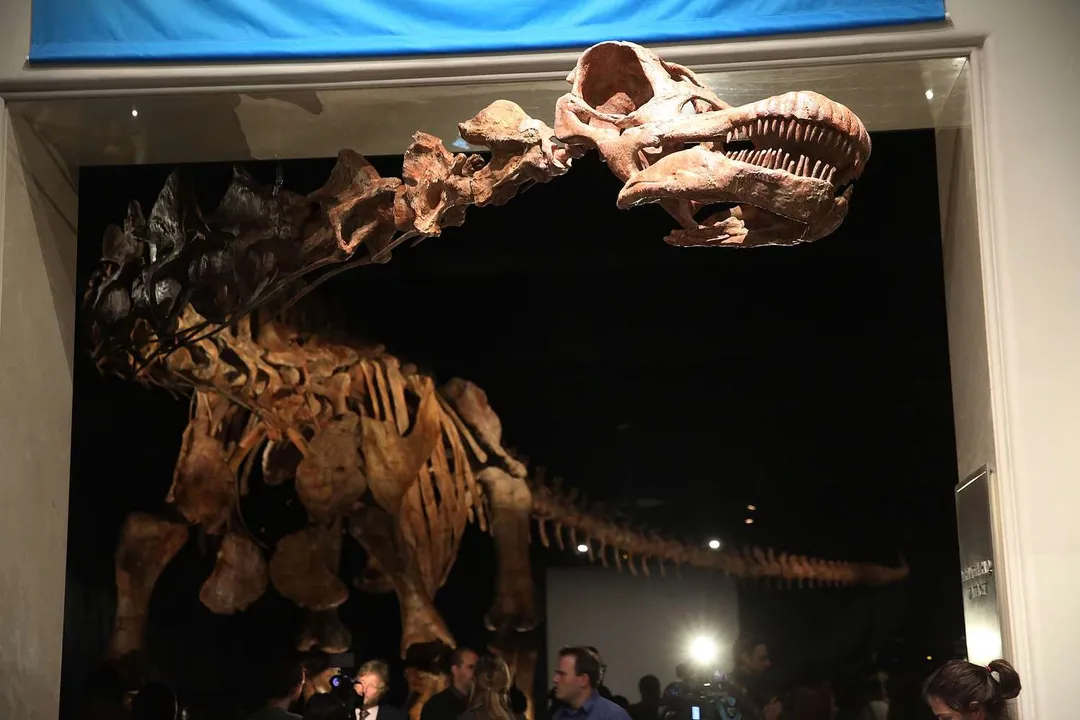
The discovery of Patagotitan mayorum provided paleontologists with one of the clearest glimpses yet into the sheer scale achievable by terrestrial life forms. This animal was not just big; it represented the upper limit of what we currently understand about dinosaur size based on the fossil evidence collected to date. As a sauropod from the long-necked group, its massive frame required a specialized existence simply to sustain its bulk and daily needs.
# Naming Origin
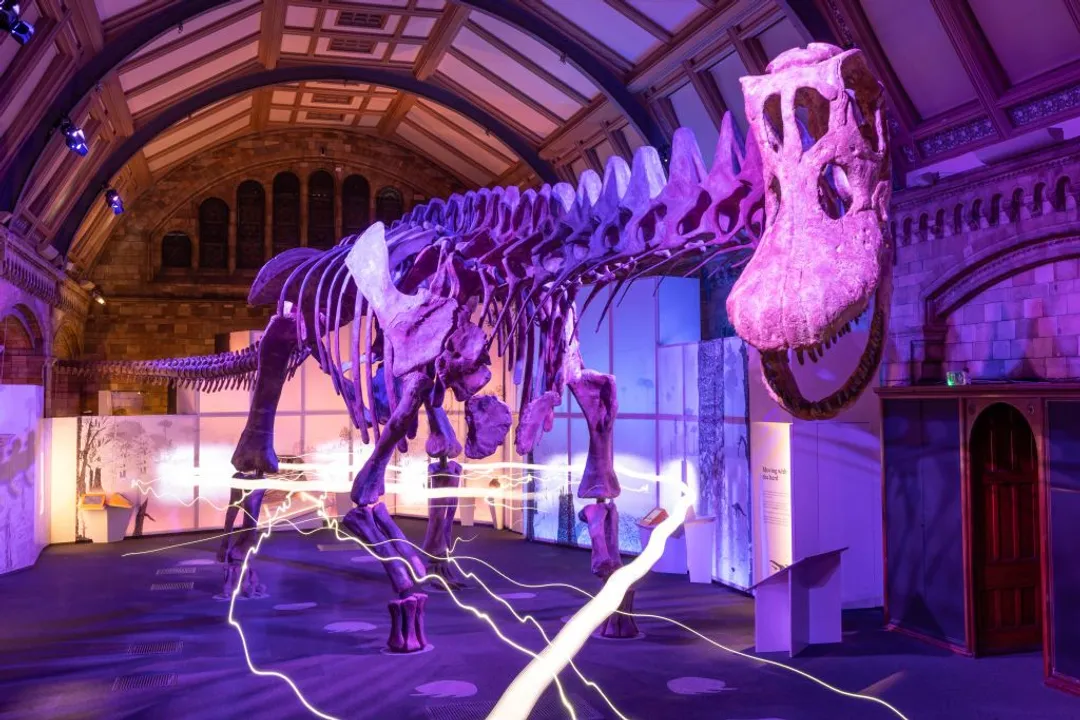
The name itself tells a story of geography and respect. Patagotitan translates roughly to "Titan from Patagonia," pointing directly to the region in Argentina where its colossal remains were unearthed. The full scientific name, Patagotitan mayorum, includes a dedication to the Mayores family, the landowners whose ranch in Chubut Province served as the site of this world-changing excavation. This species designation honors the family whose land protected the fossils until scientific teams could properly extract them.
# Immense Scale
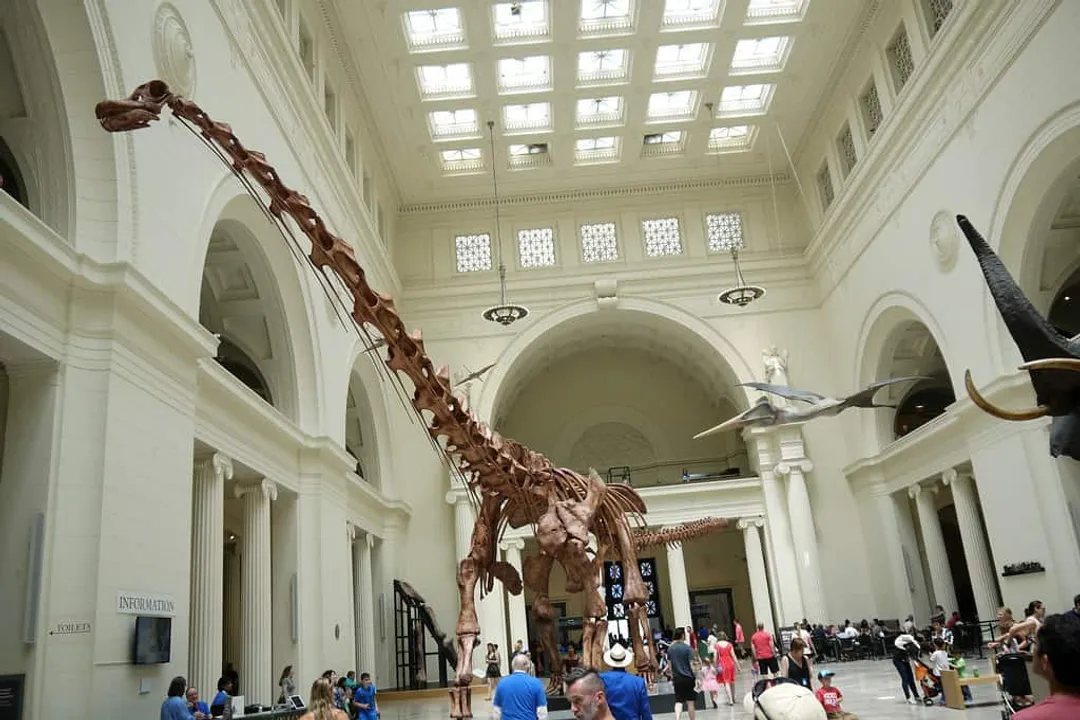
When discussing Patagotitan, the numbers are staggering and often defy easy visualization. Estimates suggest this dinosaur reached lengths of approximately 37.2 meters (about 122 feet). To put that length into perspective, this is roughly equivalent to the length of more than seven standard cars lined up bumper to bumper.
The crucial, and most debated, aspect is its mass. Scientific estimates for the weight of a fully grown Patagotitan often hover around 69 metric tons. This places it among the heaviest animals ever to walk the Earth, rivaling or exceeding the estimated maximum weight of other contenders like Argentinosaurus. While measuring the bulk of an extinct creature is always done through complex calculations based on bone circumference and scaling algorithms, understanding that one animal could weigh as much as a fully loaded commercial airliner makes the reality of its existence more tangible. Furthermore, when considering the sheer volume of plant matter required to fuel a body of that size, one can appreciate the scale of the ecosystem it dominated. If one were to calculate the approximate density based on fluid dynamics models, a creature this massive would have possessed an internal pressure and skeletal structure unlike anything alive today; its legs essentially had to function as living, mobile pillars supporting an incredible load, far surpassing the structural limits of modern mammals.
# Dinosaur Classification
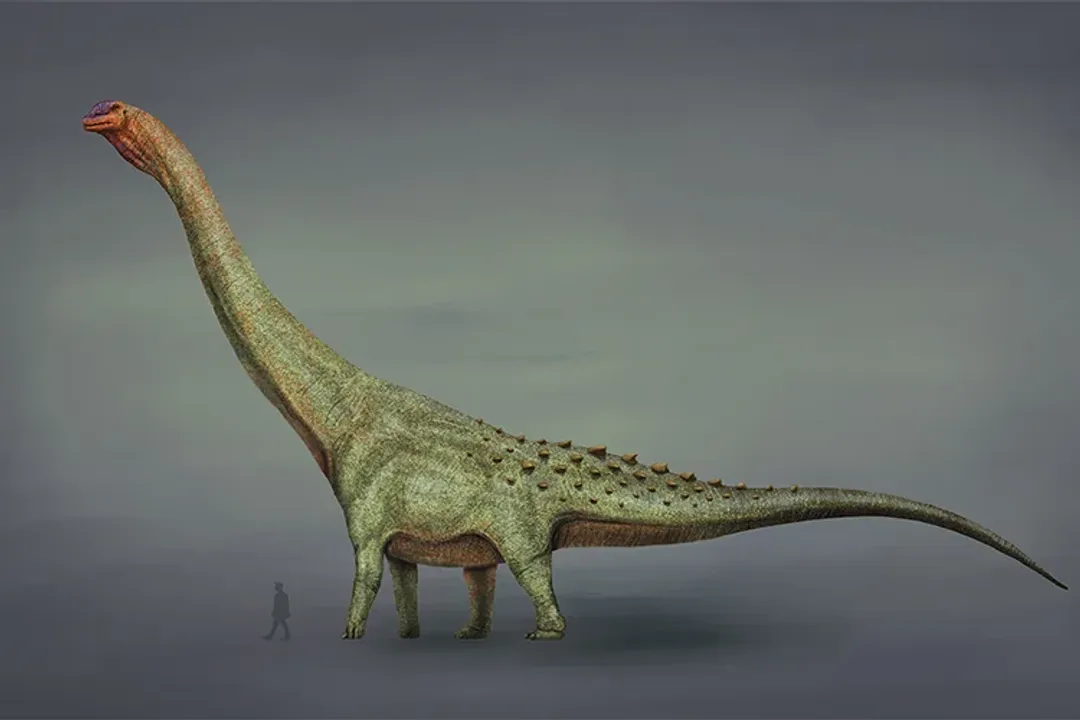
Patagotitan belongs to the broader group of long-necked dinosaurs known as sauropods, but it falls into the specific, often gigantic, subgroup called Titanosauria. Titanosaurs were successful herbivores that thrived across the globe during the Cretaceous period. While the term "Titanosaur" is used generally, Patagotitan mayorum is recognized for being one of the most completely documented giants within that group, which is vital for accurate size determination. It shared its world with other massive creatures, though few rivals have yielded fossils as complete as those attributed to this Patagonian giant.
# Late Cretaceous Life
The existence of Patagotitan is rooted in the Late Cretaceous period, an era spanning roughly 101 to 96 million years ago. During this time, the climate and flora supported these mega-herbivores. As an herbivore, its diet would have consisted entirely of vegetation. Given its enormous size, it would have needed to consume vast quantities of food daily, likely spending the majority of its waking hours feeding to meet its colossal caloric needs.
Imagine the environment it inhabited. The fossil discoveries occurred in the area near Las Plumas, Chubut Province, which implies a landscape capable of sustaining populations of these giants, meaning abundant plant life was readily available.

# Fossil Importance
The significance of Patagotitan in paleontology isn't just its size; it’s the relative completeness of the fossil material recovered. Many of the world’s largest dinosaur candidates are known only from a few isolated, massive bones, leading to wide margins of error in weight and length estimations. For P. mayorum, however, scientists recovered several elements from at least six different individuals, providing a much more coherent picture of its anatomy. Having multiple specimens—including vertebrae, limb bones, and pelvic elements—allows researchers to cross-reference dimensions and create a far more reliable reconstruction than relying on a single, potentially anomalous, femur. This wealth of data increases the authority of the scientific conclusions drawn about its true size compared to more fragmentary finds.
# Comparison with Relatives
While Patagotitan is frequently cited as the largest, it is important to see it in context with its titanosaur cousins. Some other titanosaurs, like Argentinosaurus or Puertasaurus, are sometimes estimated to have been heavier, though these estimates are based on fewer fossils. In many paleontology circles, Patagotitan mayorum is distinguished because its size estimates are based on a greater quantity of preserved material, lending more confidence to its measurements, even if another creature might have been slightly heavier based on theoretical scaling. It stands as a primary example of the evolutionary push toward gigantism seen in this specific group of dinosaurs.
A simple comparison table can highlight how Patagotitan stacks up against its peers based on current scientific consensus regarding documented specimens:
| Dinosaur Name | Estimated Length (m) | Estimated Mass (Tons) | Provenance Confidence |
|---|---|---|---|
| Patagotitan mayorum | ~37.2 | ~69 | High (Multiple specimens) |
| Argentinosaurus | ~30–40 | ~70–100 (Highly variable) | Medium (Fragmentary) |
| Diplodocus (Sauropod) | ~25–30 | ~10–16 | High (Good skeleton known) |
This highlights a key difference: Patagotitan's known mass is extremely high, supported by relatively good fossil evidence, whereas some rivals have higher potential mass estimates derived from far less material, making the Patagotitan figure arguably more grounded in direct evidence.
Related Questions
#Citations
10 Facts About Patagotitan: Earth's Biggest Dinosaur - History Hit
8 Titanic Facts About Patagotitans - Treehugger
Patagotitan - Wikipedia
Patagotitan Animal Facts - A-Z Animals
The Titanosaur: One of the Largest Dinosaurs | AMNH
Patagotitan - Dinosaurs - Jurassic World Evolution 3
Patagotitan mayorum: Meet the largest dinosaur to have ever ...
Patagotitan Facts For Kids | AstroSafe Search - DIY.ORG
We're going BIG this... - American Museum of Natural History