What are queen snakes?
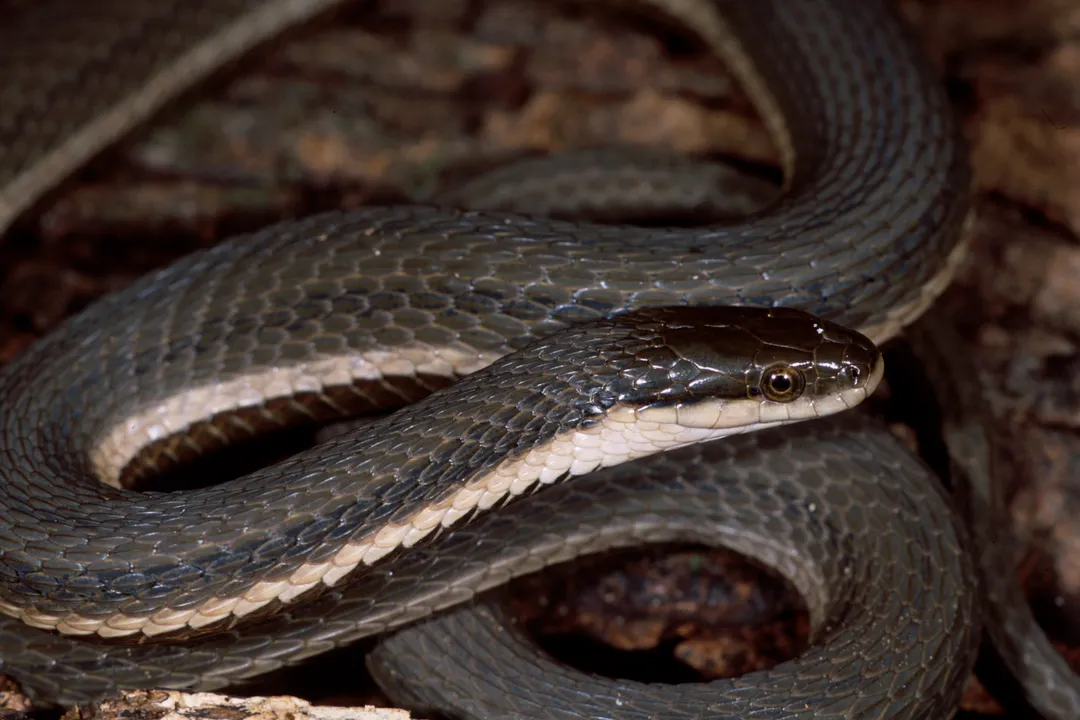
The Queen snake, scientifically known as Regina septemvittata, presents a fascinating study in specialization within the North American herpetofauna. This relatively small, non-venomous reptile is closely tied to water, often remaining near the edges of streams and rivers where its particular needs can be met. [1][2][3] Unlike some of its more generalized snake relatives that might be found in fields or forests far from permanent water sources, the Queen snake maintains a decidedly aquatic lifestyle, making its presence a good indicator of a healthy local aquatic ecosystem. [5]
# Physical Traits
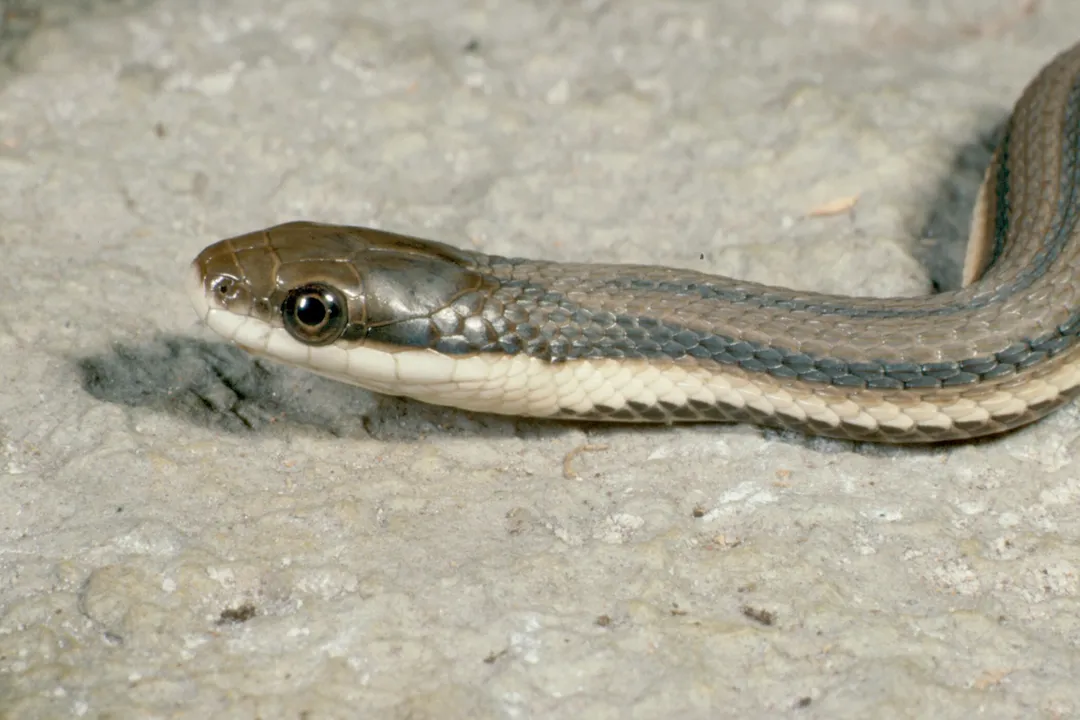
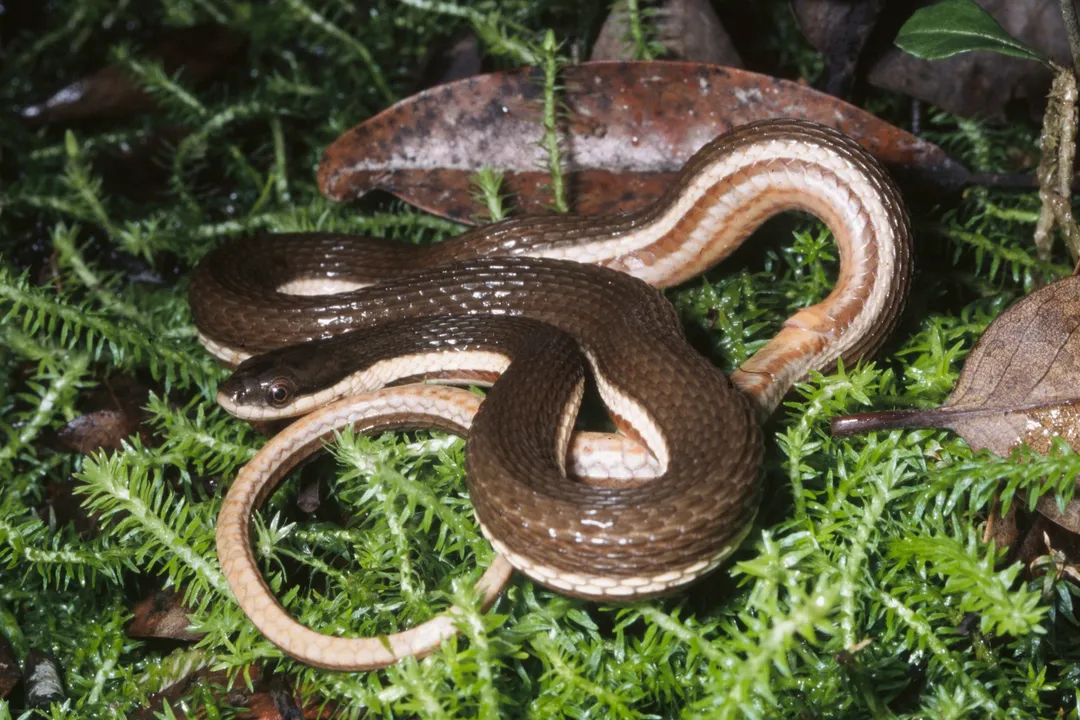
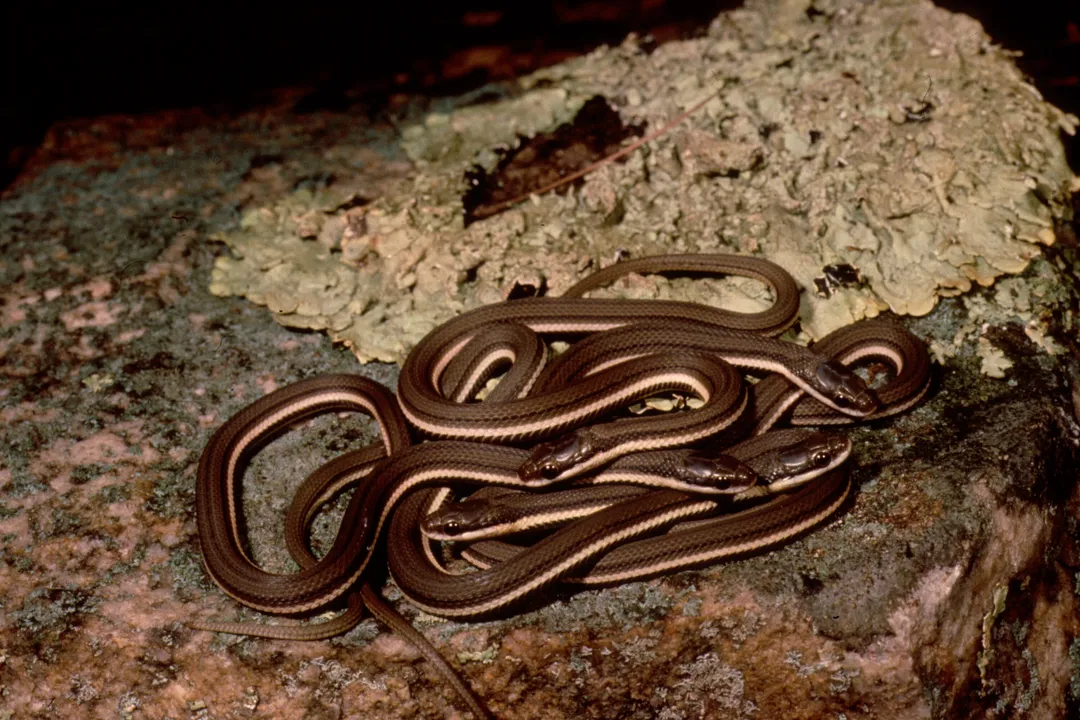
Adult Queen snakes are generally slender and small, rarely exceeding two feet in length, with reported maximums often hovering around 15 to 24 inches. [1][4] Their coloration is a defining characteristic that aids in their identification, though some variation exists depending on locale and age. [1] Typically, the background color of the body ranges from olive-brown to dark brown or black. [2][3]
The most distinctive pattern element is the presence of three dark, longitudinal stripes running down the length of the body. [1] The stripe along the backbone, or dorsal stripe, is usually the darkest and most prominent. [2][4] Flanking this central stripe are two lighter stripes along the sides, often appearing yellowish or tan. [1][3] The belly, or ventral surface, is usually pale, sometimes with scattered dark markings, contrasting with the darker dorsal surface. [4] For a quick field check, noting that the scales are weakly keeled—meaning they have a slight ridge down the center—can also be helpful, though this feature is more subtle than the prominent stripes. [3] A common field mnemonic, though not scientific fact, suggests remembering the seven stripes implied by the species name septemvittata (three dorsal stripes and four lateral stripes/bands making up the side pattern). [1]
# Aquatic Home
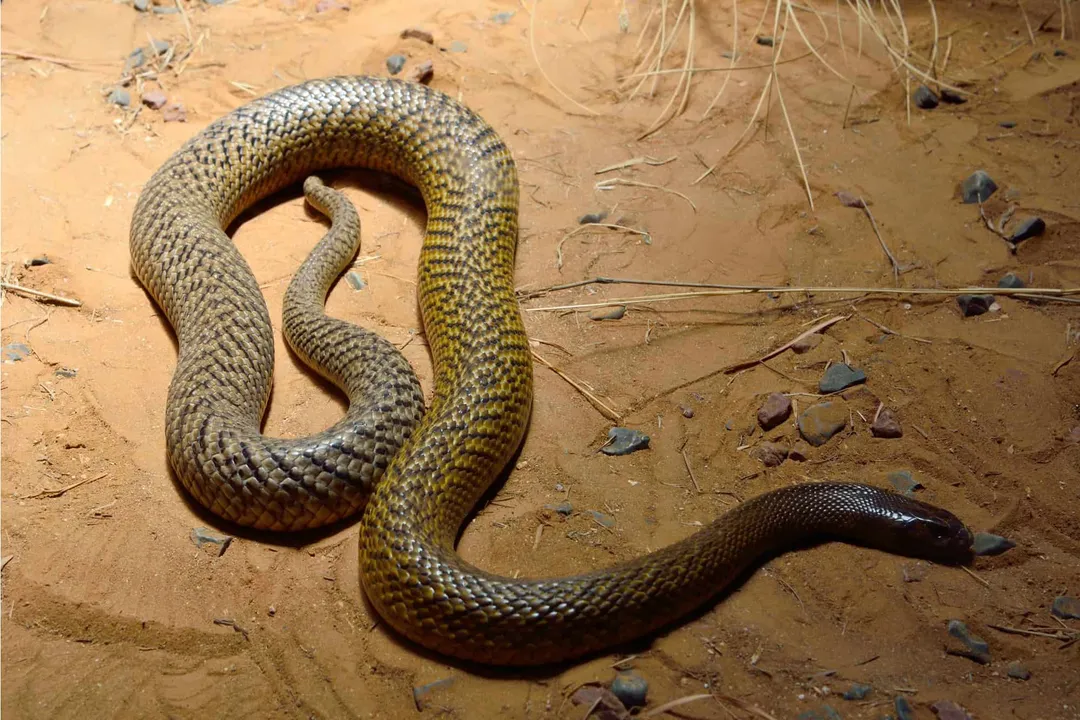
The habitat requirements for Regina septemvittata are quite specific, revolving around clean, unpolluted fresh water. [3][5] They strongly prefer small, shallow, or slow-moving creeks and streams. [5][6] The ideal stream bottom for a Queen snake usually consists of rocks, gravel, or rubble, which offers both shelter and the necessary substrate for their primary food source. [5][6] They are often found under flat rocks, logs, or debris along the water's edge, which serves as critical daytime refuge from predators and heat. [2][3]
In northern regions, such as Michigan, their habitat preference leans towards permanent, clear, cool streams. [6] Conversely, in states like North Carolina, while they still favor rocky, clear streams, they can sometimes be found in slightly slower-moving areas or even near pond margins, provided the water quality remains high. [2] Because their survival is so intertwined with the health of these small waterways, population declines in Queen snakes often signal environmental stress in the surrounding watershed long before other, more generalist species show signs of trouble. [3][6] This dependence creates an interesting paradox: their specialized niche makes them vulnerable. While many snakes are adaptable to suburban sprawl or agricultural runoff, the Queen snake’s reliance on clean, crayfish-rich, flowing water means that even minor pollution or siltation can render an otherwise suitable area uninhabitable. [3] Observing a population thriving in a stream suggests a level of ecological integrity that is becoming increasingly rare in developed areas.
# Crayfish Focus
Perhaps the most fascinating aspect of the Queen snake is its highly restricted diet, making it a true specialist predator. [1][4] Unlike generalized feeders, the Queen snake almost exclusively preys upon freshly molted crayfish, also known as crawfish or crawdads. [1][3][4] The snake must consume the crayfish shortly after it has shed its hard exoskeleton, a period when the soft-bodied prey is easy to overpower and consume. [1][4]
This specialized feeding behavior dictates where the snakes must live—wherever crayfish thrive. [4] They actively hunt in shallow water, often overturning small stones or rooting through leaf litter underwater to locate their prey. [1] They exhibit a unique feeding strategy when handling the crayfish; once captured, the snake will often secure the crustacean, retreat to a dry spot on land or a partially submerged log, and then consume it whole, beginning with the head. [4] It is estimated that over 90% of the Queen snake's diet in many areas consists of these crustaceans. [3] This dependence is a critical piece of natural history to understand. If the local crayfish population crashes due to environmental changes—such as the introduction of invasive crayfish species that might be too large or the impact of chemical runoff—the Queen snake population in that specific area will almost certainly follow suit due to starvation. [4] This makes monitoring Queen snake presence a silent, though indirect, way to track the health of the local macroinvertebrate community.
# Snake Temperament
When handled, the Queen snake is generally not aggressive; in fact, it is often described as quite docile. [2][4] They are not considered dangerous to humans because they are non-venomous and possess relatively small, weak teeth. [1][4]
However, like many small snakes when startled or captured, they have a primary line of defense that involves creating a foul odor. [1][4] They possess cloacal scent glands that emit a pungent musk when the snake feels threatened. [2] This musky release is usually the first and most common defensive reaction, often much more noticeable than any attempt to bite. [4] While they can bite if persistently harassed, the bite is harmless, though perhaps startling to an unsuspecting person. [2][4] Their preferred survival tactic is not confrontation but evasion, usually achieved by slipping quickly into the water or hiding beneath nearby cover. [2]
# Reproduction Details
The life cycle of the Queen snake follows the typical pattern for many temperate North American snakes. They are oviparous, meaning they lay eggs. [1] Mating usually occurs in the spring, shortly after the snakes emerge from their winter inactivity. [1][4] The female lays a small clutch of eggs, typically numbering between 4 and 14, often in mid-summer. [1][4] The location chosen for nesting is important; females seek out moist, hidden spots that provide insulation and protection, such as under rotting logs, in hollow stumps, or within decaying vegetation near water. [1] The eggs hatch sometime in late summer or early autumn. [4] The young snakes are entirely independent upon hatching and must immediately begin hunting, focusing on smaller, often younger crayfish that have recently molted. [3]
# Geographic Reach
The Queen snake's range covers a substantial portion of the eastern and midwestern United States. [1][4] Historically, their distribution extended from southeastern Canada southwards. [1] Within the U.S., they can be found throughout the Ohio River Valley and eastward toward the Atlantic coast, though their distribution is not continuous. [6] They are present in states like New York, Pennsylvania, Ohio, and much of the Southeast. [3][5]
However, distribution can be patchy due to their strict habitat requirements. [6] In areas where suitable rocky streams are absent, or where streams have been significantly altered by dams, dredging, or pollution, the Queen snake is either absent or exists only in remnant, isolated populations. [3][5] For instance, conservation efforts in places like New Jersey focus on protecting the specific remaining riparian zones that can support them, recognizing their status as a species of concern in certain states. [5]
To help naturalists quickly assess potential sighting areas, here is a small comparison chart outlining ideal versus suboptimal conditions:
| Habitat Factor | Ideal Queen Snake Habitat | Suboptimal/Poor Habitat |
|---|---|---|
| Water Flow | Slow to moderate, shallow creeks | Stagnant ponds, large deep rivers |
| Bottom Substrate | Rocky, gravelly, rubble-bottomed | Muddy, silty, heavily vegetated |
| Water Quality | Clear, cool, unpolluted | Turbid, warm, chemically impacted |
| Cover | Abundant overhead cover (rocks, logs) | Open banks, little structure |
If you are exploring a creek system and find sections that match the "Ideal" column, spend a few quiet minutes turning over flat rocks near the bank. You might catch a Queen snake basking or actively hunting. This method relies on the snake being active, which is most common on warm, sunny days, especially in the morning or late afternoon when they are moving between cover and foraging areas. [2][5] This focused search under cover is often more productive than scanning open water, as their camouflage is quite effective when they are still. [2]
The story of the Queen snake is one of exquisite ecological tuning. It serves as a delicate biological barometer, reflecting the underlying health of the running waters it calls home, a fact that underscores the importance of protecting these seemingly small, quiet habitats across their extensive but fragmented range. [3][6]
#Videos
The Queen Snake: Everything You Need To Know! - YouTube
Related Questions
#Citations
Queen snake - Wikipedia
Queen Snake - Amphibians and Reptiles of North Carolina
Queen Snake - NYSDEC
Queen Snake Animal Facts
Ohio Division of Wildlife - Facebook
Regina septemvittata (Queen snake)
Queen Snake (Regina septemvittata) - SREL herpetology
The Queen Snake: Everything You Need To Know! - YouTube
Regina septemvittata (Queen Snake) - Animal Diversity Web
Queen snake - Conserve Wildlife Foundation of NJ