What are interesting facts about yaks?
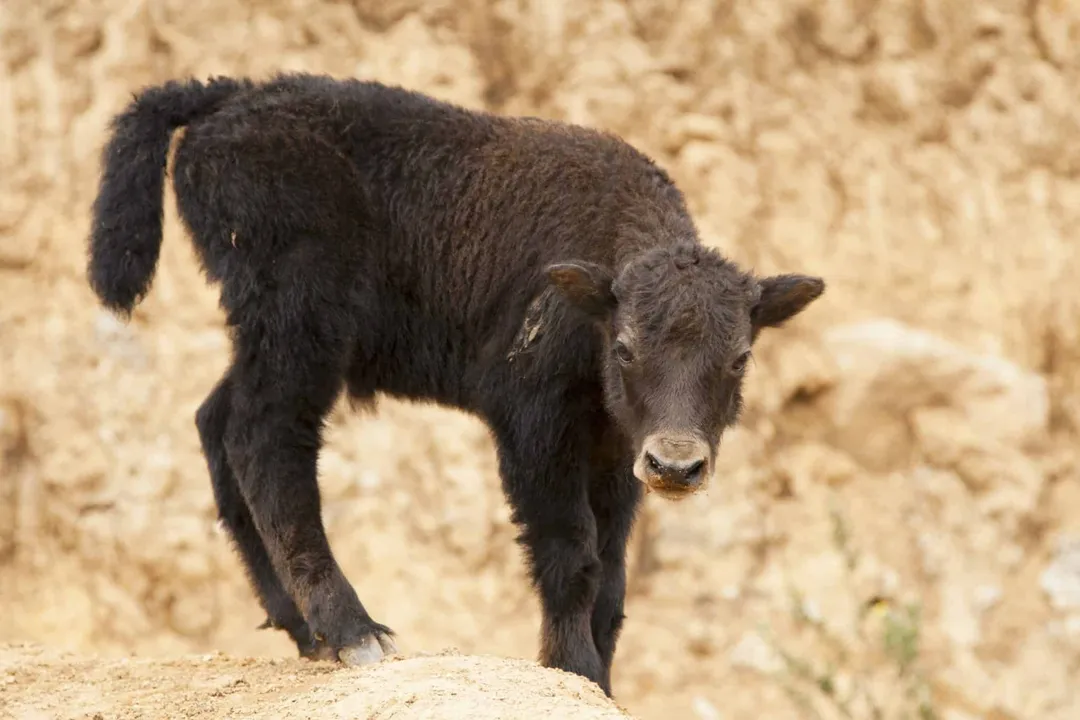
The yak (Bos grunniens) is more than just a shaggy denizen of high mountains; it is a creature perfectly engineered by evolution for the world’s most extreme cold and thinnest air. This massive bovine, a close relative of cattle, bison, and the African buffalo, hails from the rugged Himalayan region and the vast expanse of the Tibetan Plateau. [3][6] To the local cultures that have depended on them for millennia, yaks are not merely livestock; they are the very cornerstone of survival, providing fuel, food, transport, and shelter materials in environments where few other large domesticated animals can persist. [6][8]
# Bovid Kinship
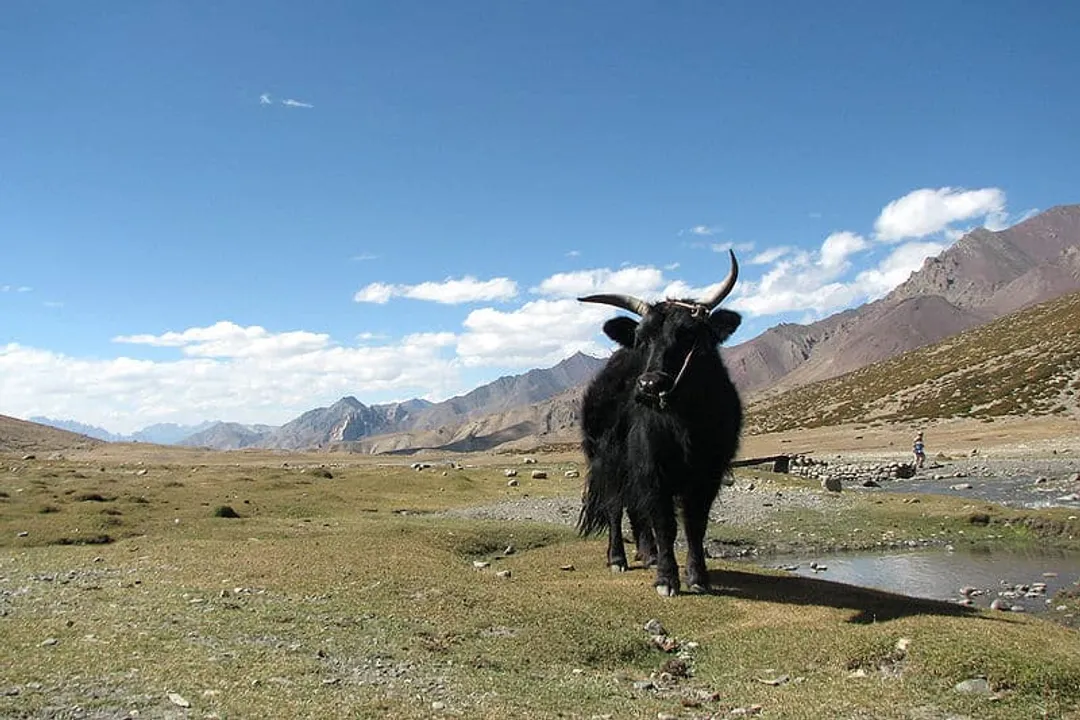
While yaks share the bovine family tree, they stand as their own distinct species. [3][6] The scientific nomenclature separates the domesticated form, known as Bos grunniens, from its wild ancestor, Bos mutus. [4][6][7] Some research suggests the yak lineage split from other species within the Bos genus, like the extinct aurochs, between one million and five million years ago, highlighting a deep evolutionary history tailored to challenging conditions. [4][7] Domestication began with the Qiang people on the Tibetan Plateau around 5,000 years ago, establishing a trade network that predated even the Silk Road, proving the yak's value to humanity was recognized early on. [4] Intriguingly, linguistic evidence suggests an even longer cultural relationship, with native Asian languages containing specialized terms for ancient yak-cattle crossbreeds, potentially hinting at human interaction stretching back much further than genetic evidence currently confirms.
# Physiological Fortitude
The yak’s anatomy is a masterclass in high-altitude adaptation, fundamentally different from that of common cattle. The primary challenge of their homeland is the scarcity of oxygen, which yaks overcome with remarkable physical upgrades. [6] Their lungs and hearts are substantially larger than those of cattle, allowing them to process and circulate air more effectively. [3][8] To accommodate this expanded respiratory machinery, the yak possesses an extra pair of ribs, typically having 14 or 15 pairs compared to the 13 pairs found in cows. [3][6] Beyond organ size, their blood is uniquely equipped, featuring a higher concentration of red blood cells and specialized fetal hemoglobin, which drastically improves oxygen extraction from the rarefied mountain air. [6][8]
This high-altitude specialization comes with a distinct physiological trade-off: a low tolerance for heat. Yaks are perfectly comfortable in temperatures that would freeze other bovines, enduring conditions as low as minus 40 degrees Fahrenheit. [3] However, they begin to suffer from heat exhaustion when the ambient temperature rises above roughly 15°C (59°F). [2][7] This makes them inherently unsuited for lower elevations and explains why, when ranching them in regions like North America, careful management of temperature and humidity is essential for their well-being. [3][7]

# The Shaggy Exterior
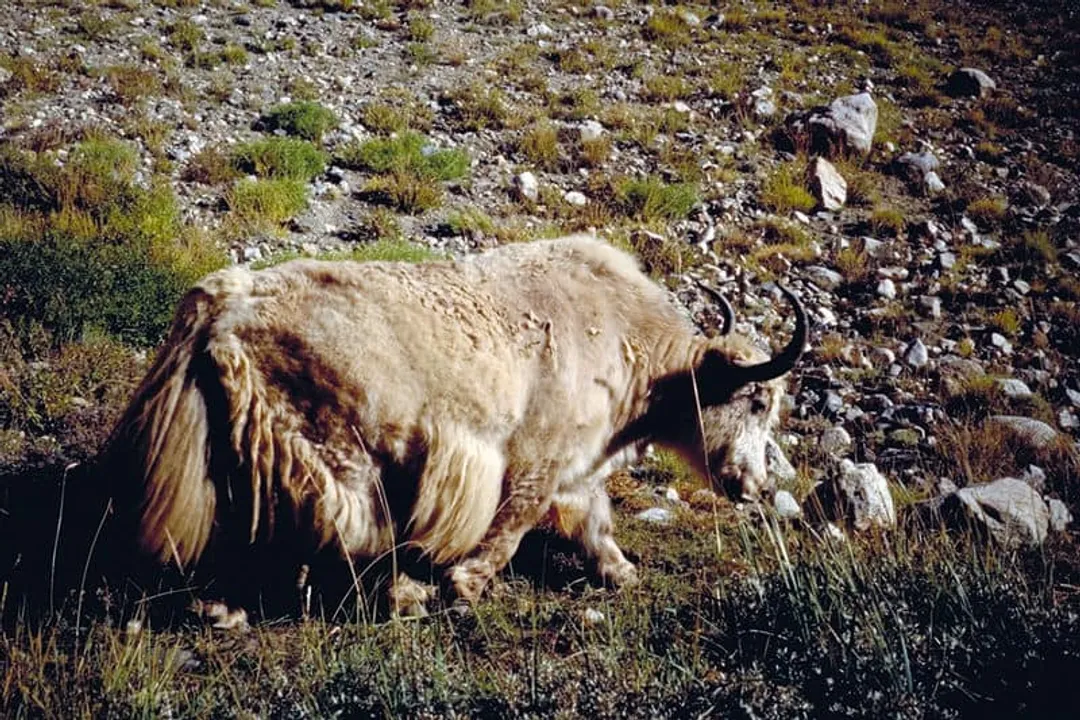
What first strikes observers about the yak is its magnificent coat, a necessary defense against the brutal cold and high winds of the plateau. [4][7] This protection is multi-layered, featuring a dense, woolly undercoat for insulation, overlaid by long, coarse guard hairs. [6][7] In males, this dense undercoat can grow so long that it forms a "skirt" that sweeps the ground, effectively wrapping the animal's entire underside for thermal regulation. [4][7] Furthermore, yaks have few functional sweat glands, which helps them conserve vital body heat in freezing conditions. [4][8] In a fascinating, if somewhat unusual, adaptation, they produce a unique, sticky sweat that helps mat their under-hair, adding an extra layer of insulation; this secretion is even utilized in traditional Nepalese medicine. [7]
When it comes to size, the wild yak dwarfs its domesticated cousin. A large wild bull can stand over 6.5 feet tall at the shoulder and weigh as much as 2,200 pounds (1,000 kg). [6][7][8] By contrast, domestic males typically range from 600 to 1,100 pounds. [4] This size disparity is clear evidence of evolutionary pressures, as wild yaks are the largest native animals in their range, second only to the gaur among all bovids in shoulder height. [5][7]
# Herd Life and Vocalizations
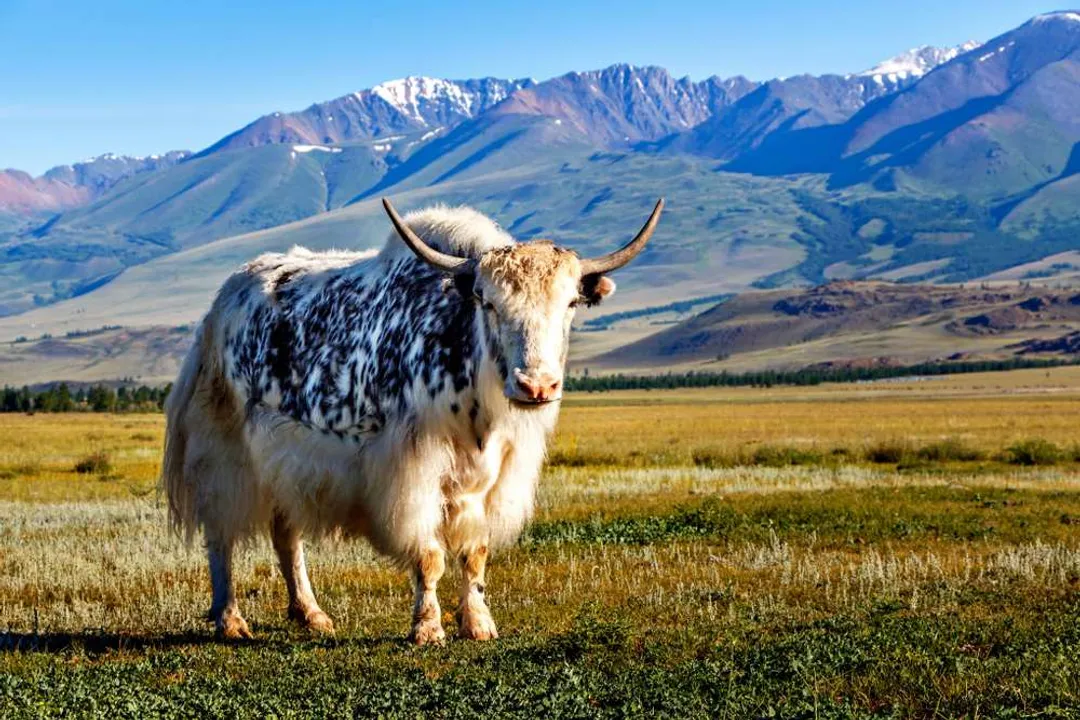
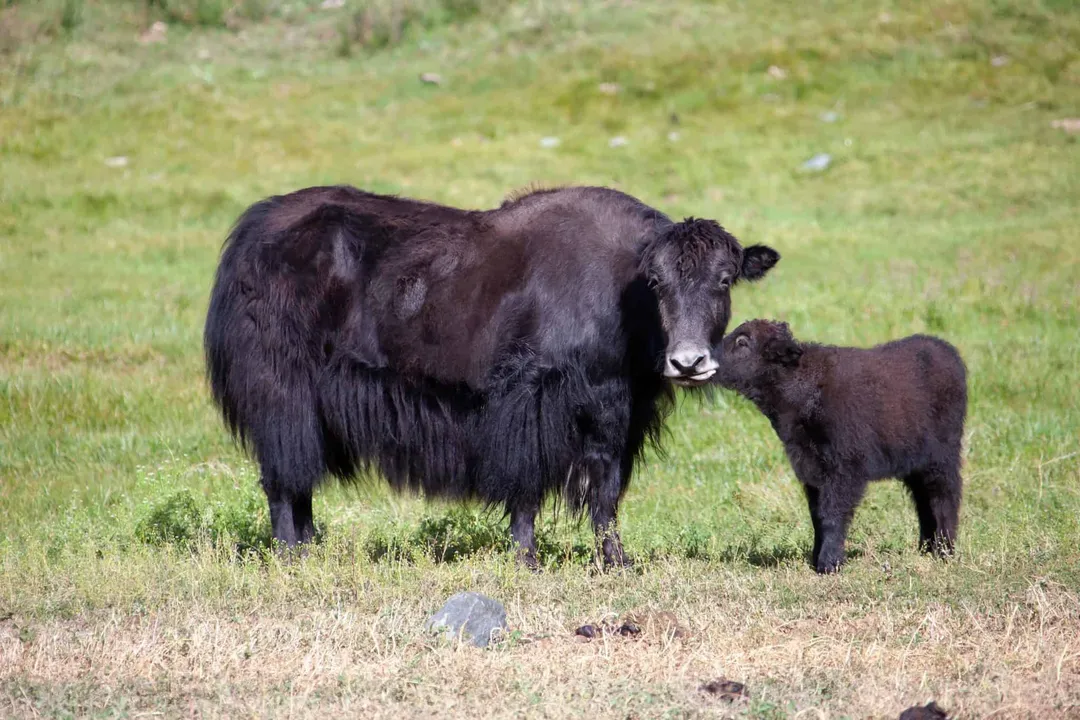
The social structure of yaks is seasonally dynamic. In the wild, herds often segregate by gender for much of the year. [6] Females, or dri/nak, form large, cohesive family units, sometimes numbering in the hundreds, providing safety in numbers against predators like snow leopards and Tibetan wolves. [3][5][6] During severe snowstorms, these large groups instinctively huddle together, keeping the most vulnerable calves nestled safely at the very center. [3][6] Adult wild males, however, are generally solitary or live in smaller bachelor groups throughout the year, only seeking out the female herds during the mating season, or rut, which occurs between July and September. [5][6]
The rut is a period of intense competition. Solitary bulls return to join the female groups, engaging in dramatic dominance rituals involving bellowing, ground scraping, and direct, repeated charges where they clash horns. [6][5] This physical assertion determines which males pass on their genes. [6] In contrast to their wild cousins, domestic yaks are generally known for their docile, friendly, and sometimes playful nature, though mothers will fiercely protect their young. [3][5]
Regarding sound, the scientific name Bos grunniens literally means "grunting". [6] Yaks are known for making a low, pig-like grunting noise to communicate or when excited. [3][6] However, some accounts suggest domestic yaks might also use a soft "mooing" sound when greeting humans, suggesting a range of vocalizations depending on context or level of domestication.

# Calving Cycle
The reproductive strategy of the yak is slow, a common feature in species that invest heavily in a harsh environment. A female yak carries her calf for approximately 257 to 270 days, roughly eight to nine months. [5][6] They usually give birth to a single calf in the late spring or early summer, coinciding with the brief period when high-altitude grasses are most abundant and nutritious. [6] A remarkable characteristic is the precocial nature of the newborns: a yak calf can typically stand up and walk within ten minutes of birth. [5][6] This immediate mobility is a critical survival mechanism, allowing them to keep pace with the herd as they move to graze. Calves are weaned around one year old and reach full independence shortly thereafter, with females usually achieving peak reproductive fitness around four to five years of age. [5][6] Lifespans are long for bovines, frequently reaching 20 to 25 years, especially under managed care. [1][5][8]
# Dietary Mastery and Utility
Yaks are herbivorous grazers specialized in subsisting on the sparse, low-nutrient vegetation characteristic of the alpine steppe and meadow. [6][7] Their diet is mainly composed of grasses, sedges, mosses, and even lichen, which they can access in winter by using their strong horns and rough tongues to break through snow or scrape off rocks. [6][7][8] They possess an enormous rumen, the primary stomach chamber, which allows them to efficiently process this tough, low-quality forage that standard cattle could not properly digest. [6] This efficiency means that, under managed conditions, yaks consume only about one-third of the food that cows require to maintain their weight, an important factor for sustainability in resource-limited regions. [3][4]
The utility of the domestic yak is nearly absolute in Himalayan cultures:
- Dairy and Meat: Yak milk is highly nutritious, declared by the China Nutrition Society to contain more protein, calcium, and Vitamin A than cow's milk. [3][4] It has high levels of fat (around 5.5-7.5%) and protein. [4] This milk is used to make cheese, which can be stored for years when dried, and thick butter, essential for po cha (Tibetan butter tea), a high-calorie staple mixed with black tea and salt. [2][3][4] The meat is also consumed, noted for being leaner than beef and possessing a delicate, sweet flavor. [2][3]
- Labor and Fuel: Yaks are exceptional pack animals, agile and sure-footed on icy, rocky terrain, making them vital for transport and escorting treks, even up to Mt. Everest base camp. [1][3][8] Farmers also use them for ploughing and threshing. [1] Because trees are virtually nonexistent on the treeless Tibetan Plateau, dried yak dung is the most readily available and crucial source of fuel for cooking and heating. [1][3][6] The dung is collected, dried in the sun, and stores well for harsh winters. [2][3]
- Byproducts: Beyond food and fuel, yak bones are fashioned into decorative items like jewelry, combs, and buttons. [7] Furthermore, the coarse tail hair is famously used to create the fake beards worn by actors in Chinese opera. [2][5]
# The New Cashmere
Perhaps the most globally recognized non-food product derived from the yak is its luxurious fiber. [3] The undercoat, known as khullu, is extremely fine and soft, rivaling the quality and warmth of cashmere. [4] This warmth is so renowned that mountaineers and explorers use gear made from it as an extra layer of protection in places like Antarctica and the Himalayas. Yak wool is celebrated for being more durable and easier to care for than cashmere, and it is also hypoallergenic, similar to alpaca fiber.
It is worth comparing the production profiles of yak fiber and cashmere to grasp its market potential. Yak down yields roughly one kilogram per animal annually, whereas cashmere goats produce only about 100 grams. This suggests a much higher yield potential per animal for yak fiber, positioning it as a potentially more sustainable luxury textile if production scales. Historically, however, the fashion industry favored cashmere because the fibers are naturally white, making them easy to dye, whereas yak fiber is naturally brown.
# Conservation Crossroads
The two populations of yaks stand at vastly different points in terms of conservation status. While the domestic population across Asia numbers between 14 and 15 million, the wild yak faces existential threats. [4][6] The International Union for Conservation of Nature (IUCN) lists the wild yak (Bos mutus) as Vulnerable, with estimates suggesting fewer than 15,000 mature individuals remain globally. [4][6][7] Some reports suggest the numbers are alarmingly low, possibly as few as 10,000 or even fewer than 400 in specific regions like Tibet and Nepal. [7][8] The primary dangers include poaching for meat and horns, habitat loss from expanding human infrastructure, and disease transmission from domestic herds with whom they compete for grazing land. [6][8] To witness this magnificent, truly wild animal in its native, remote alpine steppe is becoming an ever-rarer privilege. [6] Interestingly, domesticated yaks are now being raised in increasing numbers in places as far afield as the United States, where they are appreciated for their calm nature and lower environmental impact compared to cattle—their nimble hooves cause less soil damage. [3][4]
# Culture and Festivities
Yaks are deeply woven into the social fabric of the regions they inhabit. [1] Beyond their everyday work as beasts of burden, they are subjects of celebration. In Mongolia, for example, the annual Mongolian Yak Festival showcases the animal through events like yak wrangling, races, and yak polo, a sport invented partly to draw tourists to remote locales. [2] The reverence for the animal is so ingrained that in Tibetan, the term gyag specifically refers to the male, while the female is known as a dri or nak—a nuanced linguistic detail often lost when Western explorers adopted the male term as the generic English name for the species. [6] This cultural significance underscores that the yak is not just an animal well-suited to the mountains; it is an animal that has actively shaped human civilization in one of the world's most difficult terrains. [6]
# Distinguishing Features Summary
To help keep the varied facts straight, here is a quick reference for some of the physical and terminological differences highlighted:
| Feature | Wild Yak (Bos mutus) | Domestic Yak (Bos grunniens) |
|---|---|---|
| Average Weight (Male) | Up to 1,000 kg (2,200 lbs) [7][8] | 350 to 585 kg [7] |
| Temperament | Notoriously ill-tempered; aggressive during rut [6] | Generally docile, friendly, and easy to train [5] |
| Conservation Status | Vulnerable (IUCN) [4][7] | Thriving, population in the millions [4] |
| Horn Length (Male) | 24 to 39 inches (sweep outward) [6][7] | Generally larger and more massive than females' [5] |
| Vocalization | Low grunt [6] | Grunt or soft moo [3] |
The yak, therefore, represents a profound biological success story. From its specialized blood chemistry allowing it to breathe where others cannot, to its thick, insulating coat, every feature is an answer to the extreme demands of the Tibetan Plateau. This mastery of the cold climate, while essential for its survival, directly dictates its limitations in warmer zones. [4][7] Meanwhile, its long relationship with humans has made it indispensable, sustaining entire cultures through products ranging from high-protein milk to the very fuel that keeps homes warm during the long, dark winters. [6][8] The continued protection of the wild yak remains a pressing conservation concern, ensuring that this ultimate high-altitude survivor continues to grace the "Roof of the World". [6]
Related Questions
#Citations
What Is a Yak? 8 Spectacular Facts About Yaks - Treehugger
Yakety-yak: 7 Fun Faks About Yaks - Animals | HowStuffWorks
10 Fascinating Facts About Yaks - A-Z Animals
15 Facts About Yaks – The Curious Yak - Online Scarf Store
The Ultimate High-Altitude Survivor: 12 Shocking Facts About Yaks
Tibetan yak - The Alaska Zoo
Facts About Yak | Learn Important Terms and Concepts - Vedantu
Yak Wool: 7 Facts About The Unsung Hero Of The Himalayas