What animal category is a dinosaur?
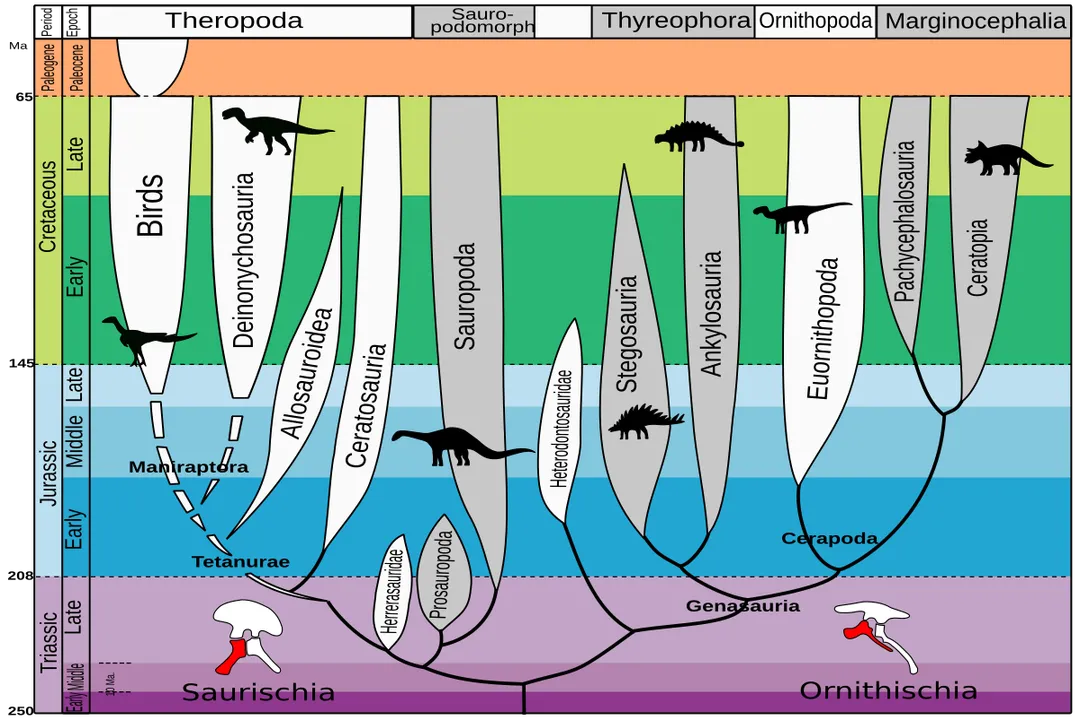
The animal category housing dinosaurs is perhaps best understood not by what they were in simple terms—large reptiles—but by where they sit precisely on the grand tree of life, a position that ultimately links them to the birds soaring overhead today. Dinosaurs are classified within the clade known as Dinosauria. This group emerged during the Triassic period and quickly became the dominant terrestrial vertebrates on Earth for an astounding stretch of time, lasting for more than 165 million years. To truly categorize them, we must look past superficial features like scale texture or general size and focus instead on shared anatomical traits passed down from a common ancestor.
# Ruler Group
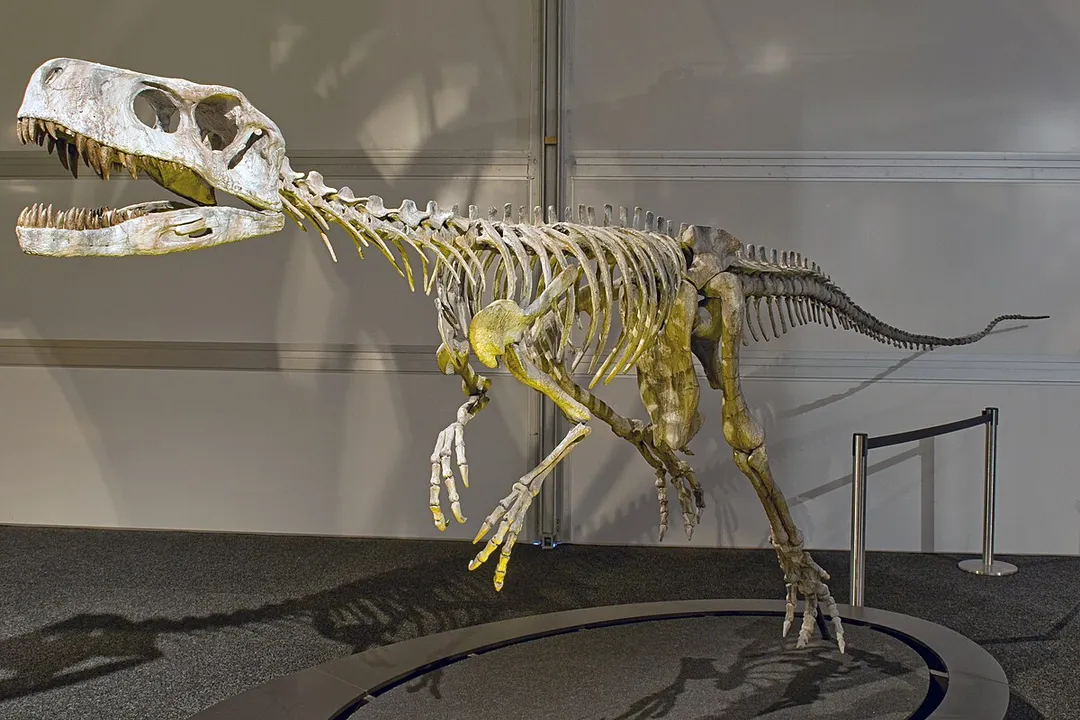
The immediate higher grouping for dinosaurs is the clade Archosauria. The term Archosauria translates roughly to "ruling reptiles," a title earned because this lineage includes not only dinosaurs but also modern crocodilians and birds. This relationship establishes a critical fact: dinosaurs are not merely extinct cousins of lizards or snakes; they are closely related to the lineage that survived through the ages to become modern birds.
Archosauria itself is divided into two major branches relatively early in its evolutionary history. On one side is Pseudosuchia, which eventually led to crocodiles and their kin. On the other side is Avemetatarsalia. It is within Avemetatarsalia that dinosaurs and birds are found. Understanding this deep branching helps resolve common misconceptions: creatures like pterosaurs, which flew, or marine reptiles like ichthyosaurs, which swam, though often shown alongside dinosaurs in popular media, are not dinosaurs because they do not share the specific suite of defining archosaurian traits that Dinosauria possesses.
# Anatomy Defining

What separates a true dinosaur from another archosaur, or from other large, extinct reptiles, is a specific suite of derived anatomical characteristics, known as synapomorphies. These features are much more reliable for classification than simple size or environment. The most frequently cited, and arguably most important, diagnostic feature relates to the hip structure and leg posture.
Dinosaurs are characterized by an open hip socket, technically a perforated acetabulum. This feature allowed the femur (thigh bone) to be positioned directly underneath the body, granting dinosaurs an erect or upright posture. This is the functional difference that set them apart from the sprawling stance seen in most other reptiles, where the limbs stick out to the sides.
Consider the implications of this skeletal arrangement. While the sheer scale of titans like Argentinosaurus is impressive, it was this efficient, pillar-like leg structure that enabled such gigantism in the first place. A sprawling limb structure is inherently less efficient for sustained, high-metabolism locomotion, especially at massive body sizes, as much of the muscle force is spent simply holding the body up against gravity rather than propelling it forward. The ability to hold their legs directly beneath them meant dinosaurs could move massive weights with less energy expenditure over distance, a clear evolutionary advantage on the land. Furthermore, they possessed specific features in the ankle and shoulder joints that further solidified their unique body plan.

# Not Dinosaurs
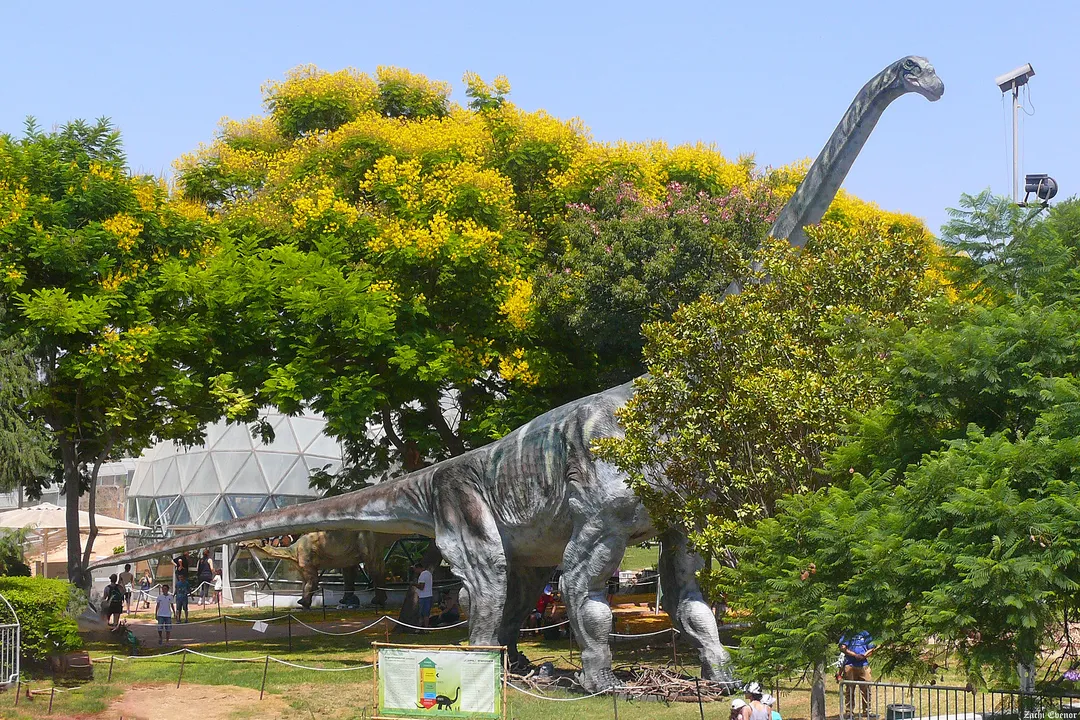
It is crucial to separate the term dinosaur from the general descriptor "large prehistoric animal". Because dinosaurs reigned supreme for so long, many other groups evolved to fill similar ecological niches during the Mesozoic Era, leading to frequent misidentification by the casual observer.
The exclusion list is long, but a few key groups frequently cause confusion:
- Pterosaurs: These were the flying reptiles. Though they were archosaurs, their skeletal structures placed them outside the Dinosauria clade. They were flying cousins, not direct dinosaur relatives in the strict cladistic sense.
- Marine Reptiles: Groups like Ichthyosaurs (dolphin-like) and Plesiosaurs (long-necked swimmers) were certainly contemporaries of the dinosaurs, but they belonged to different reptilian branches entirely. They were convergent evolution at its finest, developing adaptations for the sea that paralleled those of early dinosaurs, but they did not share the specific hip and limb anatomy.
- Synapsids: Even creatures that lived before the dinosaurs, like the sail-backed Dimetrodon (often mistaken for a dinosaur), belonged to the synapsid line—the group that eventually led to mammals—and are far removed from the archosaurs.
This distinction reinforces the scientific approach: classification relies on descent, not merely appearance or time period. If a creature lacks the defining perforate acetabulum and associated limb architecture, it is not a dinosaur, regardless of its size or diet.
# Clade Splits
Once an animal is confirmed as a dinosaur based on the archosaur lineage and specific skeletal traits, it is further sorted into one of two major infraorders based on the structure of the hip bones. This division is one of the first fundamental organizational structures within Dinosauria:
- Saurischia (Lizard-Hipped): These dinosaurs retained a hip structure superficially similar to their earlier archosaur ancestors, where the pubis bone points forward. This group famously includes the giant, long-necked sauropods (like Brachiosaurus) and the bipedal, mostly carnivorous theropods (like Tyrannosaurus rex).
- Ornithischia (Bird-Hipped): This group evolved a radically different hip structure where the pubis bone rotated backward to lie parallel to the ischium, much like in modern birds—though this similarity is an example of convergent evolution, not direct ancestry within this context. This group contains the armored dinosaurs (stegosaurs, ankylosaurs), the horned dinosaurs (ceratopsians), and the duck-billed dinosaurs (hadrosaurs).
It is a fascinating bit of paleontological irony that despite the Ornithischia possessing the hip structure superficially resembling that of modern birds, it is actually the Saurischia lineage—specifically the theropods—from which birds evolved.
# Avian Relatives
The most direct answer to "What category is a dinosaur?" today must include birds. Modern consensus holds that birds are, in fact, living dinosaurs, classified as avian dinosaurs. Specifically, they are the only surviving lineage of the Saurischian theropods. The evolutionary split between non-avian dinosaurs and avian dinosaurs occurred millions of years ago, but the connection remains biologically sound due to shared traits, including specific bone structures in the wrist and ankle, and evidence suggesting feathers in many theropod groups.
The transition from giant, earth-shaking dinosaurs to small, feathered fliers represents one of the most profound evolutionary shifts in Earth's history. When we discuss dinosaurs, we are discussing a group that spans from terrestrial behemoths that dominated the Mesozoic for roughly 165 million years—a period longer than the time separating us from the extinction event that wiped out their non-avian cousins 66 million years ago—to the animals we observe daily. This vast timeline and ecological scope, all rooted in a specific anatomical blueprint shared by the archosaurs, define their category.
To put the span of their reign into perspective, if the entire history of life on Earth were compressed into a single calendar year, the dinosaurs (Dinosauria) would have evolved sometime in early June. They would have ruled the land until the middle of December, before the non-avian forms vanished, leaving the avian descendants to continue the story into the present day. This deep history, characterized by unique adaptations like the pillar-like leg structure, is what solidifies their place in the animal kingdom as a distinct and long-lived clade within the ruling reptiles.
#Videos
What Is A Dinosaur And What Isn't a Dinosaur? - YouTube
Related Questions
#Citations
Dinosaur - Wikipedia
Dinosaur Classification – Historical Geology - OpenGeology
What differentiates a dinosaur from other animals ? : r/Paleontology
What Makes a Dinosaur a Dinosaur - Fossils and Paleontology (U.S. ...
Dinosaurs | Research Starters - EBSCO
Dinosaur Facts | American Museum of Natural History
What is a Dinosaur? | Blog - Science Museum of Virginia
What Is A Dinosaur And What Isn't a Dinosaur? - YouTube