What category is an antelope in?
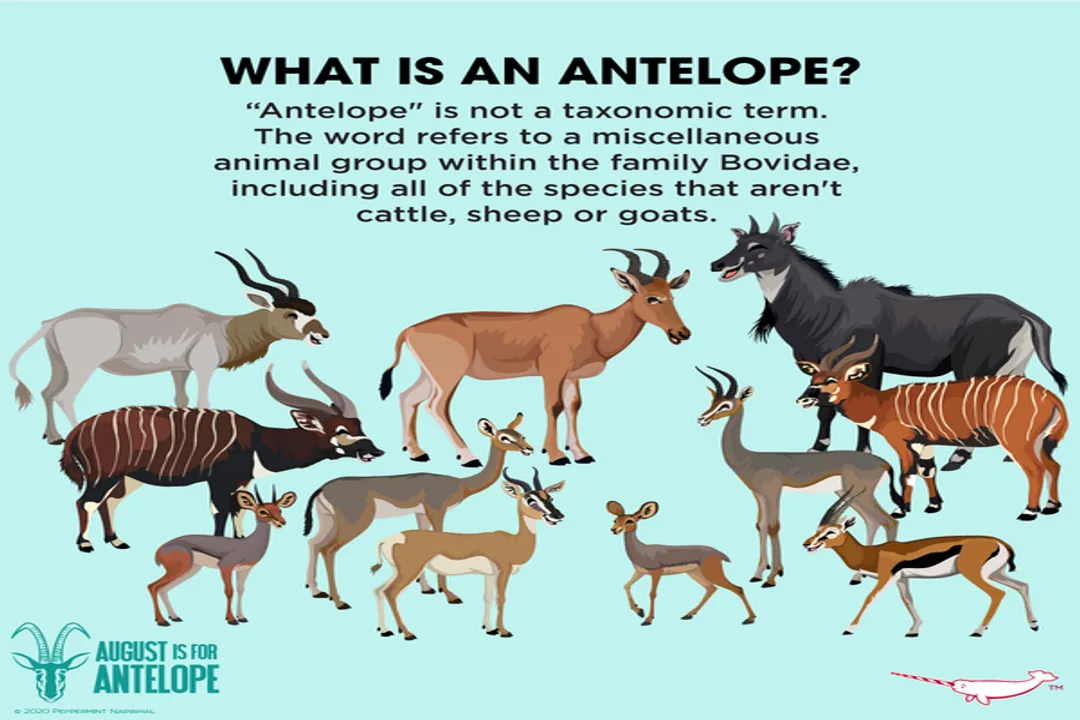
The classification of an antelope is fascinating because the word itself doesn't point to a single, neat scientific slot. Calling an animal an "antelope" tells you a lot about what it looks like and what it is related to, but it doesn't designate a formal taxonomic rank like "genus" or "family." Instead, "antelope" is a general descriptor applied to a diverse collection of Old World ruminant mammals that share certain characteristics. They are generally swift, slender, cloven-hoofed creatures known for their graceful movement.
# Scientific Placement
At the broadest level, antelopes fall into the mammalian order Artiodactyla, which groups the even-toed ungulates. Within that order, they are part of the suborder Ruminantia, meaning they are cud-chewing animals, similar to cows and sheep. The key to understanding their category lies within the large family Bovidae, which includes cattle, goats, and sheep. Most animals we call antelopes belong to several different subfamilies within Bovidae, such as Antilopinae, Bovinae, Cephalophinae, Hippotraginae, Reduncinae, Orycerotinae, or Alcelaphinae. This diversity explains why a tiny Royal Antelope looks vastly different from a massive Eland, yet both are commonly grouped under the antelope umbrella. It’s this collection of disparate lineages within the same broader family that makes "antelope" a grouping of convenience rather than a strict biological category.
# Horns Versus
One of the most consistent ways to define an antelope, differentiating it from similar-looking animals like deer, is by examining its headgear. True antelopes possess horns, which are permanent structures. These horns consist of a bony core that grows continuously throughout the animal’s life, permanently covered by a sheath made of keratin—the same material found in human fingernails. This means they never shed them. In contrast, deer possess antlers, which are composed entirely of bone and are typically shed and regrown annually. The permanence of the horn provides a constant display of fitness and defense capability, a fixed asset in territorial or mating displays, whereas antlers represent a significant, recurring annual energy investment. While both deer and antelope horns (in the bovids) are usually unbranched, the difference in growth cycle is the critical distinction from a biological standpoint.
# Geographic Range
While the term is applied broadly, the vast majority of species recognized as antelopes are native to the Old World, particularly across the continent of Africa, though some species are also found in Asia. African species exhibit incredible adaptability, thriving in environments ranging from arid deserts to dense forests. Gazelles, impalas, kudus, and wildebeests are all famous examples inhabiting these varied African landscapes. This wide geographic spread across different ecological niches is another reason why a single, unifying characteristic beyond their general bovid structure and horn type is difficult to pinpoint.
# The Exception
The classification gets especially interesting when we look to North America, home to the Pronghorn (Antilocapra americana). Although frequently referred to as an antelope, it is not a true antelope because it does not belong to the family Bovidae. Instead, the Pronghorn is the sole surviving member of its own unique family, Antilocapridae. This highlights a key ambiguity in common naming conventions. While the Pronghorn shares the swiftness and horn-like appearance of Old World antelopes, its biology sets it apart. The most telling difference, besides taxonomy, is that the Pronghorn does shed its outer horn sheath every year, similar to a deer shedding its antlers, although the underlying bony core remains attached to the skull.
When observing swift, hoofed mammals in the wild, a practical step in mental categorization is to check the horn status if the animal is male and possesses headgear. If the animal is in Africa or Asia and the horns look permanently fixed, it is likely a true antelope within Bovidae. If you are in North America and see something similar that sheds its covering, you’ve encountered the unique Pronghorn. This separation between the Pronghorn family and the Bovidae antelopes underscores that the common name reflects evolutionary convergence—similar survival strategies leading to similar body plans—rather than a close genetic relationship.

# Shared Adaptations
Despite the taxonomic spread across various subfamilies, antelopes share certain physiological and behavioral adaptations related to survival in often predator-dense environments. Their legendary speed is paramount; many species have evolved long legs and light builds to outpace predators like cheetahs and lions. As ruminants, their digestive systems are highly efficient at extracting maximum nutrition from grasses and browse, allowing them to inhabit areas where food quality might be low. Furthermore, while horns are permanent, their structure and size often play a significant role in species recognition and sexual selection, sometimes being massive in males as a sign of vigor and health. The sheer variety of horn shapes across species, from the tightly spiraled horns of the Kudu to the sweeping scimitars of the Gemsbok, speaks to the diverse pressures within their various habitats.
Related Questions
#Citations
Antelope - Wikipedia
Antelope | San Diego Zoo Animals & Plants
Antelope | Types, Characteristics, Adaptations, Mammal ... - Britannica
Category:Antelopes | The Zoboomafoo Wiki | Fandom
Antelope | Research Starters - EBSCO
Pronghorn Antelope | Washington Department of Fish & Wildlife
African Antelopes: Characteristics, Adaptations & Species List
Antelope tier list : r/Tierzoo - Reddit
Peppermint Narwhal Creative - Facebook