What category do Pugs fall under?

The classification of the Pug dog breed is straightforward on the surface, yet it reveals fascinating nuances when you look across different international kennel clubs and their varied grouping philosophies. Most commonly, the Pug falls squarely within the Toy Group. This grouping, primarily defined by the American Kennel Club (AKC) where the breed was recognized in 1885, groups dogs based on heritage and function. For the Pug, the function has always been singular: companionship.
# Breed Groupings
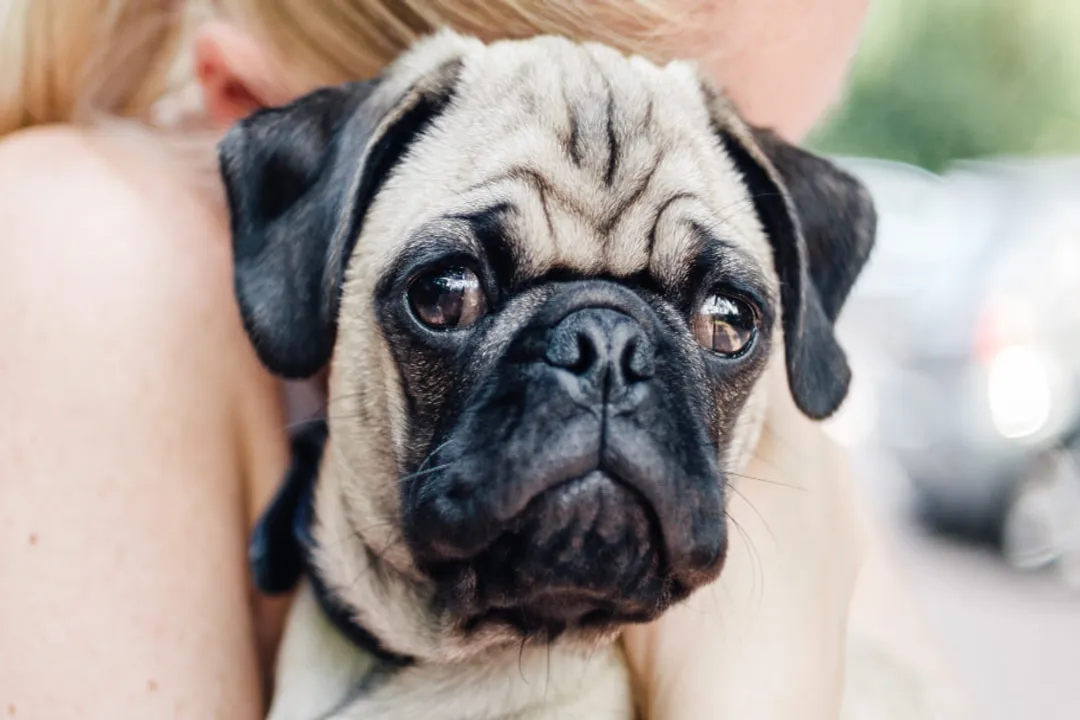
The consensus among major registries points to this small, companion-oriented category. The AKC places the Pug in its Toy Group, a collection of breeds cherished for their engaging personalities and diminutive size, contrasting them with breeds developed for herding or hunting. The Pug’s enduring motto, multum in parvo—meaning "a lot in a little"—aptly describes its large personality packed into a small frame.
However, a look abroad shows slight variations in terminology that nevertheless confirm the dog's role. The Fédération Cynologique Internationale (FCI) classifies the Pug in Group 9, Companion and Toy Dogs. Similarly, the United Kennel Club (UKC) often refers to them under the Companion Dogs category. Even the Canadian Kennel Club aligns with the Toy designation, placing them in Group V, Toy Dogs. It is clear across these main bodies that the defining characteristic is their historical and current role as human companions, rather than as working dogs.
# Size Context
What makes the Pug interesting within the Toy Group is its substantial build relative to its peers. While the term "toy" suggests extreme delicacy, Pugs are often described as the sturdiest of the toy family. They typically weigh between 14 to 18 pounds and stand about 10 to 13 inches high at the shoulder. This size hints at their ancient lineage, as many sources suggest they were bred down from larger, Mastiff-type dogs centuries ago. If you are choosing a Pug, understanding this relative sturdiness is helpful; they possess more muscle and bone mass than some of the more fragile Toy breeds, allowing them to often enjoy play more vigorously, provided they don't overheat. It's important to note, however, that their propensity for obesity—being three times more likely to become obese than other breeds according to one UK study—means that owners must vigilantly manage their weight to keep them from becoming a "heavy toy dog".
# Functional Versus Health Categories
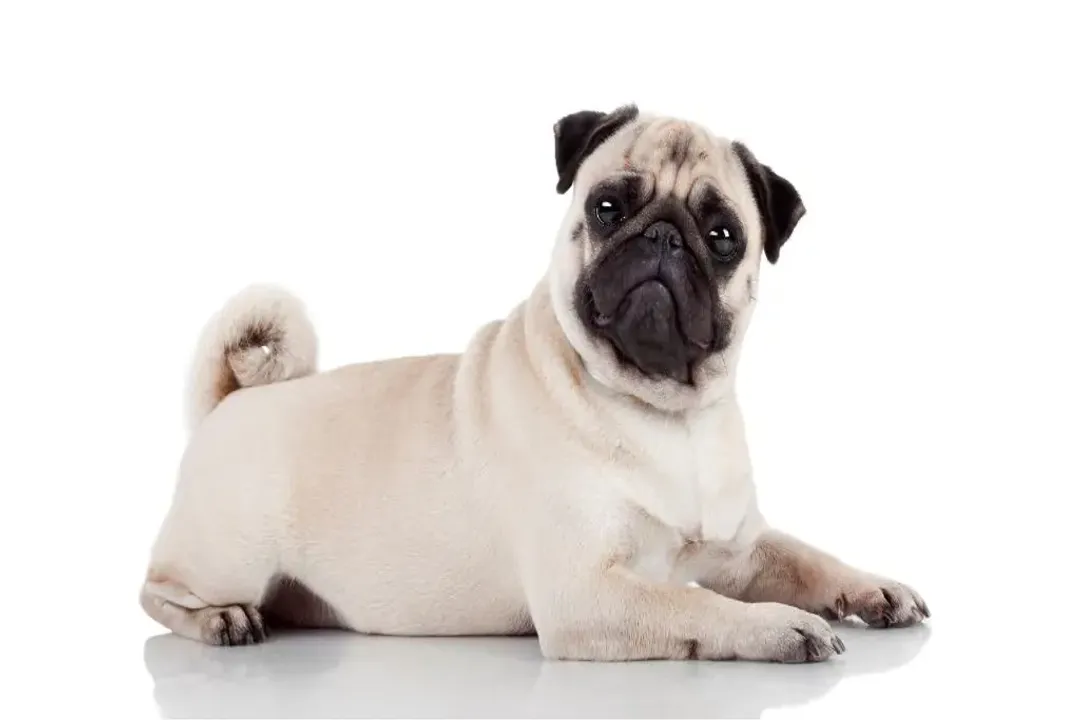
While the Toy Group is a classification based on historical function and size, some organizations use groupings based purely on health concerns, which provides a starker look at the breed’s modern reality. The UK Kennel Club, for instance, assigns Pugs to Category 3, which flags breeds with the most serious health issues of concern. This category specifically highlights issues related to the breed's exaggerated conformation, such as respiratory function, prominent eyes, skin folds, and movement.
This contrast between the Toy Group (function-based) and Category 3 (health-based) is significant for prospective or current owners. The Toy Group designation speaks to their temperament—sociable, loving, and eager to please—traits developed over millennia of being pampered royalty's pets. Category 3, conversely, speaks to the physical consequences of breeding toward that specific look—the short muzzle, the round head, the curled tail—that defined their companion status through the centuries. An owner must appreciate that the Pug’s primary category is based on its job as a lap dog, but their secondary health grouping reflects the real-life trade-offs of their specialized appearance.
# A Historical Note on Function
The Pug’s classification as a companion animal is deeply rooted in history, predating formal kennel clubs by millennia. Originating in ancient China, they were esteemed pets of the ruling families and Buddhist monks, guarded by soldiers, and treated with luxury. Their journey to Europe in the sixteenth century solidified this role, making them popular mascots for royalty like the House of Orange in the Netherlands. When a Pug saved the life of the Prince of Orange in 1572, it was as an alarm dog, not a guard dog, reinforcing their value in close proximity to their people. This history, where being desirable and present was the dog's "job," is the very essence of why they are classified as Toy dogs today.
# Temperament and Group Traits
The temperament of the Pug is precisely what secures its placement in the Toy/Companion category. They are known for being "even-tempered and charming", affectionate, playful, and intensely people-oriented, often following their owners around like shadows. They thrive on human companionship and do not do well when left alone for extended periods.
Pugs generally get along well with children and other dogs, demonstrating a sociable nature that makes them excellent family additions. However, their sensitivity requires gentle handling in training; harsh methods will easily hurt their feelings and reduce their willingness to interact. This need for close bonding and low-key social interaction aligns perfectly with the expectations placed upon toy breeds, which are generally not bred for high-endurance tasks or independent work.
If you are bringing a Pug home, remember that their training priority should center on rewarding their eagerness to please, rather than forcing compliance through dominance. For example, because Pugs love food and attention, a useful training strategy is to make praise and treats contingent on performing a simple, desired behavior, like a 'sit' before being allowed to eat their meal. This reinforces your leadership while immediately satisfying their dual motivations: a desire to please you and a desire for high-value rewards.
# The Modern Conundrum
The very characteristics that make Pugs endearing—the flat face, the compact body, the expressive eyes—are the same ones that lead to their "Category 3" health warnings. The extreme brachycephaly (short-nosed conformation) can lead to Brachycephalic Obstructive Airway Syndrome (BOAS), making them intolerant of heat and exertion.
This health profile presents an interesting analysis when viewed against their classification: A group defined by small size (Toy) is now being critically reviewed based on structural health issues. This has led to movements like the "Retro Pug" trend, where breeders aim for longer snouts and straighter legs, attempting to honor the breed's ancient, less exaggerated form mentioned in 18th-century depictions. If the Toy Group is meant to house dogs comfortable in a domestic setting, the modern show standard may ironically be compromising that comfort through breathing difficulties, turning a lap dog into a dog that struggles to regulate its own temperature through panting.
A second valuable consideration for owners involves their skeletal structure, particularly due to their historical link to the Mastiff. While they are small, Pugs are susceptible to conditions like hip dysplasia—a malady more commonly associated with larger breeds—affecting a significant percentage of the breed according to some surveys. Therefore, while their category suggests they need minimal physical conditioning compared to, say, a sporting dog, owners should still prioritize joint health, perhaps through veterinarian-approved joint supplements formulated for small/toy breeds if the dog shows any early signs of stiffness or reluctance to jump, as this is a systemic risk inherited from their larger ancestors.
In summary, the Pug’s category is firmly the Toy Group or Companion and Toy Dog class, based on its purpose and size, reflecting its 2,000-year history as a beloved pet. Any confusion arises only when comparing this functional category against the modern health standards that their exaggerated features often impose. They are, by definition, little dogs bred for big affection.
Related Questions
#Citations
The Pug : origin, temperament, health and price - Weenect
Pug - Wikipedia
Pug Dog Breed Information - American Kennel Club
Are pugs considered a toy dog breed? - Quora
Pug Personality & Characteristics | Bark Busters
Top 9 Pug Health Problems & How to Recognise Them | Purina UK