What category is spitz?
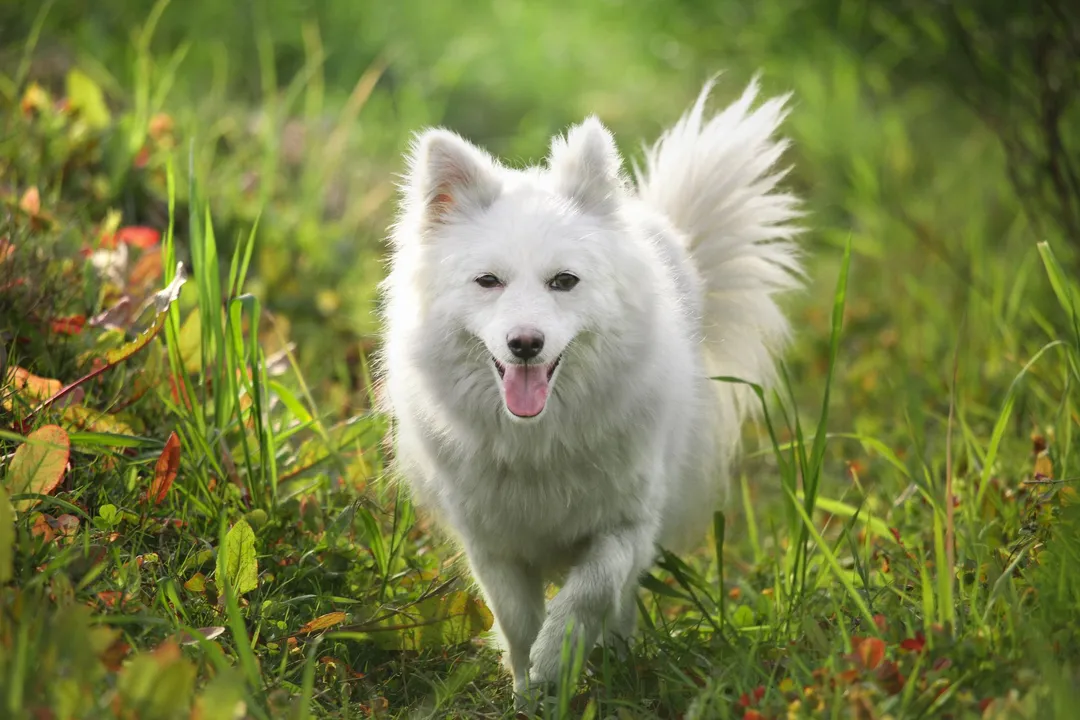
The term Spitz describes a collection of dog breeds defined more by their characteristic appearance and ancestral traits than by a single, universal breed registry category. These dogs often share striking similarities in structure, even when they vary dramatically in size, stemming from their development in cold northern climates or as ancient breeds. [1][2][5] When asking what category a Spitz falls into, the answer often depends on which organization—the American Kennel Club (AKC), the Fédération Cynologique Internationale (FCI), or the general public—is doing the classifying. [2][4] Generally, the Spitz designation points to a specific type of dog recognized by its distinctive features, such as a thick double coat, pointed muzzle, erect triangular ears, and a tail that curls up and over the back. [1][5]
# Type Definition
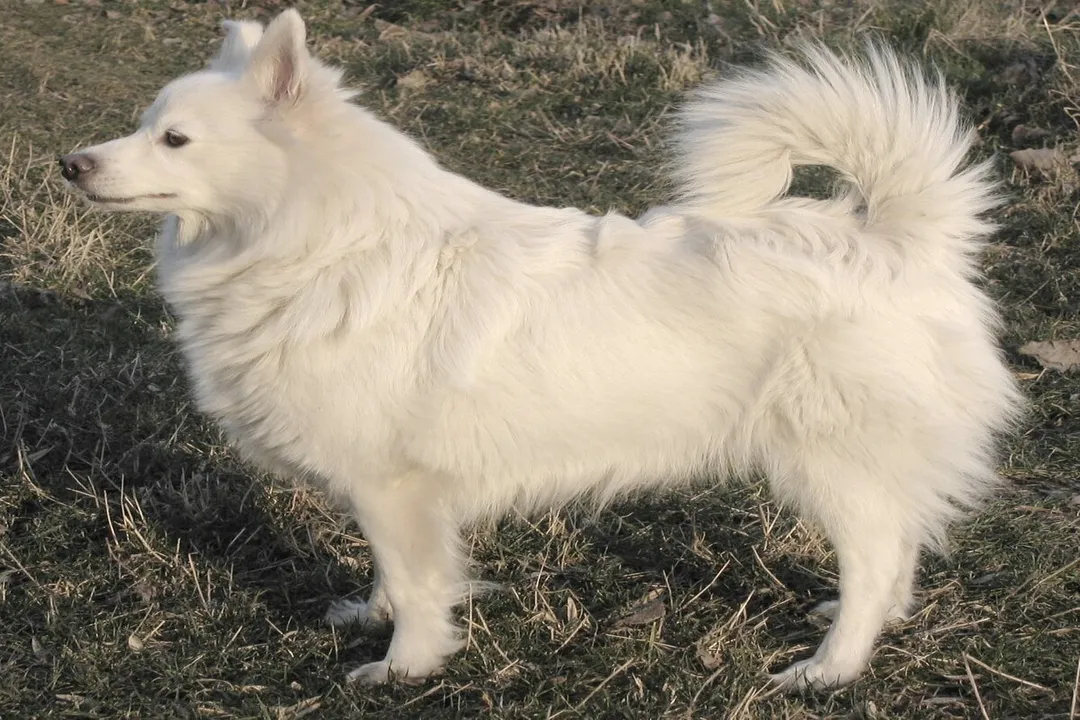
The essence of the Spitz category lies in these shared physical attributes, which historically served practical purposes, primarily insulation against harsh environments. [4] The double coat is key: a soft, dense undercoat provides warmth, while the longer, harsher outer coat repels water and dirt. [1] This morphology is seen across the spectrum, from the massive Alaskan Malamute to the diminutive Pomeranian. [2][3] While not a formal breed itself, "Spitz" acts as a descriptor for this ancient and pervasive canine phenotype. [3] Dogs labeled as Spitz are often considered some of the oldest dog types still existing, meaning their genetic history stretches back a long way before modern breed standardization. [4]
# Global Groupings
Different international organizations categorize these breeds in varied ways, leading to potential confusion if one only looks at one club's standards. The FCI, for instance, explicitly recognizes the category, placing the vast majority of these dogs into Group 5: Spitz and Primitive Types. [4] This grouping explicitly links the physical characteristics of the Spitz with ancient or primitive dogs that have undergone less recent modification by human selection. [4]
The AKC's approach is slightly different. While they recognize specific Spitz breeds like the German Spitz (which includes the Pomeranian as a size variety), [8] those breeds are often dispersed across different official groups based on their primary function in modern times. For example, breeds like the Samoyed often fall into the Working Group, while others might land in the Non-Sporting Group. [2] This contrast highlights that while the look is consistent, kennel clubs often sort by historical function over pure phenotype when organizing their lists. [2] A good way to view this is that all German Spitzes are Spitz-type dogs, but the AKC only recognizes the German Spitz breed formally within its structure. [9]
# Shared Appearance
Beyond the coat, ears, and tail, the head structure is often uniform across the type. Spitz breeds typically have a wedge-shaped head and a relatively short, often sharp muzzle. [1] Their eyes are usually dark, almond-shaped, and set obliquely, giving them an alert, intelligent expression. [5]
The significant variation within the Spitz type is size. We see breeds fitting into distinct size ranges:
| Size Range | Example Breed | Approximate Weight Range (General) |
|---|---|---|
| Giant/Large | Alaskan Malamute, Akita | Over 40 lbs [2] |
| Medium | Keeshond, Finnish Spitz | 20–40 lbs |
| Small/Toy | Pomeranian | Under 10 lbs [9] |
It is important to note that while the Pomeranian is classified separately today, it descends directly from larger German Spitz varieties, demonstrating how selective breeding can drastically alter size within the same general type. [9] The consistency in ear carriage (erect) and tail set (curled over the back) remains a strong unifying factor across these size differences. [1]
# Breed Examples
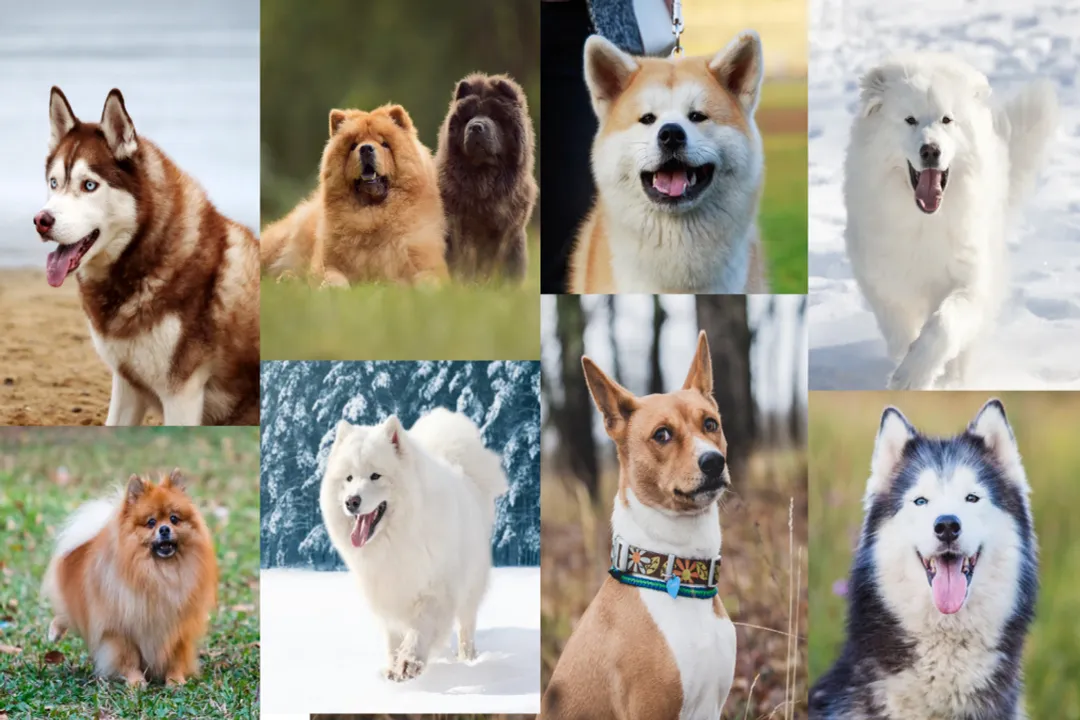
The family of Spitz dogs is extensive and global. The Nordic countries contribute several well-known members, such as the Samoyed, famous for its white coat and "Sammy smile," and various sled dogs like the Alaskan Malamute. [2] Asia boasts incredibly ancient representatives, including the Akita and the small, agile Shiba Inu. [1]
In Europe, the Keeshond (or German Spitz Wolfspitz) represents a medium-sized guarding type, while the Pomeranian exemplifies the miniaturization trend. [3][9] The German Spitz itself is recognized in several size classes by German standards, ranging from Wolfspitz down to the smallest Pomeranian size, although the AKC recognizes the German Spitz breed separately from the Pomeranian. [8][9] This range shows that the Spitz classification successfully covers many working, companion, and primitive dogs from vastly different geographic regions. [1]

# Ownership Considerations
Owning a Spitz type dog usually means committing to substantial grooming requirements due to that characteristic double coat. However, understanding the why behind the coat can change how an owner approaches maintenance. Because many Spitz breeds were developed to withstand extreme cold, their coats are designed to insulate them against both heat and cold by trapping air—shaving them is often detrimental to their natural temperature regulation. [4]
When considering a Spitz, potential owners should weigh the intensity of grooming against the breed's inherent personality. While they are intelligent, their primitive heritage means they often possess an independent streak or a strong prey drive, depending on their original purpose (e.g., herding vs. hunting vs. sledding). [4] This independence sometimes translates into a stubbornness that requires consistent, positive training methods rather than rote obedience drilled into other groups. For instance, owners of a Shiba Inu might find their dog less overtly eager to please than an owner of a modern working breed, yet both share the classic Spitz structure. [1]
This distinction between ancient working lineage and modern companionship roles is an insightful point for prospective owners. A Malamute needs rigorous physical and mental output aligned with its working history, while a Pomeranian needs mental stimulation appropriate for its smaller frame but can still display that characteristic self-assured Spitz confidence. Looking closely at the breed's history—whether they were used for guiding reindeer, watching the homestead, or simply keeping noble laps warm—gives a much better prediction of their daily needs than simply grouping them under the "Spitz" umbrella alone. [4]
For practical management, especially concerning shedding, one valuable tip for new Spitz owners involves understanding the "coat blow." Unlike breeds that shed steadily year-round, many true Arctic Spitzes experience one or two massive, intense shedding periods annually when they "blow" their undercoat. During these times, specialized tools like undercoat rakes become essential equipment, and the owner needs to dedicate significantly more time to brushing—often daily for several weeks—to prevent matting as the dense undercoat comes out in sheets. Ignoring this seasonal event can lead to skin issues because the dead hair traps heat and moisture close to the skin. [1]
# Ancient Roots
The close association between Spitz dogs and "primitive types" in kennel club classifications points to their deep ancestry. [4] These are dogs whose traits have remained relatively unchanged over centuries, often serving humans in challenging, remote locations before the era of widespread international dog shows and formalized breed clubs. [4] This deep historical connection means that the instincts driving a Spitz might feel closer to their wilder ancestors than those in breeds developed strictly within the last hundred years for specific show ring standards. Recognizing this ancient pedigree helps owners appreciate the dog's natural tendencies toward alertness, vocalization (often high-pitched barking), and self-reliance. [5]
Related Questions
#Citations
Spitz - Wikipedia
Get to Know the Spectacular Spitz Breeds - American Kennel Club
Explore 40 Spitz Breeds: Unique Traits and Origins of Spitz Dogs
Group 5 : Spitz and primitive types - the FCI
Spitz - Meaning, Characteristics, Types and FAQs - Vedantu
[Discussion] Weekend: Spitz breeds : r/dogs - Reddit
Behind the Breed: Spitz Classification
German Spitz vs Pomeranian Differences Explained in Detail