Is a West African green mamba poisonous?
The classification of the West African green mamba—whether it is poisonous or venomous—is the first key point that needs clarification, as the terms are frequently confused in common language. When discussing snakes like this formidable reptile, the precise scientific term is venomous, not poisonous. Poison implies harm through ingestion or absorption through the skin, like swallowing certain mushrooms or touching toxic plants. A venomous creature, however, actively injects its toxic substance, known as venom, into its victim, typically through specialized fangs during a bite. The Dendroaspis viridis, or Western green mamba, falls squarely into this latter category: a highly venomous serpent whose danger lies entirely in its ability to strike and inject its complex cocktail of toxins. Understanding this distinction sets the stage for appreciating the true nature of this elusive African inhabitant.
# Green Identity
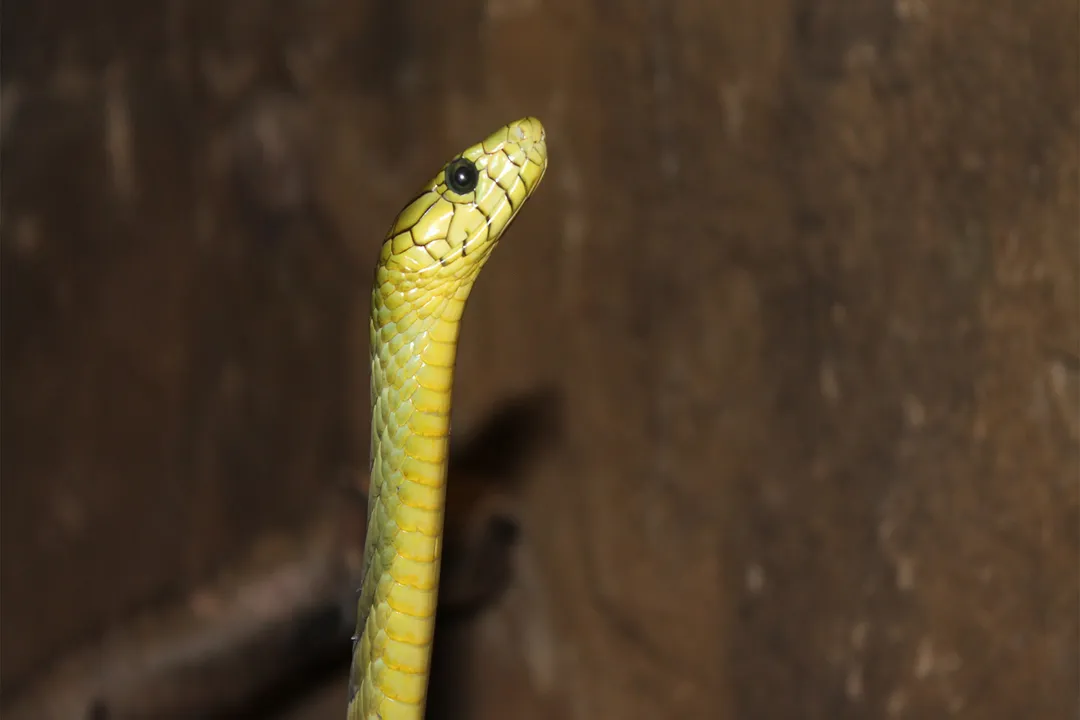
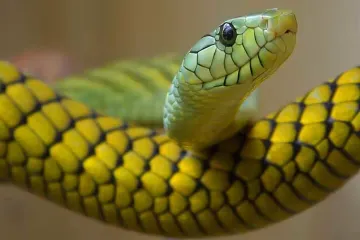
The appearance of the Western green mamba immediately distinguishes it, often causing confusion with its more infamous cousin, the Black mamba. Unlike the typically drab brown or grey snakes found on the forest floor, Dendroaspis viridis is famous for its striking, uniform bright green coloration. This verdant hue is not merely a decorative feature; it serves as near-perfect camouflage within the dense, upper canopy of the tropical forests it calls home.
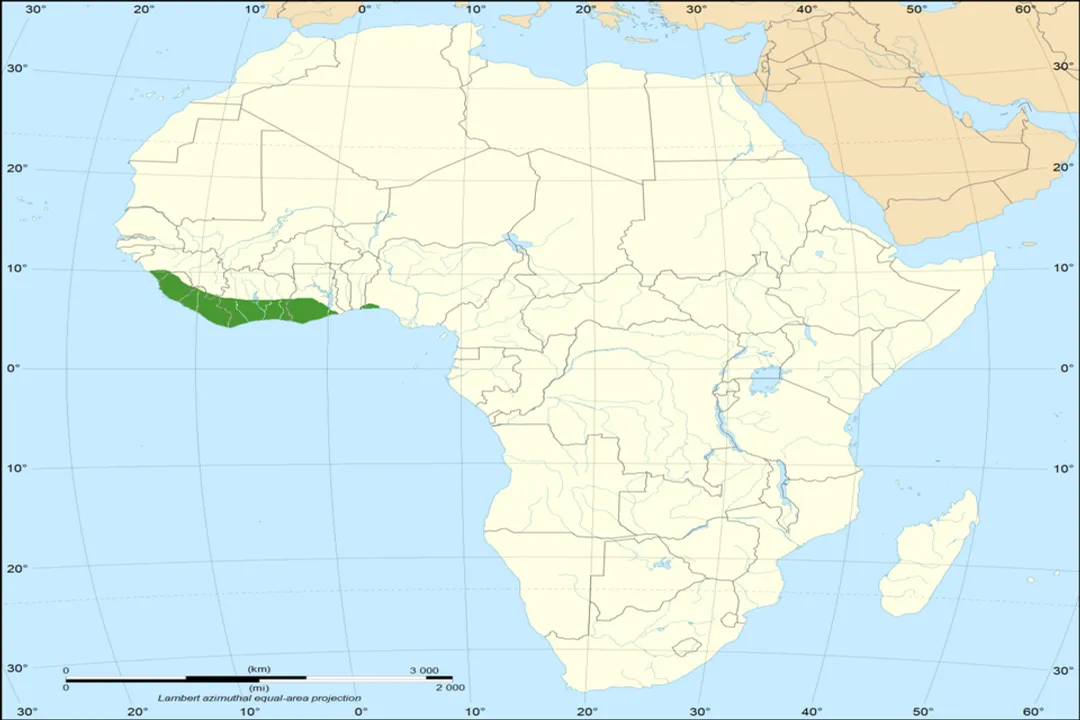
This species is classified scientifically within the Elapidae family, a group that includes cobras and kraits, all characterized by having fixed front fangs. Its scientific designation is Dendroaspis viridis. While it shares the genus Dendroaspis with the Black mamba (Dendroaspis polylepis), the Western green mamba generally maintains a more modest stature. Adults typically reach lengths of around 1.5 to 2 meters, though specimens exceeding 2 meters have been recorded. Its slender, agile body is perfectly adapted for an arboreal existence. If you were tracking its location, you would be looking in the trees rather than on the ground, as its preferred habitat is the canopy of forests across West Africa. The distribution map for this species covers areas spanning from western Senegal down to Ghana.
The contrast in colouration between the green mamba and other regional snakes is a fascinating adaptation strategy. While many dangerous snakes rely on disruptive patterns or dull earth tones for ground-level concealment, the Western green mamba's specialized green allows it to effectively disappear among the leaves high above the forest floor. This arboreal lifestyle means that human encounters are generally less frequent than with terrestrial species, provided one does not venture directly into their domain.
# Venom Potency

The critical question revolves around the actual threat posed by its venom. To be direct, the venom of the Western green mamba is indeed extremely potent. It is considered highly dangerous, primarily because its toxins affect the nervous system.
The venom is rich in neurotoxins, which are substances that specifically target and interfere with nerve function. When injected, these toxins rapidly block the signals sent between nerves and muscles. The medical outcome is progressive paralysis. If a significant amount of venom is delivered, and proper medical intervention—namely the administration of specific antivenom—is not received promptly, the paralysis can quickly affect the respiratory muscles, leading to respiratory failure and death.
It is important to note that while often grouped with the deadly Black mamba, which has a fearsome reputation partly due to its large venom yield and aggressive defence, the Western green mamba’s venom is also considered highly toxic. The general consensus among herpetologists and medical professionals monitoring snakebites in the region is that any bite from a green mamba must be treated as a severe medical emergency. Reports from areas where these snakes occur emphasize the seriousness of the bite, often highlighting the necessity of antivenom for survival.
Consider the sheer speed of onset that can be associated with neurotoxic venoms. While the exact symptoms and fatality rates depend on factors like the size of the person bitten, the amount of venom injected (the "venom yield"), and the time to treatment, the fundamental danger remains the speed at which neurological function degrades. For general readers interested in African wildlife, the takeaway is this: these snakes are not aggressive hunters of humans, but their bite carries a swift and profound systemic danger due to the neurotoxic composition of their venom.
# Arboreal Habits
The lifestyle of Dendroaspis viridis dictates much about its interaction with the world outside its forest home. As noted, they are predominantly arboreal, meaning they spend the vast majority of their lives in trees and dense thickets. This behaviour is a direct reflection of their camouflage strategy and hunting preference, as they prey on birds and tree-dwelling small mammals.
This natural preference means that while they inhabit the forests of West Africa, direct, intentional human encounters in their daily lives are relatively rare compared to ground-dwelling species that might wander near villages or farms. A bite is most likely to occur when the snake feels threatened in its elevated position, perhaps if someone climbs a tree they are resting in, or if the snake is disturbed while crossing open ground, which they do occasionally for foraging or moving between feeding sites.
Observing how they move offers insight into their elusiveness. They are known for being graceful and swift when navigating the branches. This agility, combined with their colour, makes them difficult to spot even when one is actively looking in the correct environment.
One observation often overlooked when comparing arboreal versus terrestrial snakes involves the immediate aftermath of a bite. If an arboreal snake bites someone on the ground, the primary concern is rapid transport for antivenom. However, if a bite were to occur while the snake was high in a tree, the immediate risk is compounded by the potential for the victim to fall due to shock, disorientation, or muscle weakness induced by the venom before they can safely descend or receive aid. This adds a layer of logistical complexity to any emergency response scenario involving canopy-dwelling venomous snakes.
# Public Perception and Incidents
Despite their relatively confined habitat compared to snakes found across entire continents, the reputation of mambas, in general, precedes them, often fueled by dramatic reports when they appear outside their normal range. For instance, an incident involving a green mamba loose in the Netherlands—a country where it certainly does not belong naturally—demonstrates the immediate high alert such a snake can trigger, even in non-native regions. Police warnings during such escapes emphasize the extreme danger associated with the snake’s venom.
This fear is rooted in historical and ongoing medical realities in regions where they are endemic. The danger perceived by local populations in West Africa is very real, and the potential for severe envenomation drives the need for appropriate medical preparedness. While detailed epidemiological data specific only to D. viridis can be difficult to isolate from broader regional snakebite statistics, the Dendroaspis genus carries a universal weight of seriousness.
When we look at public reporting, there's often a conflation of symptoms or species, but the consistent thread across accounts, even informal ones shared on platforms dedicated to herpetology enthusiasts, is the respect given to any mamba bite. This isn't necessarily about aggression; rather, it's about respecting the evolutionary perfection of their defensive mechanism. A snake does not seek to bite humans; it bites when it perceives an existential threat, and the consequences of that perceived threat are severe. The sheer potency means that even a "dry bite" (a bite where no venom is injected) is usually accompanied by the trauma of the strike and the need for monitoring, followed by the certainty of antivenom administration if venom was deployed.
# Comparative Danger Analysis
To fully grasp the threat level, it is useful to compare the Western green mamba (D. viridis) with its more famous relative, the Black mamba (Dendroaspis polylepis). While both are neurotoxic and deadly, differences in habitat, temperament, and potential venom yield influence their practical danger profiles.
| Feature | Western Green Mamba (D. viridis) | Black Mamba (D. polylepis) |
|---|---|---|
| Primary Habitat | Arboreal, dense forest canopy | Terrestrial and arboreal, often open woodlands |
| Colour | Bright green | Brown to olive grey (not black) |
| Temperament | Generally more reclusive and arboreal | Known for defensive aggression when cornered |
| Venom | Highly neurotoxic, causes paralysis | Highly neurotoxic, rapid onset |
Another analytical point often missed when focusing only on the venom itself relates to antivenom efficacy across the genus. In areas where both species occur, medical protocols must account for the genus-specific antivenoms available. The fact that antivenom exists and is recognized as the essential treatment underscores the severity of the envenomation, as mild or purely cytotoxic bites might not always necessitate such specialized treatment. Ensuring rapid access to the correct antivenom is the single most important action following a confirmed bite from D. viridis.
Furthermore, it is worth considering the evolutionary pressure that maintains such a high level of toxicity. For a predator that primarily hunts birds and small mammals high in the canopy, ensuring that a successful strike incapacitates the prey quickly—preventing it from falling out of reach or escaping—is paramount to hunting success. This evolutionary success in prey capture translates directly into the high danger level for humans who are unlucky enough to be bitten. The venom is designed for fast, efficient shutdown of the motor system, a trait that serves the snake well in its natural niche but makes it so medically significant to us.
# Conservation Status and Human Interface
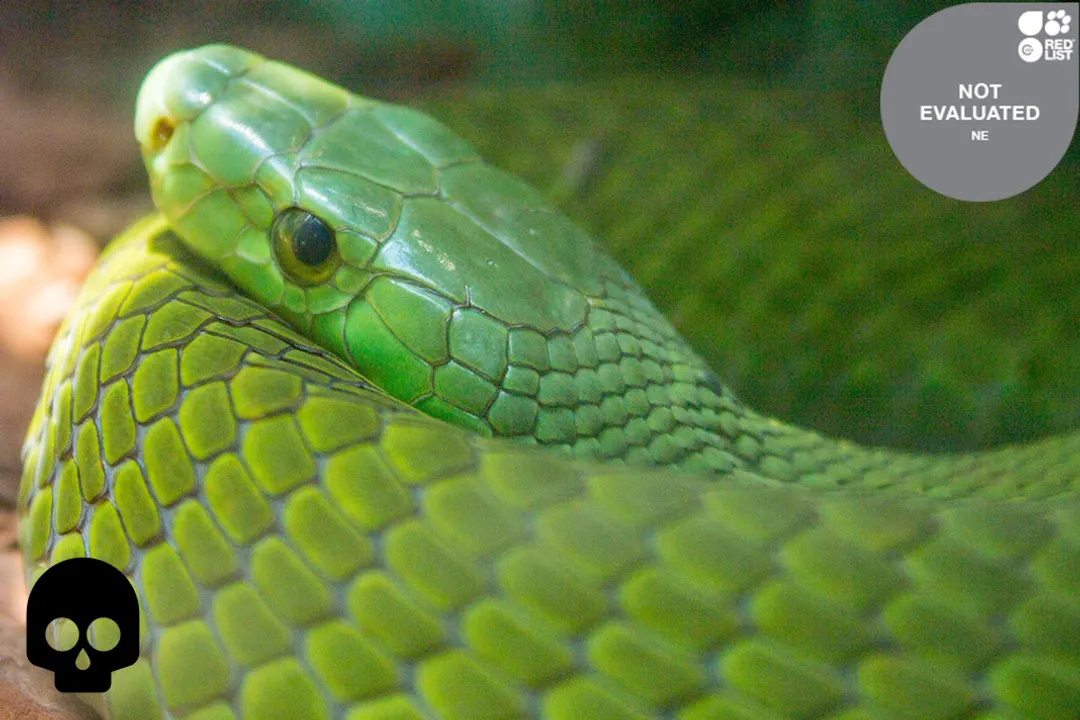
While much focus is rightly placed on the danger posed by the venom, understanding the species' conservation status provides necessary context for human interaction. The Western green mamba is often listed with a conservation status indicating that it is Not Evaluated or otherwise not currently deemed globally threatened by major bodies, though localized population pressures from habitat loss are always a concern for specialized forest dwellers.
The primary interface between humans and this snake is usually mediated by accidental intrusion into its habitat. Unlike some snakes that thrive near human settlements due to agricultural pests (like rodents), the green mamba is intrinsically linked to the mature forest structure. As West African forests face increasing pressure, the spatial overlap between humans and this mamba may shift, potentially bringing them into contact more frequently, even if the snake remains in the trees.
For communities living near these forests, awareness of the snake’s arboreal nature can influence behaviour. For instance, local knowledge regarding which trees are commonly used for foraging or shelter by the mamba could inform decisions about where to safely gather wood or fruit. While external advice cannot replace local wisdom, integrating the knowledge that the snake is typically high up, rather than slithering on a path, can reduce panic and guide safer decision-making when working in the bush.
Ultimately, the existence of the Dendroaspis viridis serves as a powerful reminder of the potent biodiversity held within West African ecosystems. Its venom is a biochemical marvel, highly effective for its biological role, and medically significant for humans. While it is certainly not "poisonous," it is unequivocally one of the most dangerously venomous snakes in its native range, deserving of respect, caution, and distance.
#Videos
Deadly venomous Western green mamba from West Africa - YouTube
Related Questions
#Citations
Western green mamba - Wikipedia
Deadly venomous Western green mamba from West Africa - YouTube
The Green Mamba - African Snakebite Institute
West African Green Mamba Attraction | Central Florida Zoo Animals
GREEN MAMBA – National Zoological Garden, Pretoria
Western Green Mamba - Eswatini Antivenom Foundation
Green mamba vs black mamba defense and venom potency
Police warn residents to stay indoors after "extremely venomous ...
Western Green Mamba (Dendroaspis viridis) - iNaturalist