How venomous is a Western Green Mamba?
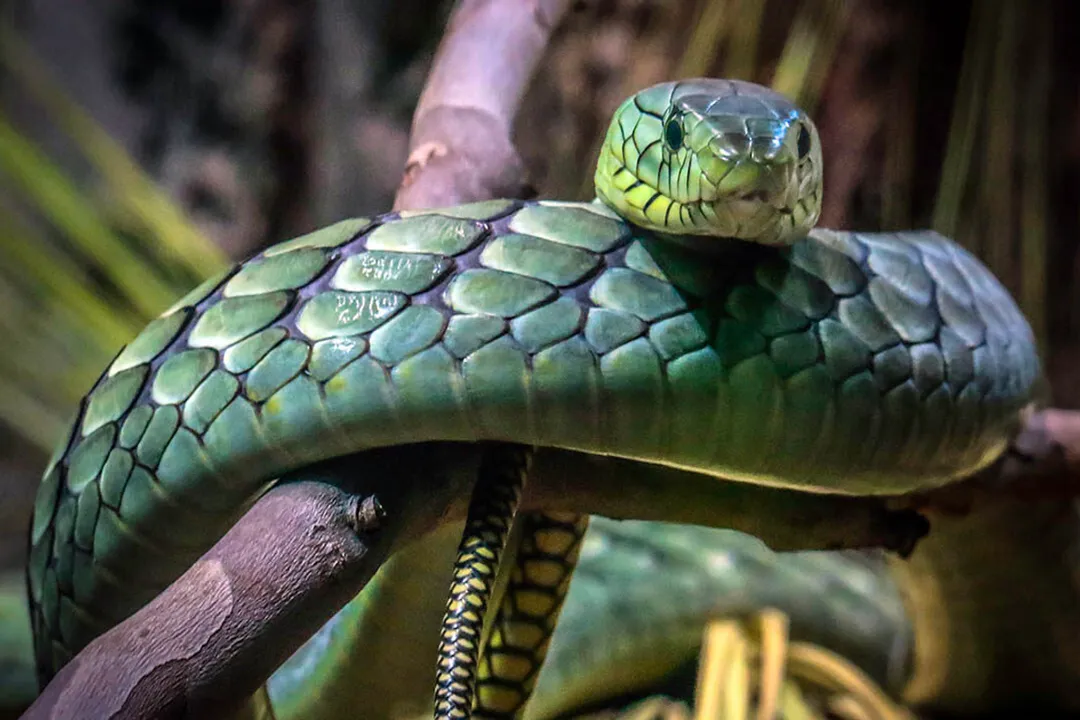
The Western Green Mamba, scientifically designated Dendroaspis viridis, possesses venom that demands extreme respect, placing it firmly in the category of medically significant snakes, even if it doesn't carry the same widespread notoriety as its close relative, the Black Mamba. Understanding its toxicity requires looking closely at the composition of its venom and how it compares across the mamba family.
# Venom Profile
The primary danger inherent in a bite from the Western Green Mamba lies in the composition of its toxic cocktail. The venom is predominantly neurotoxic. This classification means the toxins specifically target the nervous system. When injected, these complex proteins interfere with the normal transmission of nerve signals, a process that can rapidly lead to severe systemic effects.
While the exact relative potency when compared directly to other Dendroaspis species can vary depending on the study and the specific venom sample, the consensus among medical and herpetological sources is clear: the venom is highly toxic. The neurological disruption often manifests as muscle weakness, progressing potentially to the paralysis of voluntary muscles, including the diaphragm, making respiratory failure a primary life threat following a serious envenomation.
# Toxicity Comparisons
It is common to compare the Western Green Mamba to the Eastern Green Mamba (D. angusticeps) and the formidable Black Mamba (D. polylepis). Generally, the two green mambas are often perceived as being slightly less prone to aggression or perhaps delivering smaller venom yields in defensive bites compared to the Black Mamba. However, this relative difference should not translate into complacency. The Eastern Green Mamba is often cited as possessing a slightly more potent venom than its Western cousin, but both remain dangerous.
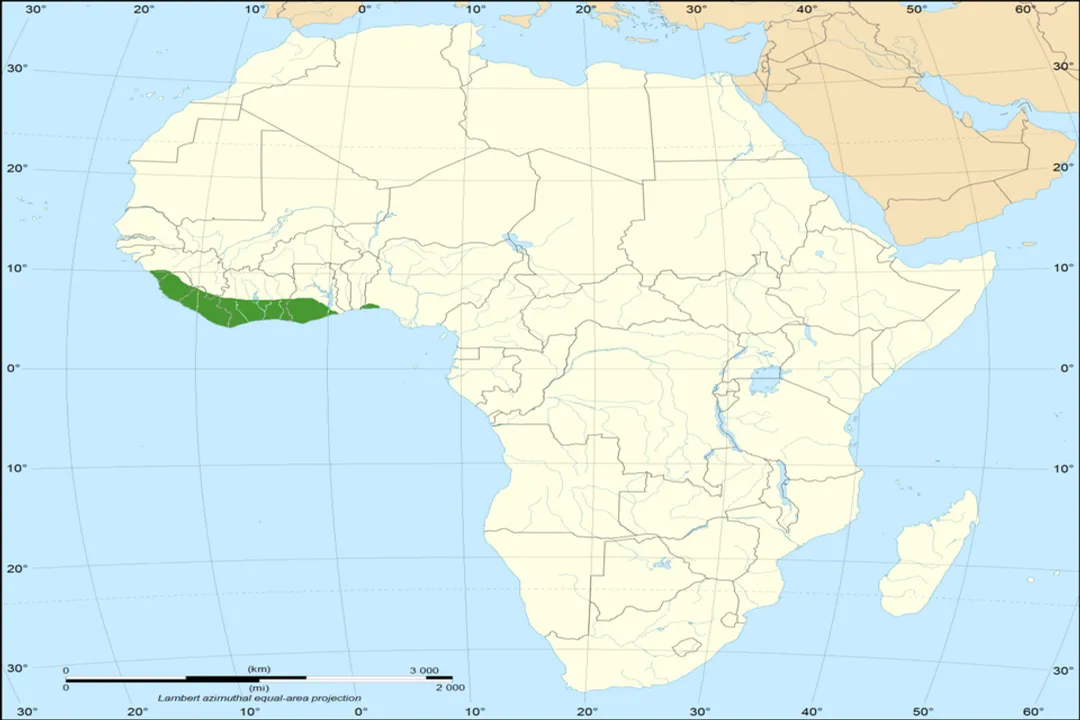
The key distinction for a reader in West Africa, where D. viridis resides, is that while the snake may be naturally more inclined to retreat than aggressively confront a perceived threat, a bite is still considered a serious medical emergency. The arboreal nature of the snake means encounters often happen when individuals are working in trees or near dense canopy, which can lead to a surprise interaction and a fast envenomation event. Given that the Western Green Mamba’s range is specific to West Africa, stretching from Guinea-Bissau through countries like Ghana and Togo, the availability and proximity of specialized medical treatment utilizing appropriate Dendroaspis antivenom become a defining factor in patient outcomes. It is an interesting point that in regions where specialized care is sparse, even a marginally less potent venom load becomes exponentially more dangerous due to the delay in administering life-saving antivenom.
# Habitat and Behavior
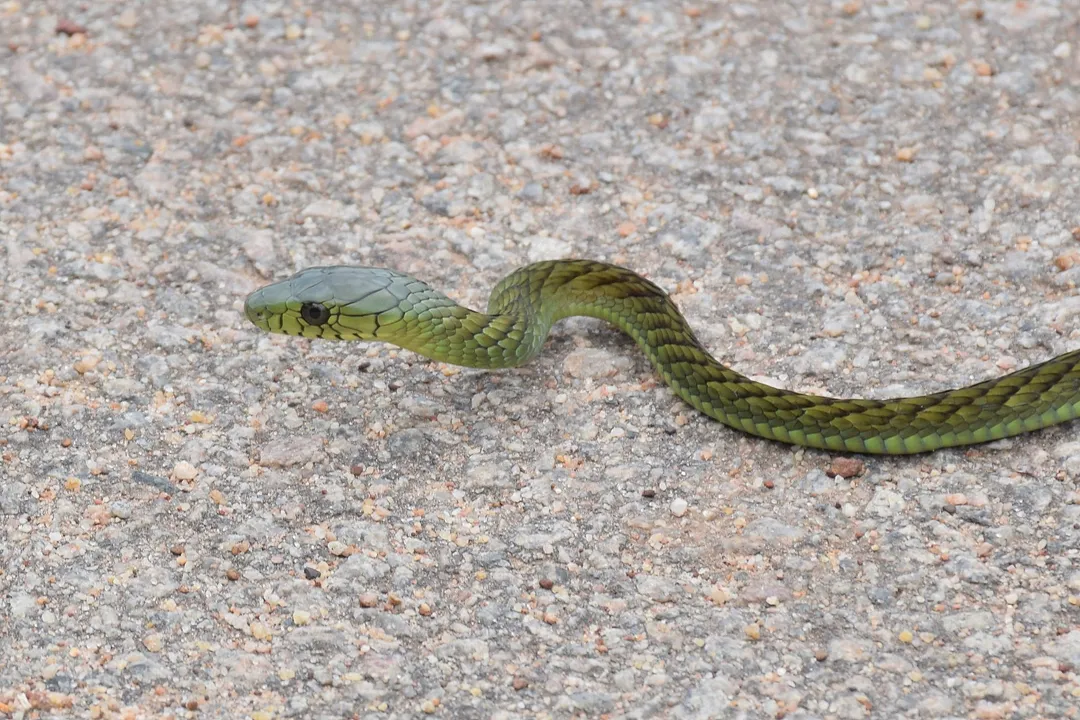
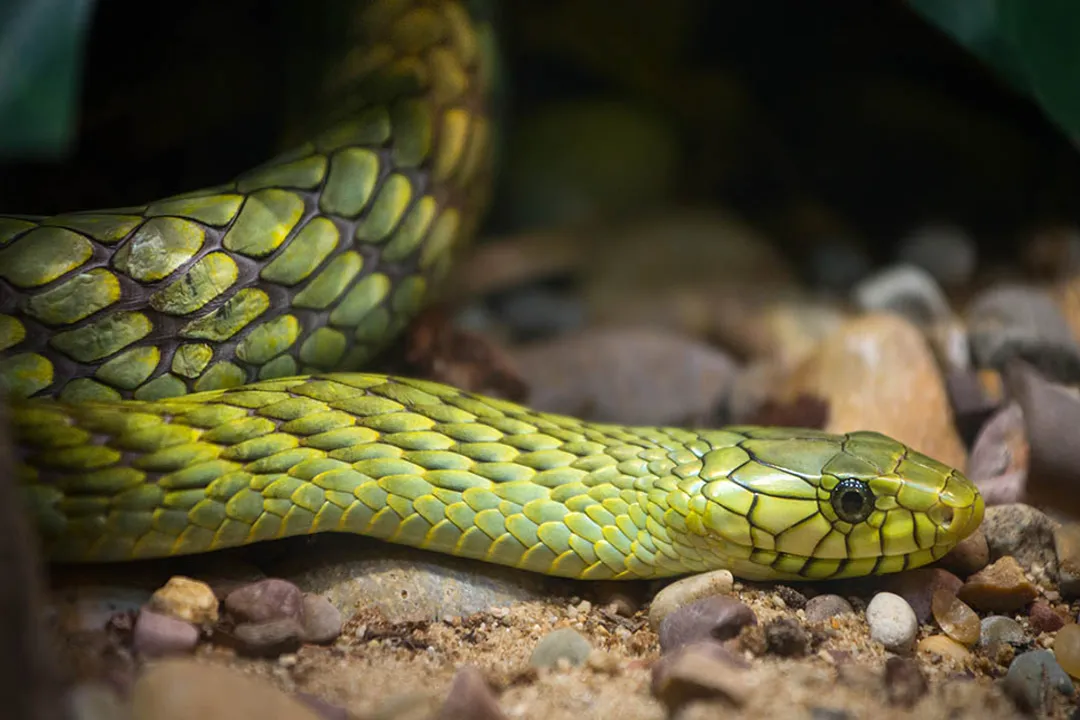
The natural history of Dendroaspis viridis contributes to understanding bite risk. It is predominantly an arboreal species, meaning it spends the vast majority of its time in trees. Its coloring—a vibrant greenish-yellow—provides excellent camouflage within the leafy canopy of its West African forest and woodland habitat.
While they are known to be fast and nervous snakes, they are not typically sought out by humans, as their preference for the canopy keeps them away from ground-level human activity most of the time. Encounters are more likely with farmers, arborists, or those near forested edges. When threatened, their primary instinct is to flee quickly into the foliage, which is often why bites only occur when the snake feels trapped or is handled directly.
# Clinical Response Needed
A bite from a Western Green Mamba necessitates immediate, professional medical intervention. There is no room for home remedies or waiting to see if symptoms develop. As the venom is fast-acting and neurotoxic, supportive care aimed at managing the respiratory system is often critical.
Medical facilities treating suspected envenomation must be prepared to administer antivenom specifically designed to neutralize Dendroaspis toxins. The appropriate treatment usually involves a polyvalent antivenom or one specifically manufactured against the venom of the Dendroaspis genus. Effective management hinges on the prompt recognition of the neurological symptoms that follow envenomation.
# Keeper Insights
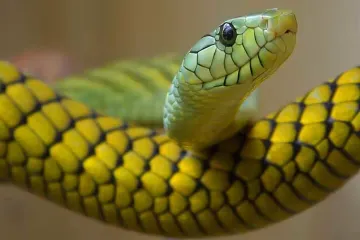
Within communities that keep venomous reptiles under professional or experienced care, insights into temperament are often shared. Western Green Mambas in captivity are frequently described as highly alert and notably nervous animals. This nervous energy translates into incredible speed when they choose to move. Those handling these snakes in controlled settings often note that while they are visually stunning specimens—a beautiful blend of green and yellow scaling—their defensive response, when triggered, is swift and decisive. This behavioral assessment, derived from keepers who work closely with the species, reinforces the general understanding that these snakes are best observed from a distance and never provoked.
When considering the risks associated with any potent elapid, managing the physical state of the victim immediately following the incident is paramount. Given the speed at which the neurotoxins circulate and begin to compromise motor function, a critical, often overlooked step in the immediate first aid phase involves minimizing physical exertion. While rapid transport to a hospital is the absolute goal, if there is any delay, ensuring the victim remains as still and calm as possible is essential, as increased heart rate and physical activity will only serve to accelerate the systemic distribution of the neurotoxic compounds throughout the body.
#Videos
Deadly venomous Western green mamba from West Africa - YouTube
Related Questions
#Citations
Western green mamba - Wikipedia
Deadly venomous Western green mamba from West Africa - YouTube
USCBB Western green mamba (Dendroaspis viridis) - Reddit
The Green Mamba - African Snakebite Institute
How venomous is the western green mamba? - Quora
Green mamba vs black mamba defense and venom potency
Western Green Mamba - Eswatini Antivenom Foundation
Green Mamba - Los Angeles Zoo and Botanical Gardens