West Highland Terrier Evolution
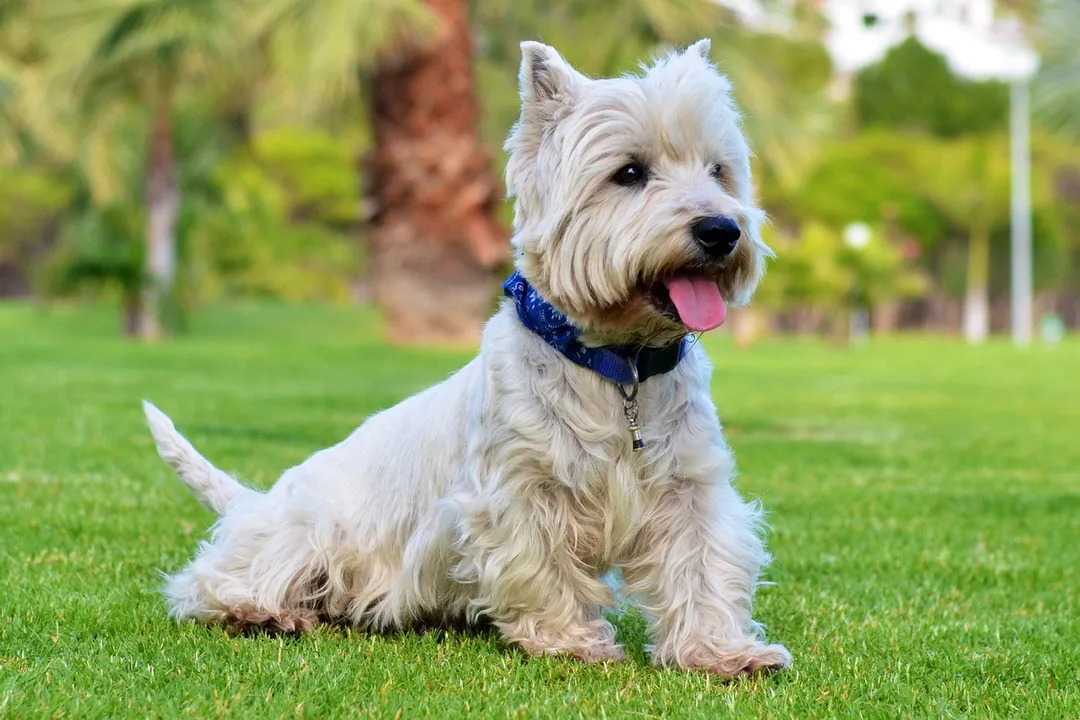
The little white dog that graces so many calendars and households today possesses a history forged in the rugged, windswept terrain of Western Scotland. The West Highland White Terrier, or Westie, is instantly recognizable by its snowy coat and lively expression, but this appearance belies centuries of hard work as a determined hunter in one of the world's most demanding environments. [5][6] Understanding the evolution of the Westie means tracing a line from a functional vermin controller to a beloved companion animal, a journey marked by deliberate selection and a few crucial, color-defining accidents.
# Scottish Origins
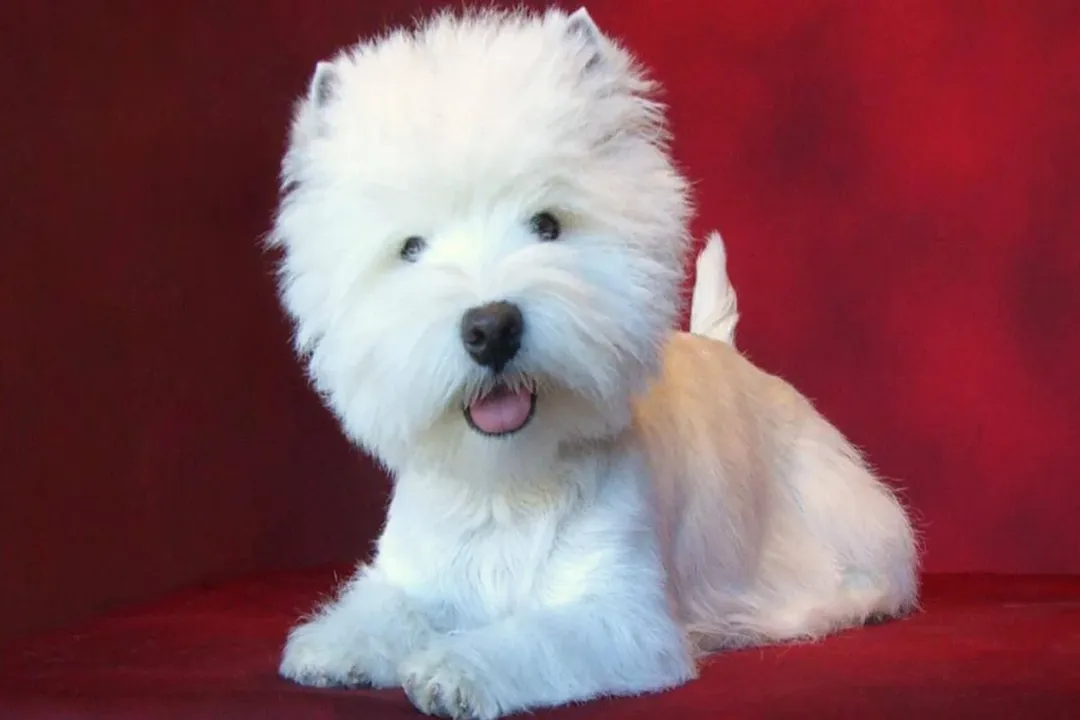
The lineage of the Westie is deeply intertwined with the history of the small terriers native to the Scottish Highlands and Islands. [1][5] These dogs were essential tools for landowners and farmers, tasked with guarding livestock and, more importantly, controlling populations of vermin such as foxes, badgers, and rats that threatened crops and game reserves. [5][6] The breed belongs to the larger family of Scottish terriers, which also includes the Cairn, Scottie, and Skye Terriers. [1]
Initially, the white Westie was not a separate breed but rather a variation found within the general pool of local terriers, which varied widely in color, including shades of black, grey, red, and brindle. [1] They needed to be small enough to follow quarry into narrow dens but tough enough to survive harsh weather and confront dangerous animals underground. [7] Their build favored tenacity and nerve over massive size. [6]
# Color Selection
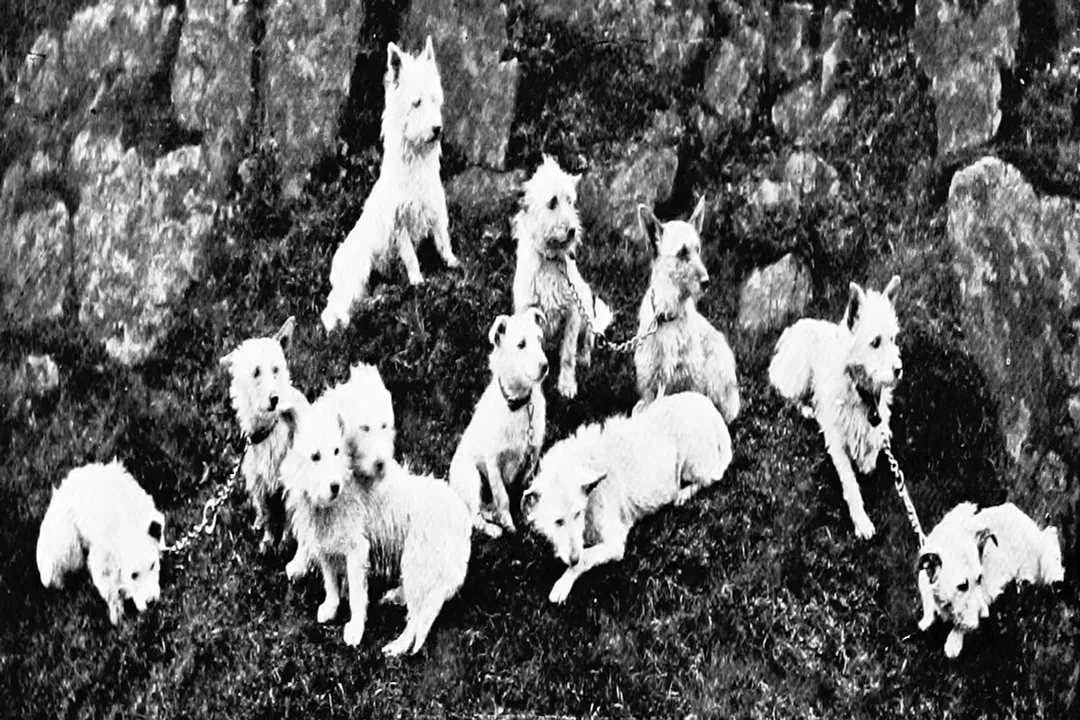
The defining characteristic of the modern Westie—its pure white coat—is a relatively recent development in its long history, stemming from a necessity born of tragedy. [1] For a long time, the color of the terrier mattered far less than its performance in the field. [4] However, an incident, often attributed to Colonel Edward Donald Malcolm of Poltalloch, proved to be the turning point. [1][5]
Colonel Malcolm, a significant figure in the breed's development, reportedly lost several of his dark-colored terriers because they were mistaken for foxes by his hunting party, who then shot them accidentally. [1] Following this unfortunate event, Malcolm committed to breeding only white dogs. [5] This decision was practical; a white dog could be easily distinguished from its quarry against the brown and grey landscape of the Highlands, ensuring the safety of the working terrier. [1][4] Over time, this preference cemented the white coat as the breed standard, moving away from the multi-colored origins. [1]
# Standardizing Form
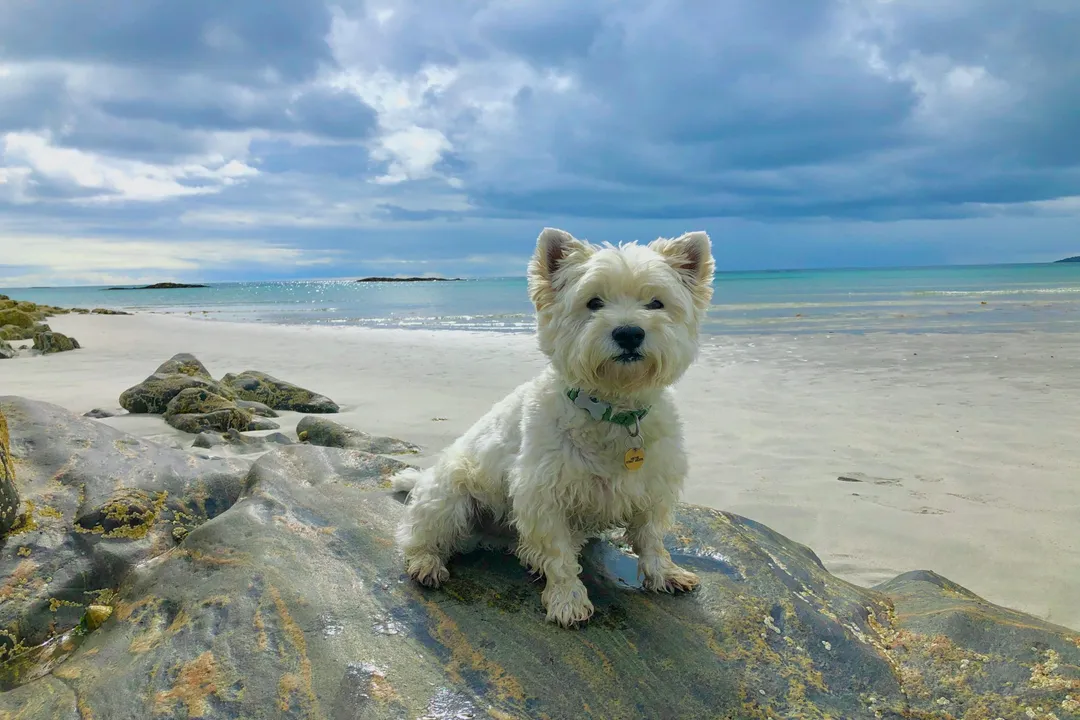
While Colonel Malcolm was instrumental in fixing the white color, the official separation and refinement of the West Highland White Terrier as a distinct breed took time and the collaboration of other dedicated breeders. [1] By the early 20th century, the need to differentiate the white dog from the Cairn Terrier, which shared much of the same ancestry, became apparent. [1]
The establishment of a formal breed club and written standard marked the transition from a loose type to a recognized entity. Early shows helped solidify the desired conformation. This process involved favoring specific structural traits that supported the working role while simultaneously shaping the dog’s appearance to meet new aesthetic criteria. [4]
Consider the physical differences that arose from this standardization. A dog bred purely for tenacity underground might have slightly shorter legs or a heavier bone structure than one bred to meet specific conformation requirements in the ring. [4] The focus shifted slightly from can he catch a fox to does he look like the ideal terrier while still possessing the necessary drive. A good working terrier requires a harsh, weather-resistant double coat to shed water and dirt effectively; the modern show grooming regimen, while beautiful, is a far cry from the simple maintenance required of a dog that simply shakes off the damp earth of the Highlands and goes back to work.
# Temperament Inheritance
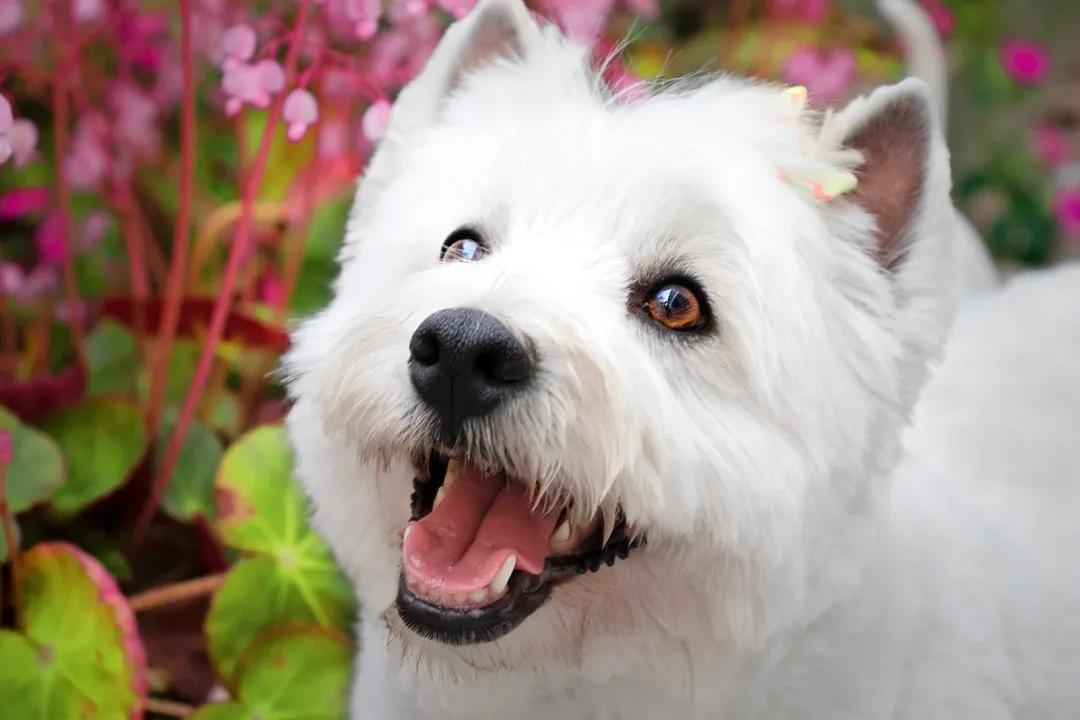
The evolution of the Westie isn't just visible in its coat or body structure; it is deeply embedded in its personality. [7] The very essence of the terrier group—boldness, independence, and an alert nature—was selected for because these dogs needed to operate effectively without constant direction deep underground. [7][6] They had to be confident enough to confront dangerous quarry alone. [7]
This inherent self-reliance and spirited nature translate directly to the modern Westie. [7] They remain remarkably confident, often displaying an air of self-importance disproportionate to their size. [2][7] If we look at the standard weight requirement, typically keeping them under twenty pounds, [6] it's fascinating how the modern Westie maintains the physical presence and self-assurance of a much larger dog, a behavioral trait likely reinforced by their initial selection for tenacity over sheer bulk when working in confined spaces. This drive means they require mental stimulation; an unchallenged Westie can easily revert to behaviors driven by their deep-seated hunting instincts, such as excessive digging or determined pursuit of small animals. [7]
# Modern Role Transition
The 20th century saw the Westie increasingly move from the sheep pen and the grouse moor to the drawing room, a transition common among many terrier breeds. [3] As agricultural practices changed and the need for pest control became less localized to estates, the Westie's primary role shifted toward being a family companion. [2]
This change in environment affects how breeders approach the type. While the breed club standards rigorously maintain the requirements for the correct terrier temperament—they must be charming but also spirited—the day-to-day reality of the dog is less about facing a badger and more about interacting with children or neighbors. [7] Today, breed enthusiasts are constantly balancing the need to preserve the hardy constitution and independent spirit that made the Westie successful in the first place, against the demands of a domestic setting. [3]
For the contemporary owner, recognizing this dual heritage is key to responsible ownership. It means understanding that the cheerful, fluffy appearance often marketed to new owners masks a tenacious little earth dog. To keep this breed happy and well-adjusted, owners should substitute the need for earthwork with structured training, brisk walks, and engaging puzzle toys that tap into that inherent need to investigate and solve problems, channeling that historical focus into constructive play rather than destructive digging in the backyard. [7]
# Preserving Purity
The lineage of the West Highland White Terrier continues to be managed through kennel clubs globally, ensuring that future generations possess the defining traits of the breed. [1] The consistent appearance and temperament are maintained through adherence to the established breed standard, which dictates everything from the required texture of the coat to the placement of the ears. [4]
It is the dedication of breeders across generations that allows us to look at a Westie today and see a direct, if refined, descendant of those determined little dogs working in the Scottish Highlands centuries ago. The evolution wasn't a sudden jump but a gradual honing—first selecting for color survival, then for conformation in the show ring, all while retaining the core tenacity that defined their original purpose. [1][5] This successful melding of working heritage and companion suitability is what secures the Westie's enduring popularity.
Related Questions
#Citations
Brief History of the Westie
West Highland White Terrier origins and history - Westie Life
West Highland White Terrier Origin - K9 Magazine
The West Highland White Terrier: Looking Beyond the Grooming
The History and Origin of the Westie: A Comprehensive Look
West Highland White Terrier | Facts and Information - VioVet
Understanding West Highland White Terrier Personality Traits
Dog Breeds Today Vs 100 Years Ago - Pinterest
Evolution of West Highland White Terrier presentation - Facebook