Wire Fox Terrier Evolution
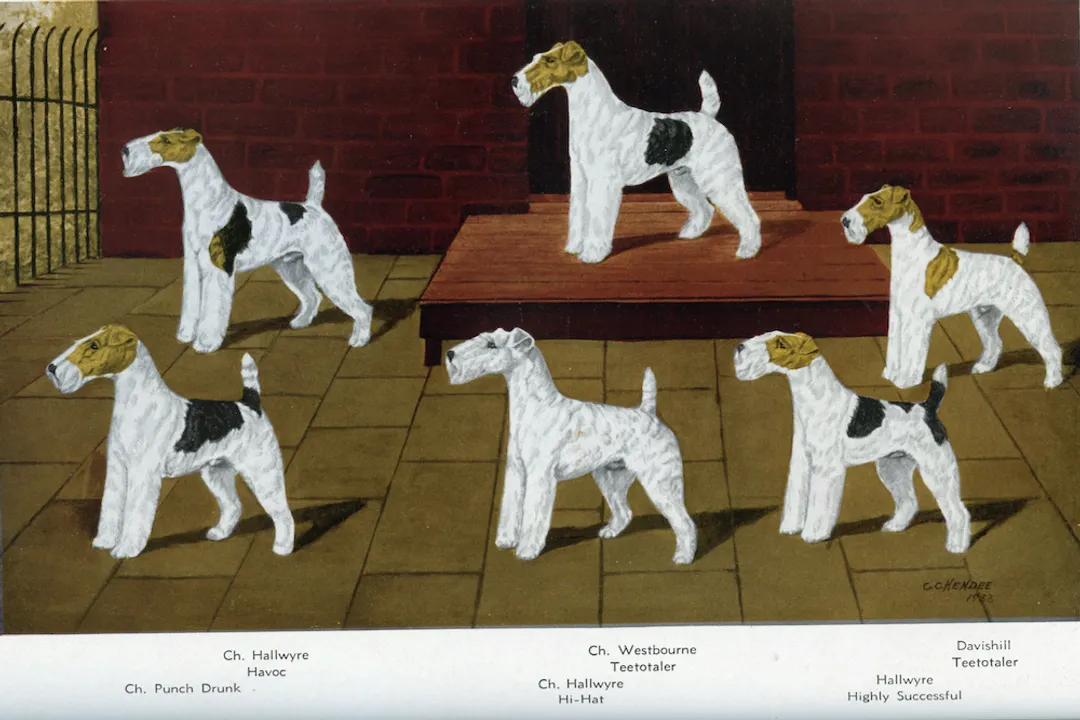
The Wire Fox Terrier, with its bright eyes and perpetually jaunty carriage, embodies a spirited blend of intelligence and tireless energy. Its evolution is deeply rooted in the practical demands of the English countryside, where the primary goal was functionality: creating a tenacious dog capable of navigating the tight, dark confines of a fox's den to successfully flush out the quarry. [4] This necessity shaped every aspect of the breed, from its distinctive coat to its compact, sturdy conformation. The story of this terrier is one of selective breeding focused on game spirit and earthy resilience above all else. [4]
# Early Ancestry
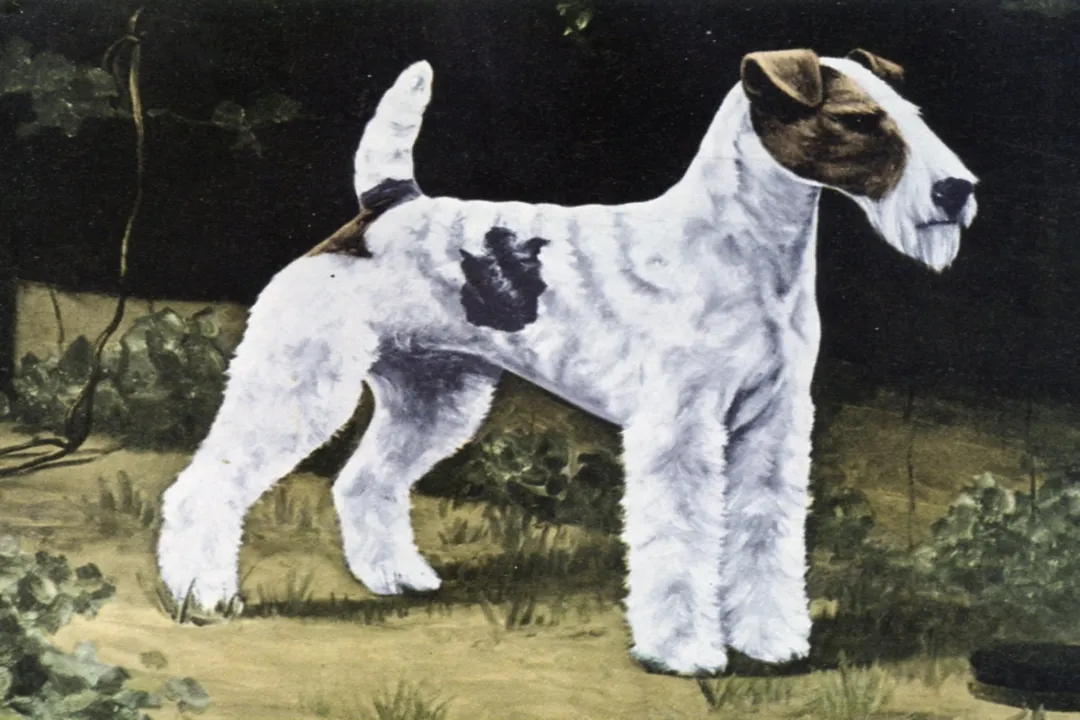
The foundational stock for the Wire Fox Terrier emerged during the 18th century in Great Britain. [2][4] These ancestors were not a single breed but a collection of various small terriers developed for the singular task of fox hunting. [4] Hunters required a dog small enough to follow a fox underground—a process known as going to ground—yet bold enough to confront a trapped animal in close quarters. [4] These early dogs needed stamina for long hunts across varied terrain and a protective coat for protection against rough earth and weather. [4]
Specific breeds that contributed to the Wire's lineage include the Black and Tan Terrier, the Old English Black and White Terrier, and, critically, the early types of Smooth Fox Terrier. [2][4] While the Smooth Fox Terrier was established and recognized earlier, the Wire is often considered to have developed from rough-coated strains that existed concurrently or slightly earlier than the smoother variety. [4] The initial breeding efforts prioritized working traits, meaning early dogs varied significantly in appearance; color, coat, and size were secondary to gameness and effectiveness underground. [4]
# Smooth Separation
The relationship between the Wire Fox Terrier and the Smooth Fox Terrier is close, often leading to historical confusion regarding which came first or which derived from which. [4] For a time, they were essentially considered variations of the same breed by some registries, sharing a common ancestral pool. [2] However, breeders began to emphasize the difference in coat texture. The development of the Wire likely involved crossing existing Smooth strains with other rough-coated terriers to fix the harsh, wiry texture. [4]
This divergence became more formalized as breed standards began to differentiate requirements. Breeders interested in the wiry coat selectively bred for that texture, eventually leading to the establishment of two distinct breeds, though they shared the same core temperament and hunting instinct. [4] A fascinating point in their history is that the Smooth Fox Terrier was recognized by the American Kennel Club (AKC) in 1885, while the Wire variety was recognized later, in 1911, demonstrating that the smooth variety achieved formal recognition first, even if the ancestral rough-coated stock was present for some time. [2]
# Coat Development
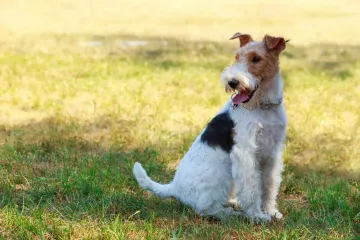
The most defining feature of the Wire Fox Terrier is undoubtedly its harsh, dense, and wiry outer coat, which sits over a soft, dense undercoat. [2][4] This coat was not merely an aesthetic choice; it was a survival mechanism. [4] When working deep within earth dens, the rough coat provided essential protection against biting predators, sharp stones, and damp conditions. [4]
The grooming requirement for this coat is significant, often involving hand-stripping to maintain the proper texture and color, rather than simple clipping, which tends to soften the hair. [2] The ideal texture should feel stiff and wiry to the touch, not woolly or soft. [4]
It is worth noting that the persistent desire for a white coat in the Wire Fox Terrier, while aesthetically pleasing in the show ring today, originally served a critical safety function in the field—distinguishing the terrier from the fox quarry when they were both underground. [1][4] This highlights an inherent tension in the breed's history: balancing the functional necessity of the coat (protection and visibility) against the aesthetic preference driven by show ring standards. [1] When evaluating older pedigrees, breeders often look for lineage traces to strains known specifically for their density, suggesting a deeper, more weather-resistant undercoat than what might be present in some modern, heavily line-bred show specimens. A true working coat provides remarkable protection against elements and minor abrasions. [4]
# Color Standardization
The early Wire Fox Terriers displayed a broad spectrum of colors. [4] Common original markings included combinations of black and tan, red, or mixtures of black, white, and tan. [4] As the breed moved toward formal standardization in the late 19th and early 20th centuries, a preference for white as the dominant color began to solidify. [1][4]
This shift was largely practical. In the field, hunters needed to be able to clearly distinguish their dog from the fox, which is often reddish or dark-colored. [4] A predominantly white dog was far more visible in the brush and, crucially, when bolting from the den. [1] By the time the breed received official recognition from organizations like The Kennel Club in the UK in 1911, the standard strongly favored white as the main color, often allowing only black or tan markings. [4] Today, while color variation still exists, the ideal Wire Fox Terrier is predominantly white. [2][4]
# Formal Recognition
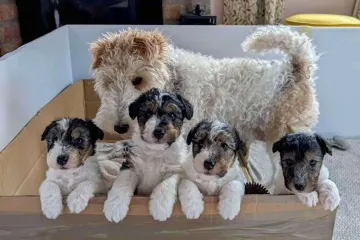
The formalization of the breed involved kennel clubs establishing specific written standards that dogs had to meet, marking a transition from purely functional breeding to selective conformation showing. [4] The American Kennel Club officially recognized the breed in 1911, listing the Wire and Smooth initially as one Fox Terrier class before they were fully separated. [2] The Wire Fox Terrier Association in the UK solidified its distinct status around the same time, recognizing the unique needs and aesthetics of the wire-coated variety. [4]
The 1930s proved to be a golden age for the breed's presence in the show ring, particularly in North America. [6] Dogs like Ch. Meander in Line exemplified the high-quality conformation standard of that era, often showcasing impeccable structure and presence. [6] Even during this period of high show success, however, the breed retained its high energy level and drive, which made them both popular companions and capable workers. [2]
# Temperament and Drive
Regardless of whether a Wire Fox Terrier traces its lineage through show lines or working lines, the inherent temperament remains strongly defined by its history. [4] These are dogs bred for intensity and self-reliance. [4] They possess high intelligence and an almost inexhaustible supply of energy, traits that were necessary for sustained hunting efforts. [2][4]
The breed's reputation for being bold is well-earned; they were expected to face down quarry underground without direction from their handler. [4] This translates today into a dog that requires significant mental stimulation and physical exercise to remain happy and well-behaved in a domestic setting. [2][5] They retain a strong prey drive, meaning they will actively chase small animals, and their innate digging instinct is very difficult to suppress. [5] Owners must be prepared to manage this intense terrier nature. [2][5]
# Modern Breed Context
In contemporary times, the Wire Fox Terrier maintains its distinct identity, though its role has shifted significantly from the hunting field to the companion and show ring. [5] While the breed’s popularity has seen fluctuations—peaking around the mid-20th century and settling into a more niche following since—the core structure remains consistent. [2][6]
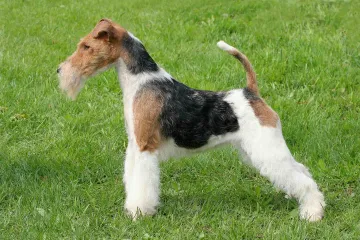
The Canadian Kennel Club (CKC) describes them as squarely built, robust, and possessing a keen, alert expression. [3] Their small size, typically under 18 pounds and under 15.5 inches at the shoulder, belies their powerful structure. [2] For those interested in maintaining the breed's working heritage, it is important to seek out breeders who actively test their dogs in earthdog trials or field work, ensuring that the gameness, stamina, and protective coat texture are preserved alongside the desired conformation. [4] An active, engaged Wire Fox Terrier, whether participating in Earthdog events or simply dominating a daily agility course, truly honors the functional evolution of this spirited breed. [3]
Related Questions
#Citations
HISTORY - The Wire Fox Terrier Club of Canada
Wire Fox Terrier - Wikipedia
A brief History of Wire Haired Fox Terriers
Breed History - The Wire Fox Terrier Association
Wire Fox Terrier Dog Breed Information - American Kennel Club
Those Were the Days … - Dog News
Wire Fox Terrier Dog Breed | Origin, History, Personality & Care Needs
Wire Fox Terrier: A Guide to the Tenacious and Confident Breed
Wire Fox Terrier | CKC