Yorkshire Terrier Evolution
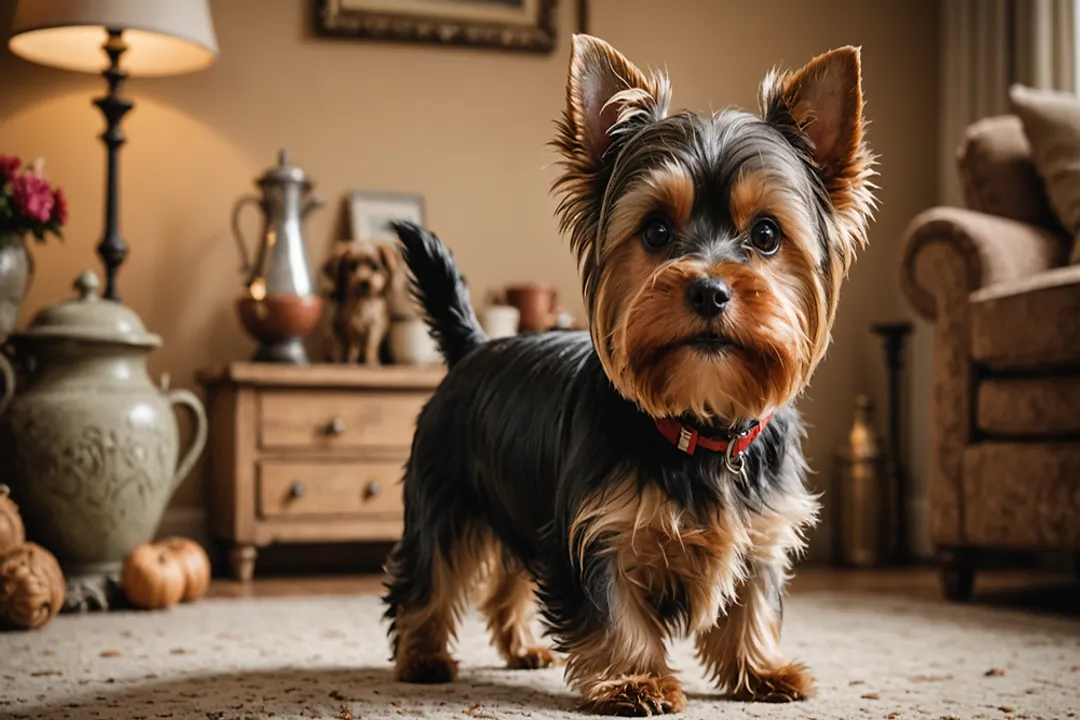
The Yorkshire Terrier of today is instantly recognizable as a delicate, often pampered lap dog, famous for its flowing, silky coat and spirited personality. Yet, to truly appreciate this charming breed is to look back through the grime and noise of 19th-century industrial England, where this tiny canine was anything but a pampered pet. Its evolution is a compelling story of necessity, migration, and eventual social ascent, transforming it from a dedicated factory floor worker into a treasured companion. [1][3]
# Industrial Birth
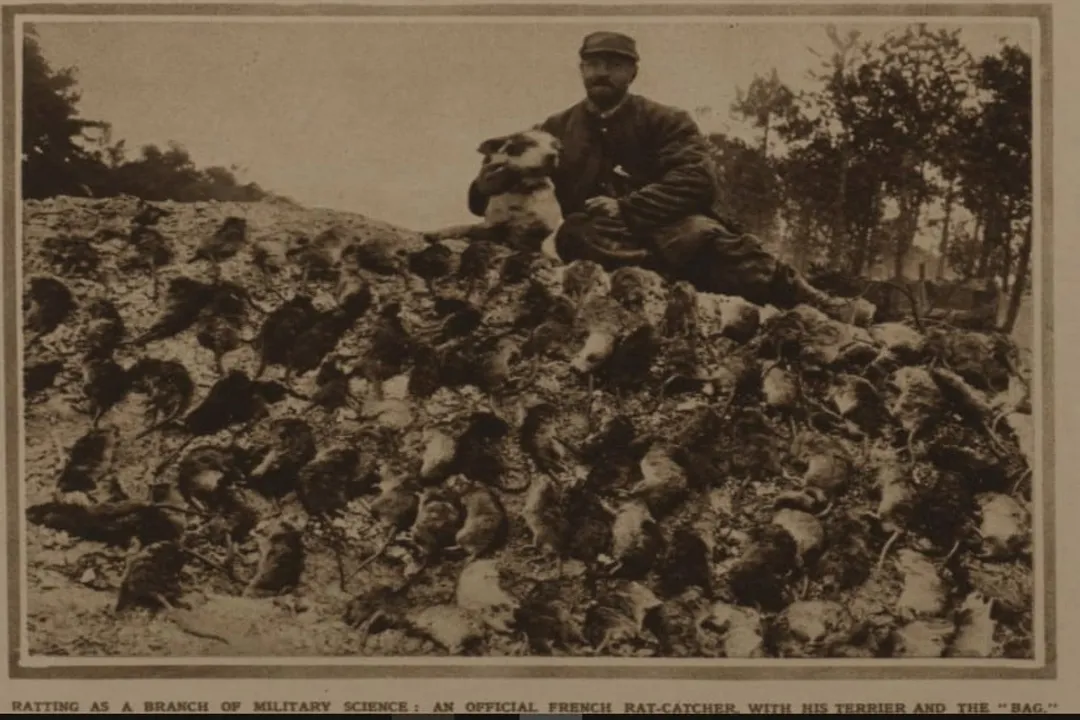
The genesis of the Yorkshire Terrier is firmly rooted in Yorkshire, England, during the mid-1800s, a time defined by the Industrial Revolution. [1][2] As manufacturing, particularly the wool and textile trades, boomed, workers migrated north, often bringing their small terrier types with them. [1][9] These dogs were not bred for looks; they were essential tools for pest control in the very mills and mines where their owners worked. [8][9] They needed to be small enough to pursue rats and other vermin hiding in tight machinery or underground shafts, but retain the inherent gameness and tenacity of a true terrier. [1][2] The conditions these early dogs endured were harsh, demanding a dog that was both fearless and durable despite its miniature stature. [9]
# Foundation Stock
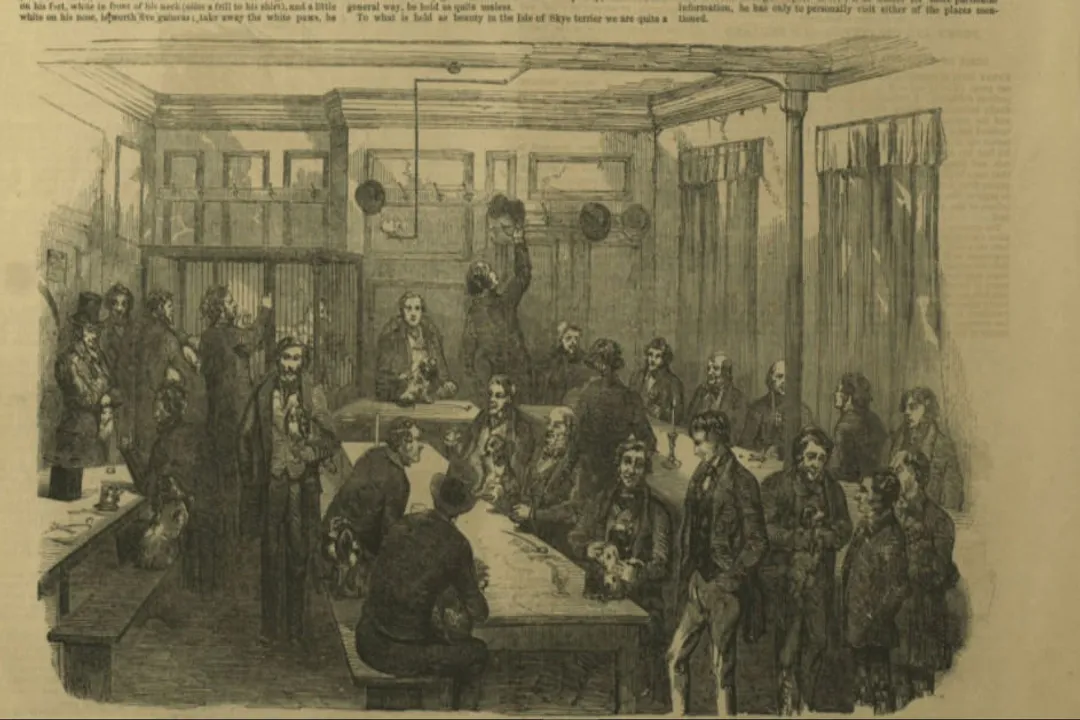
Tracing the exact lineage is complicated because early breeders were more concerned with working ability than pedigree documentation, leading to a blend of various small terriers. [2] It is generally accepted that the breed developed from several specific types of working dogs common at the time. [2] Key influences often cited include the Black and Tan Terrier (a predecessor to modern Manchester Terriers), the Paisley Terrier (or Clydesdale Terrier), and the Waterside Terrier. [2] The Waterside Terrier, in particular, was known for its size, rough coat, and proficiency at catching water rats, lending significant terrier spirit to the emerging line. [2] The mixing of these types, driven by the need for effective vermin control in cramped, dark environments, gradually produced a dog with the desired size, coat texture, and attitude. [2]
# Early Naming Purpose
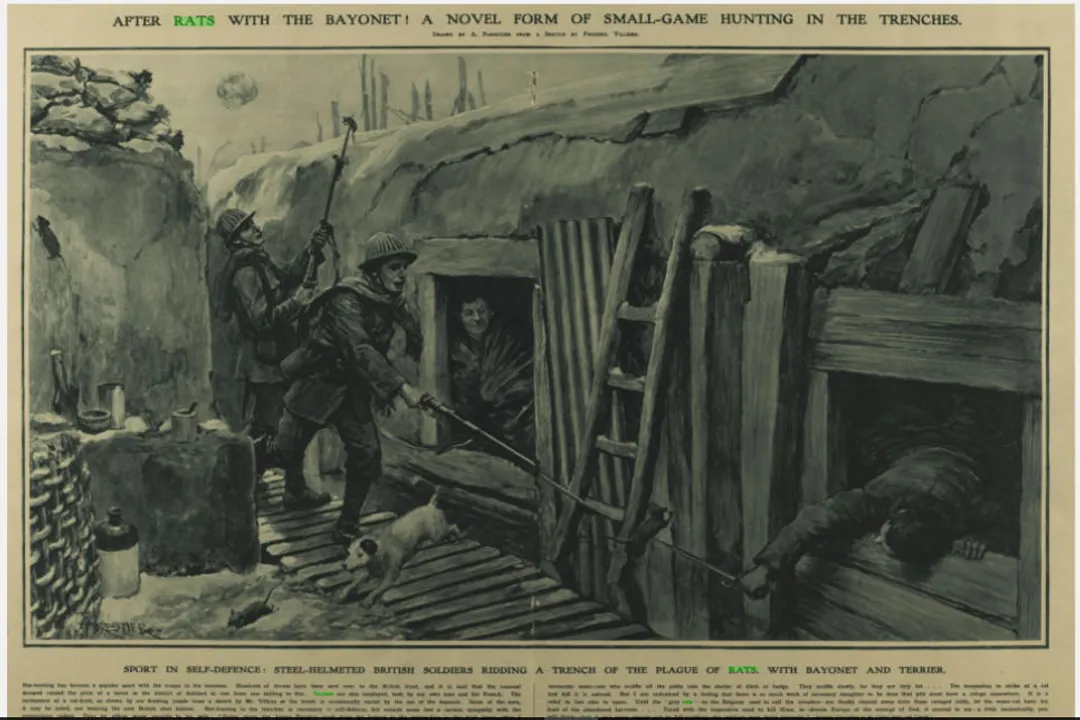
When the breed first began to gain some attention outside the immediate working circles, it didn't immediately carry the prestigious name it holds today. Early appellations included the Broken-Haired Scotch Terrier or the Toy Terrier. [1] It was only later, as breeders began to standardize the type, that the name Yorkshire Terrier was officially adopted around 1870. [1] Despite the name change, the primary function remained constant for a while: eliminating rats. [8] The small size was a direct functional requirement; a dog too large could not navigate the narrow spaces in mills or mine shafts effectively. [8] This early requirement for utility meant that the temperament—brave, determined, and highly alert—was prioritized above all else, a defining characteristic that persists even when the modern dog never sees a rat. [5]
# Show Ring Ascent
The transition from the factory floor to the drawing-room carpet marked the most significant change in the breed’s evolutionary path. [6] By the late Victorian era, the Yorkshire Terrier began capturing the attention of wealthier dog fanciers. [3] The dog’s fine, flowing coat, once a necessity for shedding dirt and grime from working life, became a mark of refinement when kept clean. [3] Queen Victoria was famously fond of the breed, and her patronage significantly boosted the Yorkie’s social standing, cementing its place as a fashionable lap dog rather than strictly a ratter. [3][6] This shift meant that the focus of breeding moved away from sheer working aggression toward appearance and portability, although breed standards still mandated a terrier temperament. [6] This pivot highlights a common pattern in canine history: once a breed achieves high society favor, its original utility often gives way to aesthetic standards. [3]

# Color Genetics Shift
One of the most fascinating aspects of the Yorkshire Terrier’s development involves its unique coat color change. [7] A puppy born today will almost certainly not possess the steel blue and tan coat it will carry as an adult. [7] Puppies are typically born black and tan. [7] As they mature, the black areas on their body gradually fade and transform into the characteristic deep, rich steel blue—a color genetically different from true black. [7][3] This process is gradual, often not being fully established until the dog reaches about three years of age. [7] The tan points on the head and legs, however, typically remain a bright, rich tan. [7] This natural progression from a darker, perhaps more practical, puppy coat to the silvery blue adult coat shows an intentional selection for a striking visual effect once the dog entered the show ring. [7]
| Puppy Color | Adult Color (Standard) | Characteristic Location |
|---|---|---|
| Black | Steel Blue | Body, Tail |
| Tan | Rich Tan | Head, Chest, Legs |
| (Source Summary) | (Source Summary) | (Source Summary) |
| [7] |
# Refinement Size
The breed standard has continually sought to reinforce the dog's smallness. While early working specimens might have varied in size, the modern standard strictly dictates a weight of not more than 7 pounds. [5] This emphasis on diminutive size is a clear reflection of its successful transition from a working tool to a companion animal where portability and lap-friendliness became paramount. [1][8] The initial size constraint was functional—to enter small spaces—but the current constraint is purely aesthetic and companion-driven. [5] Maintaining the terrier spirit within such a tiny physical package is a significant feat of selective breeding that breeders have managed to preserve. [5]
The historical divergence between the needs of the rat catcher and the desires of the Victorian lady offers an interesting case study in breed progression. The early Yorkie needed the hardiness of a ratting dog; the later Yorkie needed the fine coat and manageable weight of a companion. The fact that the temperament survived this pressure, perhaps even intensified by the physical restriction, means that the modern Yorkshire Terrier possesses an outsized personality for its frame. [5] It requires an owner who respects that inherent, historical gameness, rather than expecting a purely docile lap pet. [1]
A practical consideration arising directly from this history concerns the coat. Since the adult coat is fine, silky, and non-shedding, it is often confused with being hypoallergenic, though no dog is truly allergen-free. [5] Owners must understand that this coat requires daily brushing to prevent matting, as it mimics human hair more closely than typical dog fur. [3] Furthermore, given that the color change is a multi-year process, owners should anticipate that a puppy coat requiring one style of care will transition into an adult coat demanding another, a significant ongoing commitment that distinguishes it from breeds with static adult coats. [7] This evolutionary trait—the continuous change—demands ongoing adaptation from caregivers.
#Videos
Yorkshire Terrier - Full History - YouTube
Related Questions
#Citations
Yorkshire Terrier History: From Working-Class to Luxury Lapdog
Origin & History of the Yorkshire Terrier
From Ratting to Royalty: A Look at the History of the Yorkshire Terrier
Yorkshire Terrier - Full History - YouTube
Yorkshire Terrier Breed Guide: Personality, History, Training, Food ...
Yorkshire Terrier Fun Facts, Health & Care | Pet Parenting - Trupanion
History of Color - anne's precious yorkies
Yorkshire Terrier Dog Breed | Origin, History, Personality & Care ...
The A Brief History of the Yorkshire Terrier - The Gale Review