Wheaten Terrier Evolution
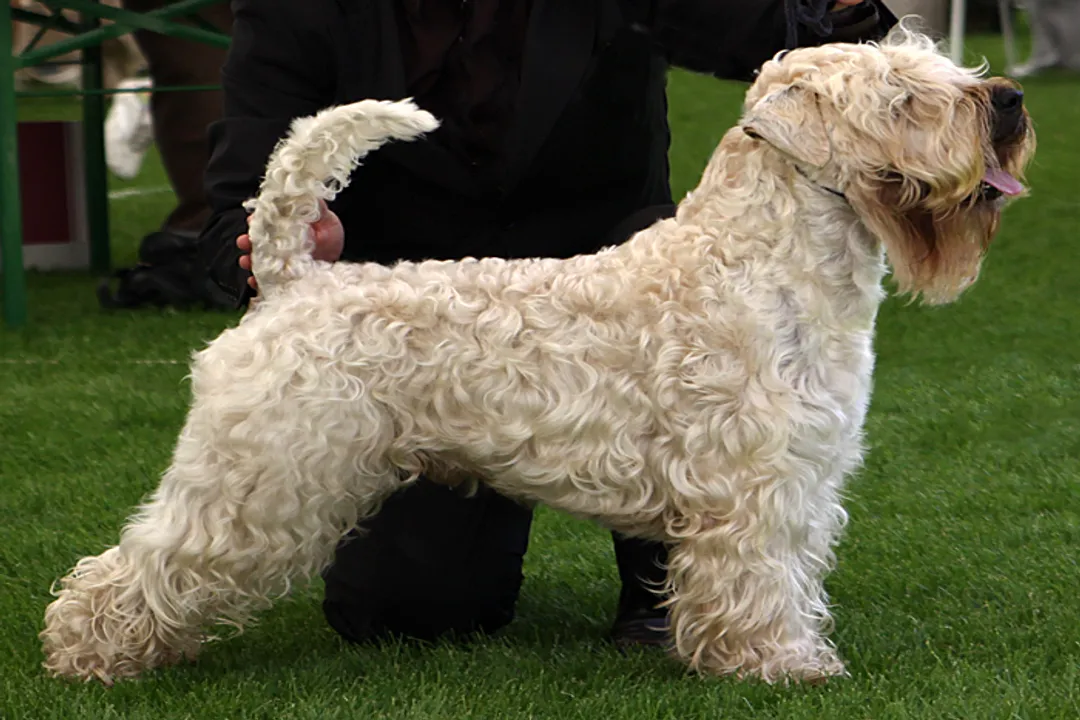
The Soft-Coated Wheaten Terrier carries with it a history deeply rooted in the green fields and rugged farm life of Ireland, a background that explains much about its enduring spirit today. Unlike some breeds whose origins are precisely cataloged, the Wheaten’s earliest history is wrapped in the relative obscurity of the working dog population, often deliberately kept unrecorded to avoid taxation or because their utility spoke louder than pedigree papers. [2][6] These dogs were indispensable members of the Irish farmstead, filling multiple roles that ranged from pest control to guardianship. [5][9] They were not bred for the show ring but for necessity, thriving where grit and versatility were paramount. [3]
# Irish Beginnings
The Wheaten Terrier is undeniably an Irish native, sharing its homeland with other famous terriers like the Kerry Blue and the Glen of Imaal. [2][4] For centuries, they were common sights across the Irish countryside, often simply referred to as the "Irish Terrier" or "Couch Terrier" before their specific type gained broader recognition. [6][7] Their coats, essential for protection against the damp Irish weather and thorny undergrowth, varied in color. While today we recognize the distinct golden wheaten shade, early records suggest the farm dogs exhibited a spectrum of colors, including dark brindled, brown, red, and even black, alongside the lighter shades. [1][7] This early diversity speaks volumes about the focus on function over form; any coat that worked was accepted. [1]
The initial purpose of the Wheaten was multifaceted. They were exceptional vermin hunters, quick to dispatch rats and other farm pests that threatened the larder. [5][9] Beyond this necessary task, they acted as watchdogs, alerting the family to strangers, and were even known to help with herding livestock. [2][9] This combination of duties meant the breed had to possess an even temperament—courageous enough to tackle a rat but steady enough to interact safely with the family and livestock. [6]
# Poor Documentation
One of the most striking aspects of the Wheaten Terrier’s evolution is how long it remained largely undocumented by kennel clubs or formal breed societies. This lack of paper trails was not due to a lack of existence but rather social and economic realities in Ireland. [2][3] Historically, many tenant farmers in Ireland faced heavy taxation, and sometimes owning certain types of dogs was restricted or penalized. [2] Consequently, breeders often chose not to register their working dogs, preferring to keep their valuable assets low-profile. [6]
This cultural tendency meant that when formal attempts to recognize the breed began in the late 19th and early 20th centuries, experts had to piece together the breed’s true characteristics from anecdotal evidence and surviving local lines. [3][7] This situation is common for many old farm breeds where the standard was established by local tradition rather than written decree. [6] The lack of rigid early standards allowed for the genetic variety that underpinned the breed’s resilience, even if it complicated the later process of creating a unified breed standard. [7]

# Standardization Efforts
The push to formally define and preserve the Soft-Coated Wheaten Terrier gathered momentum around the turn of the 20th century. A key figure in this movement was Dr. Neale, who is often credited with promoting the breed around Dublin. [1] However, the most frequently cited foundational figure in the breed’s formal history is Lady Moira O’Neill of Clondalkin, County Dublin. [1][3][5] It was through her dedication that the Wheaten began its transition from a regional farm dog to a recognized entity. [5]
A significant milestone occurred in 1932 when the Soft Coated Wheaten Terrier Club of Ireland was established. [1][3] Shortly thereafter, the Irish Kennel Club officially recognized the breed in 1933. [1][3][5] This official recognition was critical because it allowed breeders to focus on solidifying the desired traits, particularly moving toward the characteristic wheaten color. [3]
It is interesting to note the subtle differentiation made early on between the Wheaten and its terrier cousins. While all were farm dogs, the Wheaten needed a specific standard to distinguish it clearly from the Kerry Blue Terrier and the Glen of Imaal Terrier, ensuring its unique identity was preserved as the terrier groups gained popularity internationally. [2][4]
# The Color Fixation
Perhaps the most significant evolutionary choice made during the standardization period was fixing the coat color. As mentioned, earlier generations were multicolored. [1][7] When the breed was formalized, the focus shifted heavily to the lighter, golden-hued wheaten coat. [1] This decision likely represented a compromise, selecting the color that perhaps stood out the most or was simply favored by the early influential breeders who were moving the breed away from its purely utilitarian past and toward the exhibition ring. [3]
| Early Coat Colors | Recognized Standard Color |
|---|---|
| Red | Wheaten (Shades of gold/straw) [1][3] |
| Dark Brindled | Lighter wheaten shades preferred in puppies [7] |
| Black | |
| Brown |
This shift in emphasis from color utility to color aesthetics marks a clear evolutionary divergence for the breed. The early farm dog needed camouflage or simply couldn't afford to be fussy about pigmentation; the modern show dog needed conformity to the standard. [1]
# Crossing the Atlantic
While the breed gained recognition in Ireland early in the 1930s, its spread to other major dog-loving nations took time, partly due to world events. [1][5] The breed’s introduction to the United States was a notable step in its evolution, establishing a significant population base outside its homeland. [5] It took many years after its Irish recognition for the Wheaten to gain traction in American kennel clubs. [5]
The American Kennel Club (AKC) granted the breed full recognition, marking another layer of acceptance and solidifying its status globally, although the exact timeline for this recognition varies slightly across sources, underscoring the gradual nature of international acceptance. [3][5] The establishment of national clubs, such as the Soft Coated Wheaten Terrier Club of America (SCWTCA), ensured that American breeders upheld specific standards while potentially contributing to variations in type compared to their Irish or UK counterparts. [1][5]

# Coat and Temperament Transition
The Wheaten’s coat itself is a testament to its evolution. It is a single coat, meaning it lacks an undercoat, which contributes to its texture but also means it sheds minimally. [9] This is highly advantageous for modern pet owners concerned with household hair, but it comes with a trade-off. Early working Wheatens likely sported a coat that was tough, somewhat wiry, and built to withstand rough work. [6]
Today's accepted coat, often described as soft or silky, requires dedicated grooming to maintain its texture and prevent matting. [9] If we consider the practical demands on an early 20th-century farm dog, they simply did not have the luxury of daily brushing sessions; their coat was a shield first and an ornament never. The fact that the current breed standard prizes a soft texture over a hard, weather-resistant texture highlights the breed’s successful transition from the muddy field to the living room carpet. [9] This modern coat demands regular stripping or clipping, a grooming regimen entirely foreign to its ancestors who needed only the occasional roll in the dirt to keep clean. [3]
Temperamentally, the Wheaten remains defined by its terrier heritage—spirited, happy, and playful. [9] The breed is often noted for its Wheaten Greetin’, an enthusiastic expression of welcome that sometimes involves jumping. [5][9] While the energy level remains high, the pressure to be a fierce vermin killer has been replaced by the desire to be a loyal companion, though they retain that intrinsic terrier alertness and occasional stubborn streak. [5] Understanding this shift—from necessity-driven behavior to companion-driven interaction—is key to appreciating the modern Wheaten. They still possess the intelligence needed to problem-solve tasks like clearing rats, but now they often apply that same sharp mind to figuring out how to sneak onto the forbidden couch. [6]
# Enduring Legacy
The evolution of the Soft-Coated Wheaten Terrier shows a breed that successfully navigated the transition from an anonymous, multi-purpose farm hand to a recognized, beloved companion breed on the world stage. [1][2] Their journey required dedicated breeders who championed their distinct look and temperament despite early historical hurdles and the pressure to conform to a single, marketable color. [3][5]
The modern Wheaten is a direct link to those working dogs in County Dublin. While you might not need your companion to dispatch a nest of rats today, the energy and exuberance they bring to a family are direct echoes of a life spent running fields and guarding the homestead. Their history is one of survival, adaptation, and ultimately, triumph in gaining formal recognition while retaining the essential spark of the Irish terrier. [7][9]
Related Questions
#Citations
History of the Breed - Soft Coated Wheaten Terrier Club of America
History Of The Breed - Soft-Coated Wheaten Terrier Club of GB
Wheaten History
Soft-coated Wheaten Terrier - Wikipedia
Wheaten History
History of the Soft Coated Wheaten Terrier
History of Wheaten Terriers – Maddox Country Kennel
Soft Coated Wheaten Terrier Dog Breed - Nylabone
History - Wanton Buddy´s