Why are springer spaniels so clingy?
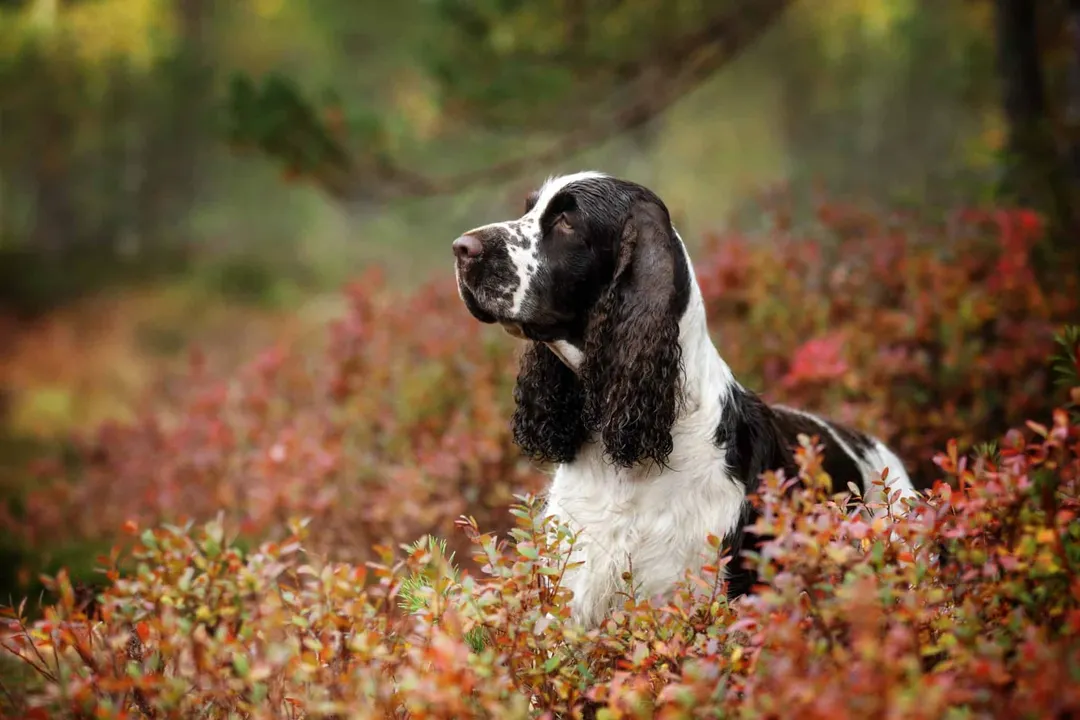
The attachment many English Springer Spaniels exhibit toward their owners can feel less like affection and more like a permanent, four-legged shadow. This intense desire to be near their people is a hallmark of the breed, often leading owners to wonder if their Springer has simply decided they are incapable of existing alone. Understanding this behavior requires looking at the breed’s history, acknowledging potential underlying health shifts, and addressing their profound social needs.
# Breeding History

Springer Spaniels were specifically developed to work in close coordination with human hunters. Their purpose involved flushing game from dense cover—the "springing" action—and retrieving it. This required a dog that was highly attentive to, and dependent upon, human signals and presence. They were bred for partnership, not distance. Therefore, the modern Springer’s inclination to be a true companion dog, demanding closeness, is an expected behavioral blueprint. They thrive when integrated into the family’s activities, often preferring to be in the same room, even if they are nominally "resting". This deep-seated need for proximity means that a typical Springer will often follow you from room to room, making themselves physically present during mundane tasks like making coffee or watching television. This is often considered a desirable, though sometimes overwhelming, aspect of the breed standard.
# Health Concerns
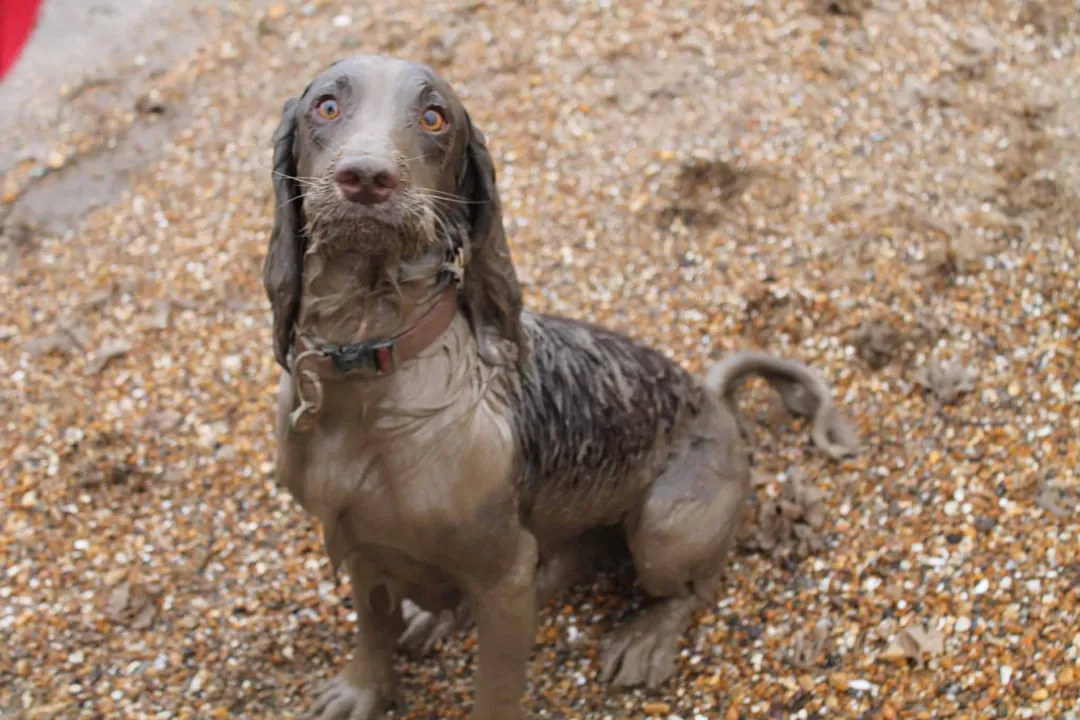
When a dog that has previously been independent suddenly becomes intensely clingy, the first question must pivot away from training and toward medicine. A sudden, marked change in behavior is a major indicator that something internal may be amiss, regardless of the dog’s age. Clinginess that appears overnight or escalates rapidly often suggests the dog is experiencing discomfort or distress they cannot otherwise communicate.
For older Springers, this hyper-attachment can sometimes be linked to underlying conditions. For instance, reports exist connecting sudden clinginess, sometimes accompanied by panting, to medical factors such as pain or even shifts in thyroid function. Hypothyroidism, for example, can affect energy levels and mood, potentially causing a dog to seek constant reassurance if they feel unwell or confused. If your dog’s clinginess is new, especially if accompanied by lethargy, pacing, changes in appetite, or excessive thirst, a prompt visit to the veterinarian is essential to rule out physical causes before assuming the behavior is purely emotional or behavioral.
# Attachment Versus Distress
It is useful to differentiate between the breed's inherent, healthy desire to be near you and distress-based clinging.
| Characteristic | Healthy Attachment (Typical Springer) | Distress Clinging (Potential Problem) |
|---|---|---|
| Triggers | Owner is present and active; normal daily routine. | Owner is preparing to leave, or the dog is alone briefly. |
| Activity Level | Relaxed when the owner is relaxed; follows casually. | Anxious pacing, whining, excessive following, inability to settle away from the person. |
| When to Intervene | When it becomes physically disruptive (e.g., tripping hazard). | Always, but urgent veterinary review if onset is sudden. |
When the clinginess stems from distress, it is often symptomatic of separation anxiety or related isolation distress. This is where the dog finds being left alone, or separated even momentarily, genuinely frightening or stressful, rather than just inconvenient.
# Energy Needs

English Springer Spaniels are working dogs, and this fact cannot be overstated when analyzing their behavior. They possess high energy reserves and require substantial physical exercise combined with mental challenges to remain content. When a Springer’s considerable energy is not expended appropriately, that excess mental and physical drive often redirects into attention-seeking behaviors, which manifest as intense neediness.
If a dog is bored or under-stimulated, staying glued to the owner becomes the dog's default activity. They might be trying to prompt you into action—a game, a walk, or some form of engagement—simply because they have nothing else constructive to occupy their minds. A dog that has had a brisk morning run and completed a short scent work puzzle is often much more capable of settling quietly nearby than one who has only had a brief leash walk around the block. Addressing the clinginess, in this context, requires looking first at the quality and duration of their daily output, not just the quality of the companionship.
# Management Tips

Managing an intensely attached Springer Spaniel involves a two-pronged approach: meeting their high needs and systematically teaching them that being apart is safe and even rewarding.
# Building Independence
For dogs whose clinginess leans toward separation distress, the goal is to gently prove that absences are temporary and non-threatening. This is best done by practicing micro-separations throughout the day, long before you ever intend to leave them alone for an extended period.
Start small. Ask your Springer to stay in one spot, perhaps on their bed, while you walk just a few feet away—maybe to retrieve a ball or open a door. Return before they show signs of anxiety. If they remain calm, reward them heavily with a high-value, long-lasting chew or puzzle toy, which redirects their focus entirely. The key is to keep these initial separations extremely short, perhaps only five to ten seconds. The owner's return should be calm and low-key; do not make a huge fuss upon reunion, as this can accidentally reinforce the idea that your departure was a big, negative event requiring dramatic relief upon your return. Gradually increase the duration only after the dog is consistently relaxed during the shorter trials. This technique focuses on building confidence in their own space, independent of your immediate proximity.
# Environmental Enrichment
To combat attention-seeking due to boredom, ensure your Springer is consistently challenged mentally every day. This doesn't always mean intensive training sessions. Consider feeding meals through puzzle toys or snuffle mats rather than bowls. Hide treats around the house for a quick five-minute "scent safari." Even a slightly more challenging training session focused on learning a new, fun trick can consume mental energy just as effectively as physical running. A mentally tired Springer is generally a calmer, more settled companion.
If the clinginess is tied to the breed's normal desire for partnership, try to incorporate them into your daily life in ways that reward quiet presence. If you are working at a desk, place their bed beside you and reward them periodically with a quiet pat or a small piece of kibble while they are lying down, reinforcing the idea that quiet companionship is valuable, but not demanding constant physical contact. This addresses the breed's natural inclination without letting it devolve into demanding behavior.
Related Questions
#Citations
Has anyone else's springer suddenly become clingy? - Reddit
Springer Spaniel | History, Temperament & Lifespan | Dog Breeds
Dog driving me nuts!!! - Positively | Victoria Stilwell | Forum
He is so clingy. Never get any peace, he follows me everywhere but ...
What is bad about the English Springer Spaniel? - Quora
Why does my Springer suddenly have so much energy and super ...
Are English Springer Spaniels the Most Troublesome Dogs? 11 ...
My 12 year old springer spaniel is panting and is very clingy, he also ...
English Springer Spaniel hates being left alone - Pet Forums