Welsh Springer Spaniel Facts
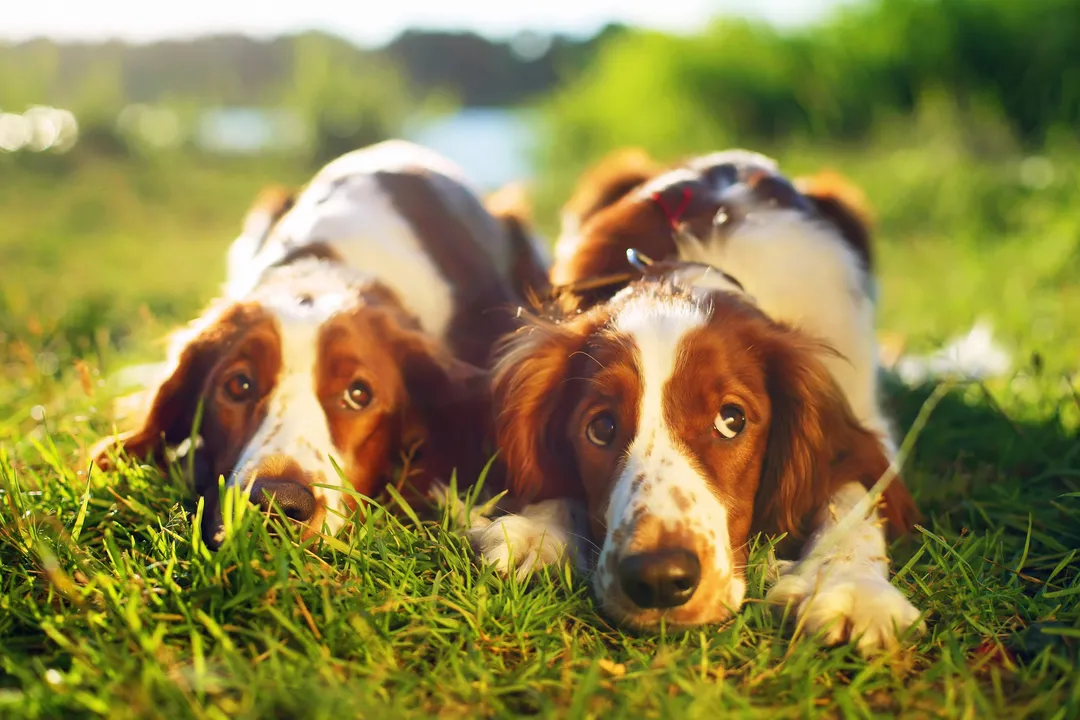
The Welsh Springer Spaniel presents a picture of cheerful energy, clad almost exclusively in a rich, solid red and white coat. This breed carries a distinct heritage tied to Wales, setting it apart from its slightly better-known English cousin, the English Springer Spaniel. [1][2] They are not an ancient breed in the sense of being unchanged for millennia, but rather an established and specialized type of flushing spaniel developed specifically for hunting within the Welsh countryside. [3] Unlike some other popular sporting breeds, the Welsh Springer was historically recognized primarily within its homeland, only gaining widespread international attention much later. [3]
# Welsh Origins
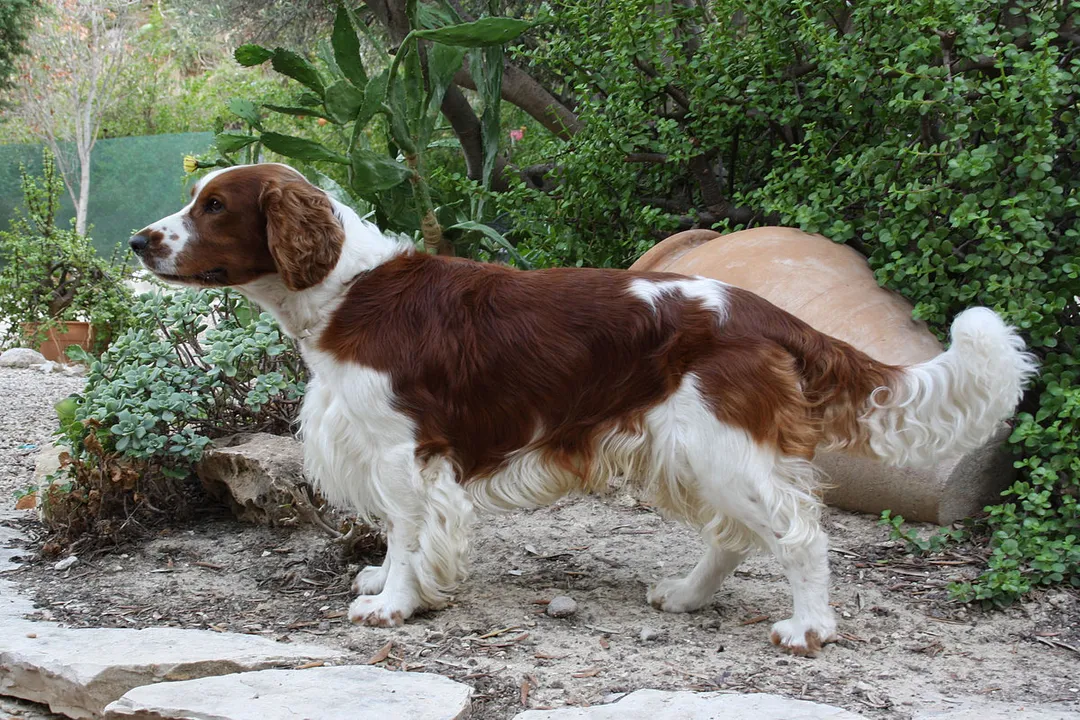
The precise, documented history of the Welsh Springer Spaniel is somewhat obscured by time, which is common for many historic working breeds. [2] They are recognized as one of the oldest native British breeds, traditionally utilized as a gun dog for hunting game birds. [1][4] Their development was intrinsically linked to the specific hunting requirements of Wales, likely favoring a dog that could work reliably in the varied, sometimes dense, terrain of the Welsh valleys and hills. [3]
For a long time, the Welsh Springer was simply called the Welsh Spaniel. [3] It was often grouped with the English Springer Spaniel, which led to much confusion regarding their separate development. [2][4] It wasn't until the early 1900s that fanciers began to actively campaign for the recognition of the Welsh dog as a distinct breed, separate from the English variety. [2][3] This separation was cemented when the Kennel Club in the UK officially recognized the Welsh Springer Spaniel as a distinct breed in 1902. [3] The American Kennel Club (AKC) followed suit much later, granting full registration status in 1930. [1][4] Despite this formal separation, the two spaniel types were sometimes still interbred until the early 20th century, which is why clear documentation of their divergence is challenging. [3]
Their working heritage is key to understanding the dog today; they were bred to be reliable companions in the field, excelling at scenting, flushing, and retrieving game. [1][4] This background means they possess a high degree of stamina and an ingrained desire to work closely with their handler. [4]
# Physical Traits
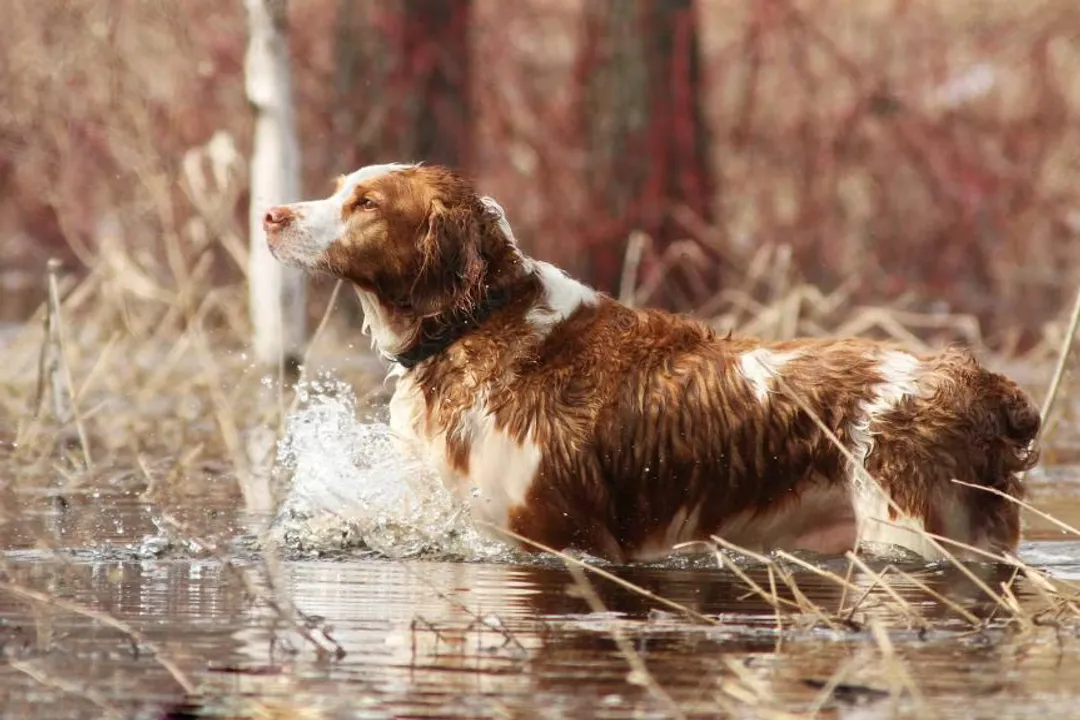
A defining characteristic of the Welsh Springer Spaniel is its appearance, which centers around its color and build. [1] They are classified as a medium-sized dog, solidly built and conveying an impression of strength and endurance without appearing heavy or clumsy. [1][5]
# Size and Build
Mature Welsh Springers generally stand between 18 and 19 inches at the shoulder. [1] In terms of weight, males typically weigh around 40 to 50 pounds, with females slightly lighter, ranging from 35 to 45 pounds. [1][5] They are slightly longer than they are tall, giving them a balanced, athletic profile suitable for a full day's work in the field. [4] Their heads are relatively refined, featuring long, pendulous ears set high on the skull. [1] Their eyes are usually dark brown and convey an intelligent, eager expression. [1][4]
# Coat and Color
The coat is perhaps their most distinguishing feature when compared visually to other spaniels. [2] The texture is characteristically flat or slightly wavy, dense, and water-resistant, which historically provided protection from harsh weather and thick cover. [1][5] They possess a thick undercoat, crucial for insulation. [4]
Coloration is remarkably consistent: the dog must be red and white. [1][5] The red should be a deep, rich hue, often described as liver-red or mahogany, distributed in patches over a white base coat. [1][4] Unlike some other spaniels, they do not come in black or liver variations. [2] Feathering—longer hair found on the ears, chest, underside, and legs—is desirable and aids in their weatherproof qualities. [1][4]
If one were to compare the coat maintenance needs based on the density described, an owner might find that the Welsh Springer's coat requires a slightly more dedicated approach to drying after a rigorous swim or walk through wet grass than breeds with shorter, single coats, simply due to the double layer and feathering that holds moisture. [4]
# Dog Temperament
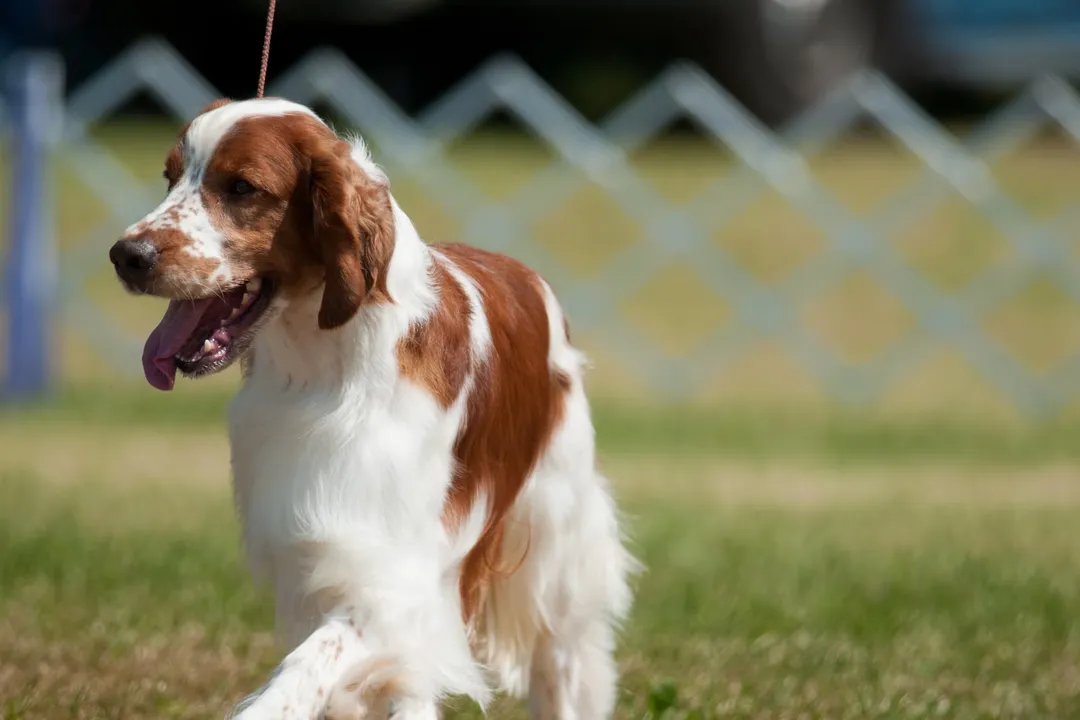
The temperament of the Welsh Springer Spaniel is often described using words like happy, devoted, and energetic. [1][4] They thrive on human companionship and are generally very affectionate with their families. [4][5] They are known for their cheerful disposition and eager-to-please nature, traits that made them valuable working partners. [4]
# Sociability and Bonding
These dogs form strong bonds with their owners and generally do not fare well when left isolated for long periods. [4] They are often noted as being excellent family dogs, capable of interacting well with children when properly socialized from a young age. [5] Their energy level means they are not typically suited to sedentary lifestyles; they require daily activity to remain content. [1]
A potential point of difference that owners often observe is their sensitivity. While playful, they may respond less favorably to harsh correction compared to some more stoic breeds. [4] This suggests that positive reinforcement methods—rewarding good behavior—are the most effective training approach. [4] They are intelligent and eager to learn, which aids in training, provided the handler keeps sessions engaging and fun. [1]
They typically possess a good nose and instinct for flushing and retrieving, traits that may manifest in the home environment as a strong desire to play fetch or carry things around. [4] While generally good with other pets if raised with them, their inherent prey drive means supervision around smaller, non-canine animals is always prudent. [5]
# Routine Care
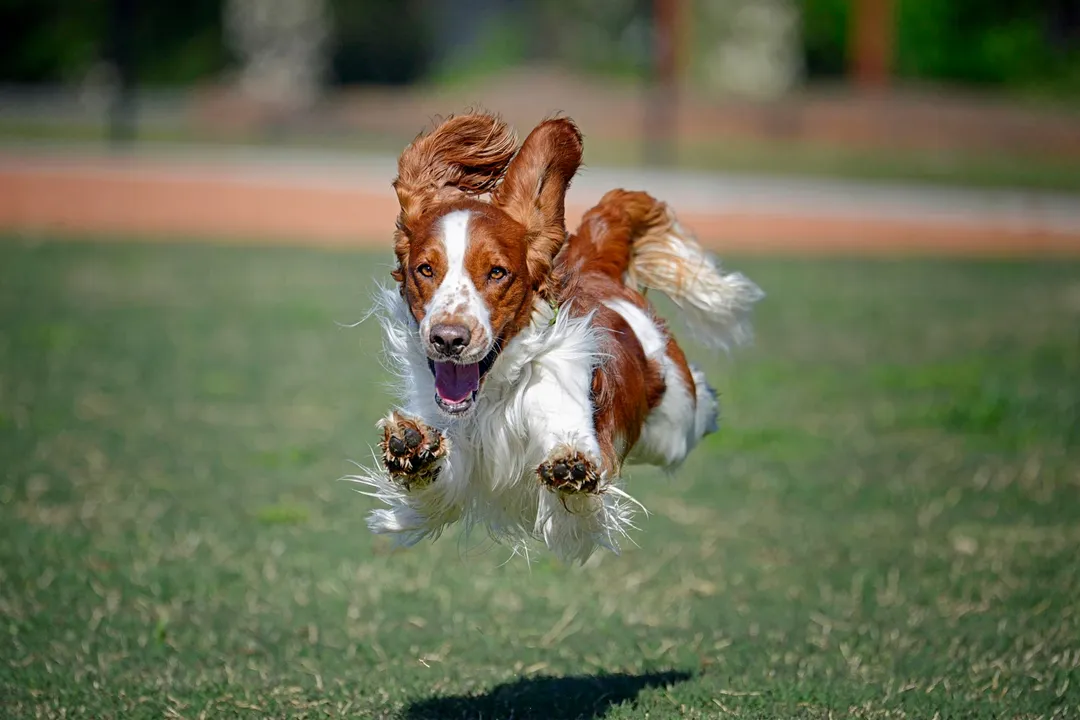
Owning a Welsh Springer Spaniel involves specific commitments regarding exercise and grooming, reflecting their sporting background. [1] They are not low-maintenance companions; their physical and mental needs must be consistently met to ensure they remain well-adjusted housemates. [4]
# Exercise Requirements
This breed is highly energetic and requires a substantial amount of daily exercise to burn off their natural vigor. [1] A simple walk around the block twice a day is usually insufficient for a fully engaged Springer. [4] They need vigorous activity, such as long, brisk walks, running, or playing fetch in a securely fenced area. [1]
Considering their stamina, a committed owner might dedicate at least an hour to vigorous activity daily, broken into sessions. [4] If an owner has access to open fields or safe swimming areas, the Welsh Springer will likely thrive, as retrieving and swimming are natural outlets for their energy. [5] Mental stimulation is just as important as physical; activities like advanced obedience training, scent work, or puzzle toys can help prevent boredom, which often leads to undesirable behaviors like excessive chewing or digging. [4]
# Grooming Needs
The Welsh Springer Spaniel's beautiful, dense, weather-resistant coat requires regular maintenance to prevent matting and keep it healthy. [1][4] They are moderate to heavy shedders, with shedding increasing during seasonal changes. [4]
Routine brushing, ideally several times a week, is necessary to remove dead hair and prevent tangles, particularly in the feathering around the legs, ears, and belly. [4][5] Professional grooming is sometimes recommended, though many owners prefer to handle the trimming themselves, focusing on tidying up the feathering to maintain their natural outline. [4] They should only be bathed when necessary, as over-bathing can strip the natural oils that keep the coat water-repellent. [5] Regular checks of the ears are also essential due to their pendulous structure, which can trap moisture and create an environment conducive to ear infections. [4]

# Health Concerns
Like all purebred dogs, the Welsh Springer Spaniel can be predisposed to certain genetic health conditions. [1] While they are generally a sound and hardy breed with a respectable lifespan, responsible ownership includes understanding potential issues. [5] Lifespans typically range from 12 to 15 years. [1][5]
Breed clubs and veterinary assessments often highlight several areas for owner awareness:
- Hip Dysplasia: This is a common orthopedic issue in many medium-to-large breeds where the hip joint does not form correctly, leading to arthritis or lameness. [1]
- Eye Conditions: Various inherited eye problems can affect the breed, including Progressive Retinal Atrophy (PRA), which causes gradual blindness, and cataracts. [1][5]
- Glycogen Storage Disease Type III (GSD III): This is a specific metabolic disorder that has been identified in the breed, which affects how the body processes sugar. [5] Responsible breeders utilize genetic testing to screen for this condition.
Due to the existence of specific genetic tests for conditions like GSD III, prospective owners should always inquire about the health testing performed on the puppy’s sire and dam. [5] Finding a breeder who actively participates in health screening, rather than just relying on annual vet checks, demonstrates a commitment to the breed's long-term well-being. [1]
# Recognition Status
The breed’s journey to international recognition was somewhat staggered. [3] While the UK Kennel Club recognized them early in the 20th century, their American presence took longer to solidify. [3]
The American Kennel Club (AKC) officially recognized the breed in 1930. [1][4] However, despite decades of devoted following, the Welsh Springer Spaniel remains a relatively rare breed in the United States today. [4] In the AKC breed rankings, they often sit outside the top 100 most popular breeds. [4] This rarity is both a blessing and a challenge; it means fewer dogs are bred, potentially leading to more dedicated care from breeders, but it also means fewer opportunities to see them in public or at local dog parks. [4]
The Welsh Springer Spaniel Club of America (WSSCA) and similar clubs globally work to promote the breed's health and preservation, often emphasizing that their primary role should remain that of a capable, happy working gundog, even if most modern examples are cherished family companions. [4] Their status as a rarer breed means that potential owners might need to search more diligently and potentially wait longer for a puppy from a reputable source compared to much more common breeds. [3][4]
Related Questions
#Citations
Welsh Springer Spaniel - Dog Breeds - American Kennel Club
Welsh Springer Spaniel - Wikipedia
About the Breed - The Welsh Springer Spaniel Club
Get to know the Welsh Springer - WSSCA
Welsh Springer Spaniel Dog Breed Information | Purina UK
Welsh Springer Spaniel Dog Breed Health and Care | PetMD
The Welsh Springer Spaniel is a vigorous, medium-sized bird dog of ...
Welsh Springer Spaniel - Clermont - South Lake Animal Hospital