What is the lineage of the Springer Spaniel?
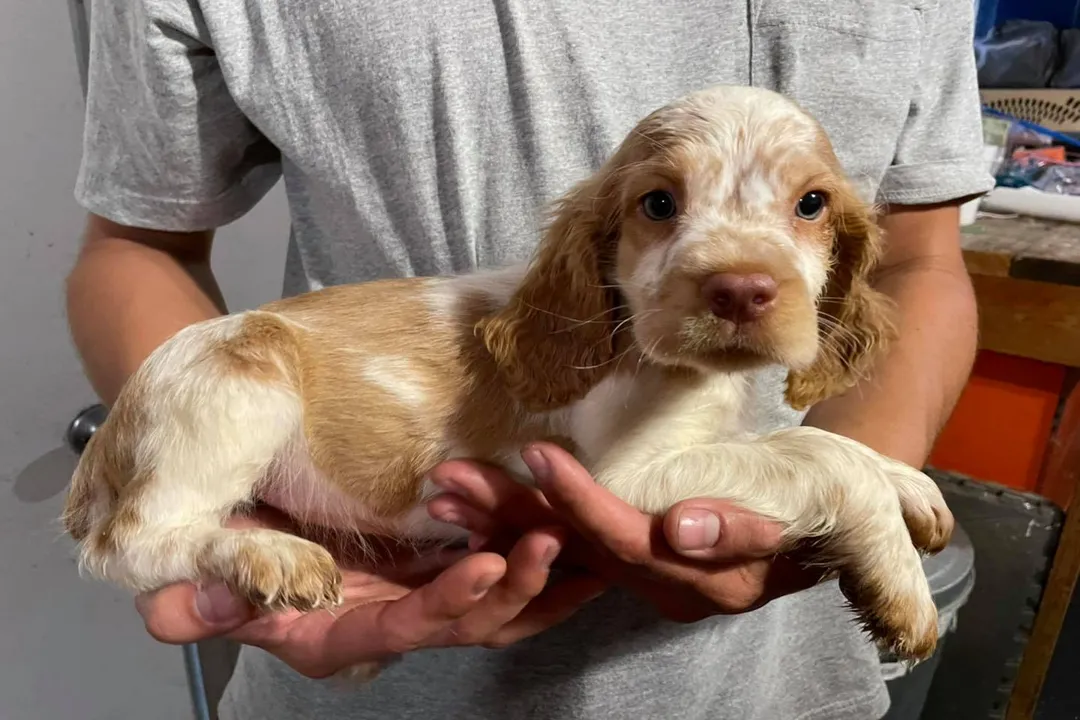
The history of the English Springer Spaniel is a deep dive into centuries of specialized canine development, rooted firmly in the British countryside. These dogs were not originally conceived as the distinct breed we recognize today, but rather as part of a general category of retrieving and flushing dogs essential to the hunt. [3][5] Their defining purpose, which gives them their name, lies in their remarkable ability to work ahead of the shooter, "springing" game, such as woodcock or pheasants, from dense cover so they could be flushed into the air for a clean shot. [1][3][7][9] This ancestral role dictates much of their high-energy drive and inherent intelligence. [6]
# Ancient Roots
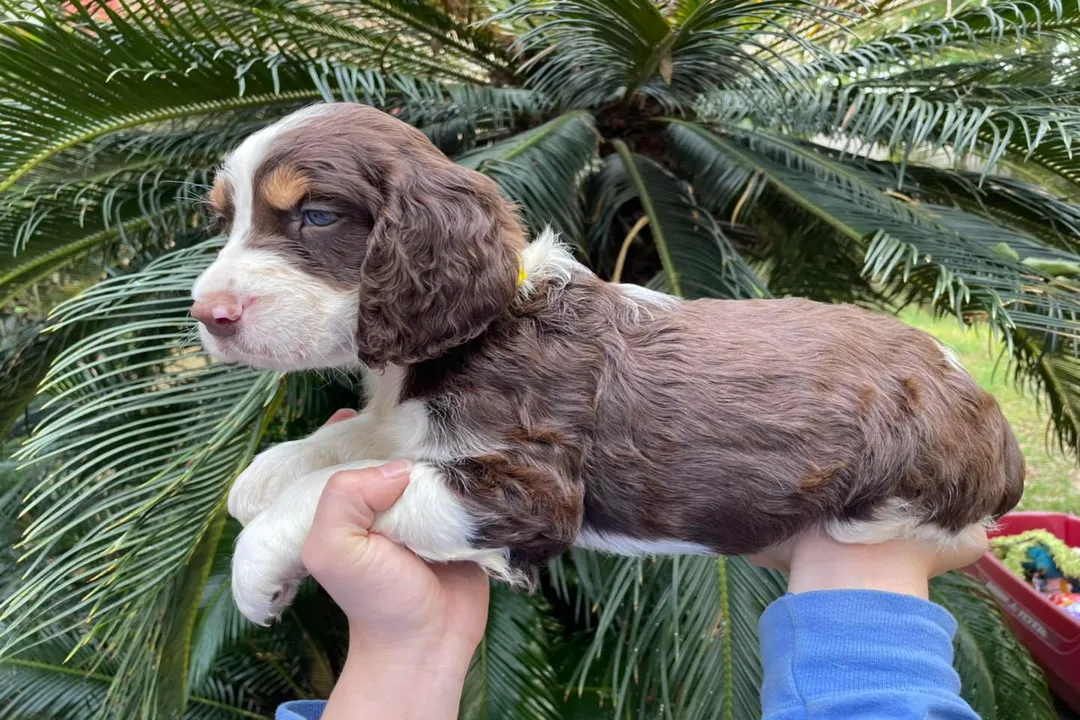
Spaniels have been known in England since at least the 14th century, evolving from hunting companions to highly specialized working partners. [1][5][8] In the early days, the primary division among these dogs was geographical and based on where they worked: they were categorized as either land spaniels or water spaniels. [1][8] The ancestors of the modern Springer fell squarely into the land spaniel category. [8] It is difficult to trace the exact lineage before the 1800s, as detailed records of individual dogs were not the focus; rather, function was paramount. [3] Some genealogical understanding suggests possible ancestral ties to the Sussex Spaniel, although concrete evidence linking the modern breed directly is less documented than their functional development. [8]
# Size Division
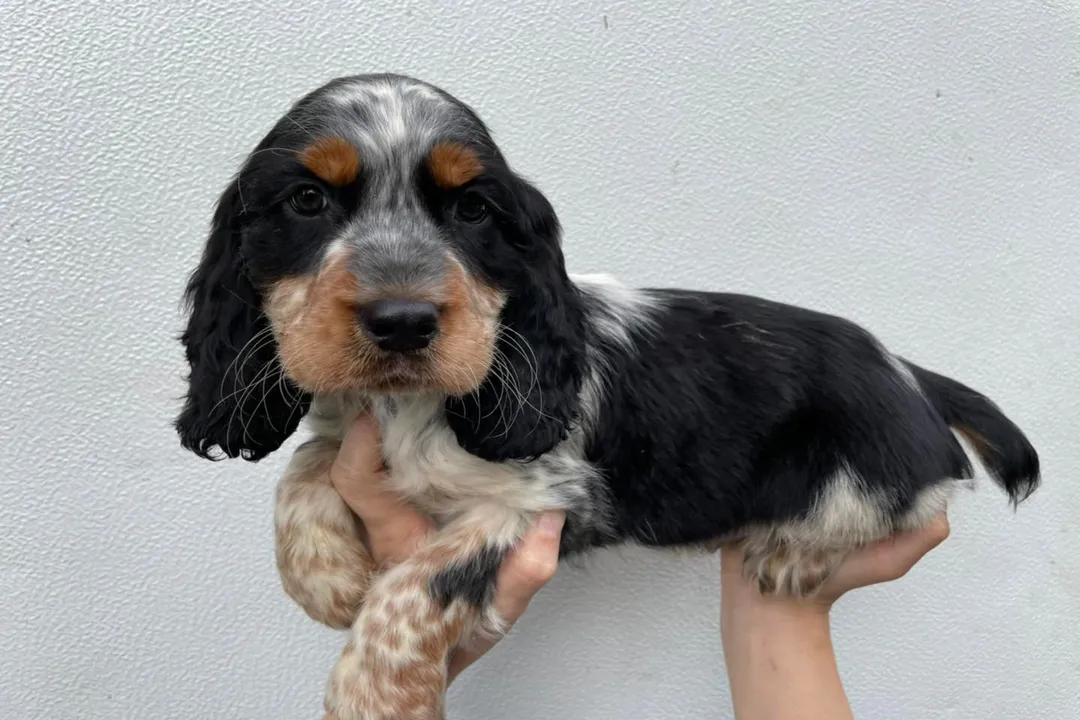
For a long time, the distinction between what we now call the English Springer Spaniel and the English Cocker Spaniel was purely based on size, not on differing duties or build. [1][3][7] All the smaller spaniels used for flushing were often termed Cockers, while the larger ones were Springers. [5][7] This was a relative classification based on what a particular hunter needed for their specific quarry or terrain. [1] The common ancestry meant that breeders might produce a litter containing both types, which would then be designated as Cocker or Springer puppies based on weight or height criteria as they matured. [3][7] The Royal Kennel Club notes that the ancestors were generally referred to as "spaniels" before specialized standards emerged. [8]
# Formalizing Standards
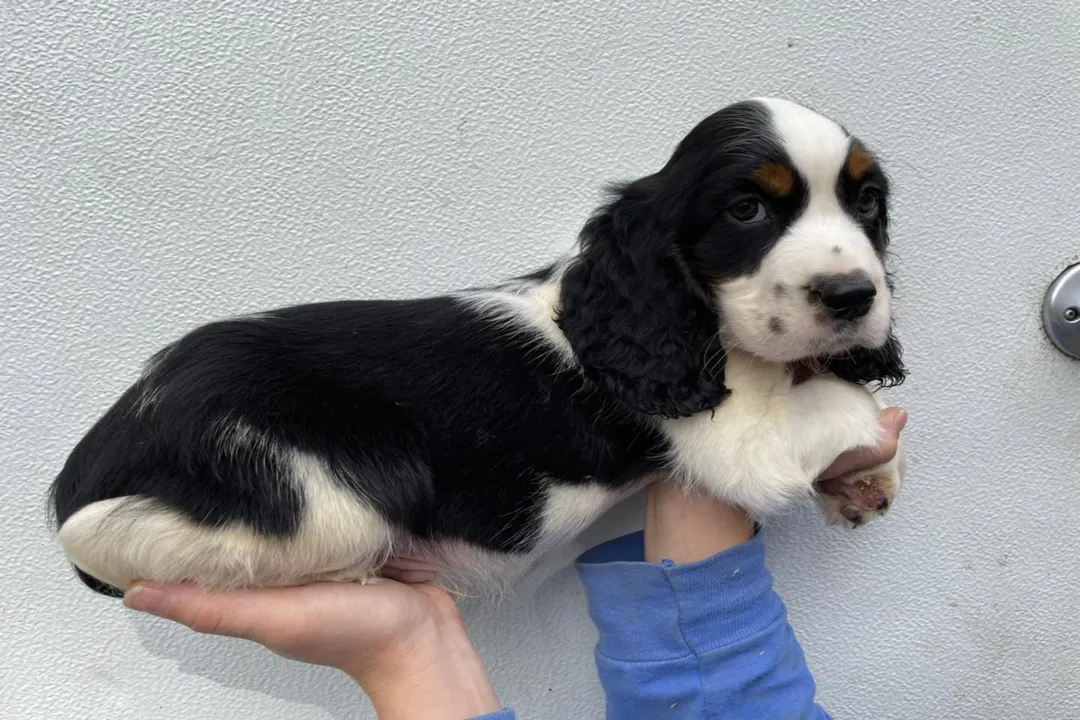
The move toward creating the distinct breed began in earnest during the mid-19th century in the United Kingdom. [1][3] Breeders started working deliberately to standardize the appearance, temperament, and working aptitude of the larger flushing spaniels. [1] This standardization effort was crucial to moving the Springer away from being merely a generic "land spaniel" into a recognized entity. [8]
A significant milestone occurred in 1892 when The Kennel Club officially recognized the Springer Spaniel as a separate breed, distinct from the Cocker Spaniel. [1][2][3][5][7][8] This formal separation based on size established the breed's identity in the dog world. [3]
# Foundational Breeders
The development of the modern type owes a debt to specific influential breeders. The lineage of the modern English Springer often traces back to dogs developed by the Buckinghams family during the 18th century, who focused on establishing quality hunting lines. [1][3][7] Following this, Mr. Nicholas Wood of Norfolk is widely recognized for shaping the dog’s conformation and coat to what is now the standard. [3][7] It was through careful breeding for specific physical traits, alongside their traditional flushing abilities, that the breed began to solidify its unique look. [3]
# Across the Water
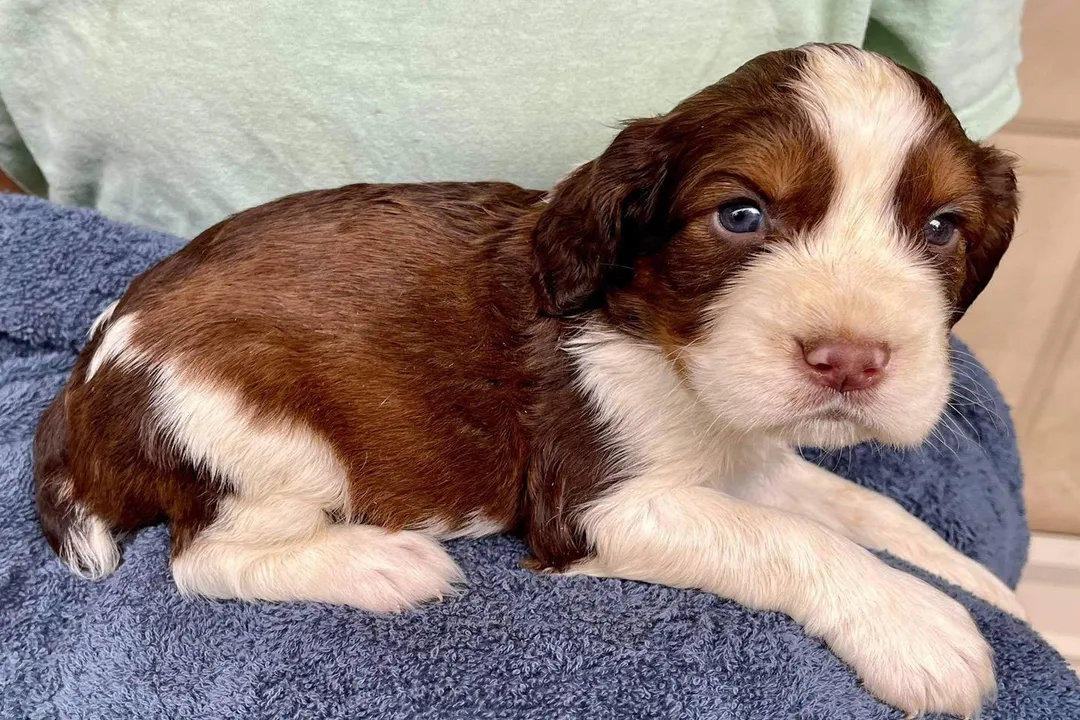
The breed’s development continued across the Atlantic as enthusiasts imported dogs from the UK. [2] The American Kennel Club (AKC) formally accepted the English Springer Spaniel in 1930. [2][5] Initially, many of the dogs brought to the United States came from the established show lines in Britain. [2] This introduction marked a new chapter, where the breed would develop slightly different characteristics influenced by American field testing and showing preferences. [2]
# Diverging Paths
One of the most important aspects of understanding the Springer Spaniel's lineage today is recognizing the split between Field/Working Lines and Show/Conformation Lines. [2][6] While the core ancestry is shared, selective breeding over decades has emphasized different traits. [6]
The show lines generally adhere strictly to the breed standard as defined by kennel clubs for physical appearance, often resulting in a dog with a longer, more profuse coat and a more stylized appearance. [2] The working lines, conversely, are bred primarily for performance in the field. [6] Field-bred Springers are often slightly taller and leaner, built for endurance and speed over rough terrain, and their coats might be less dense or lengthy to reduce burr collection and maintenance during rigorous hunting seasons. [1][6]
It is interesting to note that while the initial split in the late 1800s was based only on size—a quantifiable metric—the modern divergence is based on function and aesthetics. [3][7] The historical English classification aimed to keep working types separate by size, but today, choosing a puppy often means selecting which historical pressure you prefer: the classic bench dog or the rugged hunting machine. [6] A modern owner selecting a puppy should weigh their own activity level against the historical purpose the breeding prioritized. If the goal is competitive obedience or an energetic family pet, a show-line mix might fit well, [2] but for someone wishing to actively hunt or participate in field trials, seeking out established working kennels becomes essential for replicating that ancestral drive. [1][6]
# Core Traits Maintained
Despite the selective pressures of show versus field, the fundamental characteristics that made them valued hunters remain central to the breed's heritage. [3][5] They are known for their intelligence, high energy levels, and eagerness to please, traits that served them well when working closely with a handler in the field. [3][6] Their athleticism and stamina are direct results of generations of breeding focused on tireless searching. [5] Furthermore, their disposition—being affectionate and good-natured—has ensured their popularity as family companions alongside their working roles. [4]
The English Springer Spaniel, therefore, represents a successful dual heritage. It is a breed that formally separated from its cousin based on a simple height measurement over a century ago, [1][3] yet it has since specialized itself into two distinct but related branches, both honoring the original "springing" ancestry that first brought them to prominence alongside British sportsmen. [9] Their lineage is a testament to selective breeding focused on a clear, actionable job: flushing game effectively and retrieving it gently. [7] This history is crucial because, as with any purebred dog, understanding the historical intent—whether bench or field—offers the best insight into the adult temperament and exercise requirements of an individual Springer. [6]
Related Questions
#Citations
The History of English Springer Spaniels
English Springer Spaniel History: Where the Breed Originated
Breed History | English Springer Spaniel Club
English Springer Spaniel Guide | Full Breed & Care Information
Breed History - English Springer Spaniel Club of Canada
English Springer Spaniel: Breed Characteristics, Abilities, and History
Gulf Coast English Springer Spaniels
Spaniel (English Springer) | Breeds A to Z - The Kennel Club
English springer spaniel breed facts and characteristics