Weimardoodle Scientific Classification
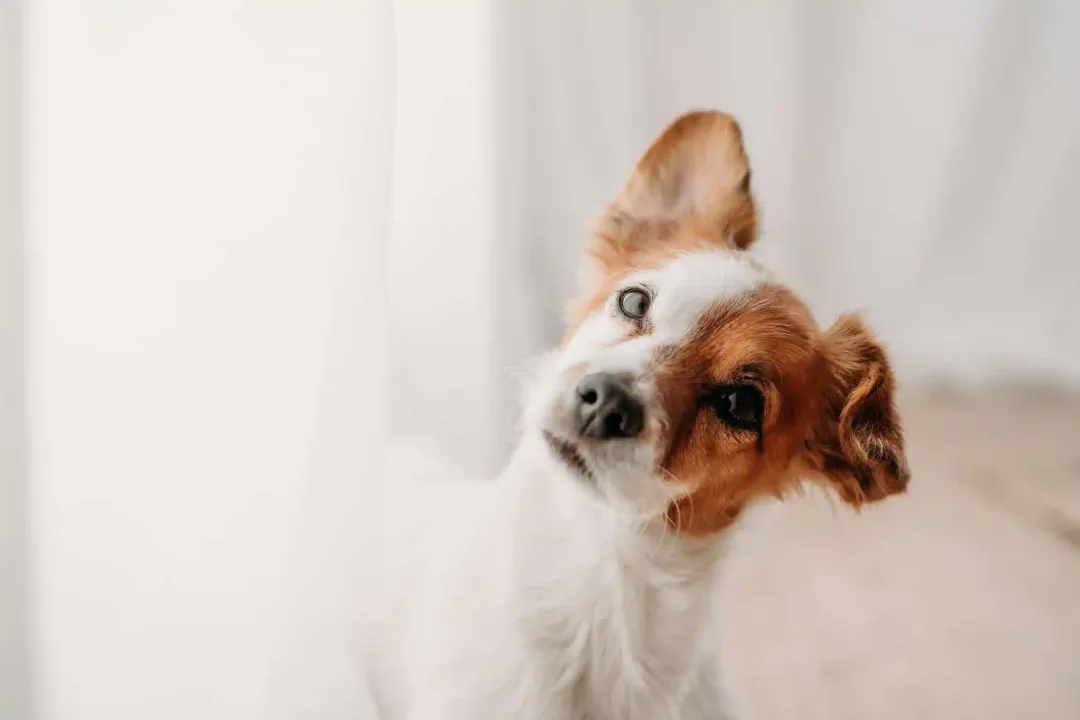
The Weimardoodle is a popular crossbreed known for combining the striking looks of one parent with the celebrated intelligence of the other, but pinning down its precise scientific classification requires looking at its genetic heritage rather than seeking a unique binomial nomenclature of its own. As a designer dog or hybrid, the Weimardoodle does not possess a formal, established classification within the Linnaean system that separates distinct species or subspecies. [10] Instead, its biological reality is defined by the two distinct breeds that make up its ancestry: the Poodle and the Weimaraner. [1][3][5]
# Parental Basis

To understand the Weimardoodle’s placement in the animal kingdom, one must first examine its progenitors. Both the Poodle and the Weimaraner belong to the same species as all modern domestic dogs. This species classification is widely accepted as Canis lupus familiaris, or sometimes simply Canis familiaris. [4][8]
The Weimaraner lineage traces back to Germany, originally bred for hunting large game, later adapting to smaller quarry. [1][5] They are known for their distinctive solid gray or silver coat color, often referred to as "mouse-gray" or "silver-gray". [5][7]
The Poodle, despite its association with French elegance, has German origins as a water retriever. [1][4] Poodles are classified into three sizes—Standard, Miniature, and Toy—all belonging to the same breed. [6] Their dense, curly coat is a hallmark trait that is frequently passed down to their hybrid offspring. [6][9]
When these two purebred lines are intentionally crossed, the resulting litter of Weimardoodles inherits a genetic mix. Because the parents are both domestic dogs of the same species, the resulting puppies are simply classified as mixed breeds within the Canis lupus familiaris grouping, much like any non-pedigreed dog. [2][5] There is no separate genus or species designation for this combination. [4]
# Dog Taxonomy
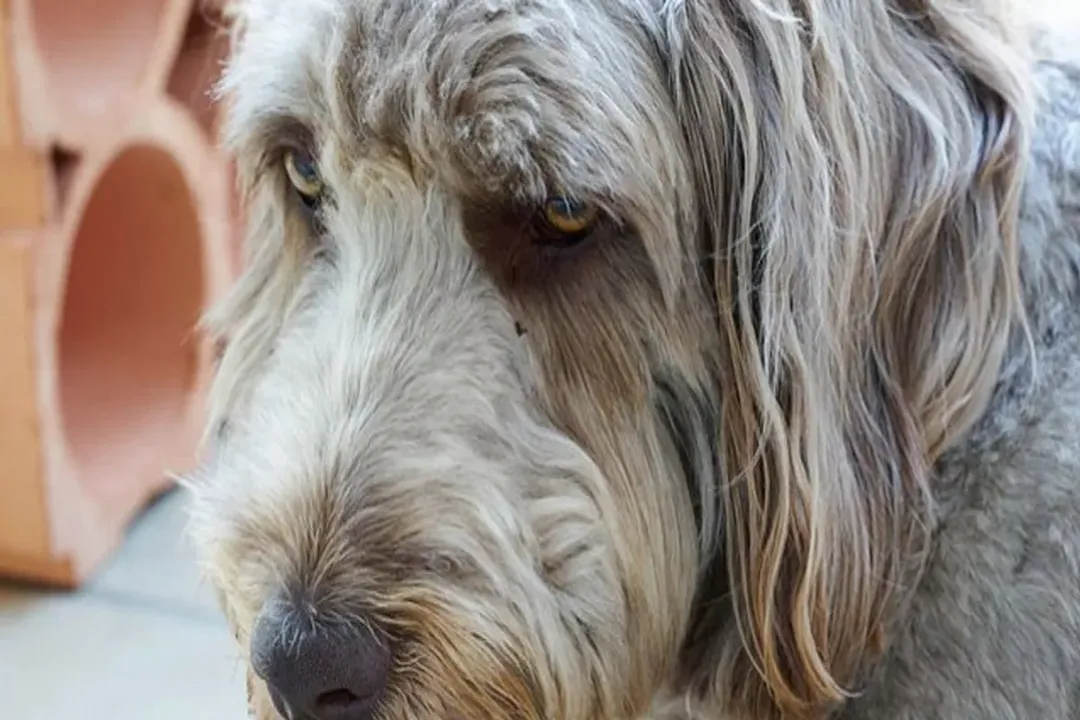
The domestic dog sits within a specific hierarchy of biological classification, which helps scientists situate it relative to other life forms. [2][4] For readers interested in the broader scientific context of their companion animal, this structure is quite consistent across all canine breeds and mixes. [4]
The general scientific classification for the domestic dog is often presented as follows: [2][4][7]
| Rank | Classification |
|---|---|
| Kingdom | Animalia |
| Phylum | Chordata |
| Class | Mammalia |
| Order | Carnivora |
| Family | Canidae |
| Genus | Canis |
| Species | C. lupus |
| Subspecies | C. l. familiaris |
The crucial point here is the subspecies designation, familiaris. [4] The Weimardoodle, being a product of human selection and breeding between two recognized subspecies/breeds of the domestic dog, remains firmly under the Canis lupus familiaris umbrella. [10] The cross does not grant it a new classification level; it is simply a variation within the existing one. [4]
# Breed Status

The scientific community and kennel clubs rely on standardization for formal classification and breed recognition. The Weimardoodle encounters difficulty in this area because it is a hybrid cross, not a recognized, stable breed. [3][9]
Kennel clubs typically only grant recognition to breeds that have established, documented histories, standardized conformation, and a consistent genetic makeup across multiple generations. [3] Since the Weimardoodle is primarily a first-generation cross (F1) or subsequent generation cross where the breeding goal is often to simply mix the parent breeds, its traits, including physical appearance and temperament, can vary widely from one litter to the next. [1][7] This variability contrasts with established purebred standards, which are the bedrock for formal taxonomic distinction at the breed level. [3] Therefore, while breeders use the name "Weimardoodle," it functions as a trade name or designer label rather than a biological classification. [8]
If a breeder were to consistently select for specific traits across several generations (e.g., always crossing a Weimardoodle with another Weimardoodle, or selectively breeding F1s to produce stable F2s), they might eventually petition for breed recognition, but this process is lengthy and requires proof of genetic predictability that hybrids often lack initially. [3]
For instance, a Weimardoodle puppy might inherit the Poodle’s non-shedding coat entirely, or it might inherit the Weimaraner’s short, dense coat, or a mix of the two. [6][9] This genetic spectrum confirms its status as an admixture rather than a distinct, genetically homogenous unit requiring its own specific classification. [2]
# Genetic Diversity
The very nature of the Weimardoodle stems from the mixing of two distinct gene pools, which introduces a fascinating biological reality often discussed in companion animal genetics. When you mix two distinct, though related, lines like the Weimaraner and the Poodle, you are introducing heterozygosity. [1] This concept is central to understanding the health and predictability of hybrid animals compared to inbred purebred lines. [3]
One area where this becomes particularly relevant for owners concerns the genetic predispositions of the parent breeds. For example, Weimaraners are prone to certain conditions like hip dysplasia and Von Willebrand's disease, [5] while Poodles can be susceptible to issues like Addison's disease and sebaceous adenitis. [6]
A direct consequence of crossing these two breeds is what is often termed hybrid vigor or heterosis. [1][10] This biological effect suggests that the offspring, carrying a more diverse set of alleles from both parents, may exhibit increased fitness, resilience, and potentially lower incidence of some recessive genetic disorders common in purebred lines where inbreeding has occurred. [3]
To illustrate the potential genetic spread, consider this simplified expectation matrix regarding coat type inheritance, keeping in mind that true F1 crosses are more complex than simple Mendelian ratios:
| Trait | Weimaraner Allele | Poodle Allele | Likely F1 Weimardoodle Outcome |
|---|---|---|---|
| Coat Type | Straight/Short (Recessive) | Curly/Wavy (Dominant) | Wavy/Curly (Dominant expression) |
| Color | Gray/Silver | Varied (e.g., Blue, Black, Cream) | Color dictated by the complex interaction of both parents' color genes |
Understanding this genetic backdrop is more useful for prospective owners than knowing a non-existent scientific classification name. If you are considering a Weimardoodle, the single most actionable step related to its biology is ensuring the breeder provides health testing clearances for the parent Weimaraner and Poodle, specifically screening for conditions known to affect those lines, regardless of the hybrid's theoretical genetic advantage. [5][7] This mitigates the risk associated with inheriting the strongest genetic markers from either side of the pedigree. [1]
# Naming Conventions
The persistence of the name "Weimardoodle" highlights the difference between common nomenclature and scientific categorization. In common parlance, naming a mixed breed after its parents—often by blending parts of their names—is a widespread practice in the dog world, resulting in names like Goldendoodle, Cockapoo, or, in this case, Weimardoodle. [9][10] This nomenclature serves a marketing and identification purpose within the companion animal community. [8]
However, from a purely scientific perspective, this naming convention is descriptive of ancestry but holds no taxonomic weight. [4] The Weimardoodle is essentially a contemporary subset of the domestic dog population, defined by recent human breeding choices rather than evolutionary divergence. [2] Its classification remains Canis lupus familiaris, period. Any discussion beyond that level of taxonomy moves from biology into the realm of breed clubs and consumer identification. [7] Thus, while one can appreciate the Weimardoodle for its unique combination of traits derived from the Weimaraner’s drive and the Poodle’s intellect, its scientific place is fixed alongside every other mixed-breed dog globally. [10]
Related Questions
#Citations
Weimardoodle Dog Breed Complete Guide - A-Z Animals
Weimardoodle Dog Breed Health, Temperament, Training, Feeding ...
Weimardoodle | Dog Breed Facts and Information - Wag! Dog Walking
Weimardoodle Dog Breed Information and Pictures
Weimardoodle Dog: Traits, Care, Behavior, and Fun Facts
Weimardoodle Dog Breed Information & Characteristics - DogTime
What is the price range for an Asian poodle? - Facebook
Discover the Perfect Weimardoodle Dog Breed Info and Care Tips
Weimardoodle : everything you should know about this mixed breed